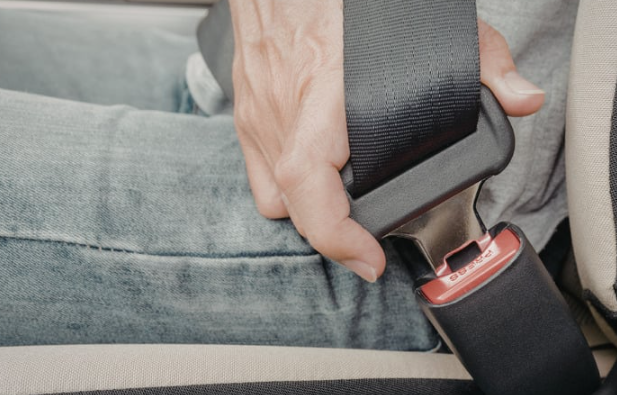
There is no question that seat belts save lives by keeping you inside your vehicle and preventing you from hitting the dashboard or windshield. They are the single most effective safety feature in your car.
However, in a high-impact collision, a seat belt has to exert an immense amount of force to hold you in place. While the belt stops you from being ejected, that sudden “stop” means your body absorbs all that kinetic energy. It’s a violent trade-off; the belt saves your life, but the force of the restraint can leave you with significant injuries of its own.
Understanding these injuries is vital. Because seat belt damage is often internal, you might not realize the extent of the harm until the adrenaline wears off. Knowing what to look for and seeking medical attention even if you feel “fine” is the best way to ensure a full recovery after a major crash.
Seat belts are designed to hold you in place when a vehicle stops suddenly. In a crash, the locking mechanism tightens the belt so you don’t continue moving forward with the force of the car’s momentum. In many cases, this restraint prevents much worse harm, including ejection or severe head trauma.
However, the same restraint can transfer force to the body, especially in high-speed or violent crashes. The lap belt presses against the pelvis, the shoulder belt against the chest and neck, and the webbing can dig into softer tissues. This can lead to what doctors sometimes call “seat belt syndrome”, a pattern of injuries caused by the belt’s force during impact.
Even when the seat belt does its job, the sheer energy of a crash can result in injuries. Injuries from the belt itself are different from the more severe injuries that seat belts are meant to prevent, but they are still real and can require urgent medical care.
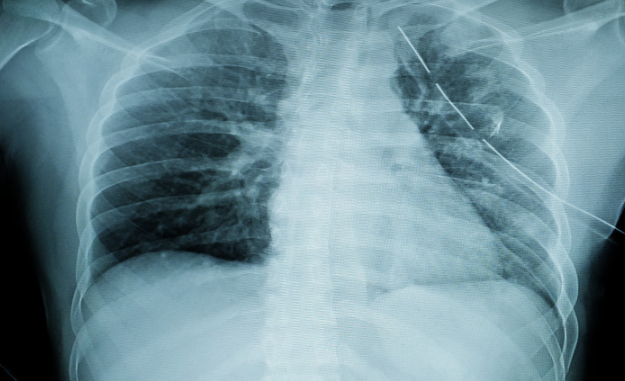
Seat belt injuries can range from minor bruises to serious internal trauma. Some common injuries include:
The most frequent seat belt injury is a bruise or abrasion where the belt contacts the skin. This often shows up as discoloration or the “seat belt sign”, a patterned bruise across the shoulder, chest, or abdomen shaped like a belt. These injuries can be painful but often heal with rest and basic care.
The shoulder belt can put significant pressure on the chest during a crash, and that pressure can fracture the ribs or the sternum (breastbone). Rib fractures are painful and can make breathing difficult. Sternal fractures are less common but can indicate more serious trauma.
Soft tissues like muscles, ligaments, and tendons can be strained or torn where the seat belt restrains the body. These injuries may take longer to fully heal and can cause lingering pain or stiffness.
Seat belts can compress the abdomen during a crash, which can lead to damage to internal organs such as the liver, spleen, kidneys, bowels, or pancreas. These injuries may not be visible at first, but can be life-threatening if not treated. Internal abdominal trauma is often part of “seat belt syndrome.”
The shoulder belt can exert force on the torso and neck. This can strain the spine or even lead to vertebral fractures in severe cases. Some types of spinal fractures, like Chance fractures, occur when the body bends excessively under force.
Impact may cause shoulder injuries ranging from soft tissue damage to rotator cuff tears and collarbone fractures. These can be painful and limit arm movement for weeks or months.
The lap belt may put force on the hips and pelvis, especially in certain crash positions. This can lead to pelvic fractures or hip injuries. Pelvic injuries can be serious, affecting mobility and requiring surgery.
These injuries illustrate how seat belt forces can produce significant trauma, even while preventing even worse consequences like ejection from the vehicle.
Recognizing a seat belt injury isn’t always as simple as looking for a bruise. While some signs are immediate, others “hide” behind your adrenaline and might not surface for a few days.
Pay close attention to your body in the week following a collision. You might experience:
A note on “Silent” Symptoms: If you experience abdominal cramping, fever, or any sudden digestive changes, don’t wait. These can be the first signs of internal organ damage that needs to be addressed by a doctor immediately.
Since many seat belt injuries are internal, a quick physical exam at the scene isn’t always enough. In an ER or urgent care setting, medical teams use a specific toolkit to see what’s happening beneath the surface:
There is no “one-size-fits-all” treatment because no two crashes are the same. Your recovery plan will depend entirely on what the imaging shows:
The most important thing to remember is that recovery is a process. Follow-up appointments are vital to prevent a “small” issue from becoming more damaging.
While seat belts are essential for safety, how you wear them matters. Proper usage can reduce the risk of belt-related injuries:
Proper positioning helps distribute the force across stronger parts of the body.
If a crash caused by someone else forced a seat belt to injure you, you still have the right to seek compensation. A common myth is that seat belt injuries don’t count as “real” injuries. That’s simply not true.
Seat belts save lives, but when another driver’s negligence causes a violent impact, the force of that restraint can still cause serious harm. In those cases, the at-fault driver is responsible for the consequences, including:
Insurance adjusters sometimes twist responsible behavior against you. They may argue your injuries wouldn’t be severe if you had been sitting differently or try to blame the seat belt instead of the crash itself.
An automobile accident lawyer can counter these tactics with medical evidence to prove your injury is from the accident, not misuse of safety equipment.
Seat belt injury claims are rarely straightforward. While you focus on your physical recovery, an attorney ensures your full story is heard, counters insurance company pushback, and meticulously accounts for your long-term financial needs.
Seat belts save lives, but in serious crashes, they can still cause painful and sometimes hidden injuries. Understanding how seat belt injuries happen, what symptoms to watch for, and when to seek treatment can make a real difference in your recovery.
If you’ve been injured in a car accident and think a seat belt may have caused or worsened your injuries, don’t ignore it. Getting medical care early helps protect your health and creates the records you may need later.
And if you’re unsure what your injuries mean for your next steps, T. Madden & Associates, P.C. is here to help. Our team can review what happened, explain your options in plain terms, and help you move forward with clarity. Reach out today for a free consultation and get answers you can trust.

T. Madden & Associates, P.C has an answer for all of your legal questions! We are a Personal Injury firm, so we handle many types of injury cases from auto collisions to wrongful death! If you or someone you know is injured, T. Madden & Associates, P.C. can help.
We are proud to offer free case reviews to anyone who may have questions before getting started. Additionally, if we do take on your case, we promise we won’t charge you a penny unless we recover compensation for your claim.
Please contact our Atlanta attorneys online or by calling 833-PAID-123 to get started today.