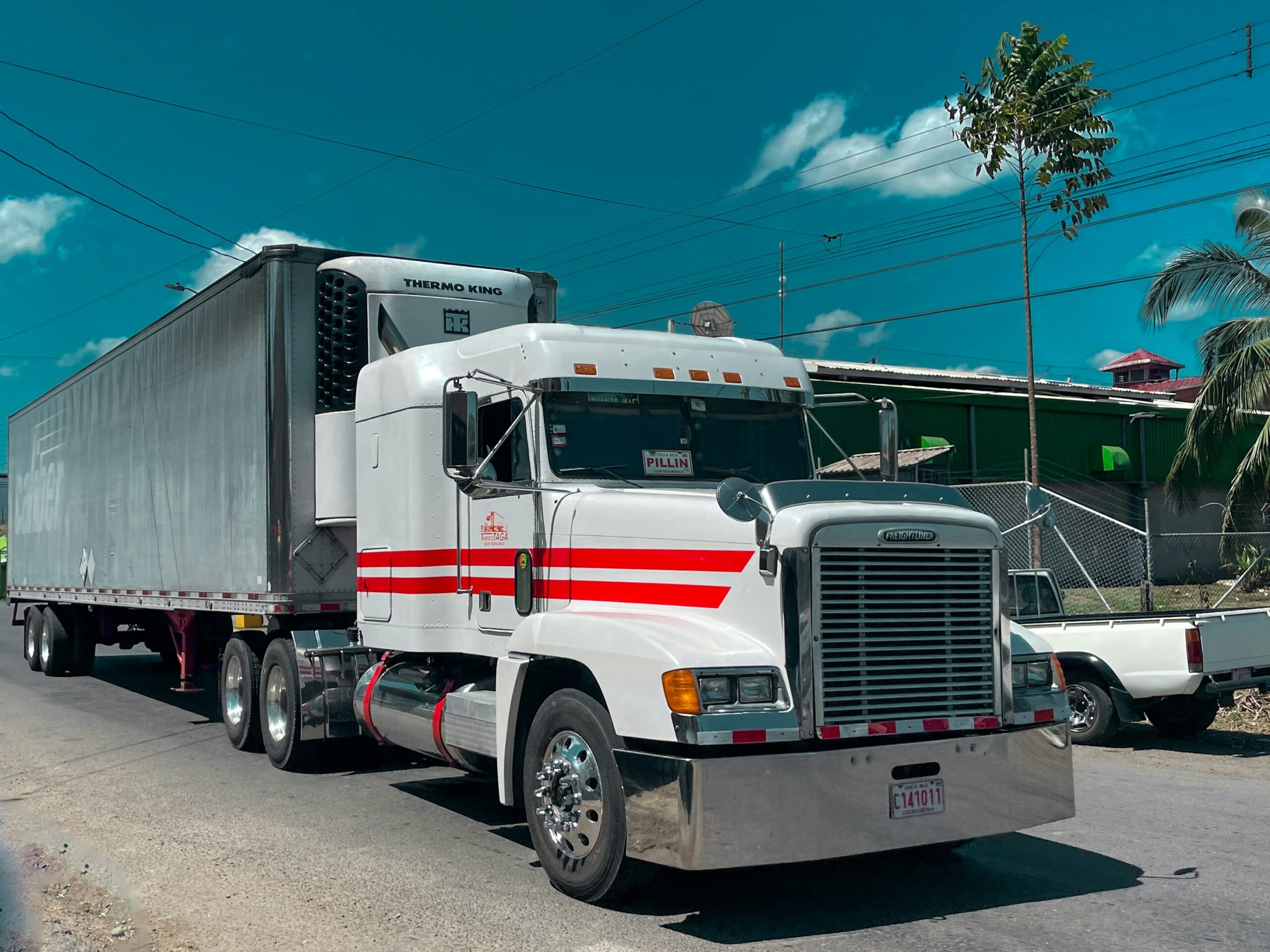
When a standard car collides with an 18-wheeler, the results are often catastrophic. At T. Madden & Associates, we’ve seen firsthand how devastating truck accidents can be on Georgia highways like I-20 and I-75. The sheer size and weight of commercial trucks create a deadly imbalance in these collisions, and victims are often left with severe injuries, emotional trauma, and overwhelming medical bills. As you begin your journey toward recovery—both physically and legally—it is important to understand the multifaceted nature of these incidents and the specific steps mandated by state law, including provisions found in O.C.G.A. § 9-3-33 and O.C.G.A. § 40-7-11. Our team includes aggressive litigators and former insurance defense attorneys who know how to fight for maximum compensation.
Georgia’s highways, whether winding near the Chattahoochee or bustling along Interstate 85 in Atlanta, see a significant number of truck-related accidents each year. According to data from the FMCSA, truck accidents in the region number in the thousands, with fatalities and severe injuries accounting for a notable percentage of these cases. For instance, a truck collision on the Gordon Highway near Augusta might involve a commercial vehicle failing to stop at a red light, while a separate incident on the scenic route near Blue Ridge could involve sudden mechanical failure leading to loss of control. Both scenarios highlight the unpredictable and potentially life-altering consequences of truck accidents, reinforcing the importance of knowing what to do immediately following an incident.
An accurate understanding of your rights under Georgia law is essential. Beyond O.C.G.A. § 9-3-33 and O.C.G.A. § 40-7-11, other statutes such as O.C.G.A. § 51-2-1, O.C.G.A. § 51-3-2, and O.C.G.A. § 14-11-26 play critical roles in how fault, documentation, and claims are managed. These legal safeguards are designed not only to ensure that responsible parties are held accountable but also to protect you during the delicate period of recovery.
By familiarizing yourself with both the statistical realities and legal intricacies of truck accidents in Georgia, you empower yourself to take decisive actions following an accident. This introduction sets the stage for understanding the step-by-step process that follows, reinforcing the need for prompt documentation, adherence to legal protocols, and a clear grasp of your legal rights during such challenging times.
When you find yourself involved in a truck accident in Georgia, taking immediate action can be critical to protecting your legal rights and ensuring safety. Begin by checking for injuries among everyone involved, and if needed, promptly call 911. Emergency responders not only provide urgent care but also document the scene for any potential legal proceedings. In an incident along busy corridors such as Augusta’s Gordon Highway or near Atlanta’s I-75 interchanges, seconds can be the difference between life and long-term consequences.
Documenting the scene should be your top priority. Use your cellphone to capture detailed photographs of the vehicles, license plates, road conditions, and any visible injuries. This evidence may prove invaluable when the facts are later scrutinized. For example, one case near Savannah on I-95 revealed that poorly documented accidents could result in disputed liability, while another incident in Macon was resolved more swiftly thanks to immediate, thorough documentation and the swift arrival of law enforcement.
Adhering to Georgia law is essential. O.C.G.A. § 9-3-33 requires drivers to stop immediately and provide contact information in the event of an accident, and failing to do so can compound legal challenges. In addition, ensuring that you fulfill obligations under the Georgia Motor Vehicle Safety Act can help protect your claims. Keep in mind that truck accidents often involve federal as well as local regulations, such as provisions from the FMCSA, which highlight that nearly 12% of heavy truck incidents in recent Georgia statistics involved significant vehicle damage and injuries. Other relevant statutes include O.C.G.A. § 40-6-301, O.C.G.A. § 40-6-91, and O.C.G.A. § 40-6-320, which guide accident scene procedures and truck safety standards.
Consider following these vital steps immediately at the scene:
By methodically addressing each of these elements, you better safeguard your interests while complying with Georgia legal requirements.
Prompt medical evaluation following a truck accident in Georgia isn’t just a health precaution—it’s a critical step in preserving your legal rights. Immediate treatment not only addresses any hidden injuries but also provides crucial documentation that may support your claim. Georgia law, including statutes like O.C.G.A. § 9-3-33, emphasizes the importance of obtaining timely evidence following an accident. Without prompt care, injuries such as internal bleeding or concussion might go undiagnosed, potentially complicating both your recovery and your ability to secure proper compensation.
In Atlanta, for example, heavy truck accidents on major highways have resulted in cases where motorists initially believe their symptoms are minor, only to develop complications later. Similarly, in Augusta along busy corridors like the Gordon Highway, delayed medical attention has led to prolonged suffering and reduced claim values in litigation. According to FMCSA statistics, nearly 30% of truck accident victims experience injuries that worsen over time if not treated immediately. Additionally, the NHTSA reports that quick medical intervention can reduce long-term health effects by as much as 25%.
Immediate documentation from a physician is critical when you file a claim. It establishes a clear timeline of injuries, linking them directly to the accident, as supported by O.C.G.A. § 51-9-1 and O.C.G.A. § 51-12-21. These statutes underscore the necessity for professional assessments to verify the extent of injuries and ensure that all physical damages are legally recognized.
Injured in a trucking accident? Call T. Madden & Associates for a free, no-obligation consultation. You pay nothing unless we win your case. If you’re involved in an accident, consider the following steps:
This thorough documentation plays a pivotal role in building a robust case, helping protect your interests while you focus on recovery.
Documenting evidence is a critical step in securing a successful truck accident claim in Georgia, where thorough documentation can significantly strengthen your case. In the aftermath of a collision, it is vital to collect every piece of evidence from the scene, keeping in mind that Georgia law, specifically O.C.G.A. § 9-3-33, emphasizes the importance of accurate accident reporting. For instance, if you were involved in an accident along Atlanta’s I-85 corridor or in Augusta near the Gordon Highway, immediate documentation can help capture the chaotic atmosphere and potential hazards that led to the collision.
On-site documentation should include detailed photographic and video evidence. This means photographing damages to all vehicles involved, skid marks on the road, debris positions, and any visible road hazards. According to FMCSA statistics, nearly 12% of commercial truck accidents involve multiple vehicles, making comprehensive photographic evidence crucial. Equally important are police reports and accident scene records, which serve as an official account of the events and are heavily weighted by courts. Georgia statute O.C.G.A. § 19-2-54 further outlines evidence collection procedures in motor vehicle accidents, ensuring that this documentation is given due consideration.
Additionally, personal documentation such as medical records are indispensable. Medical documentation not only captures the physical toll of the accident but also establishes a direct link between your injuries and the crash, a requirement supported by O.C.G.A. § 10-1-393. Without these records, substantiating a claim for long-term care or compensation for lost wages, as observed in scenarios like a driver experiencing delayed complications months after a crash, would be challenging.
It is imperative to secure witness statements as well. Written or recorded testimonies, ideally collected immediately after the accident, add credibility to your account and can be corroborated by other independent sources. Lastly, truck-specific data like electronic logging records and maintenance histories can reveal potential negligence on the part of the trucking company, supported under legal standards such as O.C.G.A. § 51-3-11 and O.C.G.A. § 9-11-12. Each document plays a distinct role in building a robust case, ensuring that all aspects of the incident are transparent and legally defensible.
Georgia’s truck accident laws and regulations are a complex tapestry of state and federal rules designed to protect both drivers and the public. In Georgia, regulations such as O.C.G.A. § 9-3-33 outline strict liability issues while O.C.G.A. § 40-6-86 details specific requirements for commercial vehicle construction and cargo securement. These legal measures underscore the responsibility of trucking companies to adhere to rigorous safety standards.
Recent data from the National Highway Traffic Safety Administration indicates that truck accidents account for a significant percentage of roadway incidents in Georgia. For example, in cities like Atlanta and Augusta, high-traffic corridors such as Interstate 20 or the Gordon Highway often see an uptick in heavy vehicle collisions during peak hours. In one scenario in Savannah, a failure to properly secure cargo led to a devastating accident that not only resulted in multiple injuries but also extensive property damage. Similarly, a case in Columbus involved a truck driver exceeding regulated hours of service, a violation that is routinely scrutinized under both state and federal guidelines.
Under federal regulations, the Department of Transportation and the Federal Motor Carrier Safety Administration maintain strict oversight, yet Georgia laws provide additional protections specific to the needs of local communities. Key points include the mandatory compliance with commercial vehicle loading practices, as well as the statute of limitations for personal injury claims, which is generally two years from the date of the accident. This deadline, as outlined in local legal precedents, emphasizes the urgency for victims to seek legal guidance promptly.
A few critical aspects to keep in mind include:
Understanding these layers of legal protection can be both empowering and essential for accident victims in Georgia. The interplay of state-specific statutes with federal rules underscores a legal framework designed to hold negligent parties accountable, thereby enhancing road safety and ensuring fair compensation for those impacted by truck accidents.

When you’ve been involved in a truck accident in Georgia, reaching out to a knowledgeable truck accident attorney can be a vital first step in protecting your rights and securing the compensation you deserve. Georgia truck accident law is intricate, with statutes such as O.C.G.A. § 9-3-33 providing clear guidelines on issues ranging from liability to comparative negligence. An experienced attorney not only understands these laws but has the resources to navigate other relevant statutes—including O.C.G.A. §§ 51-3-1, 51-2-1, 33-10-1, and 17-4-7—ensuring that every angle of your case is thoroughly examined.
Georgia’s busy roadways, whether on the bustling highways around Atlanta or along the historic corridors in Savannah, face significant truck traffic. According to FMCSA data, truck accidents often result in injuries that are 20% more severe than those from car accidents. In real-world scenarios, consider a driver navigating the complex interchanges of I-85 in Atlanta who suddenly finds their vehicle struck by a semi-truck running a red light, causing catastrophic damage. Similarly, in Augusta along the busy Gordon Highway, victims may experience injuries compounded by the sheer force and size of commercial trucks that are subject to federal as well as state regulations. Each incident is unique, and the facts can quickly become overwhelmingly detailed.
A seasoned Georgia truck accident attorney will help ensure that no critical evidence is overlooked. They can subpoena valuable records, inspect the accident scene, and secure witness statements that are essential when proving negligence.
By engaging a Georgia truck accident attorney promptly, you safeguard your ability to pursue damages for not only your past and current medical bills but also lost wages and potential future suffering. With the complexities of both state law and the commercial trucking industry at play, professional legal representation can make all the difference during this challenging time.
When you’re involved in a truck accident, particularly here in Georgia, dealing with insurance companies can be as challenging as it is overwhelming. Georgia drivers—whether in bustling Atlanta or along busy corridors like Augusta’s Gordon Highway—should be prepared for insurers who may seek to minimize their payout. According to recent NHTSA data, truck accidents remain a serious concern, with studies indicating that nearly 20% of fatal crashes in 2021 involved large trucks. Additionally, FMCSA reports show that improper handling of insurance claims can cost accident victims thousands in lost compensation.
Immediately after the accident, begin by noting that insurance adjusters are investigating the incident. O.C.G.A. § 9-3-33, for instance, emphasizes the importance of preserving evidence. It is vital to maintain a clear record through photographs, official police reports, and documented medical treatments to counter any attempts by insurers to devalue your claim. In Augusta, we’ve encountered scenarios where drivers faced unjustified delays in claim settlements simply because they had not kept thorough records of their communications.
When speaking with an insurance representative, avoid providing detailed accounts that might inadvertently undercut your claim. Often, the first call from the insurer may seem like a friendly inquiry, but even casual remarks can be used against you. One real-world example involved a driver from Macon who admitted to minor fault in a conversation, only to later face diminished compensation. Another instance in Savannah saw a victim’s claim suffer when the insurer quickly settled for an amount far below the actual damages incurred.
Consider these key steps when dealing with insurers:
By understanding these protocols and exercising caution, you can navigate the complexities of insurance negotiations more confidently. Being informed of your rights under Georgia law can significantly impact your recovery process and help ensure you receive the compensation you rightfully deserve.
Truck accidents in Georgia often result in a spectrum of injuries that can significantly hamper a victim’s quality of life and ability to work. The sheer force behind a truck collision tends to result in more severe harm than typical car accidents. Among the most common injuries observed in areas like Atlanta and Augusta are back and neck injuries, which can range from minor strains to debilitating spinal cord damage. For instance, a victim involved in an accident on the bustling I-85 corridor might experience ruptured discs or chronic pain requiring long-term treatment.
Other frequent injuries include traumatic brain injuries (TBI) and concussions that not only affect cognitive function but also pose risks for future neurological complications. In Augusta, where heavy truck traffic is commonplace near busy roadways like Gordon Highway, cases of whiplash escalating into serious ligament and muscle damage have been on the rise. Broken bones, burns, and internal injuries are also prevalent, each carrying its own set of medical and legal challenges.
Victims and their families often face extensive medical bills, rehabilitation costs, and lost wages—a burden that Georgia law recognizes. Under statutes such as O.C.G.A. § 9-3-33, truck drivers and their companies are compelled to adhere to strict safety standards, and failure to do so can render them liable for damages. Additional legal provisions, including relevant sections within O.C.G.A. Title 40, further outline accountability in negligence claims.
A few illustrative scenarios include:
These examples underscore the severe and lasting impact of truck accident injuries not only on physical health but also on mental and financial well-being. Victims in Georgia must navigate these challenges amid the demands of everyday life, underscoring the importance of understanding both the medical and legal ramifications of such catastrophic events.
In Georgia, the statute of limitations for filing a truck accident lawsuit typically stands at two years from the date of the incident, as outlined in Georgia Code § 9-3-33. This two-year window is crucial, and it begins immediately after the accident, whether it occurs on the bustling highways around Atlanta or on the quieter byways near Augusta’s Gordon Highway. The timeline is strict, and any delay could jeopardize your ability to seek compensation.
Local experience shows that truck accidents can leave victims with extensive medical bills and property damage. For instance, consider a scenario in Macon where a truck overturns on I-75, resulting in severe injuries that require long-term rehabilitation. In another situation in Savannah, a collision involving a commercial truck causes significant property damage and lost wages. In both cases, the two-year limit is critical to remember.
It is also important to note that if government entities are involved, different deadlines may apply. For example, notice of claim must be filed within six months for city or county governments, and within one year for state-level entities. Failing to adhere to these notice requirements can bar a claimant from pursuing further legal action under O.C.G.A. § 35-1-19.
To help manage these deadlines effectively, consider these key points:
Understanding and acting within these time limits is essential. By promptly addressing these legal timelines, victims can focus on their recovery while ensuring their rights are preserved under Georgia law.
Georgia applies a modified comparative fault system when determining fault in truck accidents. Investigators evaluate every detail—from skid mark patterns to electronic data from the truck’s black box—in order to assign a percentage of liability to all involved parties. Under O.C.G.A. § 9-3-33, if a plaintiff is found to be 50% or more at fault, they may be barred from recovering any damages. This can be particularly challenging in multi-vehicle incidents where different parties, including truck drivers, company representatives, or even other motorists, may share responsibility.
In Atlanta and other urban hubs across the state, accident investigators often begin by analyzing evidence from on-scene reports, dash cam footage, and witness testimonies to accurately reconstruct the sequence of events. For example, consider a scenario on I-75 near Marietta where a truck mistakenly changes lanes, colliding with a car; in this situation, the truck driver’s failure under O.C.G.A. § 51-1-7 to adhere to safe lane-changing procedures could establish significant liability. Another scenario might involve a truck in Augusta that neglects to properly secure its load, prompting a multi-vehicle collision along busy corridors like the Gordon Highway. Here, evidence of improper loading practices in violation of safety regulations, including relevant federal guidelines, combined with Georgia law, could tip the scales against the trucking company.
Local law enforcement and insurance adjusters in Georgia also consider driver behavior and adherence to commercial driving laws, such as those outlined in O.C.G.A. § 40-2-2, when determining negligence. A thorough investigation might also assess maintenance records and company compliance with state and federal safety standards. By gathering all pertinent facts and applying the principles of modified comparative negligence, Georgia courts strive to ensure that every party’s degree of fault is clearly established, offering an equitable resolution in even the most complex truck accident cases.
Q: What should I do immediately after a truck accident in Georgia?
A: After a truck accident in Georgia, it’s important to ensure everyone’s safety and call 911 to report the accident, especially if there are injuries. If no one is hurt, you can contact the local police to report the incident. It’s essential to get necessary medical attention, even if injuries seem minor, as some injuries might not be immediately apparent. Additionally, document the scene by taking pictures and exchange information with the other parties involved.
Q: Is there a statute of limitations for filing a truck accident claim in Georgia?
A: Yes, in Georgia, the statute of limitations for filing a personal injury lawsuit after a truck accident is generally two years from the date of the accident, as per O.C.G.A. § 9-3-33. It’s important to adhere to this timeframe to preserve your legal rights to claim compensation.
Q: Should I contact a lawyer after a truck accident in Georgia?
A: Yes, contacting a lawyer after a truck accident is advisable. A lawyer can help you navigate the complexities of filing a claim, negotiate with insurance companies, and ensure you receive fair compensation. An attorney experienced in Georgia truck accidents can provide guidance based on the specific details and laws applicable to your case.
Q: What types of compensation can I seek after a truck accident in Georgia?
A: In Georgia, after a truck accident, you may be entitled to compensation for medical expenses, lost wages, pain and suffering, and property damage. Each case is unique, so the types and amounts of compensation can vary based on the severity of the accident and the extent of your injuries.
Q: What if the truck driver’s insurance company contacts me after the accident?
A: If the truck driver’s insurance company contacts you, it’s important to be cautious about what you say. Avoid providing a recorded statement or discussing details about the accident without first consulting with a lawyer. Insurance companies may use your statements to minimize their liability or compensation payments, so having legal guidance can protect your interests.
Why Choose T. Madden & Associates, P.C. for Your Case
When it comes to navigating the aftermath of a truck accident, having a seasoned legal team in your corner makes all the difference. At T. Madden & Associates, P.C., we understand that every minute counts after an accident. With over 25 years of experience and millions recovered in settlements, our unparalleled expertise is your strongest asset in ensuring you receive the compensation you truly deserve.
Led by Terance Madden—a former insurance defense lawyer with unique insight into how insurers operate—our firm is perfectly positioned to level the playing field against formidable trucking company insurers. We have consistently helped countless individuals across Georgia, including those in Atlanta and other major cities, secure the financial recovery necessary to rebuild their lives.
If you or a loved one has been hurt in a truck accident, do not delay. The truck company’s insurers are already working hard to build their case against you. Take control of your situation by contacting us today for a free consultation. Let our experienced team stand up for your rights and fight relentlessly on your behalf. Your future is too important to leave to chance—trust T. Madden & Associates, P.C. to secure the justice you deserve.
The following sources were consulted for this article:
https://www.primesurgicalsuites.com/blog/the-importance-of-prompt-medical-care-after-an-accident
https://www.forbes.com/advisor/legal/auto-accident/typical-car-settlement-amounts/
https://www.kidney.org/news-stories/what-to-do-immediately-after-car-accident
https://www.allstate.com/resources/car-insurance/in-case-of-a-car-accident
https://www.reddit.com/r/Insurance/comments/zol0gi/when_is_it_worth_it_to_get_a_lawyer_after_a_car/
https://www.insurance.ca.gov/01-consumers/105-type/95-guides/01-auto/hadaccident.cfm
https://www.progressive.com/answers/what-to-do-after-car-accident/
https://dph.georgia.gov/health-topics/injury-prevention-program/cdc-core/motor-vehicle-crashes
http://www.callonfitz.com/4-steps-to-take-immediately-following-a-car-accident

T. Madden & Associates, P.C has an answer for all of your legal questions! We are a Personal Injury firm, so we handle many types of injury cases from auto collisions to wrongful death! If you or someone you know is injured, T. Madden & Associates, P.C. can help.
We are proud to offer free case reviews to anyone who may have questions before getting started. Additionally, if we do take on your case, we promise we won’t charge you a penny unless we recover compensation for your claim.
Please contact our Atlanta attorneys online or by calling 833-PAID-123 to get started today.