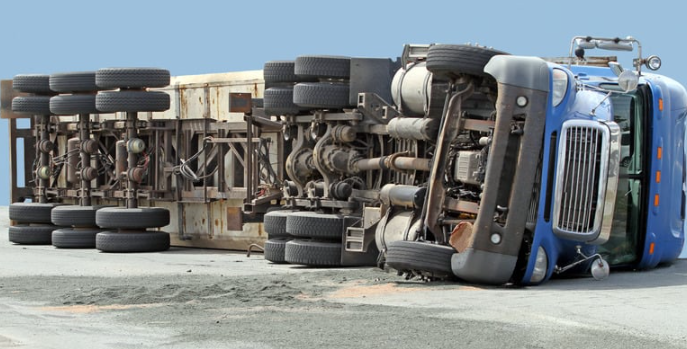
Navigating the aftermath of a big rig accident in Georgia demands not only legal expertise but also a deep understanding of the human toll such events inflict. In Atlanta and its surrounding areas, the collision of a large commercial vehicle with a passenger car can have devastating consequences—ranging from catastrophic injuries to significant property damage. Data from the FMCSA indicates that truck crashes account for nearly 10% of all traffic-related fatalities in the state, with specific incidents on busy corridors like Interstate 285 and Georgia 400 serving as sobering reminders of the inherent risks.
Consider two real-world scenarios: In suburban Atlanta, a distracted truck driver veering into oncoming traffic resulted in a multi-vehicle pileup, leaving several families coping with severe injuries. Elsewhere, on the bustling highways leading into central Atlanta, an error while merging by a big rig plunged an unsuspecting driver into a chain reaction collision, further compounding the devastation already felt by locals. These incidents, while distinct in their circumstances, share a common theme—the profound impact on victims and their loved ones.
Georgia’s legal framework provides avenues for recourse through statutes designed to protect road users. Key among these is O.C.G.A. § 9-3-33, which addresses negligence and liability in vehicular mishaps, ensuring that those who suffer harm have a voice. In addition to this statute, other critical legal provisions include:
This legal landscape is tailored to address the complexities of big rig accidents, while also emphasizing a compassionate approach to supporting accident victims in Georgia. The combination of robust legal statutes and a commitment to fairness and accountability forms the cornerstone of an effective response for those impacted by these incidents.
Understanding big rig accidents in Atlanta involves a deep dive into the unique factors that contribute to these incidents and the legal framework that governs liability. Atlanta’s dense urban corridors and busy interstates create an environment where the risk of multi-vehicle collisions involving semi-trucks is significant. Studies by the FMCSA indicate that commercial truck accidents account for a notable percentage of overall traffic incidents, with recent statistics from NHTSA suggesting that over 15% of fatal truck accidents in the Southeast involve big rigs.
In Atlanta, factors such as driver fatigue, mechanical failures, and negligent practices by trucking companies frequently play a critical role. For example, an incident occurring on Interstate 85 might involve a fatigued driver failing to maintain a safe following distance, while another scenario on Georgia’s BeltLine highlights how road hazards combined with speeding can lead to catastrophic outcomes. These real-world situations underscore the complexity and seriousness of big rig accidents.
The state of Georgia has established specific legal statutes to address the responsibilities and liabilities in these cases. O.C.G.A. § 9-3-33 holds carriers accountable for the operational standards of their vehicles, while other applicable laws include O.C.G.A. § 51-8-100, which deals with negligence, and O.C.G.A. § 40-1-7 that addresses vehicular safety standards. Additionally, regulations under the Georgia Motor Carrier Board ensure that trucking companies maintain strict adherence to maintenance and driver training protocols, further emphasizing the importance of accountability.
Understanding these statutes is crucial for those impacted by big rig accidents. Each case requires a careful evaluation of factors such as maintenance records, driver logs, and compliance with safety regulations. It is also important to note that cases involving bad weather conditions or sudden road obstructions warrant thorough investigation under these legal frameworks. This comprehensive approach ensures that victims in Atlanta receive not only the necessary legal recourse but also the empathetic support needed during challenging times.
Big rig accidents in Georgia present uniquely complex challenges that require specialized legal expertise. Navigating a claim after a collision involving a commercial truck is not as straightforward as typical personal injury cases. The scale and severity of these accidents often result in catastrophic injuries and extensive damages, which demand precise legal action to secure fair compensation.
In Atlanta and across Georgia, the aftermath of a truck accident can involve multiple liable parties, complex investigation techniques, and overwhelming paperwork. For instance, consider a scenario on I-75 near the city center where a collision with a big rig leaves a victim with long-term neurological damage. In another case along Augusta’s Gordon Highway, mishandling of accident evidence led to significant delays in justice, further compounding the victim’s financial and emotional strain. In such instances, the guidance of a skilled big rig accident lawyer is crucial.
A seasoned attorney not only understands the intricacies of Georgia’s legal landscape—including statutes like O.C.G.A. § 9-3-33 and O.C.G.A. § 51-18-70 that address negligence and damages—but also keeps abreast of federal regulations overseen by agencies such as the FMCSA. These local laws, combined with national safety data from the NHTSA, underscore the severity of truck-related incidents. Recent statistics illustrate that truck accidents result in thousands of injuries each year, making prevention, meticulous evidence gathering, and negotiating with insurance companies paramount.
A dedicated big rig accident lawyer will:
Hiring a legal expert who understands these complexities can be the difference between a limited recovery and a settlement that truly reflects the extensive losses suffered. Expertise in both local and federal regulations provides the best chance at successful resolution in cases involving multi-vehicle, high-impact collisions.
Following a big rig accident in Georgia, staying clear-headed and methodical is crucial for ensuring your safety and protecting your rights. The immediate priority is your wellbeing. Once you are in a safe area away from oncoming traffic, call 911. Georgia law, including O.C.G.A. § 9-3-33, requires prompt reporting of accidents that involve serious injuries or substantial property damage. Emergency responders can secure the scene and provide necessary medical care.
Begin by seeking medical attention immediately—even if injuries seem minor. Research from the FMCSA indicates that nearly 30% of big rig accidents involve hidden internal injuries that may worsen without prompt treatment. For instance, one scenario in downtown Atlanta saw a motorist suffering internal injuries after contact with a turning semi, while another incident on the Gordon Highway in Augusta resulted in delayed treatment exacerbating a hidden spinal injury. These examples underscore the importance of early medical evaluation.
Documenting the accident scene is another essential step. If possible, take photos and videos that capture damage to all vehicles, skid marks, road conditions, and any visible injuries. This visual evidence can play a key role when interpreting the events later on. Additionally, gather the names and contact information of witnesses. In line with statutes such as O.C.G.A. § 40-8-116 and O.C.G.A. § 51-2-4, preserving accurate information is essential for both police reports and potential personal injury claims.
Record key details such as the truck driver’s identification, insurance information, and vehicle numbers. If the truck’s logbook is accessible, it may provide insights into driving hours and rest breaks, an area regulated under statutes like O.C.G.A. § 40-7-70 and O.C.G.A. § 40-6-100. Each detail you record reinforces your case should liability or negligence need to be determined later. By following these methodical steps, you not only adhere to Georgia law but also build a foundation to pursue the compensation you deserve.
Georgia’s busy roadways, from Atlanta’s urban grid to the rural routes of southern Georgia, bear witness to a range of factors that contribute to big rig accidents. In many cases, improperly loaded cargo plays a significant role. When freight shifts unexpectedly during transit, it can throw a truck off balance, leading to catastrophic rollovers or collisions—a scenario not uncommon along corridors like Interstate 85. Research from the FMCSA indicates that improperly secured loads contribute to roughly 10% of severe truck accidents nationwide, with similar trends evident in Georgia.
Another frequent cause is driver error, with aggressive driving behaviors such as speeding, tailgating, and unsafe lane changes being particularly hazardous. Georgia law, specifically O.C.G.A. § 40-6-77, emphasizes safe driving practices. For instance:
Driver fatigue is also a critical factor, especially for long-haul truckers who cross multiple states and may underestimate the cumulative stress of long shifts. This issue is compounded by unclear rest area availability along less-traveled routes in Georgia, and recent NHTSA data has linked fatigue to approximately 14% of truck-related accidents in the state.
Additionally, unfavorable road conditions, such as debris accumulation or poorly maintained highways, contribute significantly to these incidents. O.C.G.A. § 9-3-33 underscores the responsibility of local authorities to keep roadways safe, yet ongoing infrastructure challenges often lead to hazardous driving conditions. Ultimately, a mix of mechanical failures, regulatory non-compliance, and human error underpins many big rig accidents in Georgia, emphasizing the need for rigorous enforcement of safety standards and improved driver vigilance across the state.
Determining liability in big rig accidents in Georgia requires a comprehensive investigation that considers multiple factors and potential parties at fault. In cases involving a semi-truck accident near Atlanta or along Georgia’s busy interstates, evidence must be meticulously examined to show how negligence contributed to the crash. Georgia law, including O.C.G.A. § 9-3-33, mandates that all relevant evidence—from driver logs indicating fatigue to truck maintenance records—is thoroughly reviewed.
A common scenario involves driver negligence. For instance, if a truck driver suffers from fatigue or distraction—conditions documented in FMCSA records that indicate fatigue is a factor in nearly 30% of truck-related accidents—a detailed analysis of the driver’s logbooks is essential. In a similar situation, a trucking company might be liable under vicarious liability principles governed by statutes such as O.C.G.A. § 51-2-21 if evidence shows that the company failed to enforce mandatory rest periods or neglected proper vehicle inspections.
Another typical example is when multiple parties share responsibility. In Augusta, for example, where the Gordon Highway sees heavy traffic, a crash might involve not only the truck driver but also the company’s maintenance crew and even third-party contractors responsible for vehicle repairs. Relevant Georgia statutes such as O.C.G.A. § 40-7-21 and O.C.G.A. § 9-11-4 may come into play when establishing the duty of care owed under contractual agreements and industry regulations. Additionally, if defective parts were a factor, statutes like O.C.G.A. § 33-1-2 provide guidance on product liability issues that might be pursued against manufacturers.
Each case is unique, and investigations consider factors such as driver training, company policies, vehicle upkeep, and even environmental conditions. By relying on a thorough review of documentation, eyewitness accounts, and expert testimony, an experienced attorney can piece together the chain of events. This detailed approach is critical in big rig accident cases, ensuring that every responsible party is identified and held accountable under Georgia law.
Gathering reliable evidence immediately after a big rig accident in Georgia is crucial, especially when you need to build a strong case under statutes like O.C.G.A. § 9-3-33. By collecting specific, time-sensitive documentation from the scene, you create a clear narrative of what happened, which is essential for substantiating your claim. In busy areas such as Atlanta’s highway corridors or near interstates like I-285 and I-85, incidents can become chaotic quickly. Detailed evidence can help counter opposing claims and demonstrate parties’ negligence.
One of the most critical pieces of evidence is detailed medical documentation. Prompt treatment records help corroborate your account of injuries and form the basis for a claim that may involve liability under comparative negligence rules, as referenced in O.C.G.A. § 51-1-2. Equally important are accident scene photographs that capture vehicle positions, skid marks, and any visible damage. Such images provide persuasive physical evidence that supports your version of events.
In addition to photos and medical records, police reports play an indispensable role. In Atlanta, a well-documented police report not only establishes the time and place of the collision but also often includes an officer’s preliminary opinions regarding driver behavior. According to FMCSA statistics, nearly 4,000 truck-related fatalities occur nationwide each year, emphasizing the critical need for objective third-party records.
Witness statements must also be collected at the scene. Speaking with bystanders who saw the accident, including individuals on nearby sidewalks or drivers in adjacent lanes, can offer corroborative accounts that strengthen your claim. When obtaining these accounts, ensuring that each witness provides a detailed and contemporaneous statement is vital.
Furthermore, evidence such as maintenance records of the truck, logs from on-board recorders, and dispatch communications can significantly bolster your case. Each piece of evidence is key in establishing fault, particularly within the legal framework of Georgia where local courthouses in Fulton County often examine the minutiae of such documentation closely.
To streamline your evidence collection, keep a detailed list that includes:
Collecting and preserving this evidence not only aligns with the rigorous evidentiary standards expected in Georgia courts but also serves to protect your rights after a devastating accident involving a big rig.
Georgia law plays a critical role in shaping big rig accident claims, and understanding these statutes is essential when seeking justice and compensation. In Atlanta and throughout the state, several specific legal provisions guide how claims are processed and what evidence is required to establish fault. For instance, the statute of limitations for filing a personal injury lawsuit in truck accident cases is generally two years from the date of the incident—a strict deadline that underscores the need for prompt legal consultation. According to data from the Federal Motor Carrier Safety Administration, heavy truck accidents continue to contribute significantly to traffic fatalities, with one scenario highlighting an accident on I-85 in Atlanta where delays in filing led to lost opportunities for vital evidence collection. Similarly, another incident near Augusta on the Gordon Highway emphasized how proper adherence to legal deadlines can significantly impact a victim’s ability to secure compensation.
Georgia’s legal framework includes key statutes that directly impact big rig accident claims:
These laws not only outline the procedural landscape for filing a claim but also emphasize the importance of timely, documented evidence to prove liability. For those facing the aftermath of a big rig accident in Georgia, understanding these laws is key to navigating legal challenges and securing rightful compensation.
Negotiating with insurance companies after a big rig accident requires a measured, informed, and persistent approach, particularly when your accident occurred in a busy Georgia hub like Atlanta. Local victims often face lowball offers shortly after an accident. By being well-versed in both your rights and Georgia law—such as O.C.G.A. § 9-3-33, which outlines the responsibilities of commercial vehicles—victims can counter these offers more effectively.
Take, for instance, a scenario in Atlanta where a driver was involved in a collision on I-85 during heavy rain conditions. The initial settlement offered by the insurance company barely covered medical expenses and lost wages. Similarly, in Augusta, when a truck lost control near Gordon Highway, the delayed response in filing a claim resulted in an undervalued settlement that did not account for long-term rehabilitation costs. In both cases, knowledgeable negotiation could have resulted in significantly greater compensation.
Insurance companies often use tactics to minimize payout by pressuring victims to accept quick settlements. To combat this in Georgia, it is essential to gather comprehensive documentation such as official police reports, damage assessments, medical records, and expert testimony. Additionally, be aware of multiple potentially liable parties—ranging from the truck driver to the company responsible for maintenance—since Georgia courts recognize shared responsibility under statutes like O.C.G.A. § 34-1-20 and related local legal precedents.
When entering negotiations, consider these key steps:
According to the FMCSA, statistics indicate that nearly 20% of truck accidents involve complex liability issues, while NHTSA data confirms that many collisions result in severe injuries that require prolonged recovery. With precise preparation and adherence to these guidelines, victims can avoid premature, under-compensated settlements and work towards an outcome that truly reflects the extensive impact of a big rig accident in Georgia.
An Atlanta big rig accident lawyer plays a pivotal role in ensuring that victims receive the full compensation they deserve. By leveraging deep knowledge of local Georgia laws, such as O.C.G.A. § 9-3-33 governing negligence claims and statutory deadlines in O.C.G.A. § 9-11-6, an experienced attorney meticulously investigates every detail of your accident. For example, if a collision occurs near major thoroughfares like the I-75 corridor or on suburban routes in Fulton County, your lawyer will collect comprehensive evidence ranging from traffic camera footage to eyewitness accounts to build an undeniable case.
In addition, these attorneys work diligently with experts to establish liability and quantify damages. According to FMCSA statistics, nearly 15% of big rig collisions result in severe injuries due to the sheer size and momentum of these vehicles. Consider a scenario where a big rig impacts a smaller vehicle at high speeds near the Perimeter Mall, causing long-term injuries and extensive hospitalizations; or another case where a truck overturns near the Chattahoochee River, leading to catastrophic property damage and lost wages. An Atlanta lawyer uses such real-life examples to tailor their approach, ensuring every aspect of your losses—including medical expenses, future treatment costs, and economic losses—is fully documented.
An Atlanta big rig accident lawyer further increases your compensation by:
By speaking with seasoned professionals familiar with regional accident patterns and the local judicial landscape, victims in Georgia benefit from a legal ally who understands both the human impact and the regulatory nuances of big rig cases, ultimately maximizing compensation and providing a path to recovery.
Q: What is the statute of limitations for filing a truck accident lawsuit in Georgia?
A: In Georgia, the statute of limitations for filing a personal injury lawsuit, including those for truck accidents, is generally two years from the date of the accident. This is established under Georgia Code § 9-3-33. It’s important to file within this time frame to preserve your legal rights.
Q: Who can be held liable in a big rig accident in Atlanta?
A: Liability in a big rig accident can extend beyond just the truck driver. Other potentially liable parties may include the trucking company, the truck manufacturer (in cases of vehicle defects), and even cargo loaders if improperly secured cargo contributed to the accident. A thorough investigation is often necessary to identify all responsible parties.
Q: What types of compensation can I seek after a truck accident in Georgia?
A: Victims of truck accidents in Georgia can seek various types of compensation, including medical expenses, lost wages, property damage, pain and suffering, and, in some cases, punitive damages if the conduct was particularly reckless or egregious. The goal is to make the victim whole again.
Q: How can a truck accident lawyer help me with my case in Atlanta?
A: A truck accident lawyer can assist by investigating the accident, gathering evidence, negotiating with insurance companies, and representing you in court if necessary. They have the expertise to navigate complex trucking regulations and ensure that all liable parties are held accountable.
Q: What should I do immediately after being involved in a truck accident in Georgia?
A: If involved in a truck accident, prioritize safety and medical attention for all involved, if needed. Call the police to report the accident, document the scene through photos and notes, and gather contact information from witnesses. It’s also crucial to refrain from admitting fault and to contact an experienced truck accident attorney as soon as possible to discuss your case.
Why Choose T. Madden & Associates, P.C. for Your Case
When it comes to big rig accident cases, you deserve representation that not only understands the law but also has an intimate knowledge of the tactics employed by insurance companies. With over 25 years of experience, T. Madden & Associates, P.C. stands as a pillar of expertise and dedication in Georgia. Our founder, Terance Madden—a former insurance defense lawyer—brings a unique insight to every case, allowing us to anticipate and counteract the strategies used by trucking companies’ insurers.
Our proven track record speaks for itself, with millions recovered in settlements for our clients. Serving Atlanta and all major cities and counties in Georgia, we are deeply committed to ensuring that every victim of a big rig accident receives the compensation they deserve. We understand the urgent, life-altering nature of these cases, and our team is prepared to fight relentlessly on your behalf.
If you or a loved one was hurt, don’t wait. The trucking company’s insurers are already building their case. Contact T. Madden & Associates, P.C. today for a free consultation and take the first step toward securing justice and rebuilding your life. Your recovery is our priority, and we are here to stand by your side every step of the way.
The following sources were consulted for this article:
Chapter4 Georgia Critical Freight IssuesNeedsTrends
https://crashmanual.dot.ga.gov/data
https://www.dot.ga.gov/GDOT/pages/CrashReporting.aspx
https://www.osha.gov/trucking-industry/resources
https://www.fmcsa.dot.gov/ourroads/general-safe-driving-resources
https://www.fmcsa.dot.gov/safety/good-business/safety-resources-business
https://trucksafety.org/resources/
https://www.saif.com/safety-and-health/topics/industry-topics/trucking-safety.html
https://www.sfmic.com/safety/trucking-safety-resources/
https://phxinjurylaw.com/blog/truck-driver-accident-procedures/
https://arxiv.org/abs/2406.13968
Traffic Collision Reconstruction
Vehicle Insurance Requirements
The Difference Between Comprehensive And Collision Insurance

T. Madden & Associates, P.C has an answer for all of your legal questions! We are a Personal Injury firm, so we handle many types of injury cases from auto collisions to wrongful death! If you or someone you know is injured, T. Madden & Associates, P.C. can help.
We are proud to offer free case reviews to anyone who may have questions before getting started. Additionally, if we do take on your case, we promise we won’t charge you a penny unless we recover compensation for your claim.
Please contact our Atlanta attorneys online or by calling 833-PAID-123 to get started today.