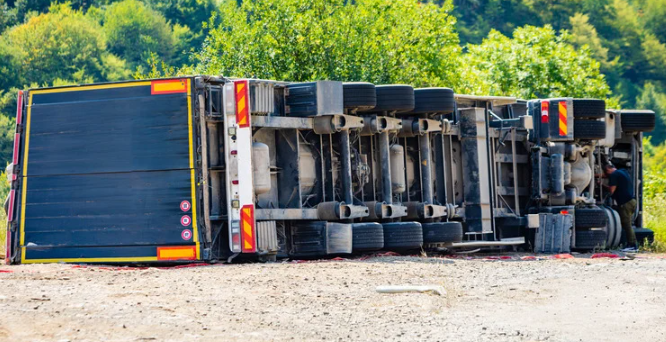
Augusta is a city that blends rich history with modern challenges, and one pressing concern impacting its residents is truck-related accidents. Although significant highways, including busy corridors like the Gordon Highway, facilitate commerce and daily commutes, they also present heightened risks, particularly for those involved in truck and tractor-trailer collisions. In recent years, studies by the National Highway Traffic Safety Administration have indicated that large truck accidents result in a disproportionate number of serious injuries in multi-vehicle collisions, underscoring the urgent need for specialized legal insight.
In Augusta, where truck accidents are compounded by factors such as varying road conditions and crowded urban areas, victims may find themselves entangled in legal complexities unique to Georgia law. For instance, detailed analyses of accident cases often refer to O.C.G.A. § 9-3-33 regarding negligence, alongside statutes like O.C.G.A. § 51-2-10 and O.C.G.A. § 51-2-32 that govern aspects of liability and damages. Additionally, regulatory guidelines from the Federal Motor Carrier Safety Administration (FMCSA) frequently intersect with local legal standards, magnifying the importance of experienced legal counsel when pursuing compensation.
Consider two common scenarios in our community. In one instance, a truck driver may have violated safety protocols near the Augusta Regional Airport, leading to a severe collision. In another example, an accident occurring along the bustling Gordon Highway corridor can leave innocent motorists facing overwhelming medical bills and prolonged recovery. In both situations, the complexity of truck accident cases is evident.
Navigating these intricate cases requires a deep understanding of multiple legal frameworks, including but not limited to:
This introduction sets the stage for understanding how a dedicated truck accident lawyer in Augusta can help accident victims overcome legal obstacles in a system designed to protect their rights.
When facing the aftermath of a truck accident in Augusta, enlisting a specialized truck accident lawyer is essential for safeguarding your rights and ensuring you receive the compensation you deserve. Augusta’s busy corridors, such as the Gordon Highway and areas near downtown, often see heavy commercial traffic. In these environments, even a minor miscalculation can lead to injuries or worse. Experienced legal counsel can help navigate the complexities of local and state laws, including O.C.G.A. § 9-3-33, which governs the liability aspects in commercial vehicle incidents.
A seasoned lawyer not only understands the intricate web of Georgia statutes but also has the investigative resources to rebuild the accident scene. For instance, consider a situation where a semi-truck’s brakes fail on a humid August afternoon near downtown Augusta, causing a cascading collision with several vehicles. In another scenario, a truck loses control while negotiating a sharp curve along Gordon Highway, colliding with a car carrying a family. In both cases, the lawyer’s role is to gather crucial evidence, question witnesses, and analyze surveillance footage—ensuring that every detail is preserved for potential litigation.
The nuances of Georgia law extend further. For example:
By hiring a truck accident lawyer in Augusta, accident victims benefit from local expertise coupled with a refined understanding of these legal intricacies. The attorney’s local presence means they are familiar with the specific challenges of Augusta’s roadways and regulatory landscape, offering a level of insight and advocacy that is vital in securing both a fair settlement and justice for the injured.
Georgia’s truck accident laws are designed to protect accident victims while ensuring fair treatment for all parties involved. In Augusta, where major thoroughfares like Gordon Highway see heavy truck traffic daily, understanding these statutes proves critical. For example, under Georgia law, trucks operating in our state must carry a minimum of $100,000 in liability coverage per person and $300,000 per accident. This requirement provides a foundational level of financial security for those injured in a truck accident.
Georgia follows a modified comparative negligence rule, meaning that even if you are partially at fault, as long as your share of the negligence is less than 50%, you may still recover damages. This principle is vital when evaluating cases where multiple vehicles or errors contribute to an incident. Consider a scenario along the Augusta outskirts where a truck driver neglects proper lane changes, resulting in a multi-vehicle collision, or a situation on the city’s busy intersections where distracted driving by both the truck driver and a passenger vehicle leads to a serious accident. In both cases, the allocation of fault according to laws like the modified comparative negligence rule could significantly affect the compensation awarded.
Several key legal provisions also govern truck accidents in Georgia. For instance:
With truck accident statistics indicating that incidents on major corridors contribute to a significant proportion of severe injuries in Georgia, understanding these laws in detail is essential for protecting your rights and ensuring that victims in Augusta receive the support they deserve.
When investigating truck accidents in Augusta, Georgia, gathering critical evidence can make all the difference in establishing liability. Local collisions, especially along high-traffic corridors like Gordon Highway, require an immediate and methodical approach to evidence collection. Georgia law, particularly statutes like O.C.G.A. § 9-3-33 which addresses post-accident responsibilities, underscores the importance of preserving detailed information from the scene.
Immediately after an incident, obtaining a police report is paramount. This report not only confirms the occurrence of the accident but also details initial observations made by responding officers, which can include skid marks, debris patterns, or vehicle positions – vital physical indicators that help reconstruct the event. For instance, in a recent scenario near downtown Augusta, skid mark analysis was pivotal in determining excessive braking as a factor, while another case on the outskirts of the city relied heavily on vehicle debris distribution to pinpoint the collision’s force and direction.
In addition to physical evidence, witness accounts provide a human perspective that photographs or digital records may not capture. Statements from bystanders or even other drivers can offer insights into a truck driver’s line of sight or behavior prior to the crash. Georgia cases often reference O.C.G.A. § 51-3-4 to assess the negligence or contributory fault of parties involved.
Another critical piece of evidence includes data from the truck’s electronic logging devices and black boxes. Such records offer a time-stamped account of vehicle speed, braking patterns, and even the driver’s activity before the impact. This data is integral in scenarios where mechanical failure or driver fatigue is suspected, and combined with evidence from cell phone records or dash cam footage, it paints a comprehensive picture of the accident circumstances.
Essential categories of evidence include:
Ultimately, a thorough investigation supported by these evidentiary elements not only strengthens a legal case but also aids in holding negligent parties accountable under relevant Georgia statutes such as O.C.G.A. § 40-7-33 and § 40-7-34.
Augusta’s high-traffic corridors have unfortunately become prime locations for truck accidents, and understanding these hotspots is key to both prevention and successful legal recourse. Local data indicates that areas such as Washington Road and Tobacco Road not only see a mix of vehicle types but are also particularly vulnerable to the high-impact nature of truck collisions. For example, the merging lanes on I-20’s Washington Road on-ramps have been documented as accident-prone zones due to design issues, echoing similar concerns raised by the FMCSA regarding merging behavior and driver visibility. In fact, statistics from local studies show that accidents on Washington Road have a higher likelihood of involving large commercial vehicles, contributing significantly to vehicular injuries in the area.
In another scenario, the intersection near Tobacco Road—touted as one of Augusta’s busiest east-west corridors—reports over 50 accidents annually. These collisions often involve trucks on their route through the heart of the city. Such statistics are critical, not only because they underscore the frequency of accidents in these areas, but also because they highlight the unique challenges truck drivers face when navigating tight urban intersections, compounded by the intricate state and local traffic regulations.
Georgia law, including O.C.G.A. § 9-3-33 (which addresses negligence) and related statutes concerning road maintenance and driver responsibilities, play a crucial role in determining liability in these complex cases. A few key points that often emerge in truck accident claims in these hotspots include:
Understanding these local accident hotspots is essential for victims seeking compensation, as it allows legal professionals to align specific facts with applicable statutes and precedents. This informed approach not only strengthens the support for injured parties but also aids in navigating Georgia’s complex legal landscape around truck accidents in Augusta.
Determining liability in Georgia trucking accidents is a multifaceted process that requires a meticulous investigation of every detail surrounding the incident. In Augusta, where busy corridors like Gordon Highway see heavy truck traffic daily, understanding fault involves examining not only the actions of the truck driver but also those of the trucking company, cargo loaders, maintenance contractors, and even brokers. Each party may share responsibility, and pinpointing negligence is vital to securing fair compensation.
Georgia law mandates a thorough investigation using multiple sources of evidence. O.C.G.A. § 9-3-33, for example, outlines the duty of care expected from commercial drivers and companies, while statutes such as O.C.G.A. § 51-2-1 address issues of negligence in vehicular operations. Additionally, adherence to federal regulations set by the FMCSA plays a critical role in determining if regulatory violations—such as improper maintenance or inadequate rest for drivers—contributed to the accident. Another important statute, O.C.G.A. § 40-6-66, reinforces the accountability of those who fail to meet established safety benchmarks, and case law derived from these statutes further assists in unpacking responsibility among multiple parties.
Real-world scenarios illustrate these complexities. In one case, a truck operator in Augusta ignored mandated rest periods, leading to a fatigue-related lapse in judgment on a busy stretch near the Augusta Regional Airport. Investigators relied on duty-of-care standards and electronic logging device data to establish negligence. In another instance, a truck’s brake failure due to poorly maintained equipment resulted in a chain reaction of collisions along the city’s industrial corridors. Here, maintenance records and internal company safety audits were critical in demonstrating non-compliance with O.C.G.A. § 9-3-33 and O.C.G.A. § 40-6-66.
Key factors in determining liability include:
Through this comprehensive approach, legal experts ensure that victims in Augusta receive the representation they deserve while holding responsible parties accountable under the rigorous standards of Georgia law.
Insurance companies play a pivotal role in truck accident cases in Augusta, Georgia, where the impact of a severe crash is felt not only on the highways like Gordon Highway but also throughout our local communities. In the aftermath of an accident, insurers immediately launch their investigation by reviewing police reports, gathering evidence such as dashcam recordings, and speaking with eyewitnesses. This investigation phase often parallels the complexities of Georgia statutes, including O.C.G.A. § 9-3-33, which outlines essential aspects of liability and compensation. Adjusters work to determine fault and assess the liability of the trucking company or its driver, sometimes scrutinizing evidence in ways that may inadvertently delay or diminish rightful claims.
Statistics from the National Highway Traffic Safety Administration (NHTSA) indicate that heavy truck accidents account for a significant number of injuries statewide, with recent studies showing that up to 15% of truck accidents involve misjudgments at high speed. In Augusta, we have seen cases where delayed medical care due to insurance disputes exacerbated injuries sustained on busy roadways. Consider a scenario where a truck driver fails to yield at an intersection near the Augusta Mall, causing a multi-vehicle collision. Here, insurance companies may try to blend the claim with additional factors, such as comparative negligence, to reduce their payout. In another instance, an accident along the Gordon Highway involved a tractor-trailer that veered off course. The ensuing dispute with the insurer centered on whether the driver’s negligence or poor road conditions were primarily responsible—each detail significantly impacting the settlement process.
Insurance companies may use several tactics to protect their interests, including:
Georgia laws, such as O.C.G.A. § 33-9-3 and O.C.G.A. § 51-3-3, further frame the ways in which insurers assess responsibility and compensation. Understanding this legal landscape is crucial for anyone involved in a truck accident in Augusta, as it underscores the need for professional guidance to navigate the often complex interplay between statutory mandates and insurance company tactics.
Augusta truck accident victims may be eligible for a range of compensatory damages designed to alleviate both immediate financial burdens and long-term repercussions. Under Georgia law, notably provisions like O.C.G.A. § 9-3-33 and related statutes, victims can recover for losses incurred due to negligent actions on the part of truck drivers or companies. These claims are built on facts that establish duty, breach, causation, and damages—a process that is carefully navigated by experienced truck accident lawyers in Augusta.
Local incidents along high-traffic corridors such as Gordon Highway and near critical intersections along I-520 have shown that the impact of truck accidents can be devastating, both physically and financially. Statistics from both the FMCSA and NHTSA indicate that truck-related accidents in Georgia frequently result in significant property damage and severe bodily injuries. For instance, one scenario involved a truck veering off the highway and colliding with several vehicles, leading to extensive vehicle damage and over 30 days of hospitalization for multiple victims. In another case, a truck failure near a downtown Augusta intersection resulted in long-term rehabilitation needs and loss of income for the injured party.
In evaluating claims, compensation in Augusta may include:
Additionally, statutes like O.C.G.A. § 51-1-1 and O.C.G.A. § 43-4-69 support these remedies by outlining victims’ rights to pursue full reparation for their damages. In Augusta, where community ties run deep, understanding and pursuing these rights can provide essential relief during challenging times.
Navigating the legal process after a truck accident in Augusta can be daunting, whether you are pursuing a settlement or preparing for a trial. In many cases, parties opt for a settlement to avoid the uncertainty and time commitment associated with court proceedings. Settlements are often negotiated based on detailed evidence, including accident reconstruction, medical records, and eyewitness statements gathered along busy corridors like Gordon Highway. According to recent FMCSA statistics, commercial truck accidents in Georgia have led to significant bodily injury cases, with settlements sometimes ranging from $100,000 to over $500,000.
Truck accident settlements usually start with both sides presenting their evidence. Defense attorneys often reference local Georgia statutes, such as O.C.G.A. § 9-3-33 to define liability and negligence, while statutes like O.C.G.A. § 51-1-2 govern insurance claim procedures and compensation amounts. In practical terms, the settlement process might involve these key steps:
For example, imagine a scenario where a semi-truck fails to yield at an intersection near Uptown Augusta, leading to severe injuries. In another case, a truck overturns on the Gordon Highway due to improper maintenance records, triggering a dispute over liability. In both instances, a settlement might allow victims to receive compensation faster, while a trial could provide a more thorough investigation of the accident circumstances if the insurance companies and responsible parties do not agree on fault.
Understanding these processes and the relevant Georgia laws is crucial for anyone seeking fair compensation after a truck accident in Augusta, ensuring all parties are held accountable through either negotiation or trial.
When selecting an Augusta truck accident lawyer, it is essential to ask targeted questions that reveal the attorney’s expertise in handling cases similar to yours. In Augusta, where truck accidents can occur along busy routes like the Gordon Highway, local knowledge and familiarity with Georgia’s legal landscape are as crucial as a strong track record in court. Given that truck-related crashes account for significant injuries—with the FMCSA estimating serious injuries in up to 20% of these incidents—it becomes important to choose a lawyer who is well-versed in the specialized laws governing these cases, such as O.C.G.A. § 9-3-33 and O.C.G.A. § 9-11-7.
Consider asking the following questions when meeting with potential attorneys:
By exploring these detailed inquiries, you can gauge whether the attorney is not only experienced in truck accident litigation but also attuned to local dynamics and legal nuances in Augusta. Real-world scenarios—whether dealing with catastrophic injuries or disputes over property damage—require an attorney who’s both compassionate and rigorous in enforcing your rights under Georgia’s statutes, ensuring you receive optimal compensation during a challenging time.
Q: How long do I have to file a truck accident claim in Georgia?
A: In Georgia, the statute of limitations for personal injury claims, including truck accidents, is generally two years from the date of the accident as per O.C.G.A. § 9-3-33. It’s crucial to file your claim within this period, or you may lose your right to seek compensation.
Q: What types of compensation can I recover after a truck accident in Augusta, Georgia?
A: Victims of truck accidents in Augusta may be entitled to various types of compensation, including medical expenses, lost wages, pain and suffering, and property damage. Punitive damages might also be awarded in cases where the at-fault party’s actions were particularly reckless or intentional, as outlined in O.C.G.A. § 51-12-5.1.
Q: Is it necessary to hire a truck accident lawyer even if the truck driver or company admits fault?
A: Yes, it is advisable to hire a truck accident lawyer even if fault is admitted. An experienced lawyer can help ensure you receive fair compensation and navigate complex negotiations with insurance companies and other parties involved. They can also help gather evidence and manage legal proceedings to strengthen your case.
Q: What should I do immediately after being involved in a truck accident in Augusta, GA?
A: After a truck accident, prioritize your health by seeking medical attention. Report the accident to the police and gather evidence, such as photographs and witness statements, if it is safe to do so. Contacting a truck accident lawyer promptly can help protect your legal rights and ensure important information is preserved.
Q: How can a lawyer help me with my truck accident claim in Augusta?
A: A truck accident lawyer can assist in various ways, including investigating the accident, collecting evidence, dealing with insurance companies, and negotiating settlements. They also provide legal advice and representation in court, if necessary, to maximize your compensation. Having a lawyer with specific experience in dealing with truck accidents can significantly strengthen your case.
Why Choose T. Madden & Associates, P.C. for Your Case
When it comes to recovering the compensation you deserve after a truck accident, experience and dedication matter more than ever. At T. Madden & Associates, P.C., our thirty-year legacy of success in handling accident cases speaks for itself—with millions recovered in settlements and over 25 years of specialized experience on our side. Terance Madden’s unique background as a former insurance defense lawyer provides invaluable insight, empowering us to anticipate the tactics of trucking companies and their insurers.
Serving Augusta, Georgia, along with Atlanta and major cities throughout the state, our firm is deeply committed to the community we serve. We understand the intricacies of local law and the pressing challenges accident victims face, ensuring personalized guidance at every step of your case. With our proven track record, you can trust us to fight relentlessly for your rights and pursue the maximum compensation you deserve.
If you or a loved one was hurt, don’t wait. The trucking company’s insurers are already building their case—give us an edge by calling for your free consultation today. At T. Madden & Associates, P.C., your recovery is our mission, and we’re ready to stand by your side in court and beyond. Contact us now to put our expertise to work for you.
The following sources were consulted for this article:
https://www.osha.gov/trucking-industry/resources
https://www.fmcsa.dot.gov/ourroads/general-safe-driving-resources
https://www.fmcsa.dot.gov/safety/good-business/safety-resources-business
https://trucksafety.org/resources/
https://www.saif.com/safety-and-health/topics/industry-topics/trucking-safety.html
https://www.sfmic.com/safety/trucking-safety-resources/
https://phxinjurylaw.com/blog/truck-driver-accident-procedures/
https://arxiv.org/abs/2406.13968
Traffic Collision Reconstruction
Vehicle Insurance Requirements
The Difference Between Comprehensive And Collision Insurance

T. Madden & Associates, P.C has an answer for all of your legal questions! We are a Personal Injury firm, so we handle many types of injury cases from auto collisions to wrongful death! If you or someone you know is injured, T. Madden & Associates, P.C. can help.
We are proud to offer free case reviews to anyone who may have questions before getting started. Additionally, if we do take on your case, we promise we won’t charge you a penny unless we recover compensation for your claim.
Please contact our Atlanta attorneys online or by calling 833-PAID-123 to get started today.