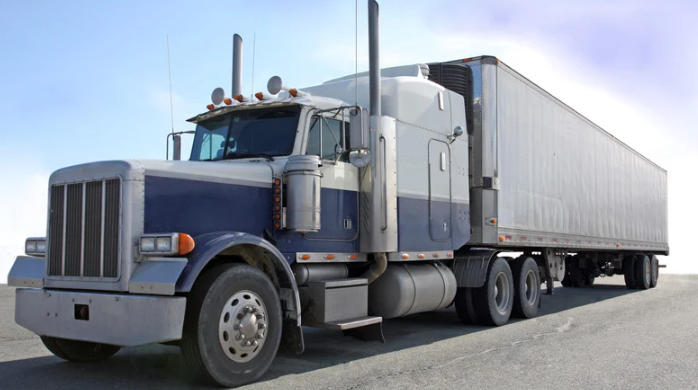
Georgia’s busy highways and urban corridors are no strangers to the disruption caused by 18-wheeler accidents. When faced with the aftermath of such a traumatic event, you might well ask, “Should I call a lawyer after an 18-wheeler accident?” This introduction aims to clarify why seeking experienced legal counsel can be essential for protecting your rights under Georgia law. In cities like Atlanta or along routes such as the Golden Isles Parkway, the severity of truck collisions is magnified by factors like high speeds and large blind spots, often resulting in devastating injuries or significant property damage.
According to recent statistics from the Federal Motor Carrier Safety Administration (FMCSA), large truck accidents account for nearly 4,500 fatalities nationally each year, with Georgia reporting a notable share given its heavy traffic flows.
In one scenario, a driver in Augusta facing long-term medical expenses after sustaining injuries on Gordon Highway found that early legal intervention was crucial in addressing issues like liability disputes and insurance challenges. In another instance, a property owner in Savannah encountered extensive damage from a truck collision, where understanding statutes such as O.C.G.A. § 9-3-33 and related safety standards helped secure rightful compensation.
Georgia law is particularly robust in ensuring that victims of 18-wheeler incidents receive fair treatment, drawing on multiple statutes. For example:
These laws, among others, form a legal framework that emphasizes accountability—from driver conduct to the operational standards of trucking companies. Your case, whether it involves severe physical injury, wrongful death, or extensive property damage, deserves careful handling by an attorney well-versed in these legal provisions and local accident trends. This introduction sets the stage for understanding why expert legal advice isn’t merely an option but a necessary step following an 18-wheeler accident in Georgia.
Georgia has seen firsthand the grave aftermath of 18-wheeler accidents, where the sheer size and momentum of these vehicles can lead to devastating consequences. In many instances, the impact is not limited to just property damage but extends to catastrophic injuries and, tragically, loss of life. For example, in Augusta, along busy corridors like the Gordon Highway, heavy-truck accidents have left families grappling with long-term medical issues and financial burdens.
In another scenario near Atlanta, a truck driver’s fatigue culminated in a multi-vehicle pileup that not only resulted in severe personal injuries for several motorists but also disrupted vital transportation routes.
The statistics speak volumes about the dangers involved. Data from the FMCSA shows that although 18-wheeler incidents are less frequent than regular car accidents, the severity of injuries far exceeds that of typical collisions. Moreover, National Highway Traffic Safety Administration (NHTSA) records reveal that a significant percentage of these accidents involve contributory factors such as driver exhaustion and mechanical failure.
In Georgia, specific laws are designed to address these complex cases. For instance, under O.C.G.A. § 9-3-33, the concept of comparative negligence plays a role in determining the allocation of fault when multiple parties may have contributed to the accident.
Additionally, O.C.G.A. § 51-11-40 outlines the standards for negligence applicable in personal injury claims arising from motor vehicle accidents, which is crucial information when considering litigation. Other pertinent statutes include O.C.G.A. § 51-10-1, O.C.G.A. § 51-4-1, and O.C.G.A. § 51-3-2, which collectively emphasize the duty of care vehicle operators must uphold on our roads.
Understanding these dynamics helps underscore not only the physical and emotional toll of an 18-wheeler accident but also the legal complexities that follow. In Georgia, where busy highways intersect with residential areas, the impact of such incidents extends far beyond the immediate collision site, influencing community safety and legal precedent alike.
When you experience an 18-wheeler accident in Georgia, your first priority should be safety. Immediately after the incident, carefully assess your surroundings and move to a secure location if possible. The safety of you and other involved parties is paramount.
In Augusta, for example, accidents along busy corridors like the Gordon Highway require quick, decisive action due to high traffic volumes. According to FMCSA data, large truck accidents contribute to approximately 4,000 fatalities nationwide each year, and Georgia is not immune to these stark statistics.
Taking prompt action not only protects your well-being but also helps preserve crucial evidence for any potential legal claim. Georgia law, including O.C.G.A. § 9-3-33, mandates that drivers involved in accidents report the incident to local authorities as soon as possible. To streamline your response, consider the following steps:
Consider a scenario near I-75 where a motorist, despite minor injuries, failed to document the accident details and later faced difficulties proving the severity of the incident. In another instance in Atlanta, a driver who secured photographs and witness accounts was better positioned to claim fair compensation.
By promptly following these steps, you not only comply with Georgia statutes but also build a robust foundation for any legal remedy.

Georgia residents who experience an 18-wheeler accident are often confronted with a string of debilitating injuries that can derail daily life and future plans. In cities such as Atlanta or Augusta, where heavy trucking routes frequently traverse busy corridors like the Gordon Highway, the impact of these accidents is felt acutely. Statistics from the FMCSA indicate that nearly 40% of large truck accidents involve severe injuries, emphasizing the gravity and unpredictability of these collisions.
Common injuries resulting from 18-wheeler accidents include traumatic brain injuries, spinal cord damage, and back injuries such as herniated discs. These injuries occur when the force of the collision, whether from a jackknife incident or a rollover, violently compresses the body against the steering wheel or dashboard.
For instance, one case in Savannah involved a motorist who sustained a traumatic brain injury after being struck by debris, while another incident on Interstate 75 resulted in multiple vertebral fractures and chronic pain due to spinal cord injury.
Additional injuries commonly observed in Georgia include:
The state of Georgia imposes strict liability on commercial truck operators, and statutes such as O.C.G.A. § 9-3-33 provide the legal framework for pursuing compensation claims. Furthermore, local courts often reference additional provisions, such as O.C.G.A. § 51-5-2, when determining settlement amounts in personal injury cases resulting from these devastating accidents.
In many cases, the extent of injury is compounded by delayed treatment or the misdiagnosis of injuries like whiplash or internal bleeding, which calls for a thorough medical evaluation after the accident.
Understanding the spectrum of injuries commonly incurred in such incidents in Georgia not only underscores the need for prompt and comprehensive medical treatment but also highlights the importance of consulting legal professionals who can navigate the intricacies of state law on behalf of injured victims.
Georgia’s legal landscape plays a significant role in shaping how 18-wheeler accident claims are handled. For injured parties in Georgia, understanding the interplay between state statutes and federal regulations is crucial. Georgia law imposes a two-year statute of limitations from the date of the accident, meaning that you have a limited window to file a personal injury lawsuit.
This deadline emphasizes the need to secure evidence promptly, especially in complex 18-wheeler accidents where documentating witness statements can fundamentally impact your ability to recover damages.
Local experiences, such as those along busy corridors in Augusta and on highways near Atlanta, underline the severity of incidents involving large trucks. The FMCSA and the NHTSA have reported that truck-related accidents account for a significant portion of roadway incidents—with some studies noting that in high, traffic areas, nearly 10% of all accidents involve large commercial vehicles.
Two common scenarios often seen in Georgia include collisions on congested urban roads and rollovers on rural interstates, both of which require a nuanced understanding of liability and comparative negligence.
Georgia employs a modified comparative negligence rule under O.C.G.A. § 51-12-33, which allows accident victims to seek compensation provided they are less than 50% at fault for the incident. Additionally, statutes such as O.C.G.A. § 9-3-33 help define key aspects of liability distribution in transportation-related accidents, ensuring that even if multiple factors contributed to the crash, there remains a pathway for recovery. In cities like Gainesville and the outskirts of Savannah, these legal protections have provided recourse for countless individuals, underscoring the importance of legal guidance in navigating these claims.
Understanding these statutes and how they interact with both state and federal regulations is essential for accurately assessing your claim. In the wake of an 18-wheeler accident, the provisions of18-wheeleraw directly influence not only the available compensation for injuries and damages but also the strategic approach needed to secure a fair resolution.
Preserving evidence after an 18-wheeler accident in Georgia is crit18-wheelersuring that liability is accurately determined and that your rights are protected. In the immediate aftermath of a collision, time is of the essence. The dynamic nature of the accident scene means that evidence such as skid marks, vehicle positions, roadway conditions, and even eyewitness accounts can rapidly deteriorate or be lost altogether. In busy locales like Augusta, where high-speed truck corridors such as the Gordon Highway see constant traffic, the complexity of an accident makes on-site evidence preservation even more vital.
In Georgia, certain statutes highlight the importance of collecting and maintaining evidence. For instance, O.C.G.A. § 9-3-33 outlines requirements for accident investigations by law enforcement and underscores the use of on-scene proofs in subsequent legal proceedings.
Additionally, statutes like O.C.G.A. § 10-1-393 and O.C.G.A. § 40-5-91 emphasize the responsibilities of drivers and insurers in reporting and documenting accidents for safety and accountability. The admissibility of this evidence in court can further be supported by standards found in cases interpreting O.C.G.A. § 51-3-8 and O.C.G.A. § 11-9-82.
Statistics from the FMCSA and NHTSA demonstrate that truck accidents, although representing a smaller proportion of overall vehicle collisions, often result in severe injuries or fatalities due to the sheer mass and momentum involved. For example, one scenario in suburban Atlanta near I-85 saw an 18-wheeler accident where delayed evid18-wheelerction complicated determining fault, while another incident along a busy corridor in Augusta resulted in clear documentation that established liability from start to finish.
It is advisable to document accident scenes meticulously. Consider these steps:
These actions serve as a cornerstone for building a robust case and are essential in navigating Georgia’s legal landscape following a devastating 18-wheeler accident.
Determining liability in 18-wheeler accidents in Georgia involv18-wheeler-faceted investigation that examines every potential angle of negligence. Georgia’s legal framework, including statutes like O.C.G.A. § 9-3-33 and other related provisions, requires that both driver actions and company responsibilities be scrutinized. This means that in an accident, liability may be spread among the truck driver, the trucking company, or even third-party contractors responsible for vehicle maintenance or loading procedures.
In Georgia, where bustling corridors such as those near I-75 and the Gordon Highway in Augusta see heavy truck traffic, local law enforcement and accident reconstruction experts work diligently to collect pertinent evidence. This evidence can include black box data, telephone records, maintenance logs, and eyewitness testimonies.
For instance, a scenario might involve a truck driver allegedly distracted by a mobile device. In that case, detailed logs and communications records become central to proving negligence. Another common situation may involve improper vehicle maintenance, where service records could reveal that a company’s failure to adhere to safety regulations contributed directly to the accident.
Statistical data from the FMCSA and NHTSA underscore the severity of these incidents; recent reports suggest that truck accidents account for approximately 10% of all fatal collisions in Georgia. These statistics highlight the critical necessity of establishing liability accurately. Moreover, the complexities multiply when multiple parties are involved, necessitating comprehensive legal strategies and deep local knowledge.
Key elements in determining liability often include:
Understanding these elements, combined with Georgia-specific case law and statutes, is crucial for anyone involved in an 18-wheeler accident. A thorough investigation that connects local context with state statutes is essential for ensuring that justice is served and that responsible parties are held accountable.
Trucking companies often employ a variety of tactics to minimize payouts following an 18-wheeler accident, and understanding these strategies is crucial for victims in Georgia. One common technique is delaying investigations or claim processing. Insurance adjusters may intentionally stall, hoping that victims will accept a rushed, lowball offer.
In some cases, like an accident along I-85 near Atlanta, victims have reported weeks of waiting while trucking companies seek to wear down their resolve before a full investigation is conducted, a practice that can directly conflict with the timely filing requirements under O.C.G.A. § 9-11-6.
Another frequent tactic is the offer of a minimal settlement amount. Trucking companies may present an offer that falls well short of the victim’s actual losses, banking on the fact that immediate financial need might force acceptance. For example, following a severe accident on the Gordon Highway near Augusta, one victim accepted a settlement that did not cover ongoing medical expenses—a situation that later became disputed under O.C.G.A. § 9-3-33 regarding fair compensation for personal injury claims.
Trucking companies also engage in blame-shifting, sometimes arguing that the truck driver is not solely responsible or, worse, that the victim contributed to the accident. Such strategies are designed to reduce the liability on record, potentially invoking comparative fault provisions as outlined in O.C.G.A. § 51-2-2.
Moreover, victims may be coerced into giving recorded statements too early in the process, which can later be used against them should their statements be misinterpreted or taken out of context.
Other tactics include misrepresenting the condition and maintenance history of the truck, an approach that can undermine the establishment of negligence. For instance, in a case involving an accident on Georgia’s rural highways, evidence later revealed manipulated records that were initially accepted by the insurance company.
Additionally, some companies may even attempt to intimidate victims by increasing their claim processing fees or implying that pursuing legal action is futile, a subtle approach that often preys on the victim’s emotional and financial vulnerabilities.
Each of these tactics underscores why it is critical to have an experienced attorney who knows not only the common strategies employed by these companies, but also Georgia’s specific statutes like O.C.G.A. § 13-11-1 and other relevant provisions protecting accident victims.
When confronted with an 18-wheeler accident in Georgia, hiring a knowledgeable lawyer can significantly ease the burden while strengthening your case. A seasoned attorney, well-versed in local statutes such as O.C.G.A. § 9-3-33 and O.C.G.A. § 51-27-22, ensures that every aspect of the claim—from accident scene investigation to final settlement—is handled with precision. In metropolitan hubs like Atlanta or along busy corridors such as Gordon Highway near Augusta, understanding regional nuances can make the difference between a fair settlement and prolonged legal battles.
An experienced lawyer will navigate the complex landscape of truck accident liability, where multiple parties might share responsibility, including the truck driver, carrier companies, and even maintenance crews. With trucking accidents in Georgia often resulting in severe injuries and costly medical bills, an attorney can assist in gathering critical evidence and leveraging expert testimonies. Recent data from the FMCSA indicates that tractor-trailer accidents account for approximately 4% of all heavy vehicle crashes nationwide, yet these incidents yield significantly disproportionate losses.
For example, consider a scenario in Macon where a miscalculation in maintenance led to brake failure, or a situation in Savannah where driver fatigue contributed to a multi-vehicle collision; both cases require intricate legal analysis and aggressive representation rooted in current local laws.
Key benefits include:
By engaging a dedicated accident attorney accustomed to Georgia’s legal environment, you not only gain an advocate who understands the intricacies of state laws but also someone who can compassionately guide you through this challenging ordeal.
This proactive legal support is essential for protecting your rights and securing the compensation necessary for recovery and rebuilding your life after a devastating 18-wheeler accident.
When meeting with a lawyer after an 18-wheeler accident in Georgia, it is essential to ask targeted questions that help you understand their expertise and whether they can address the unique challenges of truck accident cases. In Georgia cities like Atlanta or Augusta, where major highways and busy corridors such as the Gordon Highway see significant trucking activity, local knowledge is a major asset. Here are several key inquiries to guide your conversation with a potential attorney:
These questions serve as a foundation to ensure that the lawyer you choose not only understands the intricacies of federal and Georgia-specific laws but can also provide dedicated support during a challenging time.
After an 18-wheeler accident in Georgia, understanding the timeline for filing a lawsuit is crucial for preserving your rights and ensuring that vital evidence is not lost. Immediately following the accident, the first 1–2 weeks are critical for collecting police reports, medical records, and eyewitness accounts, particularly in busy areas such as Augusta along Gordon Highway, where high-traffic intersections can complicate matters. Statistics from the FMCSA indicate that nearly 15% of fatal roadway accidents in Georgia involve commercial trucks, underscoring the importance of a swift and informed response.
During the pre-litigation investigation stage, generally lasting 1–3 months, your attorney will thoroughly analyze liability issues, document damages, and gather additional evidence. This phase is essential in establishing a strong case, especially when dealing with multiple liable parties or complex trucking regulations. In urban centers like Savannah and Macon, where local laws and roadway conditions vary, this detailed investigative work is indispensable.
Georgia law, specifically under O.C.G.A. § 9-3-33, provides that you have two years from the date of the accident to file a personal injury lawsuit. This statute of limitations is strictly enforced by Georgia courts, so it is vital not to delay if you believe you have a valid claim. In some cases, additional time may be granted for filing notice of claim when a government entity is involved—six months for city or county governments and one year for state-level entities.
Once your claim is filed, the discovery process, which usually spans 6–12 months, allows both parties to exchange evidence and prepare for any potential trial. For example, one scenario might involve a driver in Augusta who sustains life-altering injuries requiring lengthy treatment, while another involves a semi-truck accident in the rural outskirts of Macon with clear liability but significant property damage.
Each incident necessitates a customized timeline that your experienced Georgia accident lawyer will help navigate to protect your interests throughout the legal process.
Q: Should I call a lawyer after an 18-wheeler accident in Georgia?
A: Yes, it is advisable to contact a lawyer after an 18-wheeler accident in Georgia, as these cases often involve complex issues such as determining liability, understanding state and federal trucking regulations, and dealing with insurance companies. An experienced attorney can help protect your rights and ensure you receive the compensation you deserve.
Q: What is the statute of limitations for filing a lawsuit after a truck accident in Georgia?
A: In Georgia, the statute of limitations for filing a personal injury lawsuit after a truck accident is generally two years from the date of the accident, as per O.C.G.A. § 9-3-33. It’s important to act within this timeframe to preserve your right to seek compensation.
Q: How can a lawyer help determine fault in an 18-wheeler accident?
A: A lawyer can investigate the accident, gather evidence, and consult with experts to determine liability. They understand state and local laws that may affect your case and will thoroughly assess factors such as driver negligence, vehicle maintenance records, and regulatory compliance.
Q: What types of compensation might I be entitled to after a truck accident in Georgia?
A: You may be entitled to various types of compensation, including medical expenses, lost wages, pain and suffering, and property damage. An attorney can evaluate your specific case and help quantify and pursue these damages on your behalf.
Q: Is it necessary to communicate with the trucking company’s insurance immediately after an accident?
A: It is generally recommended to consult with a lawyer before communicating with the trucking company’s insurance company. Insurance adjusters may attempt to minimize the payout, and an attorney can guide you on how to handle such communications to protect your interests.
When involved in an 18-wheeler accident, every moment counts, and so does choosing the right legal representation. At T. Madden & Associates, P.C., we understand the challenges you face and are committed to fighting for the compensation you deserve. With over 25 years of experience and a proven track record that includes millions recovered in settlements, our expertise makes all the difference in your recovery.
Led by Terance Madden—a former insurance defense lawyer with the insider perspective on how adjusters and insurers build their cases—we bring a unique level of insight to every case. Our firm’s deep roots in Georgia, serving Atlanta and all major cities and counties across the state, ensure that we’re not just well-versed in the law but also intimately connected to the communities we serve.
If you or a loved one has been hurt in an 18-wheeler accident, don’t risk facing the insurers alone. Their legal teams are already at work, and time is of the essence. Take action now by contacting T. Madden & Associates, P.C. for your free consultation—because you deserve the best chance at recovery with an experienced team on your side.
Call us today and let our proven expertise help secure the compensation you deserve.
The following sources were consulted for this article:
The Difference Between Comprehensive And Collision Insurance
General Safe Driving Resources
How To File An Auto Insurance Claim 7486296
Vehicle Insurance Requirements

T. Madden & Associates, P.C has an answer for all of your legal questions! We are a Personal Injury firm, so we handle many types of injury cases from auto collisions to wrongful death! If you or someone you know is injured, T. Madden & Associates, P.C. can help.
We are proud to offer free case reviews to anyone who may have questions before getting started. Additionally, if we do take on your case, we promise we won’t charge you a penny unless we recover compensation for your claim.
Please contact our Atlanta attorneys online or by calling 833-PAID-123 to get started today.