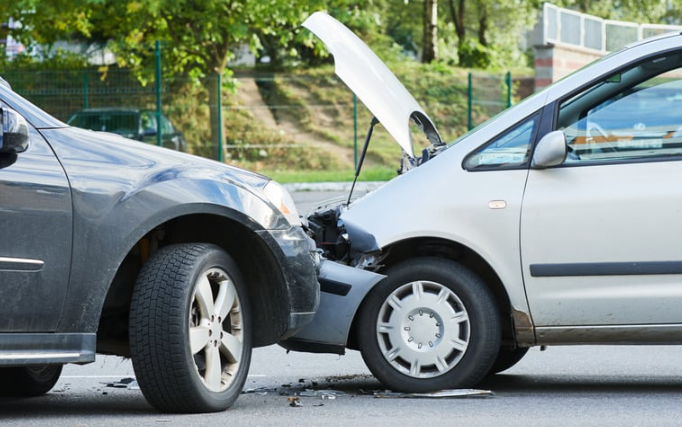
In the sprawling state of Georgia, with its bustling cities and extensive network of highways, the unfortunate reality is that motor vehicle collisions are an everyday occurrence. The Georgia Department of Transportation reported a staggering 1,924 traffic-related fatalities in 2021 alone, a grim reminder of the inherent risks we face on the road.
Beyond these fatalities, countless individuals suffer a wide spectrum of injuries, many of which can have life-altering consequences. The aftermath of a car accident can be a whirlwind of confusion, pain, and financial strain, leaving victims and their families feeling overwhelmed and uncertain about the future.
Understanding the full scope of potential physical and psychological harm is the first step toward navigating the difficult road to recovery. This comprehensive guide will delve into the most prevalent types of injuries sustained in Georgia car accidents, providing crucial information for those who have been affected.
The sudden, violent forces unleashed in a car crash can inflict a devastating toll on the human body. Even seemingly minor fender-benders can result in latent injuries that may not manifest for days or even weeks after the incident. It is for this reason that a thorough medical evaluation is paramount following any type of collision.
The moments after an accident are often chaotic, with adrenaline masking the severity of the harm. However, seeking prompt medical attention can not only safeguard your health but also create a vital record of your injuries, which will be indispensable should you need to pursue a legal claim.
The financial repercussions of a serious accident can be astronomical, with the Georgia Crash Outcomes Data Evaluation System reporting that in 2019, motor vehicle accident hospitalizations and emergency room visits cost a staggering $1.8 billion. These costs, coupled with lost wages and the long-term need for care, can place an immense burden on individuals and families.
This article aims to provide a detailed overview of the most frequent injuries that our firm encounters in the clients we represent. By shedding light on the nature of these injuries, their symptoms, and their potential long-term effects, we hope to empower you with the knowledge necessary to protect your health and your rights.
From the invisible trauma of a brain injury to the chronic pain of a soft tissue tear, we will explore the multifaceted ways in which a car accident can impact a person’s life. It is our belief that an informed client is an empowered client, and it is with this principle in mind that we present this guide.
Among the most severe and life-altering consequences of a car accident are injuries to the head and brain. The immense force generated during a collision can cause the head to jolt violently, leading to the brain striking the inside of the skull. This can result in a traumatic brain injury (TBI), a broad term that encompasses a range of conditions from mild concussions to permanent brain damage.
The Centers for Disease Control and Prevention (CDC) has identified motor vehicle crashes as one of the leading causes of TBIs, with approximately 166 Americans dying from such injuries every day.
A concussion, often considered a “mild” TBI, can have surprisingly significant and lasting effects. Symptoms may include headaches, dizziness, confusion, blurry vision, and difficulty concentrating. While many people recover from a single concussion within a few weeks, some may experience post-concussion syndrome, a condition where symptoms persist for months or even years, profoundly impacting their ability to work and engage in daily activities.
More severe TBIs can lead to intracranial hemorrhaging, or bleeding within the skull, which can be life-threatening if not treated immediately. Penetrative injuries, where an object pierces the skull, are also a horrific possibility in high-impact crashes.
The long-term consequences of a moderate to severe TBI can be devastating. Victims may experience a wide array of cognitive, physical, and emotional challenges. Memory loss, both short-term and long-term, is a common complaint.
Changes in personality, such as increased irritability, mood swings, and depression, can strain relationships with family and friends. In the most severe cases, a TBI can result in a coma, a vegetative state, or even death. The road to recovery from a significant brain injury is often long and arduous, requiring extensive rehabilitation, including physical, occupational, and speech therapy.
The financial cost of this care can be astronomical, and the emotional toll on both the victim and their loved ones is immeasurable.
The neck and back, which form the central axis of the body, are particularly vulnerable in a car accident. The sudden, forceful movement of the head and neck, often likened to the cracking of a whip, can cause a range of soft tissue injuries collectively known as whiplash.
This is especially common in rear-end collisions, where the occupant’s body is thrown forward while their head lags behind, causing the neck to hyperextend. The symptoms of whiplash, which include neck pain and stiffness, headaches, and dizziness, may not appear immediately after the accident.
While many cases of whiplash resolve with conservative treatment, some individuals may experience chronic pain and a reduced range of motion for months or even years.
Beyond whiplash, the spine itself can sustain serious damage in a car accident. The vertebrae, the individual bones that make up the spinal column, can be fractured or dislocated.
A herniated disc occurs when the soft, gel-like center of a spinal disc pushes through a tear in the outer layer, putting pressure on the surrounding nerves. This can cause excruciating pain, numbness, and weakness in the limbs.
In the most severe cases, the spinal cord itself can be damaged. The spinal cord is a bundle of nerves that transmits signals between the brain and the rest of the body. When the spinal cord is compressed, bruised, or severed, these signals can be interrupted, leading to a loss of sensation and motor function below the level of the injury.
A spinal cord injury can result in paraplegia, the paralysis of the lower limbs, or quadriplegia, the paralysis of all four limbs. These are catastrophic injuries that require a lifetime of medical care, including mobility aids, home modifications, and personal assistance.
The emotional and psychological impact of a spinal cord injury is profound, as victims must adapt to a new way of life. The financial cost of this care can easily run into the millions of dollars over a person’s lifetime.
The chest and abdomen house some of the body’s most vital organs, and the blunt force trauma of a car accident can cause a range of life-threatening injuries. One of the most common is a fractured rib.
While a single, simple rib fracture may heal on its own, multiple fractures or a displaced fracture can lead to serious complications, such as a punctured lung or damage to other internal organs. The force of a seatbelt, while essential for preventing ejection from the vehicle, can also cause bruising and fractures to the ribs and sternum.
Internal bleeding is a particularly insidious type of injury because it is not always immediately apparent. A victim may feel fine in the immediate aftermath of an accident, only to collapse later from blood loss. The spleen and liver are two of the most commonly injured organs in the abdomen, and damage to these organs can lead to profuse internal bleeding.
The heart and lungs can also be bruised or torn, leading to a range of cardiovascular and respiratory complications. A punctured lung, also known as a pneumothorax, can cause the lung to collapse, making it difficult or impossible to breathe.
The symptoms of internal bleeding can be subtle at first, including abdominal pain, dizziness, and fainting. This is why it is so crucial to seek a medical evaluation after any car accident, even if you feel fine.
A doctor can perform a physical examination and order imaging tests, such as a CT scan or an ultrasound, to check for internal injuries. Left untreated, internal bleeding can lead to organ failure, shock, and death.

The arms and legs are often the first parts of the body to absorb the force of a collision, leading to a high incidence of limb injuries. Broken bones are a frequent occurrence in car accidents, with the severity ranging from a simple fracture to a compound fracture, where the bone breaks through the skin.
Any bone in the body can be broken in a car accident, but fractures of the arms, legs, and clavicle are particularly common. The healing process for a broken bone can be long and painful, often requiring a cast, a brace, or even surgery to implant plates, screws, or rods to hold the bone in place.
Joints, such as the knees, shoulders, and hips, are also highly susceptible to injury in a car accident. The knee is one of the most commonly injured joints, as it can be forcefully struck against the dashboard or another part of the vehicle’s interior. This can lead to a range of injuries, including a torn meniscus, a ruptured ligament, or a fractured patella (kneecap).
These injuries can cause chronic pain, instability, and a reduced range of motion, and may require surgery to repair. The hips and pelvis can also be dislocated or fractured, particularly in high-impact side collisions.
The long-term consequences of a serious limb injury can be significant. A victim may be left with a permanent limp, a reduced range of motion, or chronic pain. They may be unable to return to their previous job or participate in the hobbies and activities they once enjoyed.
In some cases, a severe limb injury may even necessitate amputation. The road to recovery from a major limb injury often involves extensive physical therapy to regain strength and mobility.
While cuts, scrapes, and bruises are the most visible signs of a car accident, they are often just the tip of the iceberg when it comes to soft tissue injuries. Soft tissues include the muscles, tendons, and ligaments that connect and support the bones and organs. These tissues can be stretched, torn, or ruptured in a car accident, leading to a range of painful and debilitating conditions.
Sprains and strains are two of the most common types of soft tissue injuries. A sprain is a stretch or tear of a ligament, the tough bands of fibrous tissue that connect two bones together in a joint. A strain is a stretch or tear of a muscle or a tendon, the fibrous cords of tissue that connect muscles to bones.
These injuries can cause pain, swelling, and a limited range of motion. While many sprains and strains heal with rest and conservative treatment, some can be severe enough to require surgery.
Deep muscle contusions, or bruises, can also be a source of significant pain and discomfort. A contusion occurs when the muscle fibers are crushed, leading to bleeding and swelling within the muscle. In some cases, a hematoma, or a collection of blood, can form within the muscle, causing a painful lump.
The long-term effects of a severe soft tissue injury can include chronic pain, stiffness, and a reduced range of motion. These injuries can be just as debilitating as a broken bone, and they should not be taken lightly.
The impact of a car accident is not limited to the physical body. The emotional and psychological trauma of such a violent and unexpected event can be just as devastating as any bodily injury. Post-traumatic stress disorder (PTSD) is a serious mental health condition that can develop after a traumatic event like a car accident.
The symptoms of PTSD can include flashbacks, nightmares, and severe anxiety, as well as uncontrollable thoughts about the event. A person with PTSD may avoid situations that remind them of the accident, such as driving or even riding in a car.
Anxiety and depression are also common after a car accident. A victim may feel a constant sense of dread or worry, or they may lose interest in the activities they once enjoyed. They may have difficulty sleeping, concentrating, or making decisions. The emotional toll of a car accident can be exacerbated by the physical pain and financial strain that often accompany it.
The inability to work, the mounting medical bills, and the uncertainty of the future can all contribute to a sense of hopelessness and despair.
It is important to recognize that the psychological and emotional injuries from a car accident are just as real and just as deserving of treatment as the physical injuries. Therapy, counseling, and medication can all be effective in helping a person cope with the emotional aftermath of a traumatic event.
It is also important to have a strong support system of family and friends who can provide comfort and encouragement during this difficult time.
To make sure you get everything that you need and deserve for your situation, it’s important to work with an experienced accident lawyer.
At T. Madden & Associates, P.C., we have years of experience in helping the people of Atlanta recover the compensation they deserve after being injured.
Contact us today: we serve Atlanta and most major cities and counties of Georgia.

T. Madden & Associates, P.C has an answer for all of your legal questions! We are a Personal Injury firm, so we handle many types of injury cases from auto collisions to wrongful death! If you or someone you know is injured, T. Madden & Associates, P.C. can help.
We are proud to offer free case reviews to anyone who may have questions before getting started. Additionally, if we do take on your case, we promise we won’t charge you a penny unless we recover compensation for your claim.
Please contact our Atlanta attorneys online or by calling 833-PAID-123 to get started today.