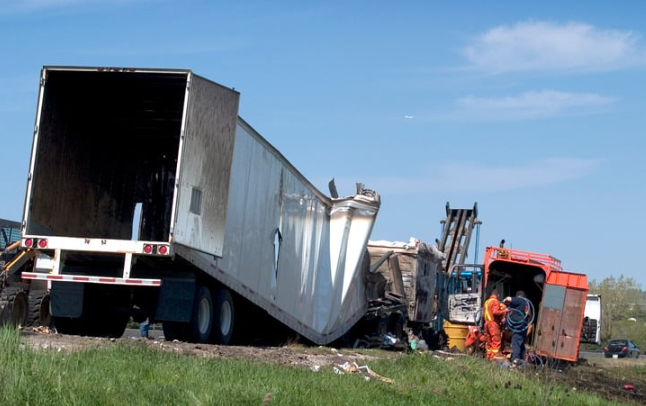
Decatur, Georgia, is a community marked by its vibrant neighborhoods and strong spirit, yet like many busy urban areas, it faces the harsh reality of truck accidents that can upend lives in an instant. Truck accidents, while less frequent than typical vehicle collisions, often result in catastrophic injuries due to the sheer size and weight of commercial trucks.
In recent studies by the National Highway Traffic Safety Administration (NHTSA), nearly 5% of all fatal crashes involve large trucks—a statistic that resonates deeply in communities like Decatur, where busy corridors and transport routes intersect with daily life.
Local truck accidents can emerge from numerous challenging scenarios. For instance, a commercial driver fatigued from long hours on the road might lose control while navigating Decatur’s busy intersections, or a negligent maintenance oversight could result in brake failure on a loaded truck traversing a critical local artery. Both situations underscore the importance of precise legal guidance when it comes to determining liability.
Georgia law provides mechanisms to ensure that victims have access to fair compensation. Statutes such as O.C.G.A. § 51-2-6 help to outline the responsibilities of drivers, while O.C.G.A. § 9-3-33 and related case law shape how comparative fault is handled after a crash. Additionally, trucking companies are held to strict federal guidelines established by the Federal Motor Carrier Safety Administration (FMCSA).
Other statutes, including provisions under O.C.G.A. § 17-4-27 and O.C.G.A. § 14-9-730, outline victim rights and the criteria for claims, particularly in cases with severe injuries or wrongful death.
This introductory discussion sets the stage for exploring how a Decatur personal injury attorney with truck accident expertise can guide victims through the complex web of state and federal regulations. By pinpointing negligence and navigating intricate legal requirements, these specialized lawyers work tirelessly to secure the compensation needed for recovery and rebuilding lives.
Truck accident cases in Decatur present a complex set of challenges that require both acute attention to local nuances and a deep understanding of broader state and federal regulations. In this urban setting—where busy corridors and industrial zones intersect—the repercussions of a truck accident go beyond physical injuries, often involving intricate liability disputes and multiple involved parties.
Local examples include a collision on Route 31 caused by excessive speeding and a rollover incident on I-20 that led to severe injuries, both highlighting how driver fatigue and distracted driving can lead to catastrophic outcomes.
One of the primary challenges is determining responsibility. Unlike passenger vehicle accidents, truck incidents frequently involve not just the truck driver but also trucking companies, maintenance crews, and even third-party dispatchers. In Decatur, where the local transportation infrastructure is continuously evolving, pinpointing the exact moment of negligence can be particularly problematic.
Georgia’s legal statutes, such as O.C.G.A. § 9-3-33, outline the duty of care expected on the roads, yet the reality often demands navigating a maze of liability claims from multiple sources.
Additional hurdles include the rigorous standards set by both the FMCSA and Georgia law. For instance, if a driver’s fatigue is found to have played a role, investigators must sift through detailed logs and electronic records.
Equally, distractions—from malfunctioning equipment to poor road conditions exacerbated by potholes or inadequate signage—can complicate fault determination. Recent data from the FMCSA indicates that nearly 15% of truck-related accidents involve some degree of driver distraction, lending urgency to each case.
Key issues faced in Decatur truck accident litigation might include:
These challenges underscore why Decatur residents must work with legal professionals fully versed in both local traffic conditions and the multifaceted legal landscape surrounding truck accidents.
In Decatur, establishing liability in truck accident cases involves a thorough investigation of the events leading up to the incident. Under Georgia law, particularly O.C.G.A. § 9-3-33, truck drivers owe a duty of care to every motorist.
Proving that this duty was breached requires concrete evidence showing that negligence was the direct cause of your injuries. In many cases, gathering details such as police reports, accident scene photographs, witness statements, and records from the truck’s electronic logging device can be decisive in establishing liability.
For example, consider a scenario in Decatur’s busy city streets: a truck fails to yield at an intersection and collides with a passenger vehicle, causing significant injury. Detailed documentation, including dashcam footage and data from the truck’s driver log, would help prove that the driver violated FMCSA hours-of-service regulations and neglected to exercise proper caution—a violation further supported by statutes like O.C.G.A. § 51-1-17, which outlines standards of care in vehicular operations.
Another scenario might involve a truck with poorly maintained brakes—leading to a catastrophic failure along the perimeter roads outside downtown Decatur. In such instances, maintenance records become essential evidence. Georgia law, including provisions in O.C.G.A. § 51-2-20 and O.C.G.A. § 51-2-19, emphasizes the responsibility of transportation companies to ensure their vehicles are safe and roadworthy.
Key elements to consider when proving liability include:
By meticulously collecting and presenting these types of evidence, Decatur personal injury attorneys can build a compelling case that demonstrates how another party’s negligence directly led to your injuries.
Georgia’s truck accident laws and regulations establish clear guidelines that affect both truck drivers and personal injury claimants throughout the state, including residents of Decatur. State statutes such as O.C.G.A. § 9-3-33 define negligence parameters that are critical when determining liability in truck accidents. In Decatur, where busy local roads intersect with major highways, understanding these regulations becomes essential for accident victims seeking fair compensation.
Truck accidents are subject to strict safety regulations. For example, heavy trucks are not allowed to exceed 80,000 pounds without a special permit, as dictated by Georgia’s commercial vehicle guidelines.
Additionally, driver age requirements—18 years old for intrastate operations and 21 for interstate—are enforced rigorously to ensure safety. Statutes like O.C.G.A. § 51-1-2 and O.C.G.A. § 51-3-2 help regulate operational compliance and driver conduct, respectively.
Recent data from the FMCSA indicates that truck accidents account for a significant portion of severe collisions statewide. For instance, consider a scenario where a commercial truck, while navigating Decatur’s congested downtown streets during rush hour, fails to yield at an intersection and collides with a vehicle. In another scenario, a truck driver, fatigued after a long interstate haul, loses control on a suburban roadway, causing severe injuries and property damage.
In both cases, the 50% comparative negligence rule—an important aspect of Georgia law—ensures that individuals found less than half at fault may recover damages, though any awarded compensation is adjusted in proportion to shared responsibility.
The statute of limitations for filing personal injury claims in truck accident cases is generally two years from the date of the incident, emphasizing the importance of timely legal consultation. Moreover, other statutes, such as O.C.G.A. § 40-11-26, further elaborate on the mitigation of damages and responsibilities of commercial carriers.
This comprehensive legal framework serves to protect the rights of victims and establish accountability, making it imperative for Decatur residents to understand their legal standing after a truck accident.
In Decatur, Georgia, truck accidents create a complex web of challenges that require the expertise of a seasoned personal injury attorney. A Decatur personal injury attorney specializing in truck accident claims understands that these cases are not only about recovering damages, but also about piecing together a detailed narrative of negligence that often involves multiple parties. Given the intricate state and federal regulations that govern trucking operations, having an attorney who is well-versed in local and state law is indispensable.
Local attorneys make it their mission to navigate the maze of regulations, such as O.C.G.A. § 9-3-33, which outlines foundational aspects of negligence, as well as O.C.G.A. § 51-1-14 and O.C.G.A. § 51-9-6 that govern insurance practices and claim procedures. Familiarity with these laws ensures that every claim is built on a solid legal footing.
Additionally, statutes like O.C.G.A. § 51-11-4 and O.C.G.A. § 11-11-27 can be integral when addressing potential issues involving commercial liability and contractual obligations.
A Decatur truck accident claim attorney plays several key roles, including:
Recent statistics from the FMCSA indicate that truck-related accidents account for approximately 5% of all highway incidents, with the NHTSA reporting that nearly 15% of these accidents involve significant commercial negligence.
For instance, one scenario might involve a truck driver in Decatur who disregarded mandatory rest periods, leading to a collision at a busy intersection. Another case might involve improper maintenance by a trucking company resulting in brake failure on a slippery road, compounding injuries for innocent motorists.
The role of your attorney is not only to provide legal representation, but also to offer empathetic support as you navigate the aftermath of a traumatic event. Understanding the unique dynamics of Decatur and the broader Georgia legal landscape, your attorney becomes an indispensable ally in achieving a just outcome.
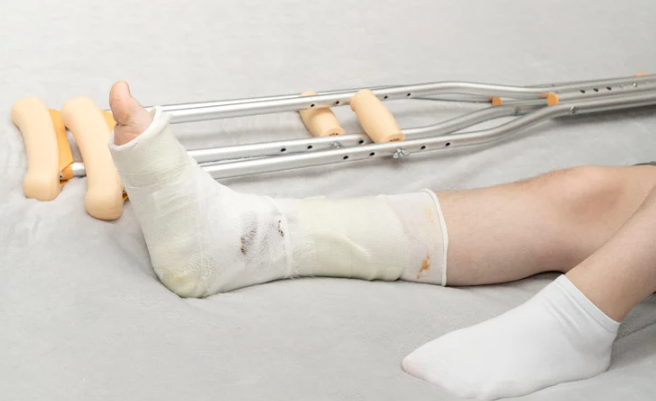
Truck accidents involving large commercial trucks can result in a range of debilitating injuries, each carrying serious short-term and long-term consequences for victims in Decatur and across Georgia. The sheer size and momentum of these vehicles mean that even moderate collisions often lead to significant physical trauma.
According to recent data from the FMCSA and NHTSA, truck accident injuries frequently require prolonged treatment and rehabilitation, impacting victims’ quality of life and their ability to work.
In many cases, Decatur residents suffering from truck accidents experience severe musculoskeletal injuries, including broken bones such as complex fractures or dislocations that may demand surgical intervention. Whiplash is another common injury resulting from the forceful jolt experienced during impact, and symptoms can range from mild discomfort to debilitating neck pain that lasts for months.
Traumatic brain injuries (TBI) are equally concerning. These injuries, which can span from a concussion to more severe brain damage, often have lifelong effects and may not be immediately evident at the scene of the accident due to delayed symptom onset. Internal injuries and lacerations can also occur, sometimes leading to complications like internal bleeding or infections, which further complicate the recovery process.
Common truck accident injuries in Decatur include:
Georgia law, including provisions under O.C.G.A. § 9-3-33, underscores the importance of timely medical evaluations and claims for personal injury, ensuring that victims receive appropriate compensation for their damages. Personal injury claims in Decatur often involve rigorous scrutiny of medical records and accident reports to establish the extent of the injuries sustained.
Victims may also rely on local experts to interpret how state laws, such as those addressing negligence and comparative fault, impact their case, and statistics from federal agencies highlight that even when injuries appear minor at first, their long-term consequences can be substantial.
Gathering evidence after a truck accident in Decatur is essential for constructing a compelling case. When navigating the aftermath of a collision, whether it involves a commercial truck running a red light on Butler Avenue or an unexpected rear-end impact on Church Street, documented evidence can significantly influence your ability to secure fair compensation.
In Georgia, the statutory framework, including O.C.G.A. § 9-3-33 and O.C.G.A. § 51-3-1, underscores the importance of assembling a robust array of evidence. These statutes guide the collection and preservation of facts necessary to prove negligence and liability.
Local accident data indicates that truck collisions in Georgia result in thousands of injuries annually. For instance, statistics from the FMCSA reveal that truck accidents are responsible for nearly 7% of all large-truck incidents nationwide, while the NHTSA reports that over 4,000 such collisions occur each year in our state, highlighting the importance of rapid and accurate evidence collection.
In Decatur, where busy intersections and commercial activity increase accident risks, every piece of evidence matters.
Key steps for gathering evidence include:
Examining these elements with meticulous care is vital when dealing with the complex nature of truck accident cases in Decatur. By building your case on a solid foundation of evidence and understanding the specific statutes that govern personal injury claims in Georgia, you enhance your chances of success in a challenging legal landscape.
In Decatur, Georgia, understanding and adhering to the statute of limitations is crucial when seeking compensation after a truck accident. Under Georgia law, specifically statutes like O.C.G.A. § 9-3-33, personal injury claims generally must be filed within two years from the date of the accident. This strict deadline means that any delay can jeopardize your legal rights, making prompt action essential.
Truck accidents often result in severe injuries and significant financial burdens. According to FMCSA data, truck-related accidents account for nearly 20% of all heavy vehicle incidents nationwide, with NHTSA research indicating that crashes involving commercial trucks frequently lead to longer hospital stays and extended rehabilitation periods.
For example, a truck hauling oversized loads might collide with a passenger vehicle at an intersection in Decatur, leading to complex injuries. Similarly, a scenario on a busy local highway like North McDonough Boulevard, where reduced visibility and high-speed vehicles combine, can exacerbate the severity of an accident.
Due to these high stakes, delays in initiating your lawsuit can result in evidence becoming lost or witnesses’ memories fading, further complicating your case. Additionally, procedural errors could lead to a dismissal of your claim entirely.
Victims must therefore contact an experienced Decatur personal injury attorney immediately to ensure all evidentiary requirements are met and that no critical details are lost over time.
The importance of a timely response cannot be overstated. Key reasons to act promptly include:
By acting swiftly and consulting with a seasoned attorney familiar with the nuances of local Decatur legal proceedings, you protect not just your claim but your future well-being.
Deciding between settling your truck accident case and going to trial involves evaluating multiple factors—each with unique risks and potential rewards. In Decatur, Georgia, where busy corridors and intersections can compound the complexity of truck accidents, understanding these pathways can help you feel more prepared during an already challenging time.
Settling often provides a more predictable outcome, bypassing the considerable uncertainty and expense associated with a trial. Statistics from the FMCSA reveal that truck accidents contribute to over 20% of all commercial vehicle-related injuries nationwide, and Decatur is no stranger to such incidents.
For example, one scenario involves a truck striking a vehicle near North McDonough Street, where time-sensitive medical interventions are critical. In such cases, a settlement can secure compensation for immediate medical bills and lost income, offering peace of mind without enduring prolonged court battles.
By contrast, going to trial may be warranted when settlements fail to fully account for the long-term impact of injuries or when the liable party contests responsibility. Consider a case where a truck accident occurs near Decatur’s historic downtown area, resulting in severe, life-altering injuries.
A trial could potentially recover higher damages, but it typically involves a lengthy process, multiple depositions, and the risk of an unfavorable jury verdict. Moreover, Georgia law under statutes such as O.C.G.A. § 9-3-33 emphasizes meticulous evidence gathering and adherence to strict procedural deadlines, which can further extend the resolution timeline.
When weighing your options, it is essential to consider:
Ultimately, whether you lean toward a settlement or trial, being thoroughly informed about Georgia’s legal framework—and the impact of local dynamics in Decatur—can empower you to make a decision that aligns with both your financial and emotional recovery needs.
Selecting the right Decatur personal injury attorney for your truck accident case begins with evaluating a lawyer’s experience and understanding of both local dynamics and specific state laws. In Decatur’s vibrant community, accidents involving commercial trucks can be particularly complex due to the interplay of municipal traffic patterns and state regulations such as O.C.G.A. § 9-3-33, which governs negligence and liability.
An attorney well-versed in Georgia law can navigate these intricate legal waters while also considering local factors like Decatur’s road conditions and heavy traffic corridors near Ponce de Leon Avenue.
A seasoned attorney will also pay close attention to the severe consequences often witnessed in truck accidents. For example, data from the FMCSA shows that truck accidents can lead to quadruple the injury rate of standard vehicle accidents. In one scenario, the rapid deceleration of a loaded tractor-trailer may result in catastrophic injuries that require immediate medical care and long-term rehabilitation.
In another situation, a collision near Decatur’s commercial areas could lead to extensive property damage and significant financial loss. These cases require legal professionals who understand the importance of gathering expert testimony and reliable accident reconstruction data.
When considering your options, look for an attorney who meets several key criteria:
Thorough research and initial consultations can help ensure you choose someone who not only understands the technicalities of truck accident law but also exhibits empathy and dedication to restoring the lives of accident victims in the greater Decatur and Georgia community.
Q: What is the statute of limitations for filing a truck accident injury claim in Georgia?
A: In Georgia, the statute of limitations for filing a personal injury claim, including those resulting from truck accidents, is generally two years from the date of the accident, as outlined in O.C.G.A. § 9-3-33. It is crucial to file within this timeframe to preserve your right to seek compensation.
Q: How is liability determined in a truck accident case in Decatur, Georgia?
A: Liability in truck accident cases is determined based on who is at fault for the accident. This involves examining evidence such as police reports, witness statements, and expert testimony. Georgia follows a comparative negligence rule as per O.C.G.A. § 51-12-33, meaning that you can still recover damages even if you are partially at fault, as long as you are not 50% or more at fault.
Q: What steps should I take immediately after a truck accident in Decatur?
A: After a truck accident, ensure everyone’s safety and call 911 to report the accident and seek medical attention. Collect evidence at the scene, such as photographs and contact information of witnesses. Avoid admitting fault or making statements about the accident before consulting with an attorney. It’s also important to notify your insurance company promptly.
Q: Can I sue a trucking company for an accident caused by one of their drivers?
A: Yes, you can sue a trucking company if their negligence, such as poor vehicle maintenance or inadequate driver training, contributed to the accident. Under the doctrine of respondeat superior, employers in Georgia can be held responsible for the actions of their employees performed within the scope of employment.
Q: What types of compensation are available for truck accident victims in Georgia?
A: Victims of truck accidents in Georgia may be entitled to various types of compensation, including medical expenses, lost wages, pain and suffering, and property damage. In certain cases, punitive damages may also be awarded under O.C.G.A. § 51-12-5.1 if the defendant’s actions were particularly egregious or reckless.
When it comes to truck accident claims in Decatur, Georgia, you need an experienced legal ally who understands both the complexities of personal injury law and the tactics employed by insurance companies. T. Madden & Associates, P.C. stands out with over 25 years of proven results—millions recovered in settlements for our clients.
Our deep-rooted expertise, sharpened by Terance Madden’s unique experience as a former insurance defense lawyer, gives us unparalleled insight into defending your rights and securing the compensation you deserve.
We know that each case is personal, and our commitment is to ensure you receive the full support you need, whether you’re located in Decatur or any other major city in Georgia, including Atlanta and beyond. Our comprehensive approach to handling truck accident cases means we leave no stone unturned in our pursuit of justice for you.
If you or a loved one has suffered due to a truck accident, don’t wait—time is of the essence. The trucking company’s insurers are already building their case, and every moment counts.
Contact T. Madden & Associates, P.C. today for a free consultation and take the first decisive step toward reclaiming your life. Let our experience work for you, because you deserve nothing less.
The following sources were consulted for this article:
The Difference Between Comprehensive And Collision Insurance
General Safe Driving Resources
How To File An Auto Insurance Claim 7486296
Vehicle Insurance Requirements

T. Madden & Associates, P.C has an answer for all of your legal questions! We are a Personal Injury firm, so we handle many types of injury cases from auto collisions to wrongful death! If you or someone you know is injured, T. Madden & Associates, P.C. can help.
We are proud to offer free case reviews to anyone who may have questions before getting started. Additionally, if we do take on your case, we promise we won’t charge you a penny unless we recover compensation for your claim.
Please contact our Atlanta attorneys online or by calling 833-PAID-123 to get started today.