
A concussion from a car accident can be easy to miss at first. You may walk away thinking you’re okay, only to feel foggy, dizzy, or off hours or days later because a concussion is a type of traumatic brain injury, even a mild one deserves medical attention.
Knowing what to do and what not to do after suffering a concussion can protect your health and prevent long-term problems. It can also matter if you later need to file an insurance or injury claim.
A concussion is a brain injury caused by a sudden jolt or impact. In a car crash, this often happens when the head snaps forward and back, even if you don’t hit anything.
Unlike broken bones, a concussion doesn’t always show up on imaging tests. CT scans and X-rays help rule out bleeding or fractures, but many concussions are diagnosed based on symptoms and neurological exams.
This is why what you do after a concussion from a car accident matters so much, because it can affect how quickly you recover and whether symptoms linger.
Concussion symptoms after a collision can appear right away or develop gradually. Common signs include:
Because symptoms may be delayed, it’s important to get checked even if you feel “mostly fine” at first.
Most people recover fully, but some experience ongoing issues like:
If symptoms persist, additional treatment may be needed. Long-term effects should always be taken seriously.
Do See a Doctor
One of the most important things after a concussion from a car accident is getting medical care right away. A doctor can evaluate your symptoms, rule out more serious injuries, and document your condition.
Early medical records are also critical if your concussion becomes part of an insurance or legal claim.
Do Rest Your Brain and Body
Concussion recovery requires real rest, both physical and mental. This usually means slowing down more than you expect, especially in the first days after the crash.
Avoid:
Giving your brain a break early helps prevent symptoms from getting worse.
Do Follow Medical Instructions Carefully
Your doctor may recommend medication, activity restrictions, or follow-up visits. Every concussion is different. Following instructions closely can shorten recovery time and reduce complications.
Do Track Your Symptoms
Keeping a simple symptom log can be helpful. Write down headaches, dizziness, sleep changes, or concentration issues. This helps doctors adjust treatment and shows how the concussion is affecting daily life.
Do Prioritize Sleep
Sleep is one of the most important parts of concussion recovery after a car crash. Try to maintain a consistent sleep schedule and avoid screens before bed.
Don’t Ignore Delayed Symptoms
Some people assume they’re fine because symptoms didn’t show up immediately. That’s a mistake. Concussion signs after a car wreck can appear days later. If symptoms develop or worsen, contact your doctor.
Don’t Return to Normal Activity Too Quickly
Even if you start to feel better, jumping back into work, exercise, or a busy routine too soon can trigger setbacks. Symptoms often return when the brain is pushed before it’s ready.
Don’t Drive Until You’re Cleared
Reaction time, vision, and focus can all be affected after a concussion. Driving too soon puts you and others at risk.
Don’t Drink Alcohol or Use Drugs
Alcohol can interfere with healing and mask concussion symptoms. Avoid it until your doctor says otherwise.
Don’t Assume a Normal Scan Means You’re Feeling Okay
A normal CT scan does not rule out a concussion. Symptoms matter more than imaging when it comes to brain injuries.
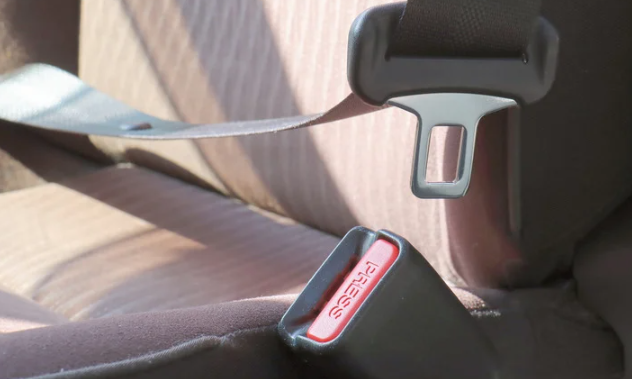
Wearing a seat belt does not prevent all head injuries. In many car accidents, a concussion happens because the sudden stop causes the brain to move forcefully inside the skull, even when the head never hits anything.
Seat belts save lives by restraining the body, but they cannot stop the internal movement of the brain. That is why drivers and passengers can suffer concussions in crashes where there is little visible damage.
If another driver’s negligence caused the collision, a concussion is still a legitimate injury. You do not need an external head wound or loss of consciousness for the injury to be real or compensable.
Some concussions improve quickly. Others don’t. Follow-up appointments help doctors spot lingering issues and adjust treatment if symptoms last longer than expected.
Follow-up care may include:
This matters even more when concussion symptoms continue weeks after a car accident.
Some concussion symptoms are uncomfortable but manageable. Others are warning signs that need emergency care. Seek emergency care right away if you experience:
These can be signs of a more serious brain injury.
Concussions are hard to prove because they don’t show up the way broken bones do. There’s often no cast, no scar, and sometimes no abnormal scan. That’s exactly why medical records matter so much.
Your medical documentation helps connect the dots by showing:
Insurance companies often question concussion claims and suggest symptoms are exaggerated or unrelated to the crash. Consistent medical records make it much harder for them to dismiss what you’re dealing with. They create a clear timeline that shows the concussion came from the accident and continues to impact your life.
Knowing the do’s and don’ts after a concussion from a car accident can protect your health and help prevent long-term problems. Even a mild concussion deserves medical attention, rest, and proper follow-up.
If you’ve been in a car crash and are experiencing headaches, dizziness, confusion, or other concussion symptoms, don’t wait to take action. Early treatment supports recovery and creates the medical record often needed for insurance or legal claims.
If another driver caused the accident, T. Madden & Associates, P.C. can help you understand your options and next steps. Our team works with injured clients across Georgia and offers free consultations so you can get answers without added stress.

T. Madden & Associates, P.C has an answer for all of your legal questions! We are a Personal Injury firm, so we handle many types of injury cases from auto collisions to wrongful death! If you or someone you know is injured, T. Madden & Associates, P.C. can help.
We are proud to offer free case reviews to anyone who may have questions before getting started. Additionally, if we do take on your case, we promise we won’t charge you a penny unless we recover compensation for your claim.
Please contact our Atlanta attorneys online or by calling 833-PAID-123 to get started today.