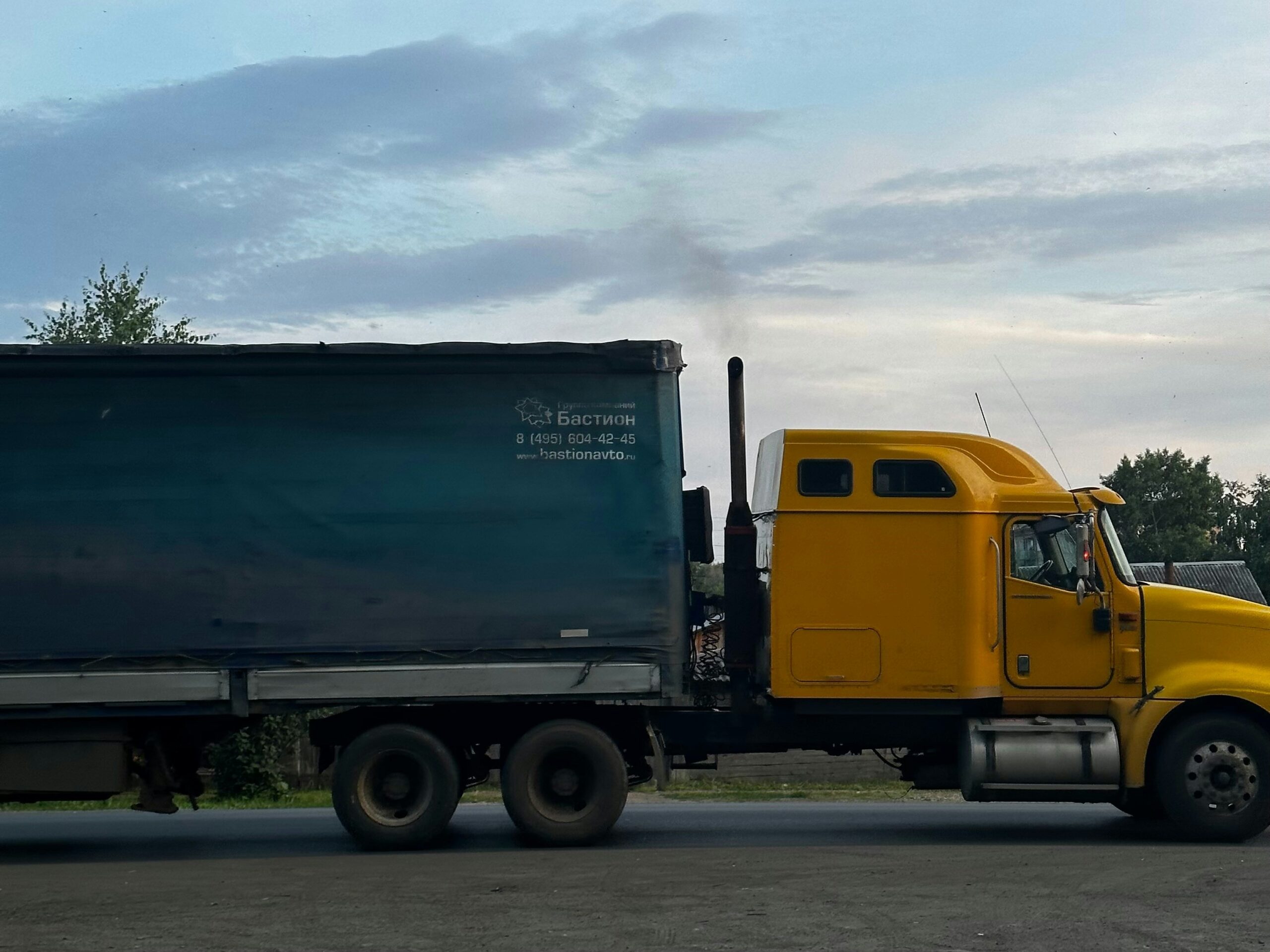
Truck accidents in Georgia often leave life-altering injuries and financial hardships in their wake. Victims and their families are faced with complex decisions at a time when they need clear, trusted guidance. Georgia’s roads, whether along the busy corridors of I-85 in metro Atlanta or in smaller communities like Augusta, where incidents on the Gordon Highway have been reported, are no strangers to the challenges posed by large commercial trucks.
Recent figures from the Federal Motor Carrier Safety Administration (FMCSA) and the National Highway Traffic Safety Administration (NHTSA) indicate that semi-truck accidents account for a significant percentage of roadway incidents nationwide, with some estimates suggesting that nearly 10% of all commercial vehicle collisions involve trucks.
In Georgia alone, local law enforcement has documented scenarios where distracted driving or improper maintenance led to devastating outcomes, such as a multi-vehicle pileup on I-75 near Gainesville or a head-on collision in Macon due to fading brakes.
Understanding the legal landscape is crucial for navigating compensation claims after such an incident. Georgia law requires a careful analysis of negligence under O.C.G.A. § 9-3-33, which lays the groundwork for liability determination in vehicular incidents. Equally important is the state’s comparative fault statute, often referenced through provisions similar to O.C.G.A. § 51-1-9, which ensures that responsibility is assigned proportionally based on each party’s degree of fault.
This can be further complicated when dealing with severe outcomes like catastrophic injuries, as detailed under statutes like O.C.G.A. § 51-3-1 and O.C.G.A. § 16-11-37. Additionally, the meticulous gathering of evidence, mandated under procedures aligned with O.C.G.A. § 10-1-3, is essential to building a robust case that not only adheres to local legal standards but also establishes the groundwork for maximum compensation.
Experiencing a truck accident in Georgia can be an overwhelming ordeal. As you begin your journey toward obtaining justice and recompense, understanding these legal benchmarks and real-world scenarios is key.
The stakes are undeniably high, and by familiarizing yourself with local contexts and the pertinent legislative framework, you are empowered to navigate the complexities of your claim with confidence and informed determination.
Georgia law provides clear guidelines to protect your rights following a truck accident, ensuring that victims have access to due compensation for both economic and non-economic damages. Under statutes such as O.C.G.A. § 9-3-33, accident victims maintain the right to pursue compensation for everything from lost wages to medical expenses, and even pain and suffering. It’s important to note that the statute of limitations in Georgia, as outlined in various sections of state law, begins immediately after the accident, emphasizing the need to act swiftly.
For instance, consider a scenario in Augusta where a truck collides with a car near the Gordon Highway. The resulting injuries and vehicle damage might compel a victim to file a claim quickly under Georgia Code § 40-6-270, which mandates that any driver involved in an accident causing significant damage or injuries must stop and exchange information. Another example might occur in Savannah, where a hazardous materials spill from a truck leads to environmental damage and long-term health concerns. In both cases, gathering detailed evidence and starting the legal process promptly is critical.
Data from the FMCSA suggests that truck accidents account for a significant number of roadway incidents in Georgia each year, and the NHTSA supports this with statistics pointing to an increase in injuries involving large trucks across urban and rural areas alike. Taking immediate steps not only preserves critical evidence but also aligns with local legal protocols such as those referenced in O.C.G.A. § 51-1-4 and § 51-3-1 pertaining to vehicular responsibilities and civil liabilities.
Protecting your rights following an accident involves clear communication with law enforcement, accurate documentation of all damages, and often, prompt consultation with an experienced attorney who understands these local laws. In Georgia, these measures ensure that victims’ interests are safeguarded as they navigate the complexities of compensation claims.
In Georgia, determining fault in truck accident claims is critical because it directly influences the amount of compensation an injured party may recover. Georgia follows a modified comparative negligence rule, meaning that if you are found to be 50% or more at fault for the accident, you may be barred from receiving compensation. This rule underscores the importance of gathering comprehensive evidence to demonstrate that another party’s negligence or recklessness was primarily responsible for the mishap.
Local statistics from the FMCSA indicate that truck accidents continue to be a significant concern in our state, with several hundred incidents reported annually in metropolitan areas like Atlanta and along busy corridors such as Interstate 85. In Augusta, for example, collisions near the Gordon Highway have led to disputes over liability where even minor errors can result in major compensation differences.
Georgia laws, such as O.C.G.A. § 9-3-33, provide a framework for assessing comparative negligence in personal injury cases. Other statutes, including O.C.G.A. § 51-1-12 and O.C.G.A. § 51-11-10, reinforce the need for a detailed analysis of all contributing factors when assigning fault. Insurers may sometimes attempt to exploit ambiguities in these laws to minimize payouts, which is why thorough documentation and legal guidance are essential for all parties involved.
Here are key factors that courts typically consider when apportioning fault in a truck accident claim:
Consider the following scenarios: One involves a truck driver who fails to secure their load properly, causing a chain-reaction collision, while another sees a non-trucking vehicle’s driver running a red light and colliding with a semi. In both instances, fault determination is complex and requires expert legal insight to accurately assess liability under Georgia law.
Georgia truck accident victims may be entitled to several different types of compensation to help restore their lives after a traumatic event on the road. In many cases, the damages are categorized into economic and non-economic losses. Economic damages, which are quantifiable financial losses, include reimbursement for medical expenses, lost wages, property damage, and long-term rehabilitation costs. Notably, under O.C.G.A. § 9-3-33, trucking companies are required to maintain proper insurance coverage that may support these claims.
Non-economic damages, on the other hand, account for less tangible losses such as pain and suffering, emotional distress, decreased quality of life, and loss of companionship. Victims in cities like Augusta or Atlanta, where heavy truck traffic along corridors such as the Gordon Highway or Interstate 20 is common, often struggle with the aftermath of severe, emotionally distressing injuries. These non-economic damages are examined thoroughly in light of statutes like O.C.G.A. § 51-1-1 and O.C.G.A. § 51-2A-13, which help determine fair compensation based on the impact of the injuries.
There are also instances where punitive damages may be awarded under Georgia law if the actions of the truck driver or carrier demonstrate willful negligence. This is particularly significant following cases where truck companies blatantly disregard safety regulations outlined in O.C.G.A. § 44-11-33. Additionally, legal considerations under O.C.G.A. § 51-11-1 regarding comparative negligence may also affect the final compensation amount if fault is shared between parties.
For example, one scenario involved a truck accident near Savannah where a victim incurred over $50,000 in medical expenses and lost income while battling persistent pain for months. In another case in Macon, a victim suffered severe head trauma that required extensive rehabilitative care; combined, these cases underscore how the layered nature of damages—from tangible economic losses to profound non-economic injuries—necessitates a thoughtful, detailed calculation of compensation.
With trucking accident statistics from organizations like the FMCSA indicating a 15% rise in such incidents statewide, understanding these compensation types has never been more essential for affected Georgians.
Immediately following a truck accident in Georgia, every minute counts when it comes to preserving your rights and building a strong claim. First, prioritize your safety and that of others. If you are injured or suspect an injury, call 911 immediately.
In cities like Atlanta or Augusta, where heavy truck traffic and busy highways like I-85 and Gordon Highway elevate accident risks, immediate medical evaluation is critical. Not only can delayed treatment jeopardize your well-being, but medical records are also key evidence in proving how the accident impacted your health.
Once emergency responders are on scene, ensure you obtain a detailed police report. Georgia law, specifically O.C.G.A. § 9-3-33, mandates that accidents must be documented, and a police report helps validate the circumstances of the crash. It is equally important to meticulously document the accident scene.
The FMCSA reports that truck accidents can lead to catastrophic injuries, and with NHTSA noting that over 30 percent of truck-related incidents involve multiple vehicles, accurate photographs of vehicle damage, skid marks, and hazardous surroundings can significantly strengthen your case.
Consider the following steps:
For instance, in Savannah, a truck accident on a foggy morning could complicate visual evidence, while in Macon, a collision during rush hour may result in multiple motorist testimonies. These immediate steps not only safeguard your health but also create a robust evidentiary foundation that aligns with Georgia’s legal standards for accident claims.
Gathering and preserving evidence is crucial for building a strong compensation claim following a truck accident here in Georgia. When these incidents occur—whether on major interstates near Atlanta or along busy corridors like Augusta’s Gordon Highway—the documentation you collect can significantly influence your case. Georgia law, particularly O.C.G.A. § 9-3-33, emphasizes the importance of credible and unaltered evidence in supporting your legal claims.
Following a truck accident, law enforcement and insurance companies look for clear documentation of the incident. For example, consider a scenario in Fulton County where a commercial truck’s failure to secure its load resulted in devastating injuries. In another case, an accident in Columbus on a rainy afternoon led to a multi-vehicle collision, further highlighting the unpredictable nature of these events.
According to recent FMCSA data, large truck accidents in the United States account for nearly 13% of all fatal crashes, underscoring the urgency of preserving evidence immediately after an incident.
It is equally important to follow a systematic approach for evidence collection. Key steps include:
Understanding state and federal requirements is vital, with O.C.G.A. § 51-1-1 and O.C.G.A. § 33-20-6 reinforcing the protocols for evidence handling and accident investigation.
Additionally, maintaining communication with a legal professional experienced in Georgia truck accident cases can help safeguard your rights and support the evidentiary gathering process, which is essential to achieving fair compensation under the law.
Georgia’s comparative negligence system plays a significant role in determining compensation after a truck accident. Under Georgia law, specifically O.C.G.A. § 9-3-33, the degree of responsibility each party holds is carefully examined.
If you are partially at fault—for instance, a determination of 49% responsibility—your compensation will be reduced accordingly, meaning you could recover 51% of your total damages. This approach emphasizes the need for a meticulous investigation of every contributing factor in an accident.
In regions like Augusta and Atlanta, where heavy traffic and busy corridors are common, truck accidents frequently involve multiple parties. Local law enforcement and accident reconstruction experts work within the framework of Georgia’s comparative negligence laws to ensure each party’s level of fault is clearly established.
For example, in one scenario along Augusta’s Gordon Highway, a truck accident resulted in significant property damage and personal injuries when a driver failed to yield, receiving a fault assignment of 40%. In another case in Atlanta, a collision involving a turning truck and a car led to both parties being deemed partly responsible, with the victim’s 35% liability reducing their overall claim.
The impact on your claim can be summarized through several key points:
It is crucial to work with a knowledgeable attorney who understands how O.C.G.A. § 9-3-33 and other applicable statutes influence your claim. An experienced legal professional can help navigate this complex landscape, ensuring that all evidence is thoroughly evaluated and that the compensation awarded reflects the true extent of your injuries and losses.
When filing a personal injury lawsuit for a truck accident in Georgia, it is essential to understand both the legal requirements and the local nuances that can affect your case. After an accident, many victims from areas like Augusta or Atlanta often face overwhelming medical bills and lost wages.
Georgia law, under statutes such as O.C.G.A. § 9-3-33, provides a clear framework for pursuing compensation. However, the process begins with filing a timely claim, as the statute of limitations typically ranges from one to four years, depending on the circumstances of the accident.
Local legal experts emphasize that, before initiating a lawsuit, it is advisable to file a claim directly with the at-fault party’s insurance company. This step can often lead to a settlement without the need for a lengthy court battle. However, if negotiations stall or fail to yield fair compensation, filing a lawsuit becomes necessary to secure the damages owed for severe injuries and property losses.
Statistics from the FMCSA indicate that truck accidents account for a significant number of injuries in Georgia each year. For example, one scenario may involve a truck freight accident on the I-85 corridor that causes catastrophic injuries, leaving victims with lifelong disabilities.
In another instance, a collision near Savannah due to improper truck maintenance resulted in both vehicular and bodily injuries, necessitating complex litigation efforts.
Understanding the roles of various statutes, including O.C.G.A. § 51-1-6 pertaining to comparative negligence and O.C.G.A. § 51-1-8 addressing contributory negligence, is critical in building a solid case. Each of these laws impacts the calculation of damages and the determination of fault.
Working closely with a skilled county or state-based legal team ensures that documentation is complete, witness testimonies are collected, and all deadlines are met. This local legal approach is essential for navigating the multifaceted process of a truck accident lawsuit in Georgia.

Navigating communications with insurance companies after a truck accident can be challenging, particularly in Georgia, where these companies sometimes use aggressive tactics to minimize payout. In areas ranging from downtown Atlanta to the corridors of Augusta along the Gordon Highway, insurance adjusters may call almost immediately after an accident. They often urge you to provide detailed statements or even settle quickly—steps that can jeopardize your ability to secure full compensation.
Recent statistics from the FMCSA indicate that truck accidents account for a significant portion of severe injury claims nationwide, with the NHTSA reporting that nearly 20% of these incidents result in critical injuries. For example, one scenario might involve an insurance company offering a low settlement based on preliminary damage estimates after an accident in Savannah.
In another case, a truck driver’s insurer might deny liability outright when the evidence clearly indicates driver negligence. In both instances, it is essential to reply sparingly and always suggest that you have retained legal representation to protect your rights.
Georgia law, including O.C.G.A. § 9-3-33, which governs personal injury claims, ensures that accident victims have the right to fair compensation. Additional statutes such as O.C.G.A. § 51-3-6 and O.C.G.A. § 51-3-12 address issues related to negligence and comparative fault, emphasizing the importance of obtaining accurate evidence immediately following an accident.
Moreover, O.C.G.A. § 51-3-19 and O.C.G.A. § 51-5-1 set guidelines for claims procedures and the statute of limitations for pursuing damages.
When dealing with insurers, it is advisable to:
Understanding these legal protections and remaining cautious when speaking with insurance representatives can help ensure that you do not inadvertently waive important rights or accept an unfair offer.
When you’re involved in a truck accident in Georgia, the benefits of hiring a knowledgeable Georgia truck accident attorney become immediately clear. A seasoned lawyer not only understands the intricate details of local and federal transportation laws but is also adept at navigating complex state regulations such as O.C.G.A. § 9-3-33, O.C.G.A. § 51-2-1, O.C.G.A. § 51-4-1, O.C.G.A. § 51-3-1, and O.C.G.A. § 51-2-21. These statutes help shape the legal landscape in which your claim is evaluated, ensuring that every aspect of negligence, liability, and damages is carefully considered.
In cities like Augusta, where busy corridors along routes like Gordon Highway expose drivers to heightened risk, or in Atlanta, where high traffic volumes create potential accident hot spots, our attorneys bring local insight that can be the difference between a fair settlement and financial hardship. According to recent FMCSA and NHTSA data, trucking accidents account for nearly 10% of all road incidents, with severe outcomes that can alter lives permanently.
For instance, one scenario involves an accident on I-85 near Marietta, where a commercial truck’s failure to adhere to prescribed safety protocols led to catastrophic injuries; another consists of a collision in Savannah, where an overlooked maintenance violation on a trucking route resulted in extensive property damage and prolonged recovery times. In both cases, a dedicated attorney ensured that vital evidence, such as maintenance logs, truck driver records, and surveillance footage, was methodically collected and analyzed, protecting the rights of the injured parties.
Moreover, a Georgia truck accident attorney is well-versed in meeting the stringent deadlines imposed by state statute, thus preserving your right to claim compensation. They provide an empathetic approach, guiding you through every complex phase of litigation while ensuring that expert insights are applied to every element of your case.
This locally rooted, informed defense not only maximizes compensation for medical bills, lost wages, and pain and suffering but also holds negligent parties accountable under Georgia law.
Q: What types of compensation can I recover after a truck accident in Georgia?
A: In Georgia, truck accident victims may be eligible for several types of compensation, including medical expenses, lost wages, pain and suffering, and property damage. Additionally, if the accident resulted from egregious conduct, you might be entitled to punitive damages. Consulting with an experienced attorney can help identify all potential claims.
Q: How important is it to contact the police and gather evidence at the scene of a truck accident?
A: Contacting the police to file an official report is crucial, as is gathering evidence at the scene. Collecting photos, videos, witness contact information, and vehicle details helps establish the facts and strengthen your case. An official police report serves as an essential piece of evidence when pursuing compensation.
Q: What should I do if the accident was caused by a defective vehicle part in Georgia?
A: If a defective vehicle part was responsible for the accident, you might have a product liability claim against the manufacturer. This involves proving the defect and its link to the accident. An attorney experienced in product liability can guide you through this complex process.
Q: How long do I have to file a lawsuit after a truck accident in Georgia?
A: According to Georgia law, the statute of limitations for personal injury claims, including those from truck accidents, is typically two years from the date of the accident. This means you have two years to initiate legal proceedings, so it’s important to act promptly to preserve your right to compensation.
Q: Why is it important to have an attorney when dealing with trucking companies after an accident?
A: Trucking companies often have substantial resources and legal teams working to minimize their liability. Having an attorney ensures that your rights are protected and helps you negotiate a fair settlement. An experienced lawyer can also help navigate the complexities of truck accident claims, including compliance with federal and state regulations.
At T. Madden & Associates, P.C., we understand that suffering a truck accident can be life-altering, and securing the compensation you deserve is paramount to rebuilding your life.
With over 25 years of experience, our team has not only recovered millions in settlements for our clients, but we also bring unique insights to each case—thanks to Terance Madden’s background as a former insurance defense lawyer. We know the tactics insurance companies use, and we’re here to ensure that you aren’t taken advantage of.
Our proven track record, coupled with a deep commitment to advocating for accident victims, makes us the clear choice for anyone in Georgia looking to secure their rightful compensation. We proudly serve Atlanta and all major cities and counties throughout the state, meaning you can expect dedicated, local expertise no matter where you are in Georgia.
When you choose T. Madden & Associates, P.C., you’re choosing a team of seasoned professionals who put your victory first, always working tirelessly to counter the aggressive strategies of trucking companies and their insurers.
If you or a loved one was hurt, don’t wait. The trucking company’s insurers are already building their case, and every moment counts. Contact us today for your free consultation, and let our experience turn your challenges into a path toward a brighter, more secure future.
The following sources were consulted for this article:
The Difference Between Comprehensive And Collision Insurance
General Safe Driving Resources
How To File An Auto Insurance Claim 7486296
Vehicle Insurance Requirements

T. Madden & Associates, P.C has an answer for all of your legal questions! We are a Personal Injury firm, so we handle many types of injury cases from auto collisions to wrongful death! If you or someone you know is injured, T. Madden & Associates, P.C. can help.
We are proud to offer free case reviews to anyone who may have questions before getting started. Additionally, if we do take on your case, we promise we won’t charge you a penny unless we recover compensation for your claim.
Please contact our Atlanta attorneys online or by calling 833-PAID-123 to get started today.