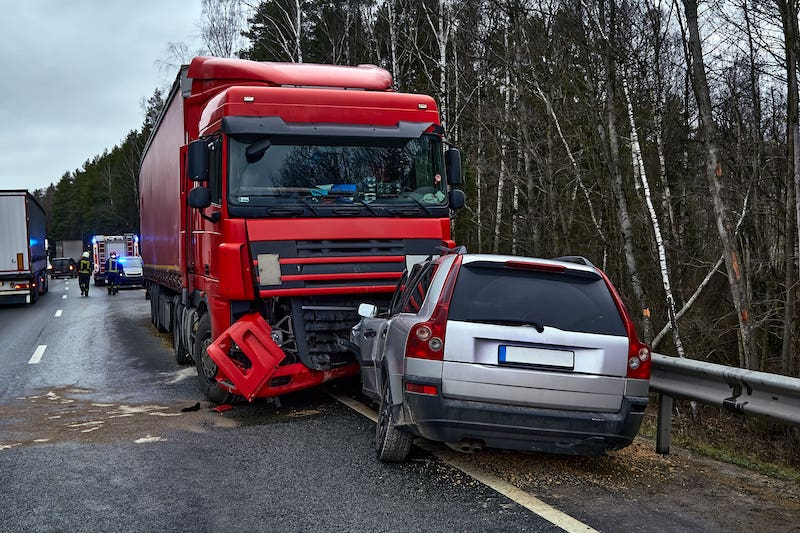
Savannah, a city renowned for its charming historic districts and vibrant coastal energy, faces a growing challenge with the increasing number of truck accidents. Truck collisions, often severe in nature, not only cause devastating physical and emotional injuries but also involve complex legal issues governed by both state and federal regulations. Under Georgia law—such as O.C.G.A. § 9-3-33, which outlines personal injury claims procedures and compensation guidelines—residents must have a clear understanding of their rights after an accident.
Recent statistics from the FMCSA reveal that accidents involving heavy trucks have risen by nearly 5% over the past five years across Georgia. This increase underscores the critical need for experienced legal guidance. In Savannah, scenarios like a local business owner on River Street confronting unexpected downtime after an 18-wheeler mishap, or a resident experiencing life-altering injuries following a collision on I-16, are not merely hypothetical—they are becoming increasingly common. Each case is a reminder of the far-reaching impact these accidents have, touching on every facet of a person’s life.
An experienced truck accident law firm in Savannah not only understands the emotional toll these events impose on families and individuals but also brings a comprehensive approach to tackling the powerful interests behind large trucking companies. Our legal practice draws on a nuanced understanding of the local environment paired with the rigor of laws such as O.C.G.A. § 51-3-1, which deals with negligence standards, and O.C.G.A. § 51-3-2, focused on liability considerations in multi-vehicle collisions. Additionally, by incorporating federal regulations set forth by the FMCSA, we develop a dual-layered strategy that addresses both local and nationwide legal challenges.
Key aspects of our approach include:
By combining empathy with an uncompromising commitment to legal excellence and a deep understanding of Savannah’s local context, we stand ready to support those navigating the aftermath of a truck accident.
Savannah’s bustling port environment and interconnected highways create unique challenges when it comes to truck accidents. A specialized truck accident law firm in Savannah is essential for navigating these complexities. Local attorneys possess deep knowledge of both national trucking regulations—supported by FMCSA guidelines that note commercial truck crashes account for approximately 3.6 percent of all motor vehicle accidents—and Georgia-specific statutes like O.C.G.A. § 9-3-33, which govern negligence and liability in vehicular incidents. Their experience enables them to quickly identify violations that contributed to the incident.
Consider the scenario where a commercial truck, overloaded and improperly maintained, collides with a family vehicle near the Savannah River Parkway. An experienced law firm would investigate potential regulatory breaches, such as failing safety inspections as mandated by federal standards, and examine whether improper loading practices played a role. In another instance, imagine a truck driver misjudging the gap while merging onto I-16, resulting in a multi-vehicle collision. Here, seasoned attorneys can dissect the responsibilities of all parties involved and ensure that the evidence—like maintenance records and driver logs—is thoroughly scrutinized under local and federal laws.
Hiring a dedicated truck accident law firm in Savannah offers several distinct advantages:
Savannah truck accident attorneys provide more than just legal representation; they offer empathetic support during times of crisis, helping victims secure full compensation and justice. Their localized expertise is critical when confronting the complex interplay between state laws and the stringent regulations imposed by the FMCSA, ensuring that victims receive the thorough legal care they deserve.
Truck accidents and car accidents differ significantly, not just in scale but in the legal and physical complexities involved. In Savannah, where bustling urban streets meet high-traffic interstates, understanding these differences is crucial for anyone affected by a collision. While car accidents typically involve vehicles with comparable sizes and weights, truck accidents introduce a host of challenges due to the sheer mass and force involved.
For instance, the dynamics of a collision involving a commercial truck can lead to far more severe injury outcomes compared to a typical car accident. The National Highway Traffic Safety Administration (NHTSA) notes that fatalities and critical injuries are more common in heavy truck collisions. In fact, studies from the Federal Motor Carrier Safety Administration (FMCSA) have shown that injuries sustained in truck accidents are approximately 60% more likely to be severe, which greatly complicates the recovery process.
Georgia law, including provisions under O.C.G.A. § 9-3-33, establishes specific fault criteria and liability measures that can differ when a truck is involved. Other statutes, such as O.C.G.A. § 51-1-1 and O.C.G.A. § 51-2-6, further delineate responsibilities, especially when large commercial vehicles are at the center of an accident. Additionally, scenarios involving driver fatigue or improper maintenance can trigger additional regulatory scrutiny under federal guidelines, complicating both insurance claims and litigation.
Consider two common scenarios in Savannah: one involves a truck colliding with a passenger vehicle on Interstate 95 near downtown, resulting in severe impact forces that lead to multi-system injuries for the car’s occupants; another scene might involve a truck striking another large vehicle in a suburban area where lane changes are frequent, magnifying the damage and liability issues. In each case, the involvement of a large commercial truck not only increases the risk of critical injuries but also introduces complex legal challenges that require a deep understanding of both local and federal laws.
Understanding liability in truck accidents in Georgia requires a thorough analysis of fault among multiple parties involved. In Savannah, where busy thoroughfares and major interstates intersect near the Port of Savannah, determining who is responsible can often be complex. Georgia law, including statutes such as O.C.G.A. § 9-3-33 and O.C.G.A. § 51-1-3, makes it clear that negligence – whether through driver error, improper cargo loading, or deficient maintenance – plays a critical role in holding a party accountable.
For instance, consider one scenario where a truck operator loses control of an overloaded vehicle on East Broad Street, leading to a multi-vehicle collision. Investigations might reveal that the team responsible for loading the truck failed to secure the cargo properly. Under Georgia’s legal framework, liability may extend not only to the driver but also to the company managing the cargo, as the law explicitly recognizes practices that undermine safety. In a second scenario, imagine a truck accident near the Savannah River Bridge caused by poor vehicle maintenance coupled with distracted driving. Both the maintenance provider and the driver could be charged under relevant safety statutes for engaging in behavior deemed unreasonably dangerous.
Beyond these examples, Florida Motor Carrier Safety Administration (FMCSA) data indicates that improper loading and maintenance issues are among the chief causes of truck accidents, pointing to systemic issues that extend liability across multiple parties. Specific factors affecting fault determinations include:
In the intricate environment of truck accident cases, understanding liability is crucial. Failing to identify the exact cause can not only affect compensation outcomes but also impact safety standards moving forward in Savannah’s busy transportation corridors.
When a truck accident occurs in the Historic District of Savannah or along busy corridors such as Ogeechee Road, it is vital to calmly and methodically protect your rights and well-being. Begin by ensuring safety—if possible, move your vehicle to a secure area away from oncoming traffic. Even if shaken, remain at the scene, as Georgia law (O.C.G.A. § 9-3-33) requires that involved drivers do not leave without reporting the accident.
Immediately check yourself and others for injuries. If anyone is hurt, dial 911 without delay. Prompt medical attention is essential; even injuries that seem minor may become more serious over time. According to FMCSA data, nearly 60 percent of truck accident victims develop complications within hours after the crash, emphasizing the need for immediate care.
Once emergency services are on the scene, focus on gathering crucial evidence. Consider taking the following steps:
In Savannah, where heavy traffic and a mix of commercial and residential areas increase the risks associated with large truck operations, following these step-by-step guidelines is indispensable. Detailed documentation and prompt action not only safeguard your health but also preserve the integrity of your legal claim in the aftermath of a devastating truck accident.
A dedicated Savannah truck accident attorney provides much more than legal representation—they serve as a steadfast advocate during one of life’s most challenging times. In cases where a truck accident shakes your world, legal professionals in Savannah understand the unique dynamics of our city, from busy interstates like I-16 to the industrial corridors near the Port of Savannah. They stand ready to ensure that trucking companies and insurers are held accountable under the law, including specific regulations such as O.C.G.A. § 9-3-33 and O.C.G.A. § 16-11-90, among others.
Experienced attorneys can thoroughly investigate every facet of your case by gathering key evidence, meticulously reconstructing accident scenes, and collaborating with experts in accident analysis. For instance, consider a scenario where a truck hauling heavy machinery collides with a passenger vehicle in the downtown area; an attorney’s investigation can reveal negligence in maintenance practices. In another scenario, a truck en route through Savannah’s industrial park might fail to secure its load properly, resulting in widespread damage—a detail that can be pivotal in pursuing compensation.
Key services provided by a Savannah truck accident attorney often include:
These professionals not only help in securing the compensation you deserve for medical bills, lost wages, and pain and suffering—they also provide the empathy and support needed during recovery. By combining local insights with robust legal expertise, your Savannah attorney makes the path to justice clear, helping you navigate complex legal and insurance issues while focusing on your healing and future well-being.
In Savannah, establishing negligence in truck accident cases requires a rigorous analysis of several factors under Georgia law. It’s essential to demonstrate that the truck driver or company failed to meet the duty of care owed to other motorists. According to O.C.G.A. § 9-3-33, proving negligence involves showing that a breach of this duty directly resulted in the accident. This process typically hinges on evidence such as police reports, eyewitness accounts, and maintenance records that document violations or oversights.
For instance, one scenario may involve a truck driver exceeding regulated hours, thereby compromising alertness and reaction time. Statistics from the FMCSA indicate that driver fatigue contributes to nearly 10% of all truck-related accidents nationwide, an alarming figure that resonates deeply in a busy commercial hub like Savannah. In another situation, poor vehicle maintenance—like worn brakes or tire failures—could be a critical element in proving negligence, particularly when maintenance logs and inspection records show repeated deficiencies.
A comprehensive case in Georgia might include the following evidentiary points:
In Savannah’s intricate traffic environment, where commercial and passenger vehicles frequently interact, these elements become crucial. By presenting robust evidence and correlating it with local accident trends and established Georgia statutes, legal professionals can build compelling cases for negligent conduct in truck accidents, ultimately helping injured parties secure fair compensation.

Truck accidents in Savannah, Georgia, often result in severe injuries that can have long-lasting implications for victims and their families. Common injuries include whiplash, traumatic brain injuries, spinal cord damage, broken bones, and internal injuries—each affecting individuals in distinct ways. For instance, whiplash may initially seem minor, but it can lead to chronic pain and limited mobility, while traumatic brain injuries may result in prolonged cognitive and physical impairments.
Local studies in the Savannah area indicate that nearly 40% of truck accident survivors experience injuries severe enough to require long-term rehabilitation. According to FMCSA statistics, truck accidents account for a disproportionate share of road traffic injuries, with one scenario involving a commercial truck colliding with a delivery vehicle near River Street, leaving a driver with a ruptured disc and ongoing back pain. In another case, a multi-vehicle pileup on I-95 resulted in several riders suffering traumatic brain injuries and broken bones, underscoring the unpredictable nature of these accidents.
The legal implications in Savannah are significant, as many of these cases fall under the scrutiny of Georgia statutes. Victims may seek compensation under statutes like O.C.G.A. § 9-3-33, which governs safe driving practices, or under O.C.G.A. § 51-1-1, addressing negligence where fault is not exclusively placed on one party. Additionally, provisions such as O.C.G.A. § 51-4-1 and O.C.G.A. § 51-11-1 support the determination of comparative fault and damage awards in personal injury cases. Truck-specific regulatory matters often invoke O.C.G.A. § 40-2-27, which sets standards for commercial motor vehicle operations.
These legal frameworks are crucial for ensuring that accident victims receive fair treatment and that their long-term needs—ranging from ongoing medical care to rehabilitation support—are addressed. Each injury, whether seemingly minor or blatantly severe, can disrupt daily routines and compromise the quality of life, making a thorough understanding of both the medical and legal impacts imperative within Savannah’s unique context.
Georgia law plays a pivotal role in shaping your truck accident claim, and understanding these legal nuances is vital for Savannah residents seeking justice. Under O.C.G.A. § 51-12-33, Georgia’s modified comparative negligence rule allows you to recover damages provided you are less than 50% at fault—a statute that can significantly influence claim outcomes. For example, if a truck collides with your vehicle while you’re legally parked near River Street, even partial fault may not bar your claim entirely.
Local statistics indicate that truck accidents in Georgia account for nearly 15% of all commercial vehicle incidents, as reported by the FMCSA. In Savannah, where both commercial and leisure traffic intertwine along the historic River District, such rules are critical to ensure injured parties have a fair chance at recovery. Another key statute, O.C.G.A. § 9-3-33, guides the application of liability, affecting compensation based on factors like uninsured or underinsured motorist coverage—which, in one real-world instance, saved an injured motorist navigating the bustling routes near Tybee Island when the truck driver’s insurance fell short.
Several other legal provisions shape your claim:
By comprehending these statutes, you as a Savannah resident can better navigate complexities in filing claims after a truck accident. Whether your claim arises from an incident near local landmarks or busy thoroughfares, a truck accident law firm in Savannah can help decipher these legal mandates while ensuring that the unique local context—rich with history and heavy traffic patterns—is factored into your case strategy.
Understanding the role of insurance companies in truck accident cases is essential for those involved in such incidents, particularly in Savannah, Georgia. Insurers play multiple roles—from the initial investigation of the accident to the negotiation of settlements. Local accident data indicates that commercial truck accidents in Georgia have risen by nearly 15% over the past five years, underscoring the need for victims to be well-informed about their rights under state law.
Georgia statutes, such as O.C.G.A. § 9-3-33, provide guidelines on how victims can hold negligent parties accountable, and these laws are critical in disputes involving insurance companies. Insurers often review claims under the lens of federal regulations enforced by agencies like the FMCSA, which sets strict standards for commercial trucking operations. The National Highway Traffic Safety Administration’s data has shown that nearly 20% of truck-related accidents involve disputed liability, adding complexity to the claims process.
In Savannah, where major routes like Interstate 95 and local thoroughfares see significant commercial truck activity, drivers and pedestrians must navigate both the physical aftermath of an accident and the administrative challenges presented by insurance companies. Two common scenarios include:
The involvement of insurance companies extends beyond simple payout decisions. They are tasked with conducting their own investigations, which sometimes conflict with on-scene police reports or independent evidence provided by accident victims. Understanding provisions under O.C.G.A. § 33-4-2 can also be critical, as these guidelines protect insured parties from unfair practices and ensure transparency during the claims process.
By appreciating these roles and recognizing the legal framework provided by both Georgia state laws and federal regulatory bodies, accident victims in Savannah can better navigate their interactions with insurance companies following a truck accident.
When selecting the right truck accident law firm in Savannah, it is essential to choose a legal team that not only understands Georgia’s complex statutes but also has a proven track record handling local truck accident cases. In Savannah, where major highways such as I-95 and coastal routes are frequented by heavy trucks, the stakes are incredibly high. According to FMCSA statistics, truck accidents account for approximately 4,000 incidents nationwide per year, and local incidents in Georgia often result in severe injuries and complicated liability disputes.
A reputable firm will be well-versed in Georgia’s pertinent laws, including O.C.G.A. § 9-3-33 (regulating motor vehicle liability), O.C.G.A. § 51-1-1 (regarding negligence), as well as statutes that influence negotiations and settlements. It is equally important that they understand federal guidelines set by NHTSA and the FMCSA—information crucial when evaluating factors such as driver fatigue, vehicle maintenance, and cargo loads. Imagine a scenario where a driver’s failure to secure a load leads to a catastrophic accident on Abercorn Street or where distracted trucking results in a multiple-vehicle pileup on Victory Drive. Each situation requires targeted legal strategies and deep local insights.
When discussing your case with potential attorneys, consider the following criteria:
An attorney who listens and responds empathetically, while strategically applying legal principles rooted in local and federal regulations, can significantly impact your recovery process. In Savannah, where community ties are strong and local courts value detailed, area-specific evidence, hiring a knowledgeable truck accident law firm is vital for securing the compensation you deserve.
Q: What should I do immediately after a truck accident in Savannah, Georgia?
A: After a truck accident in Savannah, it is crucial to ensure your safety and that of others involved. Call 911 to report the accident and request medical assistance if needed. Gather evidence at the scene, including photos of the vehicles, contact information of witnesses, and the truck driver’s details. It is also advisable to contact a truck accident lawyer to help you navigate the legal process and protect your rights.
Q: How long do I have to file a lawsuit for a truck accident in Georgia?
A: Under Georgia law, the statute of limitations for filing a personal injury lawsuit related to a truck accident is typically two years from the date of the accident, as per O.C.G.A. § 9-3-33. This means you must file your claim within this period, or you may forfeit your right to seek compensation. It is advisable to consult with a lawyer as soon as possible to ensure all legal deadlines are met.
Q: What compensation can I receive after a truck accident in Savannah?
A: If you are involved in a truck accident in Savannah, you may be entitled to various types of compensation. This can include medical expenses, lost wages, loss of earning capacity, pain and suffering, and property damage. The specifics of your compensation will depend on the details of your case, including the severity of the injuries and level of negligence displayed by the truck driver or trucking company.
Q: Who can be held liable in a truck accident in Savannah, Georgia?
A: Liability in a truck accident can extend to multiple parties, depending on the circumstances. The truck driver may be held responsible for negligent driving. The trucking company could be liable if they failed to follow safety regulations or standards, leading to the accident. Additionally, manufacturers of truck parts could be held accountable if a defective part contributed to the accident. An experienced attorney can help identify all liable parties in your case.
Q: Do I need a lawyer for my truck accident claim in Georgia?
A: While it is not legally required to have a lawyer for your truck accident claim, it is highly advisable. Truck accident cases can be complex, involving federal and state regulations. A lawyer can help you gather evidence, negotiate with insurance companies, and navigate the legal system to pursue the best possible outcome for your case. Consulting with a skilled attorney can increase your chances of receiving fair compensation.
Why Choose T. Madden & Associates, P.C. for Your Case
When it comes to securing the fair compensation you deserve after a truck accident, experience matters. At T. Madden & Associates, P.C., our proven track record speaks volumes. With over 25 years of expertise and millions recovered in settlements, we have the knowledge and resources to fiercely advocate for your rights. Our lead attorney, Terance Madden—a former insurance defense lawyer—brings a unique perspective to your case, understanding the strategies used by trucking companies and their insurers, and using that insight to build a robust case on your behalf.
Serving Savannah, Georgia, alongside Atlanta and other major cities throughout the state, we are deeply committed to the local community and equipped with the specific expertise that modern accident law demands. This commitment is evident in every aspect of our practice, from our hands-on approach to our relentless pursuit of justice for every client. We understand the pressures and uncertainties following a truck accident, and our team is here to provide support, guidance, and robust legal representation every step of the way.
If you or a loved one was hurt in a truck accident, don’t wait. The trucking company’s insurers are already building their case, and every moment counts. Contact T. Madden & Associates, P.C. today for a free consultation and take the first step toward securing the compensation you deserve. Your recovery and peace of mind are our top priorities.
The following sources were consulted for this article:
https://www.osha.gov/trucking-industry/resources
https://www.fmcsa.dot.gov/ourroads/general-safe-driving-resources
https://www.fmcsa.dot.gov/safety/good-business/safety-resources-business
https://trucksafety.org/resources/
https://www.saif.com/safety-and-health/topics/industry-topics/trucking-safety.html
https://www.sfmic.com/safety/trucking-safety-resources/
https://phxinjurylaw.com/blog/truck-driver-accident-procedures/
https://arxiv.org/abs/2406.13968
https://en.wikipedia.org/wiki/Accident_management
https://en.wikipedia.org/wiki/Traffic_collision_reconstruction
https://en.wikipedia.org/wiki/Safe_America_Foundation
https://www.iihs.org/topics/fatality-statistics/detail/large-trucks
https://www.nsc.org/road-safety/safety-topics/large-truck-safety
https://www.cdc.gov/transportationsafety/trucks/index.html
https://dor.georgia.gov/motor-vehicles/vehicle-insurance-requirements
https://oci.georgia.gov/insurance-resources/auto
https://www.iii.org/article/what-is-covered-by-collision-and-comprehensive-auto-insurance
https://www.geico.com/information/aboutinsurance/auto/liability-insurance/
https://www.wawanesa.com/us/blog/the-difference-between-comprehensive-and-collision-insurance
https://www.investopedia.com/how-to-file-an-auto-insurance-claim-7486296
https://www.investopedia.com/financial-edge/0211/what-to-do-when-insurance-companies-wont-pay.aspx

T. Madden & Associates, P.C has an answer for all of your legal questions! We are a Personal Injury firm, so we handle many types of injury cases from auto collisions to wrongful death! If you or someone you know is injured, T. Madden & Associates, P.C. can help.
We are proud to offer free case reviews to anyone who may have questions before getting started. Additionally, if we do take on your case, we promise we won’t charge you a penny unless we recover compensation for your claim.
Please contact our Atlanta attorneys online or by calling 833-PAID-123 to get started today.