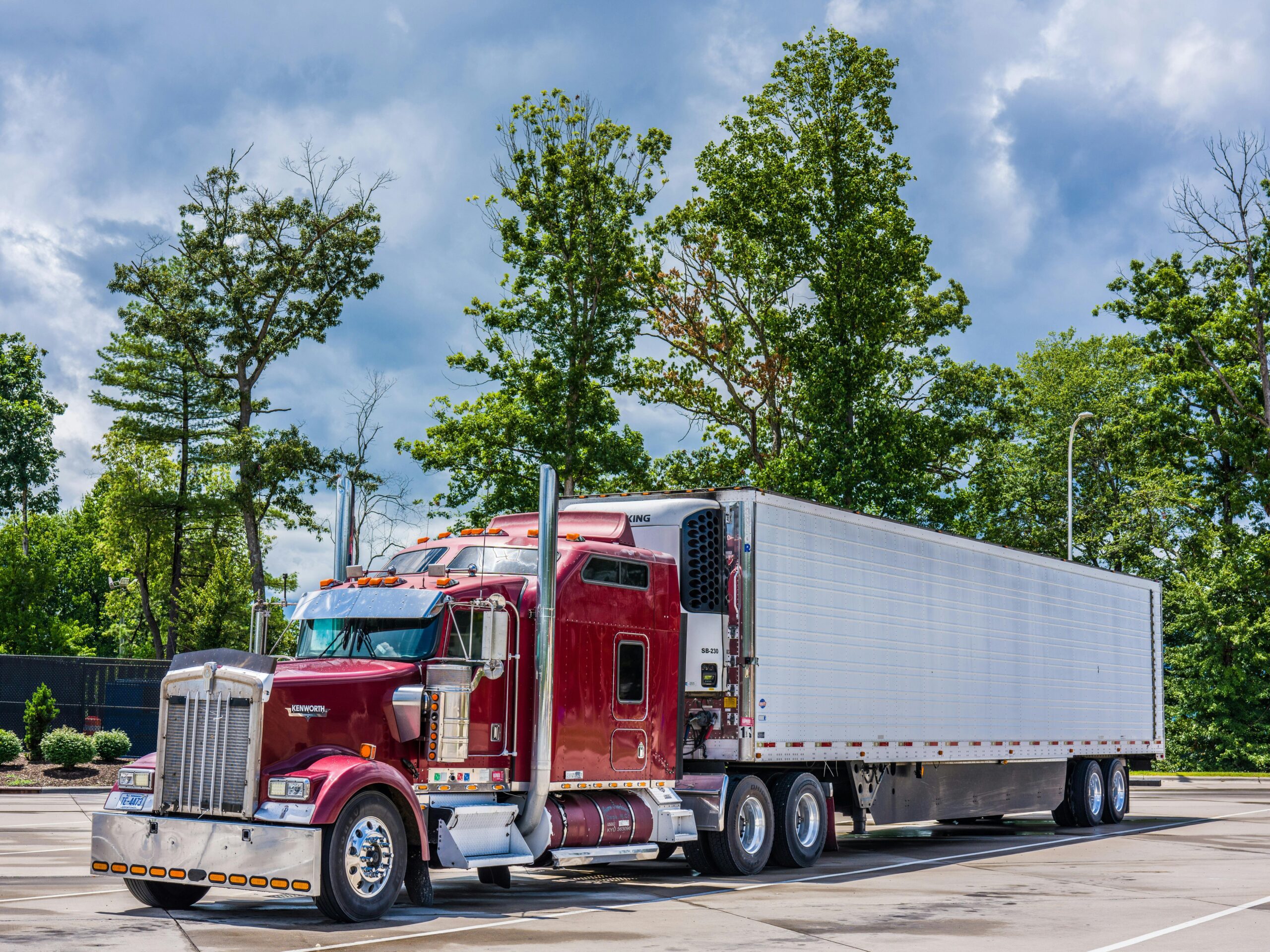
When an 18-wheeler accident occurs on Georgia’s busy highways—from the sprawling interstates around Atlanta to the scenic byways near Savannah—the aftermath can be overwhelming both emotionally and legally. Truck accidents in our state are not only complex due to the involvement of large commercial vehicles, but they are also laden with legal nuances dictated by statutes such as O.C.G.A. § 9-3-33, which governs wrongful death and personal injury claims. In Georgia, as elsewhere in the nation, research from the FMCSA and NHTSA indicates that truck accidents account for a significant number of fatalities and severe injuries every year. For instance, a recent study highlighted that nearly 25% of fatal crashes in metropolitan areas like Augusta could be attributed to the mishandling or negligence of large commercial trucks.
Consider two real-world scenarios: one involves a trucking incident near the Gordon Highway corridor in Augusta at rush hour, where swift action and clear evidence preservation became vital to supporting a claim for significant property damage and multiple injuries. Another example occurred at a busy intersection in downtown Atlanta, where failure to maintain proper stopping distances led to a devastating crash resulting in life-altering injuries for one of the drivers involved. Each case presents its own intricate blend of liability issues and the challenge of determining fault.
Georgia law further reinforces the importance of legal representation through provisions found in O.C.G.A. §§ 51-1-1 and 51-1-2 which outline the parameters for negligence and liability. Additional statutes such as O.C.G.A. § 16-11-32 and O.C.G.A. § 16-11-34 offer guidance on insurance claims and compensation limits—a critical aspect when dealing with the significant damages often involved in 18-wheeler collisions. Recognizing the full extent of these legal requirements early on can shape the trajectory of your recovery process and ensure that your rights are safeguarded in a complex legal landscape.
In Georgia, the intricacies of 18 wheeler accidents extend far beyond mere collisions. The sheer mass and momentum of these large commercial trucks create dynamics that can lead to devastating outcomes. When such an accident occurs—whether on the busy interstates near Atlanta or along the hilly backroads in north Georgia—the investigation often requires a deep dive into numerous factors, including driver behavior, equipment compliance, and adherence to state and federal regulations.
Georgia law, including provisions such as O.C.G.A. § 9-3-33 concerning negligence and liability, often plays a critical role in determining fault and establishing potential claims. Local road conditions and urban congestion add another layer of complexity, where even routine maneuvers by an 18 wheeler can result in catastrophic events. For instance, in a case on I-85 near the outskirts of Atlanta, a trucker’s sudden lane change led to a multi-vehicle collision, highlighting the risks associated with aggressive driving behaviors. In another scenario in Augusta, reckless tailgating on the Gordon Highway contributed to a rear-end collision, underlining the dangers of overzealous driving and failure to maintain proper following distances.
When dissecting the causes behind these collisions, experts often point to the following factors:
According to recent statistics from the FMCSA, truck-related accidents account for a significant proportion of severe injuries and fatalities on Georgia roads. The National Highway Traffic Safety Administration (NHTSA) further emphasizes that driver fatigue and distraction are recurring themes in these cases. Moreover, Georgia’s regulatory environment demands strict compliance with additional statutes, such as O.C.G.A. § 51-4-1 and O.C.G.A. § 40-6-35, which further complicate liability determinations.
Understanding these complex layers is essential, especially when victims face prolonged recovery and unforeseen financial burdens. The combination of multifaceted legal standards, state-specific guidelines, and evolving safety regulations makes every case uniquely challenging to navigate.
Navigating the aftermath of an 18-wheeler accident in Georgia requires specialized legal expertise that goes beyond what a general practitioner might offer. An experienced attorney can help victims recover the compensation they deserve while unraveling the often-complex web of liability. For instance, in bustling regions like Atlanta or along key corridors near Augusta’s Gordon Highway, attorneys have witnessed firsthand how quickly an accident site can become a maze of conflicting accounts and multiple responsible parties.
A seasoned 18-wheeler accident lawyer employs a multifaceted approach to protect your interests. They work with accident reconstruction experts, review maintenance logs, driver records, and even electronic data from the truck’s onboard systems to pinpoint negligence. Georgia’s legal framework, including statutes such as O.C.G.A. § 9-3-33 and O.C.G.A. § 51-1-1, underscores comparative fault and commercial vehicle regulations, respectively. These detailed laws serve as the backbone for litigating cases and play a pivotal role in how damages are allocated when fault is shared.
Statistics from the Federal Motor Carrier Safety Administration reveal that truck accident rates in Georgia have increased under challenging road and weather conditions, while studies from the National Highway Traffic Safety Administration show that when multiple factors are at play, the injury rates for victims can be significantly higher than in typical automobile accidents. Consider a scenario where poor cargo securement and negligent maintenance led to an 18-wheeler overturning on Interstate 85, or another where driver fatigue resulted in a sideswipe collision near Savannah; in both situations, immediate legal intervention ensured accountability among several parties involved.
An attorney’s role extends beyond negotiating with insurers, as they also provide crucial guidance through pretrial investigations, expert witness collaborations, and even settlement negotiations. Key responsibilities include:
This comprehensive approach not only strengthens the case but also ensures that victims receive both legal support and empathetic advocacy during a challenging time.
Immediately after an 18-wheeler accident in Georgia, your well-being and safety are paramount. Locals throughout the Peach State—from the bustling streets of Atlanta to highway corridors near Augusta along Gordon Highway—understand the gravity of these incidents. In Georgia, truck accidents can be devastating, and statistics from the FMCSA indicate a concerning rise in the number of 18-wheeler collisions, while NHTSA data underscores the high frequency of severe injuries arising from these events.
Begin by ensuring that you and your passengers are safe. If possible, move to a secure location away from oncoming traffic. Immediately dial 911 to summon emergency services. Georgia law, including O.C.G.A. § 9-3-33, requires that accidents of this nature be reported promptly, which helps ensure a proper police investigation and the formation of a comprehensive accident report.
It is essential to follow these steps to protect your rights and wellbeing:
Consider a scenario where a vehicle near Savannah is struck by an 18-wheeler improperly braking, resulting in significant rear-end damage—a stark reminder of such risks. Alternatively, imagine a situation in Augusta where a truck illegally changes lanes, causing a multi-vehicle pileup; both instances underscore how quickly incidents in Georgia can escalate.
By promptly following these outlined measures under Georgia law, you lay the foundation for a comprehensive legal and medical evaluation, ensuring you are well-prepared to confront the challenges that follow an 18-wheeler accident.
Georgia’s highways witness a significant number of 18 wheeler accidents each year, and the resulting injuries can be both severe and life-altering. In metropolitan areas like Atlanta and Augusta, the impact of these collisions is evident along major corridors such as I-85 and the Gordon Highway. Victims often face a cascade of complications, making it essential for them to understand the severity of sustained injuries and their rights under Georgia law.
One common injury is traumatic brain injury (TBI), which can occur when the force of a collision causes the head to hit unyielding surfaces. TBIs can lead to long-term cognitive, emotional, and physical impairments. Spinal injuries, including herniated discs and spinal cord damage, are also prevalent. These injuries may result from the violent jolt that occurs during a rollover or jackknife accident, a scenario witnessed near highways like I-20 in Atlanta. In some instances, even seemingly minor whiplash injuries can lead to chronic neck pain and reduced mobility over time.
Other notable injuries include:
According to FMCSA statistics, approximately 20-30% of truck accidents involve high-impact collisions that result in multiple and complex injuries, emphasizing the gravity of these events. Georgia’s legal framework, including statutes such as O.C.G.A. § 9-3-33 regarding auto insurance disclosures and O.C.G.A. § 51-7-1 concerning negligence, plays a crucial role when determining liability and compensation. Additionally, other relevant laws, such as provisions governing comparative negligence and accident reporting, ensure that injured parties receive fair treatment and thorough investigation of all contributing factors.
Determining liability in an 18-wheeler accident in Georgia is a multifaceted process that involves a detailed review of the facts, physical evidence, and witness statements to pinpoint which party’s negligence led to the incident. In Georgia, where busy corridors like Gordon Highway in Augusta see a significant flow of commercial vehicles, the investigation often scrutinizes multiple elements. Georgia law, including O.C.G.A. § 9-3-33 related to negligence and O.C.G.A. § 51-2-2 addressing motor carrier responsibilities, lays a strong legal foundation for establishing fault.
Investigators look at factors such as driver fatigue, improper vehicle maintenance, or even improper loading, which can all contribute to a catastrophic outcome. For example, consider a scenario in which a fatigued driver from a trucking company in Atlanta loses control, resulting in a collision with multiple vehicles. In another instance, an improperly secured load on an 18-wheeler in Savannah might shift unexpectedly, causing a severe multi-vehicle pileup. According to FMCSA statistics, truck-related accidents result in substantial damage and injury, with large truck crashes comprising about 4% of all fatal accidents nationwide, emphasizing the critical importance of proper safety measures.
The process of determining liability often involves:
This comprehensive approach is crucial in light of the legal doctrine of respondeat superior, under which an employer may be held responsible for the actions of its employee. Additionally, statutes such as O.C.G.A. § 16-11-72 and O.C.G.A. § 40-2-26 may come into play when assessing contributing violations. Given both the complexity and local impact of these cases, understanding how liability is determined is essential for victims pursuing compensation after an 18-wheeler accident in Georgia.
Navigating insurance negotiations after an 18-wheeler accident in Georgia can be an overwhelming challenge. Insurance companies often employ tactics designed to minimize payouts and expedite settlements, leaving accident victims at a disadvantage if they negotiate on their own. In Georgia, where many individuals recover along corridors like the Gordon Highway near Augusta or busy intersections in Atlanta, these tactics can create significant financial and emotional strain.
Insurance adjusters are seasoned professionals skilled in underestimating damages and downplaying the severity of injuries. They often pressure claimants, urging them to accept lowball offers before all medical costs—sometimes running into tens of thousands of dollars—are fully understood or properly evaluated. For instance, one victim in Savannah faced a rushed settlement offer that failed to cover ongoing physical therapy and future medical expenses, while another in Atlanta contended with insurance representatives disputing the extent of spinal injuries sustained in a crash.
Several critical Georgia statutes further emphasize the complexity of these negotiations:
Statistics from the Federal Motor Carrier Safety Administration reveal that truck accident settlements can be 30% to 40% lower than actual costs when victims lack proper legal representation. Without an attorney’s expertise, victims risk undervaluation of their injuries, which can compound the financial burden during an already challenging recovery period.
When dealing with the aftermath of an 18-wheeler accident in Georgia, understanding the statute of limitations is vital to preserving your legal rights. In Georgia, the statute of limitations for personal injury cases, including truck accidents, is generally two years from the date of the accident as mandated by state law (see O.C.G.A. § 9-3-33). This limited time frame is crucial because as time passes, evidence may be compromised—physical damage may be repaired, crucial surveillance footage might no longer be accessible, and witness recollections can fade.
Local experience in areas such as Augusta or Atlanta underscores that timely legal action can dramatically influence the outcome of a case. For example, an incident on the busy corridors near the Gordon Highway in Augusta presented a scenario where key evidence was lost due to delays in investigation, ultimately weakening the injured party’s case. In another instance, a truck accident in suburban Atlanta saw critical witness testimonies erode over time, underscoring how essential prompt legal intervention is.
Statistics reinforce this urgency; according to the FMCSA, large truck accidents contribute to a significant percentage of roadway fatalities, and the National Highway Traffic Safety Administration (NHTSA) reports numerous serious injuries annually. These figures remind us that the impact of a truck accident extends beyond immediate physical harm, affecting long-term health and financial stability.
There are several reasons why swift action is necessary:
Under Georgia law, missed deadlines can bar the injured party from seeking deserved compensation. It is imperative for accident victims to act quickly, ensuring that their legal claims are filed within the required period. By understanding and responding to these statutory deadlines, individuals can better protect their rights and secure the compensation needed to help rebuild their lives after a devastating truck accident.
After an 18 wheeler accident in Georgia, gathering evidence promptly can be the most critical step toward protecting your rights. Evidence collected immediately can provide an accurate snapshot of the accident scene, help determine fault, and support a successful claim against negligent parties. In parts of Georgia like Augusta along the Gordon Highway or the busy urban arteries of Atlanta, the chaos following an 18 wheeler accident is compounded by high traffic volumes and complex roadway designs. Quick and careful evidence collection is not just practical—it is required by law in certain respects, for instance, under O.C.G.A. § 9-3-33, which underscores the responsibility to document the scene to establish liability.
In the aftermath of a collision, time-sensitive evidence such as skid marks, vehicle positions, and debris patterns may vanish or change rapidly. National statistics from the FMCSA indicate that nearly 20% of fatal truck accidents reveal crucial evidence that deteriorates within the first hour after impact. In one scenario, a driver in Columbus sustained severe injuries partly because scattered evidence was not preserved, complicating efforts to determine that the truck driver violated safety protocols stipulated in O.C.G.A. § 51-6-2. In another instance near Savannah, dash-cam footage and eyewitness accounts were key components that validated claims under O.C.G.A. § 40-5-131 concerning accident reporting and compliance with state transportation laws.
Specific types of evidence to secure immediately include:
Additionally, evidence collected in a timely manner can support various aspects of your case, as required by statutes like O.C.G.A. § 9-3-14 and O.C.G.A. § 16-11-71. Each piece of data significantly contributes to building a compelling narrative that demonstrates negligence and ensures that you have a strong legal stance when seeking compensation.
When evaluating potential attorneys after an 18-wheeler accident, it is essential to pose specific questions that not only gauge their expertise but also help you feel confident that they understand both the nuances of accident law and the local context of Georgia. In cities such as Atlanta or Augusta, where busy corridors like the Gordon Highway can be rife with heavy truck traffic, your attorney should be well-versed in state-specific statutes, such as O.C.G.A. § 9-3-33, which deals with negligence and liability. Given that the FMCSA reports a 4% annual increase in trucking accidents nationwide, and NHTSA data shows that truck accidents are responsible for a disproportionate number of severe injuries, ensuring your attorney’s competence is paramount.
Key questions to ask include:
This question reveals not only their familiarity with local courts but also any insight into how local jurisdictions interpret cases under relevant Georgia laws.
Determine if they will scrutinize factors such as driver fatigue, cargo securement, and adherence to federal trucking regulations. Their approach may be influenced by precedents set under local standards and statutes like O.C.G.A. § 51-1-1 (premises liability) as applicable.
Look for an attorney who can discuss tangible outcomes, either through successful settlements or favorable trial results, reflective of the competitive nature of truck accident litigation in Georgia.
Understanding fee structures at the start can help avoid surprises later. This transparency is critical given the complexities of truck accident litigation, which sometimes involve multi-party liability scenarios.
Direct involvement from the attorney can mean a more tailored approach, particularly important in cases that require detailed investigation of local accident scenes, like those reported along busy Georgia interstate corridors.
By addressing these inquiries, you can better assess whether the legal professional is well-equipped to manage your claim and secure the rightful compensation you deserve.
Q: Should I hire an attorney immediately after an 18-wheeler accident in Georgia?
A: Yes, it is advisable to hire an attorney as soon as your injuries allow. Acting quickly can help preserve evidence and protect your rights. An attorney can guide you through the complexities of truck accident claims and ensure that you meet all necessary legal deadlines.
Q: What is the statute of limitations for filing a lawsuit after an 18-wheeler accident in Georgia?
A: In Georgia, the statute of limitations for personal injury claims, including those from truck accidents, is generally two years from the date of the accident, as per O.C.G.A. § 9-3-33. It’s crucial to file within this period to avoid losing your right to compensation.
Q: Can I handle an 18-wheeler accident claim without a lawyer?
A: While you technically can handle a claim on your own, it is not recommended, especially in complex cases involving commercial trucks. Trucking companies and their insurers are often well-prepared to defend against claims, and having an experienced attorney can help level the playing field and maximize your potential compensation.
Q: What should I ask a potential attorney when considering hiring them for my case?
A: When hiring an attorney, ask about their experience with similar cases, their success rate, and how they plan to approach your specific situation. Also, inquire about their fee structure and whether they work on a contingency fee basis, which is common in personal injury cases.
Q: What types of compensation can I seek after an 18-wheeler accident in Georgia?
A: You may be eligible for various types of compensation, including medical expenses, lost wages, pain and suffering, and property damage. An experienced personal injury attorney can help assess your case and determine appropriate compensation avenues based on your circumstances.
Why Choose T. Madden & Associates, P.C. for Your Case
When it comes to recovering from an 18-wheeler accident, you need a partner who not only understands the law inside and out but also has the tenacity to go up against powerful opposition. At T. Madden & Associates, P.C., we bring over 25 years of experience to the table, backed by a legacy of millions in recovered settlements. Our firm is uniquely equipped to handle even the toughest cases, thanks in part to Terance Madden’s background as a former insurance defense lawyer—insight that gives us a strategic edge in understanding and countering the tactics of trucking company insurers.
Serving Atlanta and all major cities and counties across Georgia, our commitment is unwavering: we fight tirelessly to ensure you receive the fair compensation you deserve. Every case we take on is handled with impeccable professionalism and personal dedication, ensuring your rights are protected from the very first phone call to the final settlement.
If you or a loved one has been injured in an 18-wheeler accident, don’t delay. The insurance companies are already strategizing against you, and every moment counts. Call T. Madden & Associates, P.C. today for a free consultation and let us put our proven expertise to work on your behalf. Your path to justice begins with a single call—make it count.
The following sources were consulted for this article:
https://www.nolo.com/legal-encyclopedia/negotiating-with-insurance-company-29765.html
https://dor.georgia.gov/motor-vehicles/vehicle-insurance-requirements
https://oci.georgia.gov/insurance-resources/auto
https://www.iii.org/article/what-is-covered-by-collision-and-comprehensive-auto-insurance
https://www.geico.com/information/aboutinsurance/auto/liability-insurance/
https://www.tdi.texas.gov/tips/what-to-do-after-a-wreck.html
https://rules.sos.ga.gov/gac/120-2-28
https://www.safetyinsurance.com/resource_center/personalauto/accidentscene.html
https://www.progressive.com/answers/what-to-do-after-car-accident/
https://www.wawanesa.com/us/blog/the-difference-between-comprehensive-and-collision-insurance

T. Madden & Associates, P.C has an answer for all of your legal questions! We are a Personal Injury firm, so we handle many types of injury cases from auto collisions to wrongful death! If you or someone you know is injured, T. Madden & Associates, P.C. can help.
We are proud to offer free case reviews to anyone who may have questions before getting started. Additionally, if we do take on your case, we promise we won’t charge you a penny unless we recover compensation for your claim.
Please contact our Atlanta attorneys online or by calling 833-PAID-123 to get started today.