

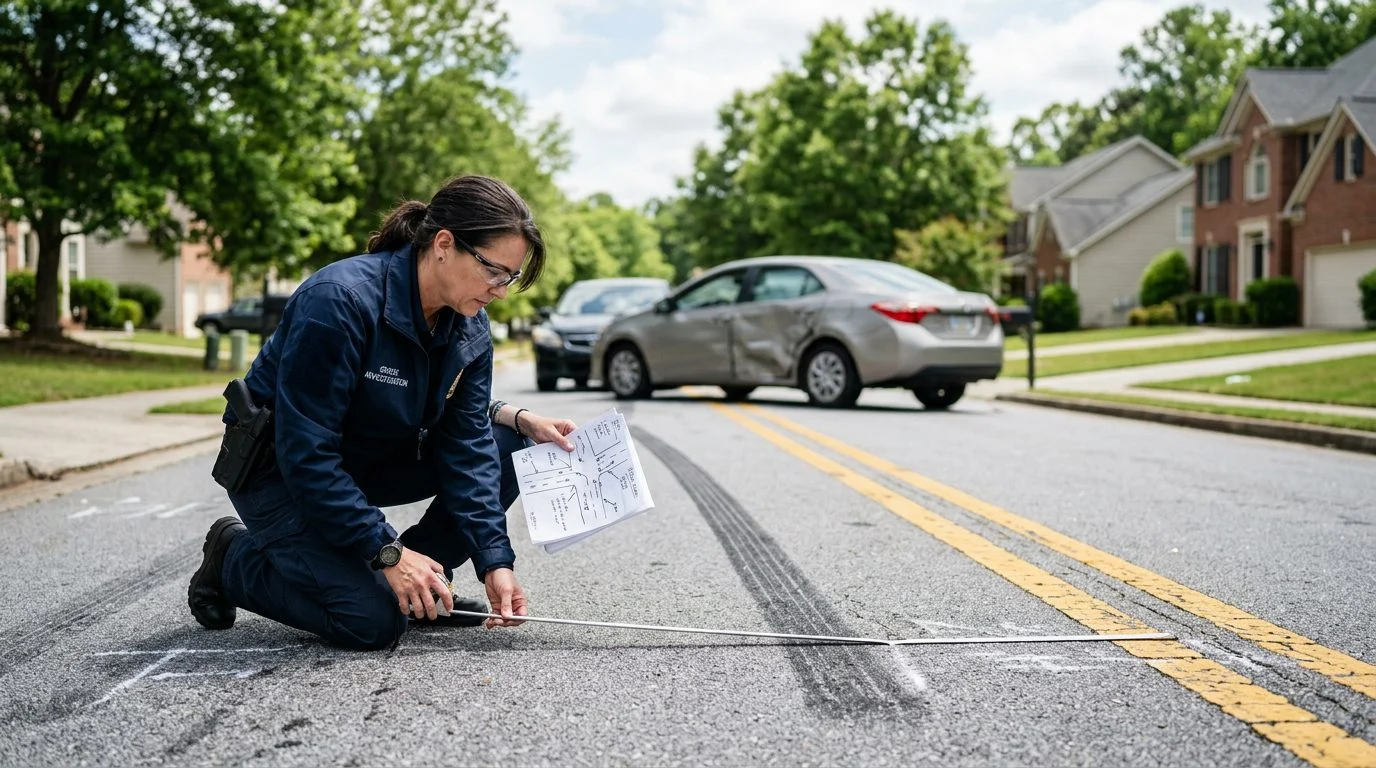
Georgia Car Accident Guide
Hurt by a Driver With No Money? Know Your Options
T. Madden & Associates, P.C. has helped people injured in Georgia wrecks since 1999. Learn where compensation may come from, then start a free, confidential consultation.
About the Firm
1999
Year the firm began practice
5
Offices: Jonesboro, Atlanta, Decatur, Macon, Augusta
Free
First consultation, confidential and with no obligation
By Terance Madden · Published October 25, 2026
If the at-fault driver has no money, you may still have ways to recover after a Georgia car accident. Not being able to pay doesn’t always end a claim. The main sources are the driver’s liability insurance, your own uninsured or underinsured coverage, and a personal lawsuit against the driver. This guide explains each one, the deadlines that matter, and what to gather now.
Why a Driver With No Money Is a Different Problem From a Driver With No Insurance
A driver with no money and a driver with no insurance are two different problems. Start by finding out which one you face.
Some drivers have no auto policy at all. Others carry a policy with limits too low to cover your losses. Still others have a policy but no savings, property or income to pay a court judgment. Each situation opens different sources of payment.
Early in a claim, the driver’s finances are often unknown. You may not know whether the driver owns a home, has a steady job or has any assets. That uncertainty is normal. It is why the steps in this guide work in order: first the driver’s policy, then your own coverage, then a personal lawsuit.
Your own coverage matters here too. Many people forget that their own auto policy may respond to a crash caused by someone else. Check it early, before you assume nothing is available.
If the driver who hurt you may not be able to pay, you may still have a claim, and our team can talk through your facts with you. Talk it through with our team — the first consultation is free, confidential, and carries no obligation.
How Fault Works in Georgia
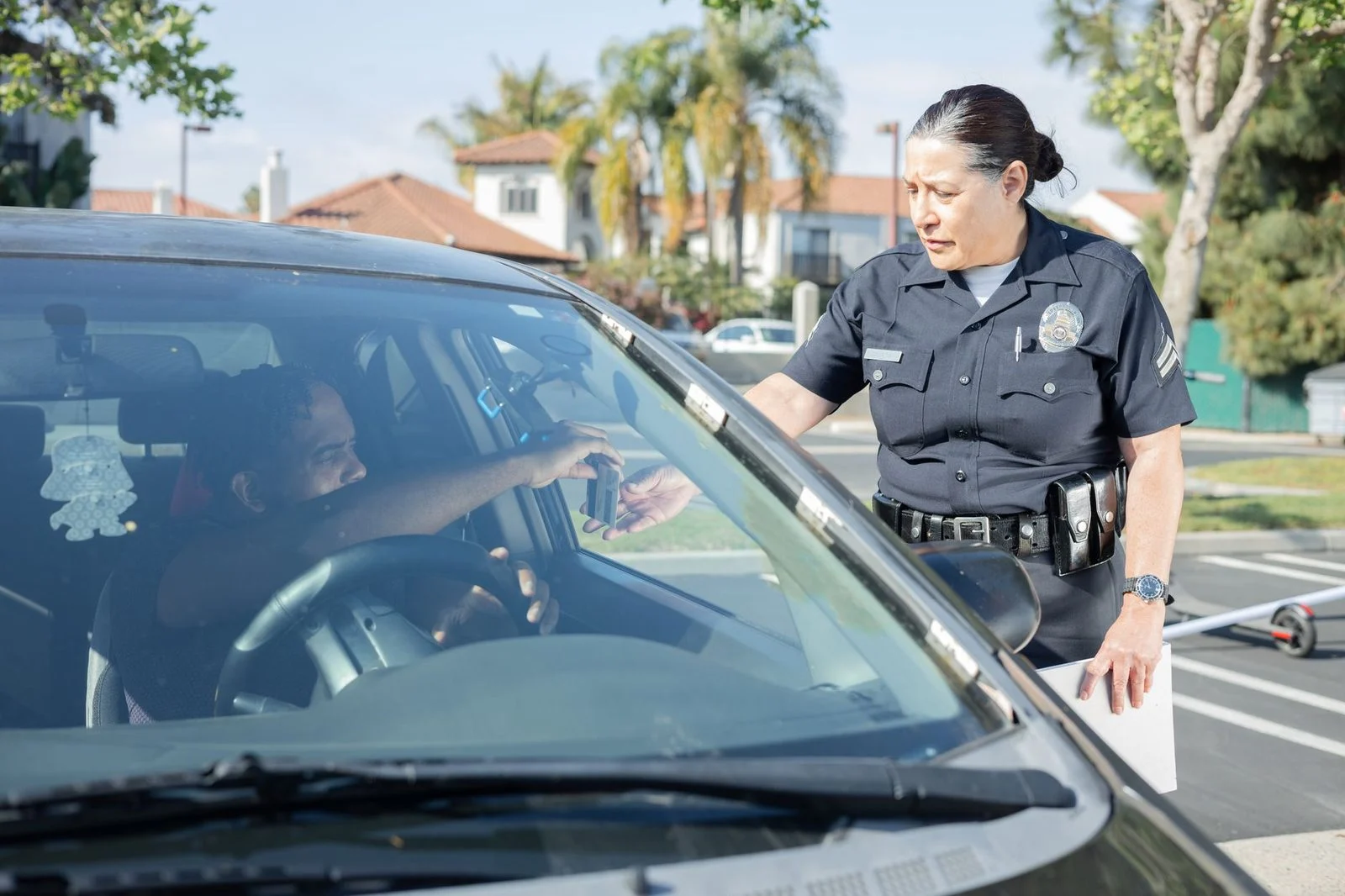
Fault decides who owes damages for a crash. The driver found responsible is the person who owes money for the injury. Fault is often decided from the facts: the police report, witness statements, photos and damage at the scene.
Georgia law lets an injured person recover when someone breaks a legal duty and causes harm. O.C.G.A. § 51-1-6 states that rule. Most crash claims rest on this idea.
Fault can be shared. Under O.C.G.A. § 51-12-33, the judge reduces damages in proportion to the injured person’s share of fault. If the injured person is 50 percent or more responsible, that person receives no damages.
Under O.C.G.A. § 51-12-33, the trier of fact assigns the injured person a percentage of fault, the judge lowers the award by that percentage, and no damages are recoverable when that person is 50 percent or more responsible for the injury or damages claimed. O.C.G.A. § 51-11-7 provides that if the plaintiff, by ordinary care, could have avoided the consequences to himself caused by the defendant’s negligence, he is not entitled to recover. Actions you take at the scene may also affect your claim.
Checking Whether the At-Fault Driver Had Liability Coverage
The first question is whether the at-fault driver had a liability policy in force on the day of the crash. A policy can exist even when the driver cannot pay out of pocket.
Insurance coverage often becomes a central question after a car or truck wreck, and our team can review those details with you during a free first consultation, which is confidential and carries no obligation to continue. Use the driver’s insurance card, the police report and the exchange of information at the scene to find the insurer.
Ask for the insurer’s name, the policy number and the declarations page. The declarations page lists the policy’s limits, which set the first ceiling on what that policy can pay.
Notify your own insurer promptly. The Georgia Office of the Commissioner of Insurance auto claim tips advise reporting the crash to police and your insurer, collecting accident and witness information, and documenting the scene. The same guidance warns against statements about fault.
Using Your Own Uninsured Motorist Coverage
Your own auto policy may include uninsured motorist coverage, which can apply when the at-fault driver has no insurance. Under O.C.G.A. § 33-7-11, Georgia auto liability policies must include this kind of protection. The insured chooses the limits.
Check your declarations page. It shows whether this coverage is on your policy and what limits you picked. Do not assume it is there. Coverage depends on what your policy says.
A claim under your own policy goes through your insurer. It runs on that policy’s terms, which control how the claim moves forward. Keep your policy documents and every letter from your insurer in one place.
Keep notes of each call. Dates and names help you show what happened and when.
Underinsured Motorist Coverage When the Limits Fall Short
Underinsured motorist coverage can matter when the at-fault driver has a policy, but its limits are too low to cover your losses. In plain terms, the other driver has coverage, just not enough.
Check your own policy for this coverage and its limits. Your policy may add a layer on top of the other driver’s limits. Together, these sources form the total picture of what may be available.
Get the at-fault driver’s coverage information in writing before you decide how to proceed. Ask the insurer to confirm the limits and the policy number. A written record keeps the facts clear as the claim moves along.
Limits are only part of the picture. The size of your losses, your share of fault and the deadlines all affect the next steps.
Suing the At-Fault Driver Personally and What a Judgment Means
Yes, an injured person can file a lawsuit against the at-fault driver personally. A judgment is the court’s finding of what that driver owes you.
A judgment does not always mean payment. A driver with few assets may pay slowly, in part, or not at all. Collecting after a judgment is a separate step, and the result depends on the driver’s finances and the other sources of recovery.
When the owner or operator of a vehicle that caused injury is unknown, Georgia law allows an action against the unknown defendant as “John Doe” under O.C.G.A. § 33-7-11. Under O.C.G.A. § 33-7-11, if your own insurer refuses to pay you a loss covered by its uninsured motorist provisions within 60 days after demand and the refusal is found to be in bad faith, the insurer is liable, in a separate action after judgment against the uninsured motorist, for not more than 25 percent of the recovery or $25,000.00, whichever is greater, plus reasonable attorney’s fees.
When more than one person shares fault, the rules get more detailed. Under O.C.G.A. § 51-12-33, each liable person’s share is their own, not joint, and not subject to contribution. A defendant can also name a nonparty as partly at fault, with notice given at least 120 days before trial.
No one can promise a specific amount. Each claim turns on its own facts.
Not sure what your next step is?
Talk it through with our team — the first consultation is free, confidential, and carries no obligation.
Keeping Records of Medical Bills, Lost Pay and Other Losses
Keep every record of medical bills, lost pay and vehicle costs from the start. Each record supports a part of your claim.
Under O.C.G.A. § 51-12-2, special damages are those that actually flow from the harmful act, and they must be proved. General damages are those the law presumes to flow from it and may be recovered without proof of any amount. Necessary expenses from an injury are a legitimate item in the damages estimate, under O.C.G.A. § 51-12-7.
Under O.C.G.A. § 51-12-1.1, special damages for medical expenses are limited to the reasonable value of medically necessary care. If you have health insurance, the evidence includes both the amounts charged and the amounts actually necessary to satisfy the charges. If a provider treated you under a letter of protection, that letter and the itemized charges can be discoverable.
Some harm is to your peace, happiness or feelings. Keep notes about how the crash has changed your daily life.
The Filing Deadline and What to Gather Now
Georgia generally allows two years to file a personal injury lawsuit. Under O.C.G.A. § 9-3-33, actions for injuries to the person must be brought within two years after the right of action accrues. The same statute sets different periods for other kinds of claims, such as loss of consortium.
Other claims, such as damage to your vehicle, can run on a different clock. Don’t assume the two-year period covers every claim you may have.
Gather these items now:
- The crash report number
- The other driver’s name, license plate and insurance details, if you have them
- Photos of the scene, the vehicles and your injuries
- Names and contact details for any witnesses
- A dated list of every medical visit, plus bills and prescriptions
- Pay stubs and a note from your employer about missed work
- Repair estimates and your policy documents

Talking Through Your Situation With Our Team
You may be dealing with injuries, a damaged vehicle, missed work and no clear answer about who will pay. You might also be reading this for a family member who was hurt. Either way, the questions can feel heavy.
Frequently asked questions
Can I still recover if the at-fault driver has no money?
Possibly. Sources can include the driver’s policy, your own uninsured or underinsured coverage, and a personal lawsuit.
How long do I have to file a Georgia injury lawsuit?
Georgia generally allows two years for injury claims. Other claims can have different deadlines.
Does my own fault reduce what I can recover?
Yes. If you share some of the blame, the judge lowers your award by your percentage of fault, and you are not entitled to any damages if you are 50 percent or more responsible for the injury or damages claimed (O.C.G.A. § 51-12-33).
If the driver who hurt you may not be able to pay, we can look at your crash, the other driver’s coverage and your own policy with you. You can request a free case evaluation to start that conversation.
Your first consultation is free, confidential and carries no obligation to continue. We handle injury claims on a no-fee-unless-we-win basis, but you may still be responsible for court costs and case expenses.
Responsible lawyer: Terance Madden, T. Madden & Associates, P.C. The firm has practiced since 1999 and has offices in Jonesboro (Clayton County), Atlanta, Decatur, Macon and Augusta. Contact the firm through the contact page. This page is general information, not legal advice.
Where Compensation May Come From
The At-Fault Driver's Policy
The at-fault driver's liability insurance may be one source of recovery, depending on the coverage that exists and the facts of the crash.
Your Own Uninsured or Underinsured Coverage
If you carry uninsured or underinsured motorist coverage, that policy may apply when the at-fault driver has little or no insurance.
A Personal Lawsuit Against the Driver
A lawsuit against the driver personally may be possible, though collecting a judgment depends on what assets the driver has.
How We Can Help
Practicing Since 1999
T. Madden & Associates, P.C. has represented injured people in Georgia for more than two decades, handling car, truck, motorcycle and other injury cases.
No Fee Unless There Is a Recovery
Our fees come only from a recovery. You may still be responsible for court costs and case expenses, which we will explain before you decide.
Free, Confidential Consultation
Your first consultation is free, confidential and comes with no obligation to continue.
Reach Us Anytime
Call our team to talk through your wreck and what your options may be, including when the at-fault driver has no money.
Before You Sign Anything
Insurance adjusters may contact you quickly and ask for recorded statements or signed forms. Speak with a lawyer before you agree to anything.