

Drunk Driver Car Accident Lawyer Clayton County GA
By Terance Madden · Published October 24, 2026
Hurt in a crash with an impaired driver? A drunk driver car accident lawyer Clayton County GA residents can call can explain the civil claim you may have. Georgia law may let you bring a personal injury claim against the impaired driver, even without a criminal conviction. This page covers who can be responsible, what a claim can cover, what evidence matters, and the deadline you need to watch.
What a Drunk Driver Car Accident Claim Is and Who Can Bring One
A drunk driver car accident claim is a civil personal injury case against the impaired driver. It asks that driver to pay for the harm the crash caused.
It is separate from any criminal DUI charge. The state prosecutes the DUI charge. The injured person brings the civil claim. The two cases run on different tracks, with different evidence and different goals.
People who may bring a claim include:
- Injured drivers
- Passengers
- Pedestrians and cyclists
- Family members of someone killed in the crash
Impaired-driver crashes take many forms. Rear-end, head-on, intersection and run-off-road impacts can all involve a driver who had been drinking. Impairment also matters legally. It can strengthen arguments about fault, and it can matter for punitive damages, covered below.
Who May Be Held Responsible
The impaired driver is the main party to review. Others may share responsibility, depending on the facts.
- The impaired driver. That driver is usually the first at-fault party.
- An employer. Georgia law makes a person liable for torts committed by a servant “within the scope of his business” (O.C.G.A. § 51-2-2). If the driver was working or driving for a company, the employer may be part of the claim.
Commercial trucks add rules of their own. Federal rules may call for post-accident drug and alcohol testing for commercial truck drivers, but only after certain kinds of crashes, depending on the circumstances. Those test records can matter to a case.
What a Claim Can Cover
A claim can seek money for medical bills, lost income, property damage and pain and suffering.
General damages, such as pain and suffering, are presumed from a wrongful act and need no exact dollar proof. Special damages, such as medical bills and lost wages, must be proved (O.C.G.A. § 51-12-2).
- Medical costs. Medical bills are limited to the reasonable value of medically necessary care (O.C.G.A. § 51-12-1.1).
- Lost income. This covers wages you miss now and, for some people, lost earning ability later.
- Property. This covers damage to your vehicle and personal items.
- Wrongful death. When a death results from criminal or other negligence, the personal representative may recover funeral, medical and other necessary expenses (O.C.G.A. § 51-4-5).
Punitive damages work differently. They punish and deter. They are not paid as compensation (O.C.G.A. § 51-12-5.1). They may be awarded only if it is proven by clear and convincing evidence that the defendant’s actions showed willful misconduct, malice, fraud, wantonness, oppression, or that entire want of care which would raise the presumption of conscious indifference to consequences. The $250,000 cap does not apply in a tort case that does not arise from product liability if the defendant acted, or failed to act, with the specific intent to cause harm, or while under the influence of alcohol, drugs other than lawfully prescribed drugs administered in accordance with prescription, or any intentionally consumed glue, aerosol, or other toxic vapor to that degree that his or her judgment is substantially impaired; such damages are then not limited, and are the liability only of an active tort-feasor.
Every case differs. No settlement amount can be predicted in advance.
Evidence That Shapes an Impaired-Driver Case
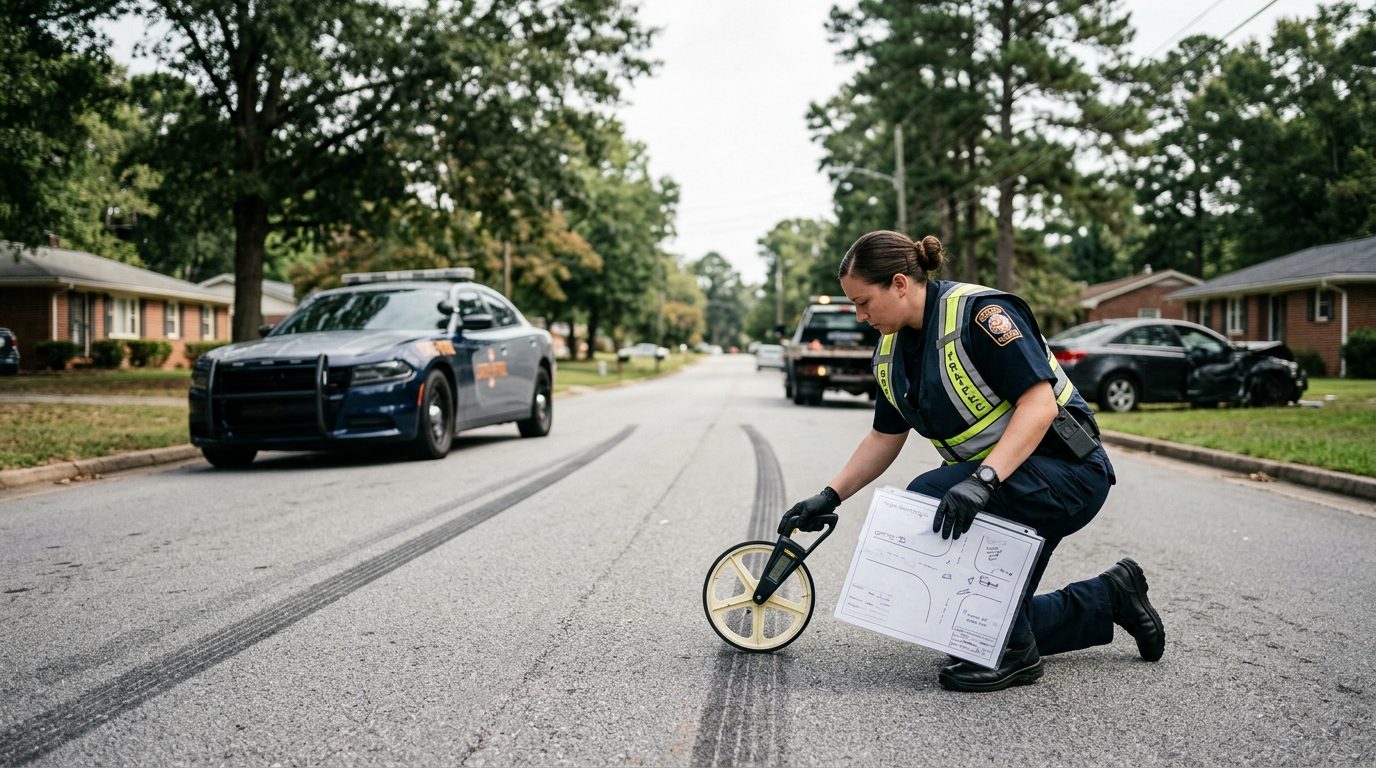
The strongest cases rest on records made close to the crash, including the crash report, test results, photos and medical records.
- The crash report and any citations written at the scene.
- Chemical test results and officer notes about the driver’s condition.
- Photos and video of the scene, the vehicle damage and any debris.
- Names and contact details for witnesses, gathered early.
- Medical records from the first emergency visit onward, which link injuries to the crash.
- Your own records: photos of injuries, a daily pain journal and receipts.
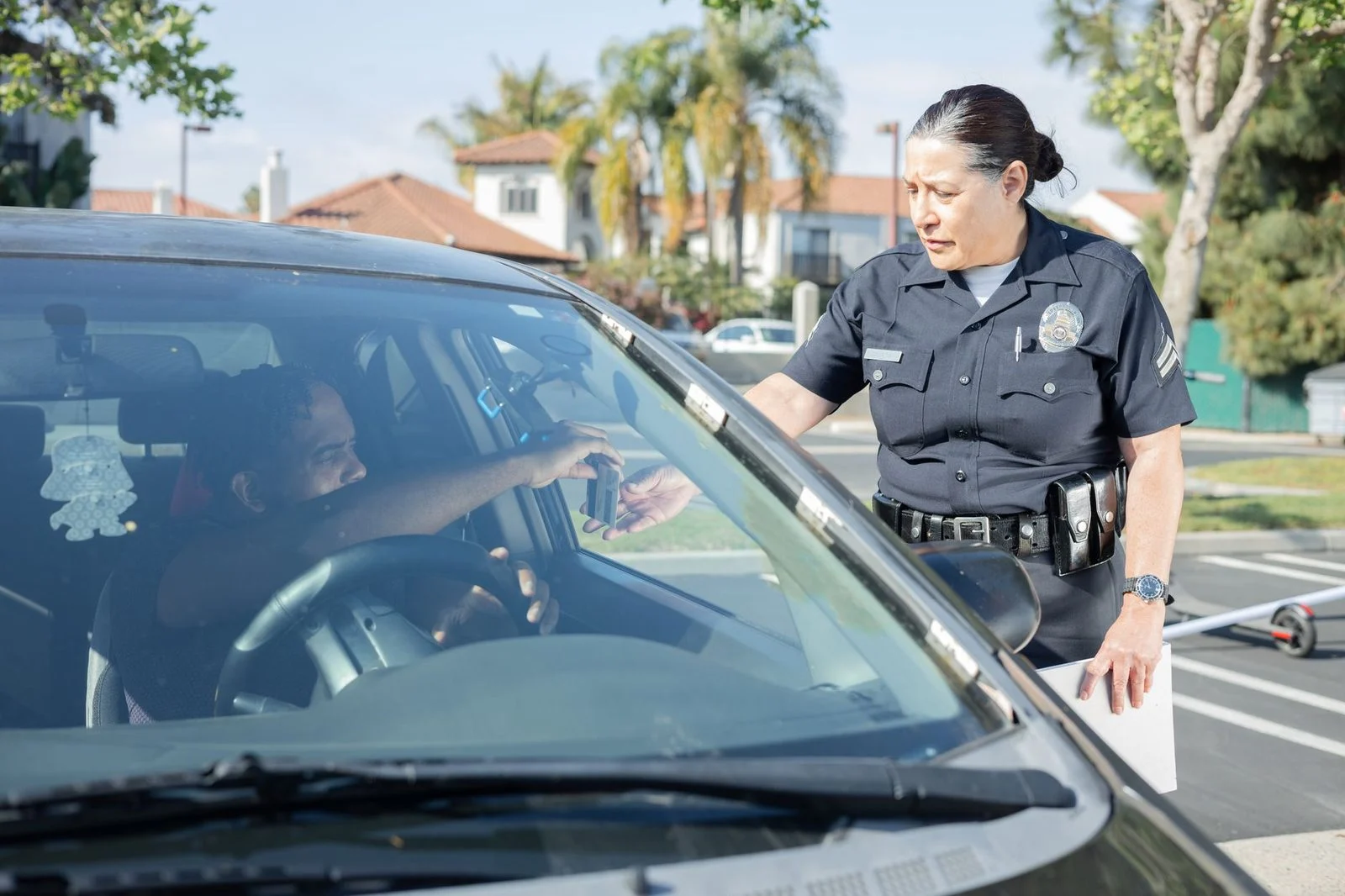
Those duties help you get the other driver’s information.
A gap in medical care is a common problem. It gives an insurer an easy argument that your injuries came from something else.
How the Process Works, Step by Step
A claim usually moves from a first consultation to investigation, treatment records, a settlement demand and, if needed, a lawsuit.
- Free first consultation. We review the crash, your injuries and who may be responsible. It is confidential, with no obligation to continue.
- Investigation. We request the crash report and records, and we send letters asking that evidence be kept.
- Medical documentation. Treatment is tracked so bills and injuries are backed by records.
- Demand and negotiation. We present the claim to the insurer or other responsible parties.
- Lawsuit. If a fair resolution is not reached, the claim can be filed in court.
Timing matters. Georgia generally requires a personal injury lawsuit within two years after the right of action accrues (O.C.G.A. § 9-3-33). A pending criminal case can pause the clock for a tort action brought by the victim of an alleged crime under O.C.G.A. § 9-3-99, until the prosecution is final or otherwise terminated, but that pause cannot exceed six years, except as otherwise provided in Code Section 9-3-33.1. Other timing varies with medical recovery, insurer responses and court schedules.
Why Injured Clients in Clayton County Work With T. Madden & Associates, P.C.
T. Madden & Associates, P.C. is a Georgia personal injury firm in practice since 1999. Its Jonesboro office is in Clayton County, and the firm also has offices in Atlanta, Decatur, Macon and Augusta.
- Our lawyers. Terance Madden leads the firm. Our lawyers include Terance Madden and Shenia Madden.
- Case types. The firm handles car, truck and motorcycle accident claims, wrongful death, catastrophic injury and other personal injury matters.
- Plain steps. Our team explains each stage in everyday language, so you know what is happening and why.
- Free first consultation. It is confidential and carries no obligation to continue.
- 24/7 call line. You can reach out at any hour after a recent crash.
Common Questions About Drunk Driver Crashes in Georgia
Most questions come down to fault, deadlines and cost. Georgia law gives clear answers to each.
Do I need the driver to be convicted first?
What if I was partly at fault?
Georgia reduces your damages by your share of fault. You can receive nothing if you are 50 percent or more responsible (O.C.G.A. § 51-12-33).
How long do I have to file?
Georgia generally allows two years for personal injury lawsuits (O.C.G.A. § 9-3-33). Waiting can cost you options.
Can I sue the driver’s employer?
Possibly, if the driver was working at the time. Georgia law can hold an employer liable for torts within the scope of the business.
Do I have to talk to the insurer first?
You can ask for guidance before answering an insurer’s questions. Insurers may request recorded statements, and a lawyer can help you decide how to respond.
What does a lawyer cost?
The first consultation is free, confidential and carries no obligation to continue. There is no fee unless we win, but you may still be responsible for court costs and case expenses.

Talk to Our Team About Your Clayton County Crash
If an impaired driver hurt you or someone you love, you can start with a free first consultation now. Our team can review the crash, your injuries and your options under Georgia law. Reach out through our contact page or use our 24/7 call line.
Responsible lawyer: Terance Madden, T. Madden & Associates, P.C. Offices in Jonesboro (Clayton County), Atlanta, Decatur, Macon and Augusta. Contact: https://www.tmaddenlaw.com/contact/
Ready to take the next step?
Related practice areas
- Spinal Injury Car Accident Lawyer, Clayton County GA