

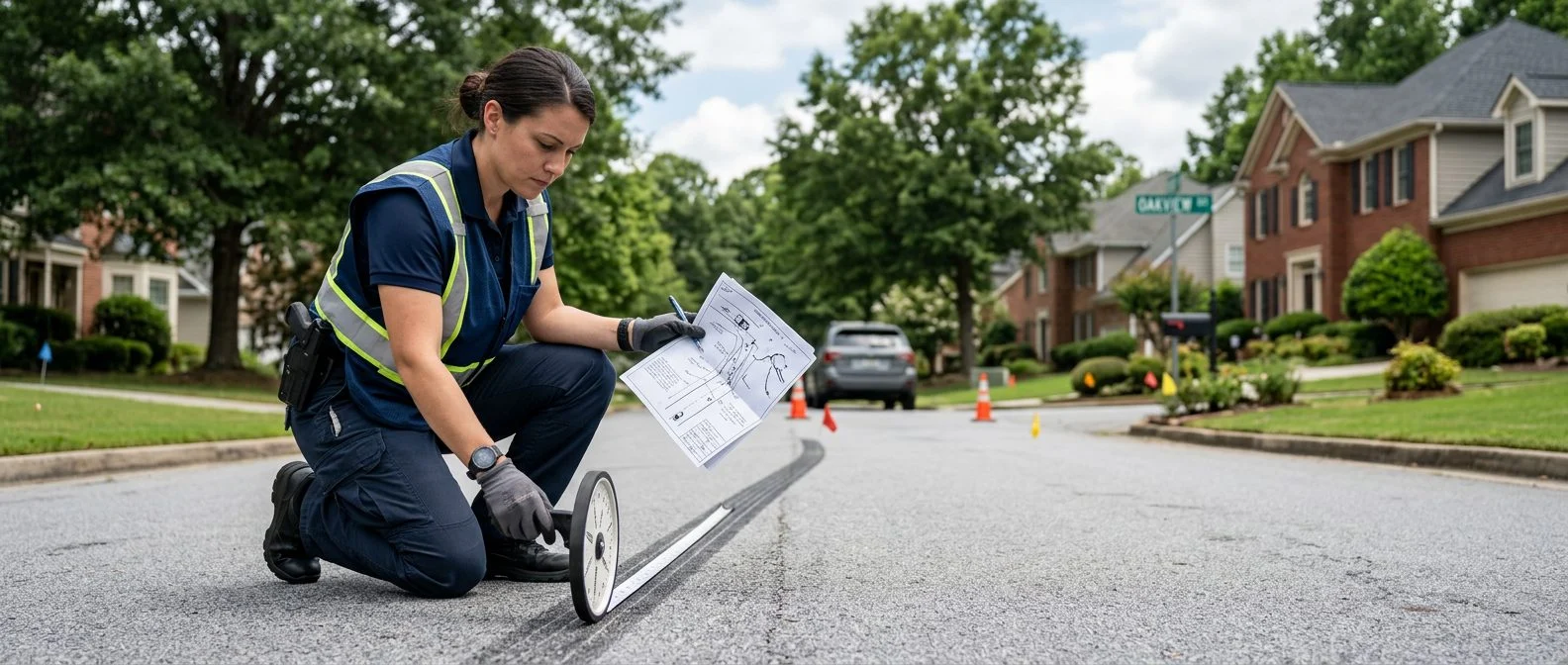
Rideshare Crashes · Georgia
Rideshare Crash? Preserve the Evidence Before It's Gone
Phone data, photos, trip records and witness details can disappear quickly. Learn what to keep and how T. Madden & Associates, P.C. has helped Georgians since 1999.
Serving Georgians Since 1999
1999
Year the firm began practice
5
Georgia offices: Jonesboro, Atlanta, Decatur, Macon, Augusta
Free
First consultation, confidential and no obligation
By Terance Madden · Published October 27, 2026
This rideshare crash evidence preservation guide explains what to keep after a crash in Georgia and why it matters. The short answer is to save the app trip record, any dashcam or phone video, photos of the scene, witness contact details, and every medical and repair bill. This is general information, not legal advice. T. Madden & Associates, P.C. has been in practice since 1999, and this guide is written for people who are still deciding what to do next.
What evidence should be preserved after a rideshare crash, such as app trip logs, dashcam footage, photos, and witness contact information?
Keep the rideshare app trip record, any dashcam or phone video, photos of the scene and both vehicles, witness names and phone numbers, and all medical and repair paperwork. Each item covers a different part of what happened.
The trip record shows when the ride was booked, when it began and ended, and the driver’s status in the app. Video and photos show how the crash happened and where the vehicles stopped. Witnesses describe what they saw. Medical records show your injuries and the care that followed.
The right set of records varies. A passenger, a driver, a pedestrian, and a family member helping someone hurt will each hold different pieces. Start with what’s on your phone and in your hands, because those items are the easiest to lose. For the wider picture, read our Georgia car accident guide.
If a rideshare crash has you hurt or juggling records and insurance calls, you don't have to sort out the evidence alone. Our team can talk it through with you. Talk it through with our team — the first consultation is free, confidential, and carries no obligation.
Why app trip logs and digital records can disappear quickly
Rideshare crash evidence preservation is time-sensitive. App data, GPS history, and video can be overwritten, deleted, or lost.
Phones get replaced, reset, or traded in. Camera apps overwrite old clips. Apps and companies don’t always keep data forever, so you can’t count on a copy staying available.
Georgia law requires each ride share driver to keep digital identification on a smartphone while active on the app. It must show the driver’s name and photo, the vehicle’s make, model, and license plate, certificates of insurance, and such other information as may be required by the Department of Public Safety. If an officer has reasonable suspicion of improper driving, the driver must allow access to the phone and trip record, but doesn’t have to hand the phone over. See O.C.G.A. § 40-1-193.
Do these steps now:
- Screenshot the trip details, the driver’s name, pickup and drop-off points, and receipts.
- Save messages with the driver or app support.
- Keep the phone itself. Don’t trade it in or wipe it.
A lawyer can send a preservation letter asking the rideshare company to keep its trip and account records. Insurer messages belong in your timeline too. Our guide on insurer settlement offers covers that situation.
Dashcam footage and photos of the scene
Save the original dashcam file and your scene photos as soon as you can. Do it before the footage records over or the vehicles are moved.
Dashcams often record on a loop. A new recording can erase the crash clip if you don’t save it. Keep the original file, not a compressed copy or a screen recording. Note the date, the time, and where the camera was mounted.
Photograph vehicle positions, damage to each car, skid marks, traffic signals, lighting, weather, road conditions, and the license plates of other vehicles. Take wide shots and close-ups. Cars get repaired or sold, and roads get fixed, so early photos capture what later pictures can’t.
Witness contact information and what to write down
Get each witness’s full name and phone number before anyone leaves the scene. Then write down what they saw while it’s fresh.
People move, change numbers, and forget details. Record each witness’s name, phone number, email if offered, the direction they were traveling from, and a short note of what they saw or heard. Include other drivers, passengers, pedestrians, and workers at nearby businesses. A business camera may have covered the intersection, so ask whether footage exists.
Georgia reduces damages by the injured person’s share of fault. This is called modified comparative fault (shared fault). Under O.C.G.A. § 51-12-33, the plaintiff shall not be entitled to receive any damages if the plaintiff is 50 percent or more responsible for the injury or damages claimed. Witness accounts can bear on who was at fault.
Keep a written log of what drivers say at the scene. Stick to facts you observed, and skip guesses about who was to blame.

Medical records and documentation of injuries
Medical records link the crash to your injuries. Get checked promptly, and keep every visit note, test result, and bill.
Keep emergency and follow-up visit notes, imaging results, prescriptions, and receipts for out-of-pocket costs. Keep a simple daily journal of pain, activities you can’t do, and missed work.
Georgia treats some losses as general damages. The law presumes these flow from the wrong, and they need no proof of an exact amount. Special damages actually flow from the wrong and must be proved, under O.C.G.A. § 51-12-2. Necessary expenses from an injury count in the damages estimate, under O.C.G.A. § 51-12-7.
Medical expenses are limited to the reasonable value of medically necessary care, under O.C.G.A. § 51-12-1.1. If a provider treats you under a letter of protection, that letter and itemized charges are relevant and discoverable. For how this paperwork fits Georgia damages, read our rideshare crash damages guide.
Protecting your evidence while you recover
Rideshare crash evidence preservation is mostly about organization. Use one place for records, keep original files, and make backups.
- Use one folder, paper or cloud, for everything.
- Store originals, and don’t edit them.
- Back up phone photos and video to a second device or account.
- Don’t post about the crash, your injuries, or your activities on social media.
Quick insurer offers can arrive before your injuries are fully known. Keep adding records as your treatment goes on. Where a claim is filed can depend on where the crash happened. Clayton County residents can read our Clayton County rideshare venue guide.
Frequently asked questions
Can police look at my phone after a rideshare crash?
Under Georgia law, a ride share driver must give an officer access to the phone and trip record on reasonable suspicion of improper driving. The driver keeps the phone. See O.C.G.A. § 40-1-193.
See O.C.G.A. § 33-1-24.
Not sure what your next step is?
Talk it through with our team — the first consultation is free, confidential, and carries no obligation.
Talk with T. Madden & Associates about your rideshare crash
You may be hurt, fielding insurance calls, or caring for a family member while trying to decide what to keep. You don’t need every document in hand to start a conversation.
The first consultation is free, confidential, and carries no obligation to continue. The firm works on a no-fee-unless-we-win basis, but you may still be responsible for court costs and case expenses.
If a rideshare crash has left you hurt or juggling records, reach out through our contact page and let’s talk through your next steps.
Disclaimer: This page is general information, not legal advice. Terance Madden is the responsible lawyer for this page at T. Madden & Associates, P.C., which has offices in Jonesboro, Atlanta, Decatur, Macon, and Augusta, Georgia. Contact: https://www.tmaddenlaw.com/contact/
Evidence Worth Preserving After a Rideshare Crash
App and trip records
Screenshots of the trip request, route, times, fare and any messages in the rideshare app can help show what happened and when.
Photos and video
Pictures of vehicle damage, the scene, road conditions, signals and your injuries, taken as soon as it is safe, add detail that memory may lose.
Witness and contact details
Names and phone numbers of passengers, bystanders and other drivers, along with the police report number, keep key voices reachable.
Medical and treatment records
Keep every visit note, prescription, bill and referral. A clear treatment history supports the full picture of your injuries.
Why Clients Bring Rideshare Crashes to Our Team
Available 24/7
Call any time to talk through what happened and which steps to take next.
Attorneys who focus on injury cases
Terance Madden and Shenia Madden, together with our team, handle car, truck, motorcycle, e-bike and rideshare-related claims for people across Georgia.
No fees unless there is a recovery
Clients may still be responsible for court costs and case expenses, which we will explain before you decide.
Free, confidential first consultation
Your first consultation is free, confidential and comes with no obligation to continue.
Avoid These Common Mistakes
Do not post about the crash on social media, delete app data or messages, or give recorded statements to other parties before talking with a lawyer. Small details can be used to question your account.