

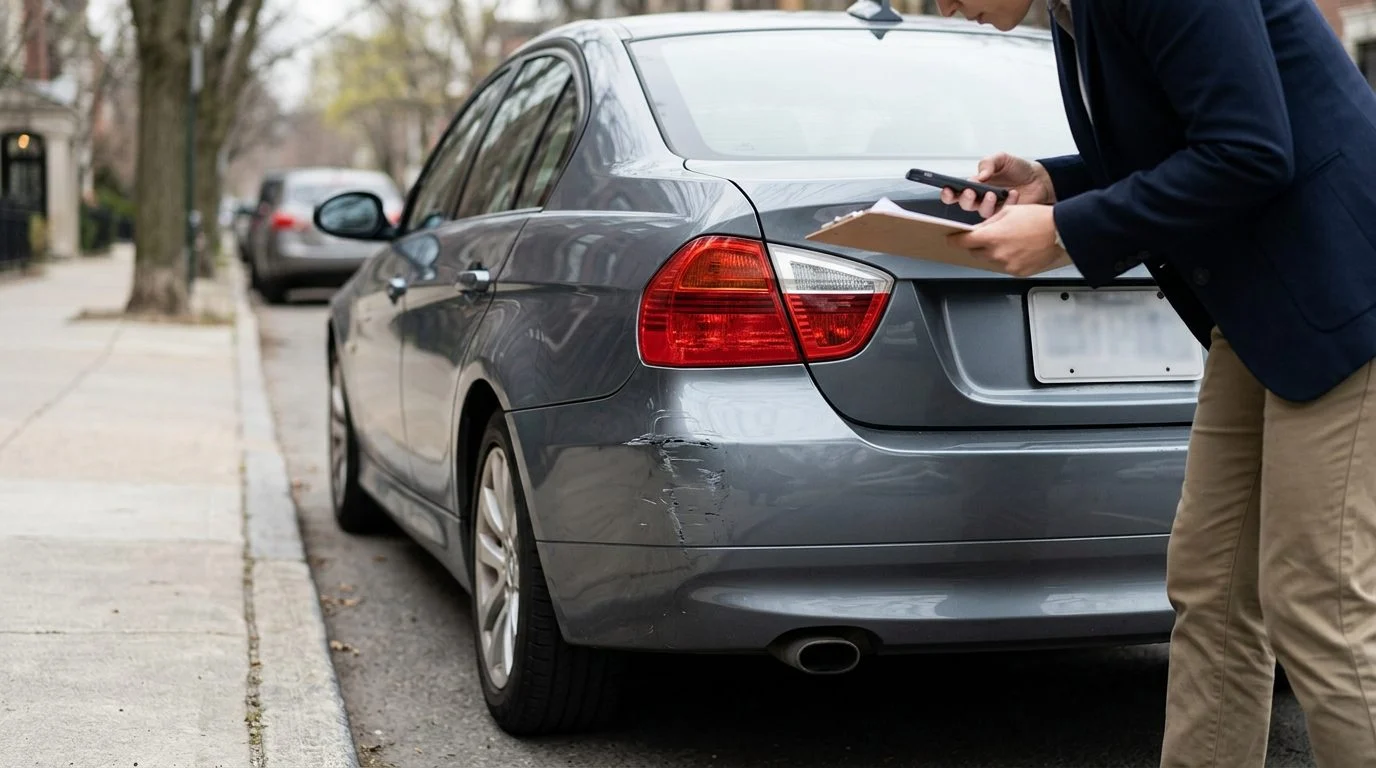
Car Accident Claims | Georgia
Hit by a Driver Who Didn't Stop? Know What Your Insurance May Cover
Your own auto policy may offer help after a hit and run. T. Madden & Associates, P.C. has helped injured Georgians with car accident claims since 1999, and we're ready to review your coverage with you.
Serving Injured Georgians
1999
Year the firm began practicing law
5
Offices across Georgia: Jonesboro, Atlanta, Decatur, Macon and Augusta
By Terance Madden · Published October 25, 2026
Short answer: After a hit and run, your own insurance is usually the first place to look. Depending on your policy, uninsured motorist, collision and medical payments coverage may help with your vehicle, your medical bills or both.
If you are reading this for a family member, you are not alone in asking. Many people are dealing with injuries, a damaged car and a driver who never stopped. This page explains the coverages, what insurers typically check and what to say when you report the crash. It is general information, not legal advice.
Which Insurance Coverages Can Respond After a Hit and Run?
Your own auto policy is usually the first place to look when the other driver cannot be identified. Several coverages on that policy may apply, depending on what you bought and what happened. The three most often discussed are uninsured motorist coverage, collision and medical payments.
Under O.C.G.A. § 33-7-11, an automobile liability policy issued or delivered in Georgia to the owner of a vehicle, or by an insurer licensed in Georgia upon a motor vehicle principally garaged or principally used in Georgia, must contain an endorsement or provisions undertaking to pay the insured damages for bodily injury, loss of consortium or death of an insured, or for injury to or destruction of property of an insured, sustained from the owner or operator of an uninsured motor vehicle. The Insurance Information Institute notes that uninsured motorist coverage may reimburse policyholders after hit-and-run crashes. Check your declarations page to see which coverages you carry and their limits.
For a wider look at car accident claims in Georgia, see our pillar guide on car accident claims in Georgia.
If the driver fled and you are now dealing with injuries, repairs and calls from an insurer, you do not have to sort it out alone. Talk with our team. Talk it through with our team — the first consultation is free, confidential, and carries no obligation.
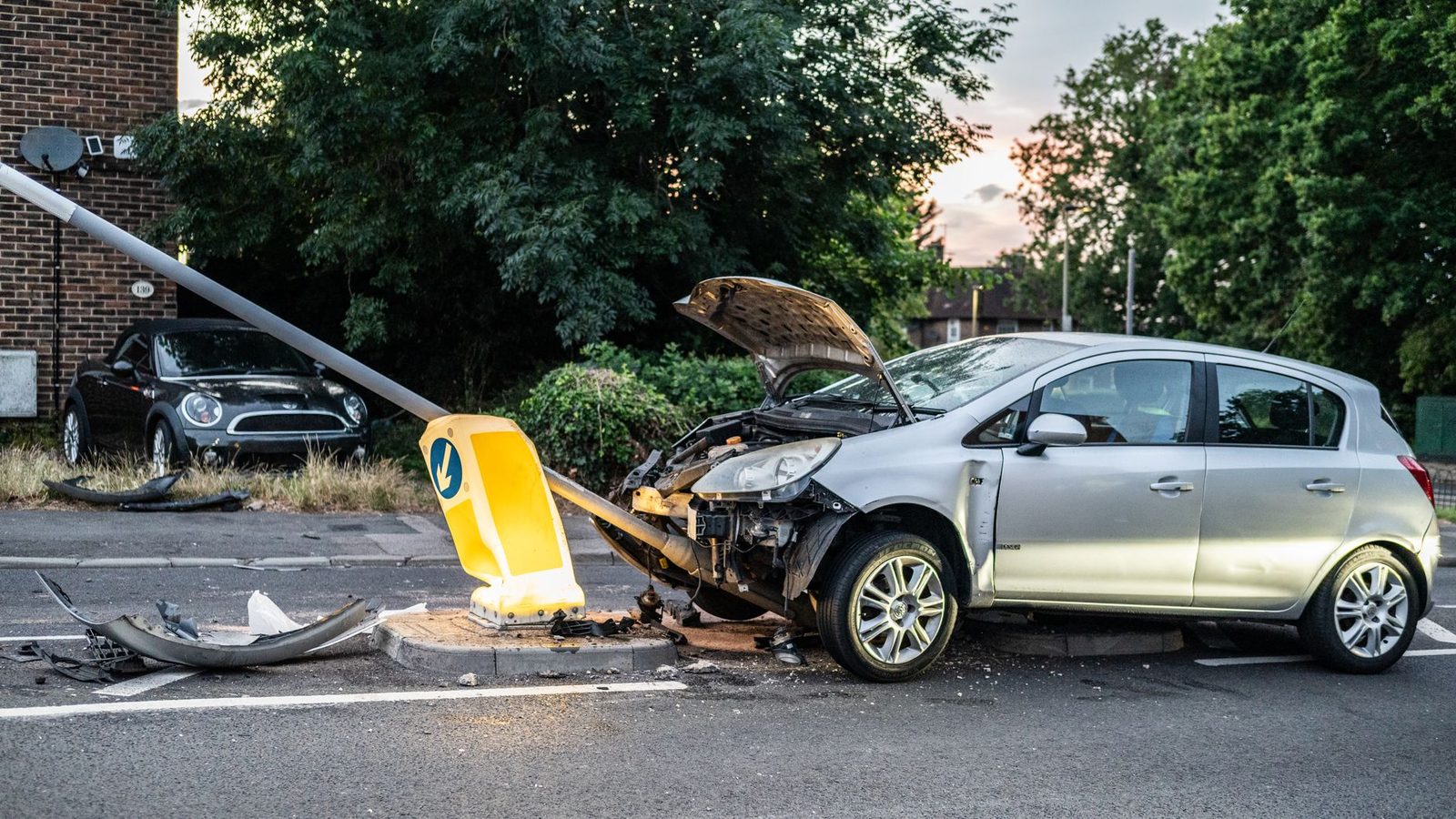
Uninsured Motorist Coverage and Unidentified Drivers
Uninsured motorist coverage is written for losses caused by drivers who have no insurance, and also for cases where the driver’s insurer is insolvent and unable to make full or partial payment. It can also come into play when the driver cannot be identified at all. Georgia requires auto liability policies issued to an owner or by a licensed insurer on a vehicle principally garaged or principally used in Georgia to contain this kind of endorsement, as O.C.G.A. § 33-7-11 describes. O.C.G.A. § 33-7-11 reads: “(a)(1) No automobile liability policy or motor vehicle liability policy shall be issued or delivered in this state to the owner of such vehicle or shall be issued or delivered by any insurer licensed in this state upon any motor vehicle then principally garaged or principally used in this state unless it contains an endorsement or provisions undertaking to pay the insured damages for bodily injury, loss of consortium or death of an insured, or for injury to or destruction of property of an insured under the named insured’s policy sustained from the owner or operator of an uninsured motor vehicle, within limits exclusive of interests and costs which at the option of the insured shall be.”
You may reject the coverage in writing, or affirmatively choose uninsured motorist limits in an amount less than the limits of liability. Because that choice changes what you can collect, it is worth reading your policy closely.
Claims with an unknown driver can be harder to prove. Under O.C.G.A. § 33-7-11(a)(2), recovery generally requires actual physical contact with the unknown vehicle, unless an eyewitness other than the claimant corroborates the account. The details you record at the scene can matter to your claim, especially if another vehicle was involved.
Collision Coverage and Damage to Your Own Vehicle
Collision coverage can pay to repair your vehicle after a crash, minus your deductible. The deductible is the amount you pay out of pocket before the insurer pays the rest. When the other driver is unknown, a collision claim runs through your own insurer.
Collision coverage generally does not pay for mechanical breakdown or normal wear. It also usually does not cover personal belongings left in the car. Read your policy to confirm what your coverage includes.
Some drivers do not carry collision coverage. If you don’t, the statute on uninsured motorist coverage is worth a look, because it also addresses injury to or destruction of an insured’s property. Whether it helps with your repairs depends on your policy and the facts of the crash.
Medical Payments Coverage and Injury Bills
Medical payments coverage can help pay medical bills for you and your passengers, regardless of who caused the crash. The limit is shown on your policy, and it caps what the coverage will pay.
Bills matter beyond your policy, too. Georgia law says necessary expenses from an injury are a legitimate item in the estimate of damages, under O.C.G.A. § 51-12-7. Medical costs are special damages, which O.C.G.A. § 51-12-2 says must be proved to be recovered.
Special damages for medical and healthcare expenses are limited to the reasonable value of medically necessary care, treatment, or services, and the amount is decided by the trier of fact, under O.C.G.A. § 51-12-1.1. Keep every medical bill, receipt and treatment record from the crash. Missing paperwork is one of the most common ways a claim gets slowed down.
Does Insurance Investigate a Hit and Run?
Yes, your insurer usually opens its own investigation once you report the crash. Investigators commonly review the police report, photos of the scene and damage, witness statements and any nearby video.
An unidentified driver can slow a claim. With no other driver to contact, the insurer may ask more questions and request more records before it decides.
When the at-fault driver cannot be identified, O.C.G.A. § 33-7-11(a)(2) applies the physical-contact or eyewitness condition described above to recovery under the uninsured motorist endorsement, and other subsections of that statute add further conditions, such as reporting the accident as O.C.G.A. § 40-6-273 requires. Whether it does depends on the coverage you carry and the facts you can document.
Reporting to Your Insurer: What to Say and What to Avoid
Reporting the accident to your insurer promptly is worth doing, even for a smaller crash. Your policy may require prompt notice, so read the notice terms in your policy.
Stick to the facts you know. Describe what you saw and heard, and when it happened. Avoid guessing about speed, fault or how badly you were hurt. Early guesses can be repeated back to you later.
Keep a written record of every call. Note the date, the claim number and the adjuster’s name. Write down what was said, too.
Filing an insurance claim and filing a lawsuit are separate steps. Under O.C.G.A. § 9-3-33, except as otherwise provided in that article of the Georgia Code, actions for injuries to the person must be brought within two years after the right of action accrues, while the same section sets one year for injuries to reputation and four years for actions involving loss of consortium.
Not sure what your next step is?
Talk it through with our team — the first consultation is free, confidential, and carries no obligation.
Talk With Our Team About Your Hit and Run
If you were hurt or your car was damaged and the driver left, you may be juggling medical visits, repairs and an insurer’s questions all at once. Talking through your situation can help you see your next steps more clearly. T. Madden & Associates, P.C. has been in practice since 1999 and represents people hurt in car crashes, among other matters. Our free first consultation is confidential and comes with no obligation. You can reach our team here.
Frequently asked questions
Can I use my own uninsured motorist coverage after a hit and run in Georgia?
Yes, your own uninsured motorist coverage may apply after a hit and run, depending on your policy.
Georgia’s deadline for personal injury lawsuits is generally two years after the right of action accrues, but loss of consortium actions must be brought within four years and injuries to reputation within one year (O.C.G.A. § 9-3-33).
Disclaimer: This page is general information, not legal advice, and it is not a promise of any result. Terance Madden is the responsible lawyer for this page at T. Madden & Associates, P.C., with offices in Jonesboro, Atlanta, Decatur, Macon and Augusta. Contact: tmaddenlaw.com/contact.
How We Help After a Hit and Run
Available 24/7
Call us any time to talk through what happened after a crash involving a driver who left the scene.
Review of Your Policy
We help you understand which coverages on your own policy may apply, such as uninsured motorist, collision and medical payments coverage.
Advocacy With Insurers
We focus on communicating with insurance companies so you can concentrate on your recovery.
Attention to Your Situation
Our team listens to your account of the crash and explains your options in plain language.
Before You Speak With an Insurer
Report the crash to the police as soon as you can, and write down everything you remember about the other vehicle. Be careful about giving a recorded statement or signing any settlement paperwork before you have talked with a lawyer about your claim.
Coverage That May Apply After a Hit and Run
Uninsured Motorist Coverage
If the driver who hit you could not be identified or had no insurance, this coverage on your own policy may apply, depending on the terms of your policy.
Collision Coverage
This coverage may help pay to repair or replace your vehicle, subject to your deductible and policy terms.
Medical Payments Coverage
Medical payments coverage may help with medical bills from the crash, regardless of who was at fault, if your policy includes it.
Other Policies and Claims
Depending on the facts, other insurance, including coverage tied to a vehicle you were occupying, may also come into play. We review each policy with you.
Talk With T. Madden & Associates About Your Hit-and-Run Claim
Related practice areas
- Car Accident Lawyer in Georgia: What to Do After a Crash and How a Claim Works
- Can I Sue for Emotional Distress in GA? Georgia Law