

Burn Injury Truck Crash Lawyer | Clayton County, GA
Burned in a truck crash? Start with a free, confidential conversation.
Burn injuries from a big-rig crash need careful medical records, and the firm can help you organize them from the first call.
T. Madden & Associates, P.C.
1999
Year the firm began practicing law
5
Offices, including Jonesboro in Clayton County
Free
First consultation, confidential and with no obligation
By Terance Madden · Published November 7, 2026
A truck crash that starts a fire can leave you with burns that need months of treatment. If that is your situation, you may have a claim when someone else’s fault caused the crash or the fire. Georgia law generally requires injury claims to be filed within two years (O.C.G.A. § 9-3-33).
This page explains what a claim can cover, who may be responsible, and what happens after you call.
Who This Page Is For: Burn Injuries From a Truck Crash
This page is for the person who was burned, and for the spouse, parent or adult child now handling care, bills and insurance calls.
Burns in a truck crash usually come from a few sources. A fuel tank may rupture. An electrical fault may start a cab fire. Hot cargo or spilled fluid may burn a driver or a bystander.
If your crash happened in Clayton County or near Jonesboro, the firm’s Jonesboro office serves you. T. Madden & Associates, P.C. has been in practice since 1999. The firm handles truck crash, car crash and catastrophic injury cases in Georgia.
Still in treatment? Start a free case evaluation to see whether your crash facts fit a claim.
If a truck crash burned you or someone you love, you may have a claim, and our team can review the facts with you at no cost. Talk it through with our team — the first consultation is free, confidential, and carries no obligation.

What a Burn Injury Truck Crash Claim Can Cover
A claim can seek payment for your medical costs, lost income, and the pain and scarring the burns cause.
Special damages, such as medical bills and lost wages, must be proved.
Common items in burn claims include:
- Emergency care, hospital stays and burn unit treatment
- Burn surgery, skin grafts and reconstruction
- Wound care, dressings, medication and therapy
- Lost wages and lost ability to work
- Pain, disfigurement and permanent scarring
- Future care, which can be costed in a life care plan
Future economic losses may be reduced to present value.
Big Insurance adjusters often open with a low offer, before the full burn treatment is known. An insurer’s first offer is rarely what a claim is worth. Send only what supports the claim: medical records, bills and wage proof. Do not sign a release until your treatment is documented.
Federal rules also set minimum insurance levels for many commercial trucks. For example, a for-hire truck with a gross vehicle weight rating of 10,001 pounds or more, hauling nonhazardous freight in interstate or foreign commerce, must carry at least $750,000 under federal insurance minimums. Those are minimums, not the value of any claim.
Who Can Be Responsible When a Truck Burns
More than one party can share responsibility, and a claim can address each party whose fault played a part.
The driver can be responsible. So can the trucking company. A maintenance shop, a cargo loader, or a maker of a fuel tank or other part may also share fault.
In Quynn v. Hulsey, the Georgia Supreme Court concluded that the Respondeat Superior Rule has been abrogated; O.C.G.A. § 51-12-33 provides that the judge shall reduce the amount of damages otherwise awarded to the plaintiff in proportion to his or her percentage of fault, and the plaintiff shall not be entitled to receive any damages if the plaintiff is 50 percent or more responsible for the injury or damages claimed.
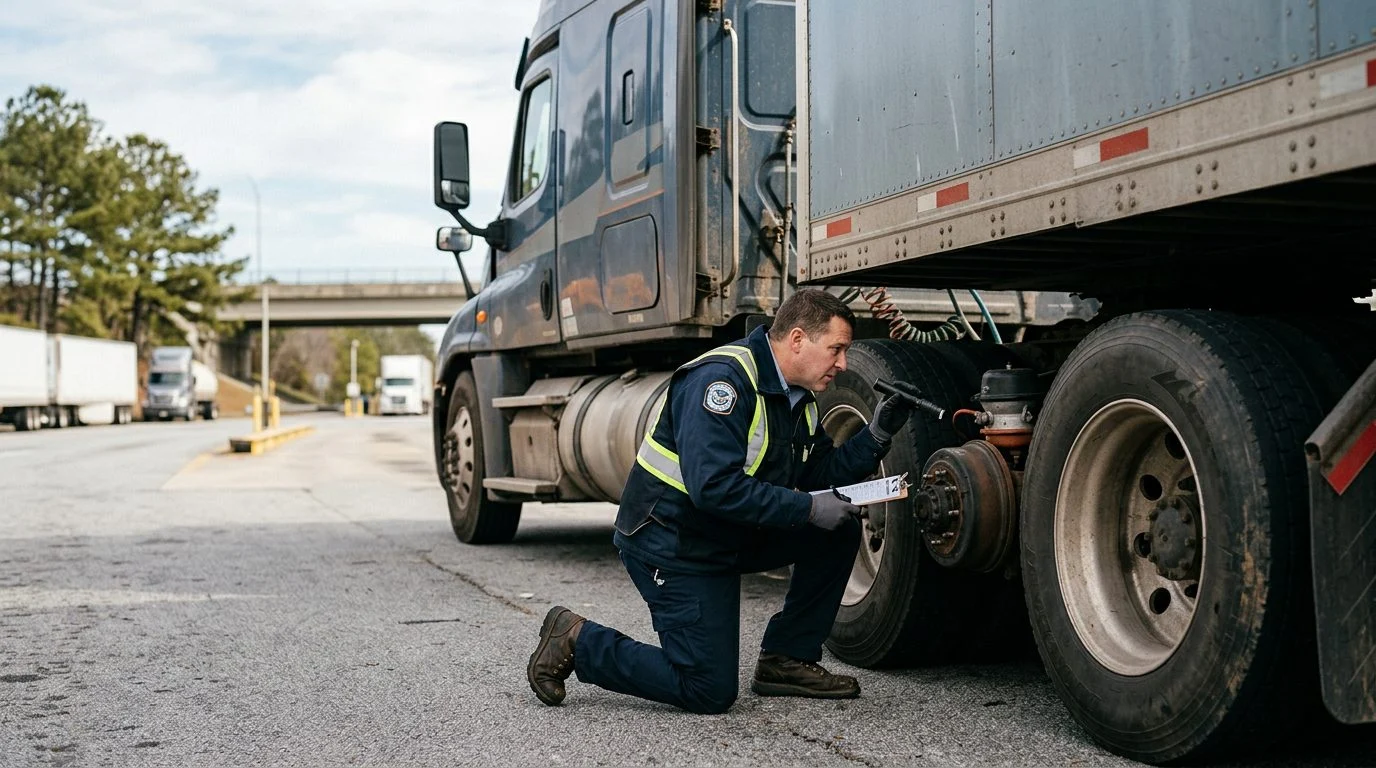
Driver records and fire evidence matter. Federal rules require a motor carrier to keep each driver’s record of duty status for at least six months from the date of receipt, in federal driver log rules. These records show where the driver was at each change in duty status. Federal fuel tank rules require tanks over 25 gallons to have a venting system that keeps a fire from rupturing the tank, under federal fuel tank standards.
Terance Madden’s engineering degree helps him read crash data and explain how a tank or wiring may have failed. Bring your crash report and photos to a free case review, and the firm will map out who may share responsibility.
What to Expect: Steps, Timeline and the Georgia Deadline
The case moves from a free consultation to evidence gathering, insurer talks and, only if needed, a lawsuit.
- First consultation. It is free, confidential and comes with no obligation to continue.
- Evidence. Request the crash report, photos and truck company records early. Carriers must keep duty records for at least six months from the date of receipt, so delay can cost you proof.
- Medical record. Burn care comes in stages. Surgeries, grafts and scar treatment need dated records.
- Insurer talks. The claim goes to the insurer, then into negotiation. You make the decisions at each stage.
- Suit if needed. How long each step takes depends on the facts.
For most Georgia injury claims, the deadline is two years after the right of action accrues, under Georgia’s injury filing statute. A loss of consortium claim has four years under the same statute. Do not wait for treatment to end before you act.
Recovery, Home Care and the Person Managing It
The family member who manages care usually holds the calendar, the receipts and the insurance calls. That person needs a system from the start.
Keep these records in one place:
- Appointment dates and each provider’s name
- Receipts for medicine, supplies and parking
- Mileage to and from appointments
- Missed work days and pay records
- A daily note of pain, limits and dressing changes
- Every insurer letter, with a copy kept
Home care that your doctor orders is a cost you can document. Keep the orders, invoices and dates with the rest of the records. The firm can work with the family member who manages care, so records and questions move through one organized channel.
How the Firm Handles Burn Injury Truck Crash Cases
T. Madden & Associates, P.C. has been in practice since 1999, led by attorney Terance Madden. The firm has offices in Jonesboro, Atlanta, Decatur, Macon and Augusta.
The firm’s lawyers are Terance Madden and Shenia Madden. Our team handles intake, records and follow-up, so your questions have one place to go.
The first consultation is free, confidential and without obligation to continue.
To prepare, bring the crash details, medical bills, discharge papers and any letters from the insurer.
Not sure what your next step is?
Talk it through with our team — the first consultation is free, confidential, and carries no obligation.
Common Questions About Burn Injury Truck Crash Claims
Can I still make a claim if I was partly at fault?
Georgia reduces your damages by your share of fault. If you are 50 percent or more responsible, you recover no damages, under Georgia’s fault statute.
Do I have to go to court?
Many claims resolve before trial. A lawsuit is filed only when the claim cannot be resolved fairly.
What if my burns are still healing?
The firm documents treatment as it continues. The two-year deadline still applies.
Will the trucking company’s insurer contact me?
Send insurer calls to the firm and keep a copy of every letter.
If a truck crash has left you in treatment and unsure what comes next, reach out through our contact page at any hour for a free case evaluation.
Related practice areas
- Catastrophic Injury Lawyer in Clayton County and Georgia
- Disfigurement Car Crash Lawyer in Jonesboro, GA