

Lithium Battery Fire Lawyer | Clayton County and Jonesboro
Hurt in a Lithium Battery Fire in Clayton County?
Your home, your family and the evidence all matter. Talk with Terance Madden and our team about what went wrong and what your options look like.
Why people call T. Madden & Associates, P.C.
1999
Practicing law since
24/7
Call us any time
Free
Confidential first consultation, no obligation
By Terance Madden · Published November 13, 2026
Your house filled with smoke, or a phone battery burned someone in your family, and now the bills are piling up. Who pays? In most battery fire cases, the company that made, imported or sold the defective product is the one that answers for it, not the family that owned it. Here’s what to know about who pays, what to protect, and how Big Insurance tends to respond.
When a Lithium Battery Starts a Fire in Clayton County, Who Pays?
Usually, the maker pays first. A battery that burns or explodes because it was defective points to the company that made, designed, imported or sold it.
The legal area here is product liability (the duty of makers and sellers to make safe products and warn about known dangers). Under O.C.G.A. § 51-1-11, a manufacturer of new personal property can be liable to a person who is hurt, when the product was not merchantable (fit for sale and ordinary use), was not reasonably suited to its intended use, and its condition when sold is the proximate cause of the injury. You do not need a direct contract with the maker.
A device can look normal the day before it fails. The problem may sit inside the cells, the battery circuit or the charger, where the family never looks. That is why a battery fire can be a product claim even when nothing seemed wrong.
The firm works these claims from its Jonesboro office in Clayton County and serves families across the county.
Not sure what your next step is?
Talk it through with our team — the first consultation is free, confidential, and carries no obligation.
Why Lithium-Ion Batteries Fail and What the Evidence Shows
Lithium-ion batteries burn when a cell overheats faster than it can cool. Engineers call this thermal runaway (a cell heating itself in a runaway loop).
Defective, damaged or poorly built cells can start that process. So can a charger that does not match the battery, or a cheap off-brand part. Families in Clayton County often see this in phone and laptop batteries, power tool packs, hoverboards, scooters, e-bikes and the chargers that come with them.
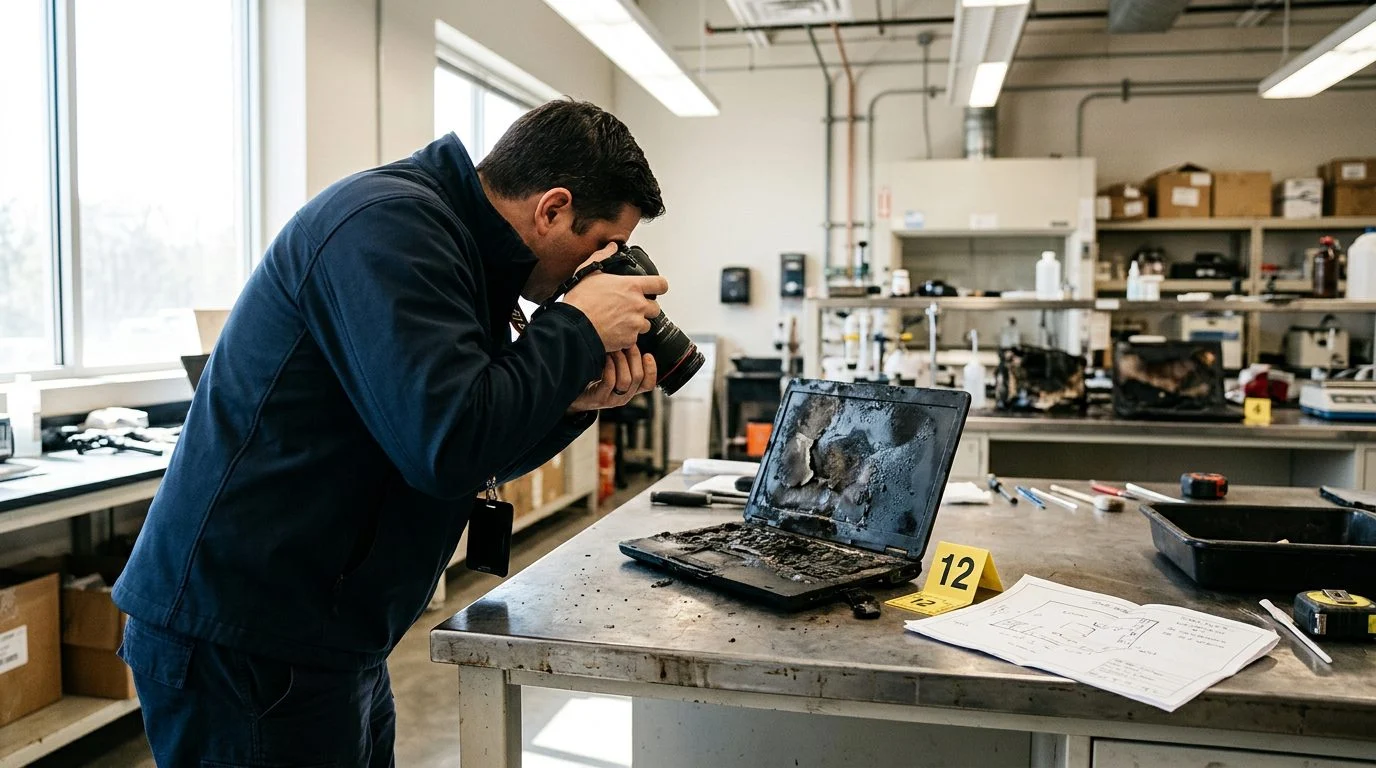
Terance Madden holds a B.S. in Electrical Engineering and trained as an electrical engineer before law school. He starts by asking what failed and why. He reads the battery, the charger, the wiring and the fire scene. He looks at certification labels, the origin-and-cause investigation that traces where the fire began, and the records that must be preserved. That is how an engineer’s training shapes the case.
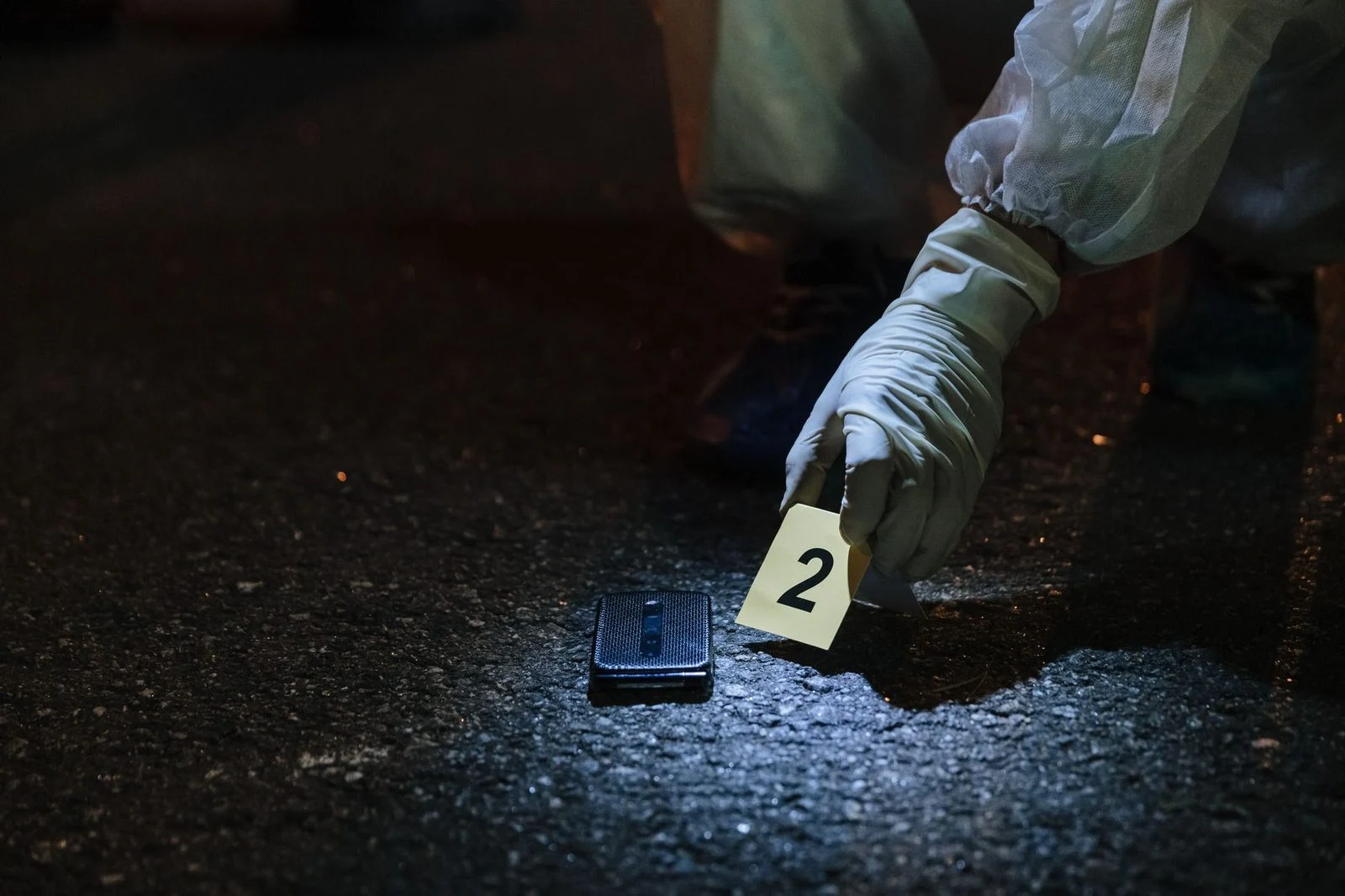
Keep the device, charger and cords exactly as they are. Don’t repair, clean, recharge or throw them out. Once the evidence is lost or changed, proving what failed gets much harder.
Who Else Can Be Held Liable in a Battery Fire Claim
More than one company can share responsibility for the same fire. Possible targets include the manufacturer, the maker of a battery cell inside the pack, the importer, the distributor, the online or retail seller and the maker of a separate charger or adapter.
Georgia law makes the jury look at all of them. Under O.C.G.A. § 51-12-33, the jury must consider the fault of everyone who contributed to the injury, even people who were not named in the suit. Each liable person pays only its own share. Damages are not joint liability (one company is not on the hook for another’s share). Quynn v. Hulsey
A store that only sold the product is treated differently. Under O.C.G.A. § 51-1-11.1, a product seller is not liable as a manufacturer for strict liability (liability without proof of carelessness). So tracing who made the device matters.
A battery sold under a brand no one can trace to a real maker raises its own questions. The firm checks who stood behind the product, who imported it and where it was sold.
Age matters too.
What Clayton County Families Should Do Right Away
Get medical care first, then protect the evidence, and contact T. Madden & Associates, P.C. before you give any insurer a recorded statement (a taped or written account of what happened).
Photograph the scene and the damage. Keep the receipt and packaging. Save the fire report number. Write down what happened while your memory is fresh.
Big Insurance is not on your side. Its adjusters often ask for a recorded statement early, and words said in a hurry can be used later to shrink the claim. Expect a low first offer, delays while the file sits, and arguments that the owner misused or overcharged the battery, or that the treatment was not needed.
A first offer is rarely what a claim is worth. Don’t sign a release or accept a number until someone has reviewed the full cost of the injury.
The firm pursues every coverage layer that applies. That can include the at-fault company’s liability coverage, a homeowner or renter policy, any umbrella or excess policy and corporate coverage, where it fits.
Time limits matter. Georgia’s general deadline for personal injury claims is two years after the right of action accrues (the date the claim first arose), under O.C.G.A. § 9-3-33.
Burn Injuries, Wrongful Death and Lifetime Losses
A battery fire can leave losses that last for decades, and a fair claim counts all of them.
Catastrophic injury means harm with lasting limits: severe burns, smoke inhalation, scarring, lost work and changes to daily life. Under O.C.G.A. § 51-12-2, general damages are presumed from the wrong and need no proof of an amount. Special damages, such as bills, must be proved. Under O.C.G.A. § 51-12-1.1, medical charges are limited to the reasonable value of medically necessary care.
Lifetime damages cover more than bills already paid. They can include future surgery, therapy, lost earning ability and daily help. Under O.C.G.A. § 51-12-13, the jury may reduce future economic losses to present value (today’s dollar value of future money), using a 5 percent discount rate or another rate it deems appropriate.
Often a spouse, mother or adult daughter is the one tracking appointments, bills, insurance calls and paperwork. That person carries real weight in the case. The firm treats that work as part of the claim.
When a battery fire takes a life, the family may have a wrongful death claim (a suit brought by the family after a death caused by another’s wrongful conduct). Under O.C.G.A. § 51-4-2, a surviving spouse, or if there is none, the children, may recover the full value of the life of the decedent (the person who died), as shown by the evidence. Any amount recovered is equally divided, share and share alike, among the surviving spouse and the children per capita, with the surviving spouse receiving no less than one-third of the recovery.
Start Your Free Case Evaluation for a Clayton County Battery Fire
If a battery fire burned your home or took a loved one, a free case evaluation is the first step.
Maybe the device is still sitting in the house. Maybe an insurance company is already asking for a statement, and you don’t know what to say. Those are the moments when the facts are easiest to lose.
The first consultation is free, confidential, and carries no obligation to continue.
Terance Madden is the responsible lawyer for this page at T. Madden & Associates, P.C.
Reach out to start your free case evaluation at any hour, or call the Jonesboro office 24/7. Bring the device, charger, photos and medical records.
Not sure what your next step is?
Talk it through with our team — the first consultation is free, confidential, and carries no obligation.

Frequently Asked Questions
What should I do first after a lithium battery fire in my home?
Get everyone out, then call 911. After that, keep the device and battery where they are and call T. Madden & Associates, P.C. for a free, confidential consultation before anyone throws away the evidence.
Can I make a claim if the battery came from a brand I’ve never heard of?
Yes, possibly. Off-brand and counterfeit batteries can support a product liability claim, which is a lawsuit that says a defective product caused the harm. Whether your claim holds up depends on the facts, so the firm offers a free first consultation with no obligation to continue.
Who can be held responsible when a lithium-ion battery fails?
Responsibility can reach past the brand on the label. It may include the manufacturer, the designer, the seller, the importer, and anyone who repackaged or modified the battery or charger. Terance Madden holds a B.S. in Electrical Engineering, so he starts by asking what the failed battery shows about how the fire began.
How long do I have to file a lawsuit after a battery fire or a family loss?
Under O.C.G.A. § 9-3-33, actions for injuries to the person must be brought within two years after the right of action accrues, except that claims for loss of consortium have four years and claims for injury to reputation have one year. Call early, because the deadline keeps running while the investigation is still underway.