

Lithium Battery Fire Lawyer · Decatur, Georgia
Hurt in a Battery Fire? Get Answers From a Decatur Lawyer Who Reads the Evidence
T. Madden & Associates, P.C. represents people injured, and families who lost someone, in fires and explosions tied to defective lithium-ion batteries and other defective products.
About the firm
1999
Practicing personal injury law since
Free
First consultation, confidential, no obligation
24/7
Call us any time
By Terance Madden · Published November 13, 2026
Your phone, e-bike, or power tool battery caught fire. Now there are burns, a damaged room, and bills piling up. The short answer: a lithium battery that burns or explodes is often a product defect case, and the company that made or sold it may be legally responsible for the harm.
That makes this less about bad luck and more about what failed and who put that product on the market.
Why a Lithium Battery Fire Is Often a Product Case
A battery that burns or explodes is often a product problem, not bad luck. Lithium-ion batteries are the rechargeable cells in phones, laptops, e-bikes, scooters, power tools, and home battery packs. They pack a lot of energy into a small space.
When a cell is damaged, badly made, or charged with the wrong equipment, it can overheat and catch fire.
A defect usually takes one of three forms. It can be a manufacturing flaw, where one unit came off the line wrong. It can be a design flaw, where the whole model carries the risk. Or it can be a failure to warn, where the buyer never learned about the danger.
Off-brand and counterfeit batteries are a common source of these fires. They often skip the testing and safety checks that name-brand products go through.
If a battery fire burned you or someone you love in Decatur, you may have a claim against the company that made or sold that battery, and our team can review it with you. Talk it through with our team — the first consultation is free, confidential, and carries no obligation.

Who Can Be Held Responsible for a Battery Fire
Responsibility can reach more than one company. Georgia law lets an injured person sue the manufacturer of a product sold as new, even without a direct contract with that company. Under O.C.G.A. § 51-1-11, the manufacturer can be liable in tort, regardless of privity (a direct contract between the parties), when the product was not merchantable and not reasonably suited to the use intended, and its condition when sold caused the injury.
The statute also says a product seller is not a manufacturer for strict liability and is not liable as one, and it does not create a cause of action.
A repair shop or a charger maker can also share fault when the facts support it. The battery’s history matters as well, including recalls and safety notices.
What the Evidence Shows and How an Engineer Reads It
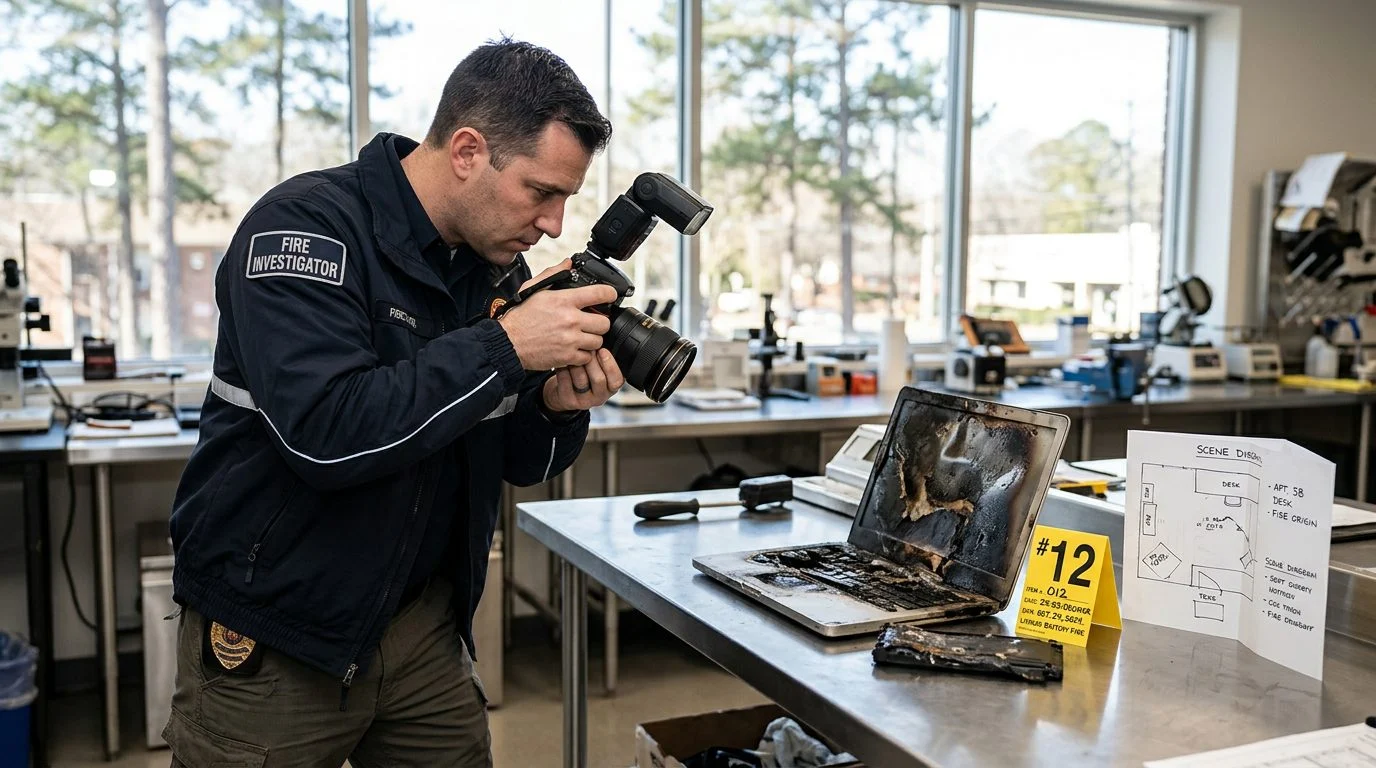
The physical evidence usually shows what happened, so keep it. Do not throw away the device, the charger, the packaging, or the manual.
Terance Madden trained as an electrical engineer before he became a lawyer. Before law school, he trained as an electrical engineer. That shapes how he starts a case. He asks what the evidence shows and how the fire started.
He looks at the battery cells, the charging circuits, any certification marks, and where the fire began. Burn patterns and cell damage can help separate a manufacturing flaw from damage done after the sale. That answer often decides who is responsible.
The duty to keep evidence can start early. In Phillips v. Harmon, the Georgia Supreme Court said the duty to preserve evidence arises when litigation is reasonably foreseeable to the party controlling it, not only once a suit is filed.
When Big Insurance Calls After a Battery Fire
Big Insurance is not on your side. A first offer is rarely what your claim is worth.
Expect early calls asking for a recorded statement. Expect a quick, low offer made before the medical bills are known. Expect a “misuse” argument, such as blaming the owner for charging overnight or using the wrong charger. Expect delays and fights over whether the burns or smoke injuries came from the battery at all.
The response is to pursue every coverage layer. That can include the product maker’s liability coverage, the homeowner’s or renter’s policy, any umbrella or excess policy, and corporate coverage. Where a vehicle or e-bike is involved, UM/UIM coverage may apply too.
Georgia also limits recovery when the injured person shares fault. Under O.C.G.A. § 51-12-33, damages are reduced in proportion to the injured person’s percentage of fault. If that share is 50 percent or more, no damages are recovered.
The Georgia Office of Insurance and Safety Fire Commissioner advises claimants not to rush to accept an offer. Read the Georgia insurance claim tips before you sign anything.
For the Family Managing the Recovery in Decatur
The person running the recovery needs a simple paper trail. That may be a spouse, a mother, or an adult daughter handling appointments, bills, and calls.
Keep every bill and discharge paper. Photograph the burns and the damaged items. Write down dates and who was there. Store the device and charger somewhere safe. Keep a log of missed work.
Burn and smoke injuries can need long care, so ask that records note future treatment, scarring, and therapy.
For most personal injury suits, O.C.G.A. § 9-3-33 sets two years from when the right of action accrues. Claims against a manufacturer for product injuries generally must be brought within ten years from first sale under O.C.G.A. § 51-1-11, except an action seeking to recover from a manufacturer for injuries or damages arising out of the negligence of such manufacturer in manufacturing products which cause a disease or birth defect, or arising out of conduct which manifests a willful, reckless, or wanton disregard for life or property. The deadline that applies to your case depends on its facts, so do not wait.
Our Decatur office keeps communication plain and steady, with no heavy legal jargon. The Terance Madden Foundation supports community work, but that work is separate from how we handle your claim.
Can a family member see the medical records after a death?
Yes. Under Georgia law, the executor or administrator of the estate may request them. If none has been appointed, the request can come from the surviving spouse, then a surviving child, then a parent.
Should I keep the battery after a fire?
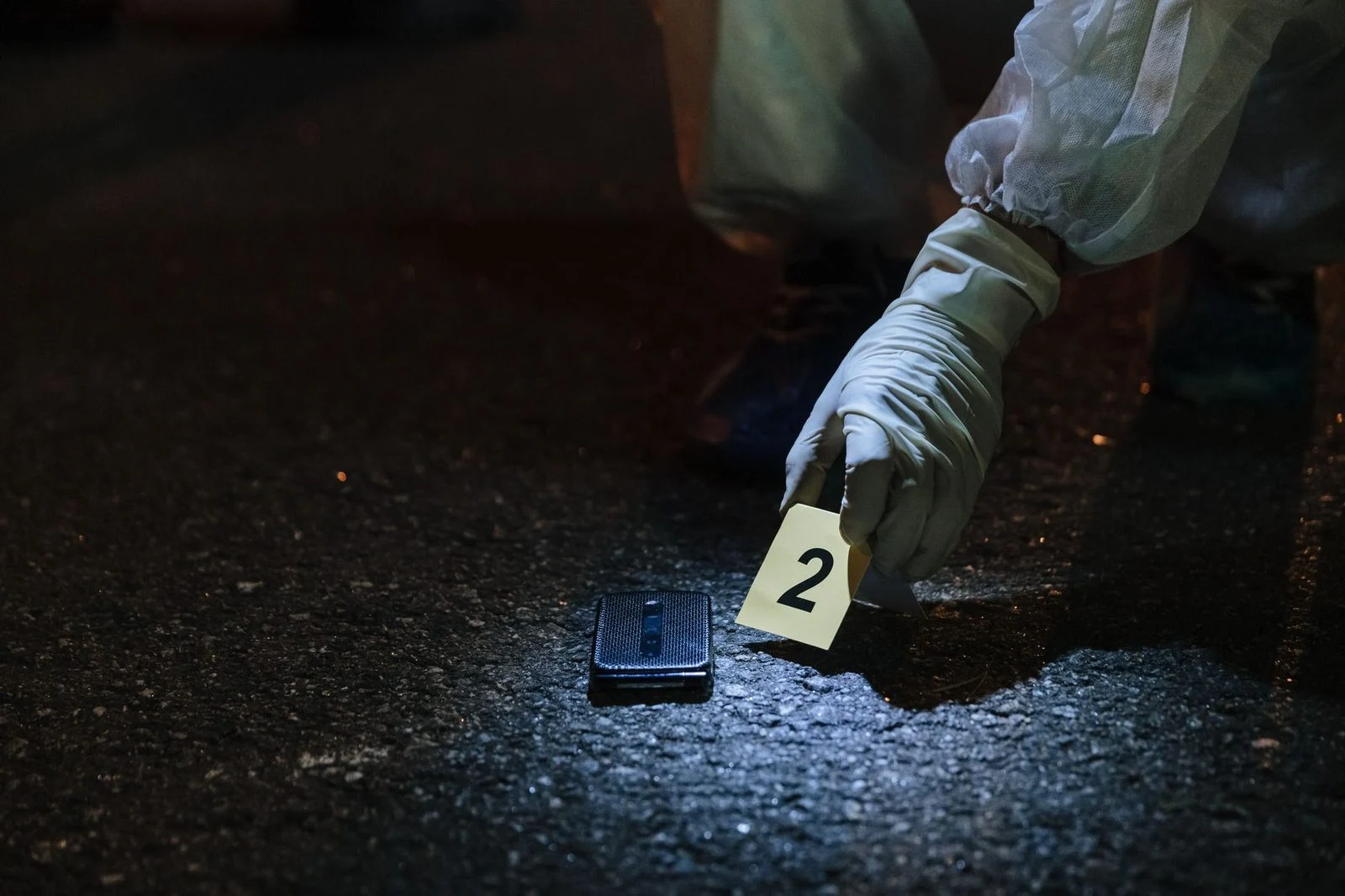
Yes. Keep it, its charger, and its packaging in a safe place. Do not repair or discard it.
Get a Free Case Evaluation for a Decatur Battery Fire
A burned phone, a scorched kitchen, and a hospital bill can all come from one battery. If you are holding those pieces now, start a free case evaluation at T. Madden & Associates. Your first consultation is free, confidential, and carries no obligation to continue.