


Slip and Fall Lawyer | Georgia
Hurt in a Fall on Someone Else's Property? Know Your First Steps.
Learn the key rules for Georgia slip and fall claims and what to do right after a fall. T. Madden & Associates, P.C. has been helping injured people since 1999.
About T. Madden & Associates, P.C.
1999
Year the firm began practicing law
5
Offices in Georgia
Free
First consultation, confidential and with no obligation
24/7
Call us anytime
By Terance Madden · Published November 1, 2026
A slip and fall lawyer helps people hurt on someone else’s property sort out who may be responsible and what Georgia law requires. In Georgia, a property owner can be liable when it fails to use ordinary care to keep its premises safe for people it invites in. This guide covers who pays, what to do first, the key deadlines and fault rules, and when it makes sense to talk with T. Madden & Associates, P.C. about your fall. The firm has practiced since 1999.
Georgia Slip and Fall Claims at a Glance
Three rules shape most Georgia slip and fall claims: the owner’s duty, the filing deadline, and the fault bar. O.C.G.A. § 51-3-1 says an owner or occupier who invites people onto its land must use ordinary care to keep the premises and approaches safe. If it fails to do that and you are hurt, it may be liable for your injuries.
The second rule is time. Under O.C.G.A. § 9-3-33, actions for injuries to the person must generally be brought within two years after the right of action accrues, except that actions for injuries to the person involving loss of consortium must be brought within four years after the right of action accrues. Waiting too long can end a claim, even a strong one.
The third rule is fault. Under O.C.G.A. § 51-12-33, a plaintiff who is 50 percent or more responsible for the injury cannot recover damages. Below that line, the award is reduced by your share of fault.
These three rules are the starting point, not the whole story. The sections below explain each one in more detail, along with the steps and evidence that often come up in these cases.
If a fall on someone else's property left you hurt and an insurer is already calling, our team can talk through your options with you, with no obligation. Talk it through with our team — the first consultation is free, confidential, and carries no obligation.
Who Pays After a Slip and Fall in Georgia
A slip and fall claim is usually made against the party responsible for the property. Payment usually comes through that party’s liability insurance. The policy limits can affect how much money is available, so the policy matters.
The responsible party may be the owner, a property manager, or another party that controlled the area where the fall happened. Which one it is depends on who owned, leased, cleaned, or maintained that spot. A store, an apartment complex, and a parking lot often have different owners and managers, so the records matter.
Our firm handles personal injury cases on a no-fee-unless-we-win basis. You may still be responsible for court costs and case expenses, whatever the outcome.
Our first consultation is free, confidential, and comes with no obligation to continue. That gives you a chance to ask who may be responsible before you decide anything.
What the Property Owner Knew or Should Have Known
Georgia cases focus on what the owner knew or should have known about the hazard.
Two kinds of knowledge matter.
Time often shows which kind applies. A spill that sat for an hour may tell a different story than one that sat all afternoon. Staff logs, cleaning schedules, and witness accounts can show how long the hazard existed. Whether that proof is enough depends on the facts of each case.
Common Causes of Slip and Fall Accidents
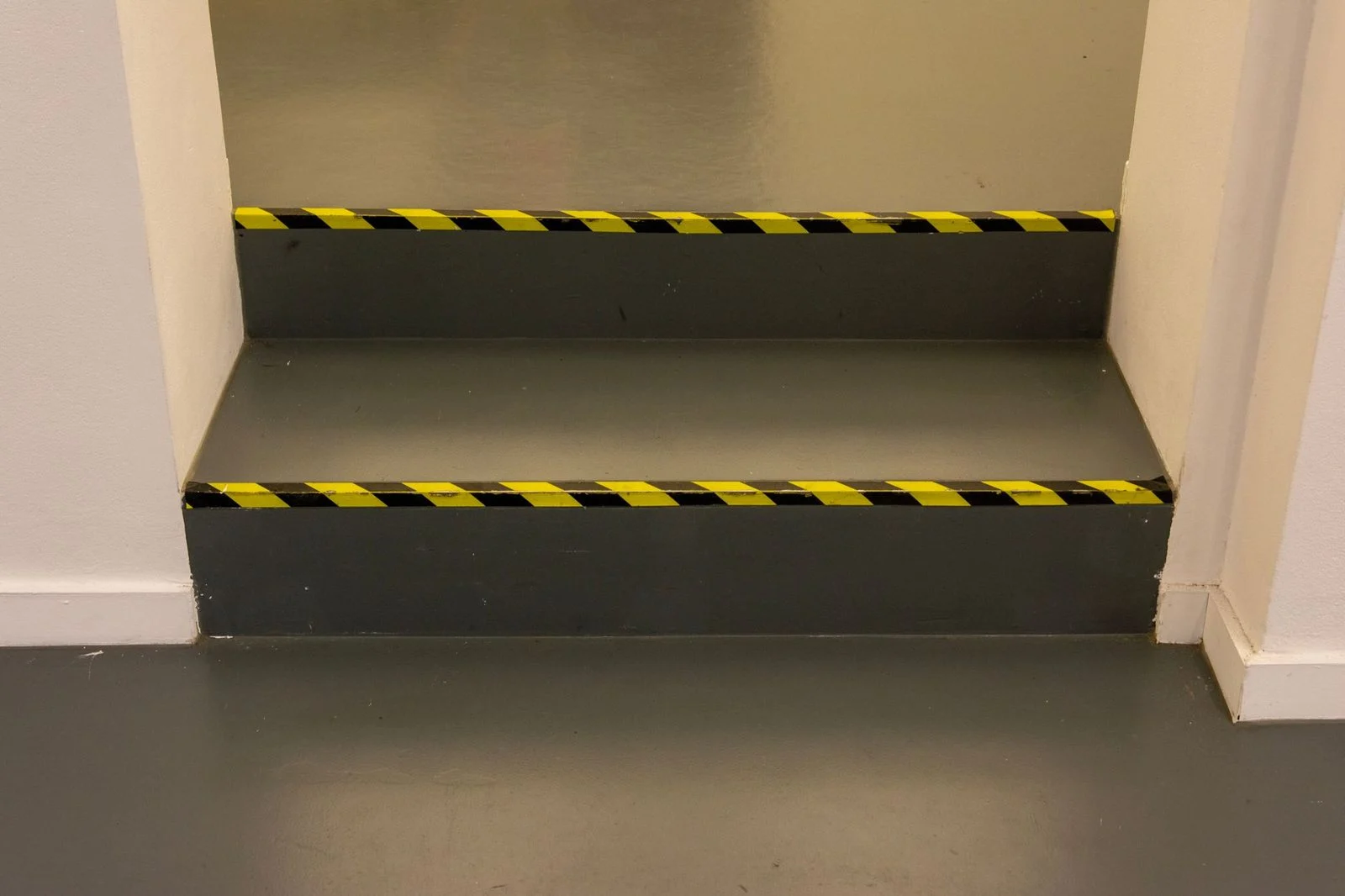
Most slip and fall accidents involve a hazard that was wet, uneven, icy, cluttered, or poorly lit. Wet or freshly mopped floors without warning signs are a frequent cause. So are icy or poorly cleared walkways, cracked pavement, torn carpet, loose stair treads, and debris left in aisles.
Falls happen on many kinds of property. Stores, restaurants, apartment complexes, office buildings, and parking lots all see them. A fall on a staircase or ramp often raises questions about the design and upkeep of that feature.
Published standards can show what safe upkeep looks like. OSHA’s walking-working surfaces rules are federal workplace standards that cover housekeeping, floor hazards, stairs, and handrails.
They can still help show what a reasonable owner should have done.
Evidence That Shows What Happened
The evidence that matters most shows the hazard, how long it was there, and what the owner did about it. Start with what you can capture at the scene or soon after.
Photographs are often the most useful. Take pictures of the hazard, the surrounding area, the lighting, and the shoes and clothing you wore. Write down the names and phone numbers of anyone who saw the fall, and of any staff member who responded.
Ask for an incident report, and keep a copy. Maintenance and inspection records, cleaning logs, and prior complaints can show whether the owner knew about the problem. Surveillance video can be strong proof, but video can be written over or erased. Early preservation matters.
Think of this as a guide to what a lawyer will review, not a substitute for a professional look at your case. Every fall is different, and the records that matter depend on where it happened.
What to Do First After a Fall
Get medical care first, even if the injury seems minor. Some injuries show up hours or days later, and an early exam creates a record of what happened.
Tell every provider exactly how the fall happened. Describe the hazard, where you landed, and what hurt. Consistent details help your doctors and later help the claim. Avoid guessing about things you did not see.
Report the fall to the owner or manager, and ask that an incident report be made. Keep a copy of anything you sign. If you can, photograph the scene as soon as it is safe.
Keep records. Save medical bills, prescription receipts, and mileage to appointments. Note any work you missed, and keep a short daily note about pain, sleep, and what you could no longer do. These notes often show how the injury affected your life.
Not sure what your next step is?
Talk it through with our team — the first consultation is free, confidential, and carries no obligation.
Speaking With the Property Owner’s Insurance Company
An insurance adjuster may contact you soon after a fall. What you say can be used in the claim, so take a careful approach.
Adjusters ask routine questions. They may ask how the fall happened, where you were going, what you were carrying, and how hurt you feel. Answer what you know, and say so when you don’t know. A guess can later be treated as a fact.
Be careful with recorded statements and signed forms. Don’t agree to a quick settlement before you know the full extent of your injuries. Treatment can continue for weeks or months.
Many people feel pressure to explain everything right away. You can take your time. Plain, precise answers protect you better than fast ones. Our guide on what not to say to a personal injury attorney covers more of the phrases that cause trouble.
Types of Slip and Fall Injuries and Why Medical Records Matter
Slip and fall injuries often include fractures, head and brain injuries, back and neck injuries, soft tissue damage, and joint injuries. The type and severity depend on how you fell and what you hit.
Some symptoms take time to appear. Headaches, stiffness, and numbness can start days later. Follow up with every provider, and attend the visits they recommend. Gaps in treatment can lead to questions about how serious the injury was.
Medical records document the injury, the treatment, and the link between the fall and the harm. Keep copies of all records and bills.
Georgia law ties medical expense claims to the reasonable value of necessary care. Under O.C.G.A. § 51-12-1.1, special damages for medical and healthcare expenses are limited to the reasonable value of medically necessary care, treatment, or services. That is why the reason for each treatment matters.
What Compensation Can Cover in a Fall Claim
A fall claim can seek money for medical costs, lost income, and pain and suffering. Georgia law separates damages into general and special categories, and the difference matters.
Under O.C.G.A. § 51-12-2, general damages are those the law presumes to flow from a wrongful act, and they may be recovered without proof of any amount. Special damages actually flow from the act and must be proved. Costs such as medical bills fall into the special category, so you need records to prove them.
Pain and suffering is a common part of many claims. How it is considered depends on the facts of your injury and how it affects daily life. Our separate guide on typical pain and suffering explains how this category is viewed.
No lawyer can promise what a claim will be worth. The value depends on the injury, the proof, and the facts of the fall.
Fault, Deadlines, and When to Call a Lawyer
Call early if the deadline is close, the injury is serious, or fault is in dispute. Waiting can narrow your options. Georgia’s fault rules can divide responsibility among several people.
Under O.C.G.A. § 51-12-33, the judge reduces damages in proportion to your share of fault. Each person found at fault pays only its own apportioned share, not a joint share. If you are 50 percent or more responsible, you cannot recover damages.
Remember the two-year period under § 9-3-33. Other deadlines can apply in special situations, so an early review helps.
Call sooner if your injury is serious or lingering, if someone disputes the fault, if an insurer offers a quick settlement, or if the fall caused a death. If a fall caused a death, Georgia law allows certain family members to bring a wrongful death claim. Our firm handles wrongful death matters.
If a fall involved an attack or inadequate security, Georgia’s negligent security statutes may apply. The firm has offices in Jonesboro (Clayton County), Atlanta, Decatur, Macon and Augusta.
Slip and Fall Questions People Ask
Most questions come down to fault, time limits, and cost. Short answers are below.
Can any fall lead to a claim?
Not every fall does. A claim generally depends on whether the owner failed to use ordinary care and knew or should have known about the hazard.
What should I avoid saying to an insurer?
Avoid guessing about what happened or how hurt you are. Stick to facts you know, and say when you don’t know.
How long do I have to file?
Georgia generally allows two years for injury claims to the person. Under § 9-3-33, that period starts when the right of action accrues.
Is the free consultation really free?
Yes. The first consultation is free and confidential, and it carries no obligation to continue.
Do I need a slip and fall lawyer?
Not every fall requires one. A slip and fall lawyer can review fault, deadlines, and insurer contacts so you know where you stand.
If a fall on someone else's property left you hurt and an insurer is already calling, our team can talk through your options with you, with no obligation. Talk it through with our team — the first consultation is free, confidential, and carries no obligation.

Talk With T. Madden & Associates About Your Fall
If you were hurt on someone else’s property, you’re still in treatment, an insurer is calling, and you’re unsure whether to talk with a lawyer now, you don’t have to sort it out alone. Our team can review the facts of your fall in a free, confidential first consultation. Start a free case evaluation.
T. Madden & Associates, P.C. is responsible for this page. Terance Madden is the responsible lawyer. Contact the firm at tmaddenlaw.com/contact. The firm has practiced since 1999, with offices in Jonesboro (Clayton County), Atlanta, Decatur, Macon and Augusta.
Why injured people bring their fall cases to us
Practicing since 1999
T. Madden & Associates, P.C. has represented people hurt in Georgia for more than two decades, with a focus on personal injury cases.
Lawyers you can talk to
Terance Madden and Shenia Madden lead our team, and our staff keeps your case organized from the first call onward.
Offices across Georgia
We have offices in Jonesboro, Atlanta, Decatur, Macon and Augusta, serving Clayton County and communities throughout the state.
No fee unless there is a recovery
Our fee is paid only if there is a recovery. You may still be responsible for court costs and case expenses, and we will explain these before you decide.
Be careful what you say to an insurer
Adjusters may contact you soon after a fall. Stick to facts you know, avoid guessing about what happened or how hurt you are, and say when you don't know. Before you discuss your fall in detail, talk with our team.
First steps after a slip and fall
Get medical care
See a doctor promptly, even if your injuries seem minor. Keep every record, test result and bill.
Document the scene
Take photos of the hazard, the floor surface, lighting and your footwear. Write down names and contact details of any witnesses.
Report the fall
Tell the property owner or manager what happened and ask for an incident report. Keep a copy for your records.
Talk with a lawyer
Madden & Associates, P.C. to review your facts. The first consultation is free, confidential and comes with no obligation to continue.