

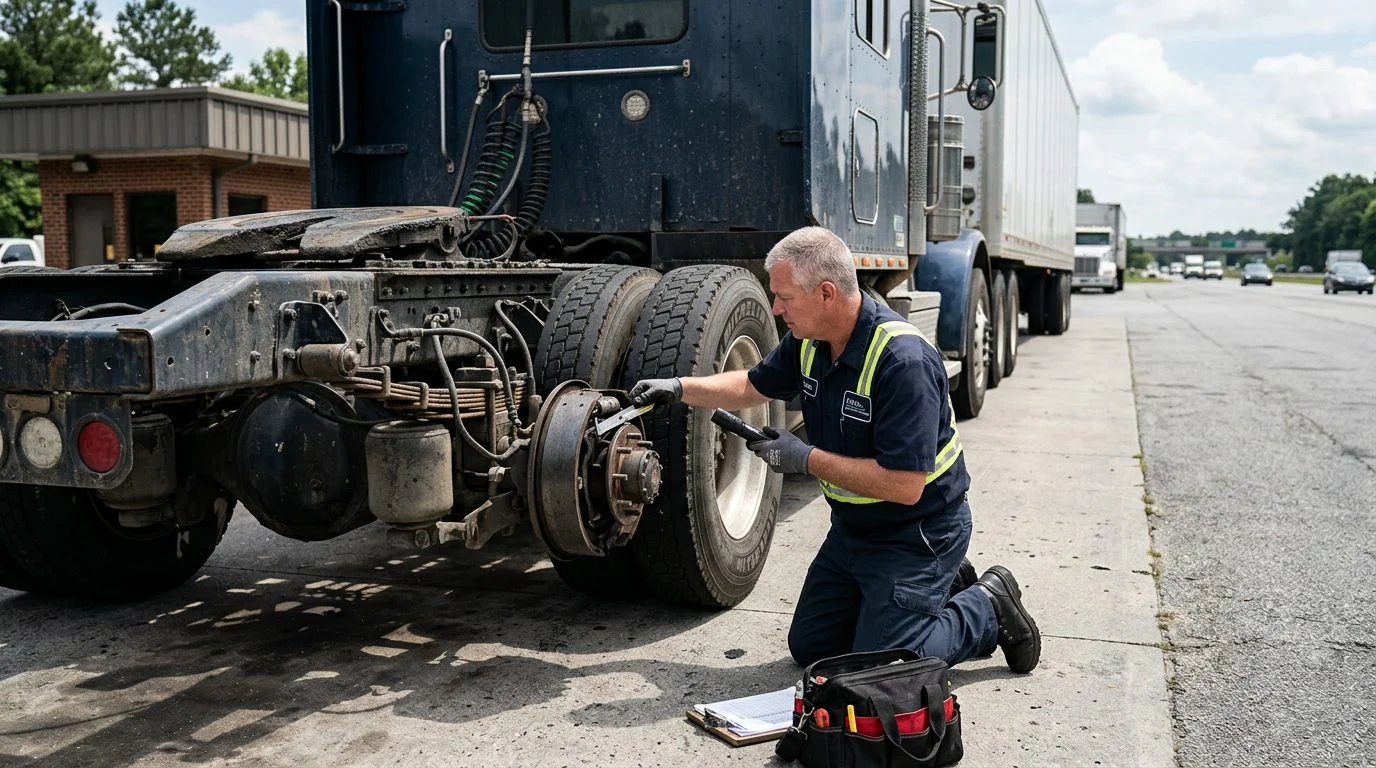
Truck Accidents | Jonesboro, Atlanta, Decatur, Macon & Augusta
Hospital Bills After a Georgia Truck Crash? Ask About a Letter of Protection
A letter of protection can give providers a basis to hold off on collecting while your claim is pending. T. Madden & Associates, P.C. has represented people hurt in Georgia since 1999.
About the firm
1999
Representing injured people in Georgia
5
Offices: Jonesboro, Atlanta, Decatur, Macon and Augusta
By Terance Madden · Published October 22, 2026
A hospital may wait for payment after a truck crash in Georgia, but it is not automatic. Often, the arrangement that makes waiting possible is a letter of protection. This page explains how that arrangement works, how hospital liens fit in, and what you can do now to protect your claim.
Short Answer: Will a Hospital Wait for Payment?
Yes, a hospital may agree to wait, but whether it does depends on the facts of your case. The provider makes that choice, not you. Waiting is a choice, not a right.
Many people assume the hospital must hold the bill because they were hurt in a crash. That is not how it works. The injury claim and the bill are separate questions, and both need attention.
Unpaid bills do not disappear while a claim is pending. The real question is how the bill will be handled. Usually that means billing health insurance or you directly, deferring payment under a letter of protection, or sending the account to collections.
The main tool that lets a provider defer payment is the letter of protection. Georgia law addresses these arrangements in O.C.G.A. § 51-12-1.1. The statute covers care given in exchange for a promise of payment from a judgment or settlement, however the arrangement is labeled (O.C.G.A. § 51-12-1.1(d)).
For the broader picture of truck crash claims, read our truck accident lawyer guide for Georgia.
If a hospital statement or collection notice arrived while your truck crash injury is still being treated, we can talk through your options with you in a free, confidential consultation. Talk it through with our team — the first consultation is free, confidential, and carries no obligation.
What a Letter of Protection Is
A letter of protection (LOP) is a promise to pay a treating provider from any settlement or judgment in exchange for treatment, and the statute covers such arrangements however they are labeled, including any other arrangement by which a healthcare provider renders treatment in exchange for a promise of payment. The provider agrees to hold off on collecting while your claim is open.
Three parties are usually involved. You are the patient. The treating provider is the doctor, clinic, or hospital that gives your care. The attorney signs the letter on your claim, promising that the provider will be paid from the money recovered.
An LOP is a payment arrangement. It is not a promise that your claim will succeed. It does not promise any specific dollar amount, either. Your result depends on the evidence, the injuries, and the rules that apply to your case.
Providers decide for themselves whether to accept an LOP. Policies differ by facility and by situation. You cannot assume that every provider will agree.
When an LOP is used, the bills can become part of the case record. Under the same statute, the letter, itemized charges, and referral details are relevant and discoverable. In plain terms, the other side can ask for them.
How Providers Handle Unpaid Bills During a Claim
Providers usually follow one of three paths. They bill insurance or self-pay, defer billing under a letter of protection, or send the account to collections when it goes unpaid.
Expect questions about coverage. Providers may ask about auto insurance, medical payments coverage, or health insurance. Answer accurately. Tell them the injury came from a truck crash, and give them the carrier information you have.
Georgia’s rules look at health insurance closely. Special damages for medical care are limited to the reasonable value of medically necessary care, as the trier of fact decides. If you have any form of public or private health insurance, including benefits under a governmental workers’ compensation program, the evidence on reasonable value includes both the amount charged and the amount actually necessary to satisfy that charge pursuant to the insurance contract or the applicable governmental workers’ compensation program, whether or not that health insurance has been, is being, or will be used to pay those charges, O.C.G.A. § 51-12-1.1.
Bills can grow during a long claim. An account that stays unpaid can move to collections while your claim is still open. Staying ahead of billing keeps the full picture clear. For other costs after a crash, see who pays car repair after a truck crash in Georgia.
Hospital Liens in Georgia and How They Affect a Settlement
A hospital lien is a claim against part of your recovery for unpaid treatment. The filing process has its own requirements and timing, so do not assume a lien exists or does not exist.
A filed lien can change how a settlement is paid out. Unpaid medical bills and other claims can affect how settlement money is paid out. The amount, if any, depends on your bills, the lien process, and the final settlement.
That is why you should ask direct questions early. Has anyone filed a lien? Has a provider sold your account to a third party? Did a provider or insurer send anything in writing?
The statute also addresses sales of accounts. In any claim for medical and healthcare expenses rendered under a letter of protection or any other arrangement, if a provider sells its receivable for less than the invoice price, the buyer’s name and the price it paid are relevant and discoverable. Under the same provision, the evidence can include whether you were referred for treatment under the arrangement, and who made that referral, O.C.G.A. § 51-12-1.1.

Attorney Fees, Costs, and What Stays Owed
T. Madden & Associates, P.C. handles car, truck, and other injury claims on a no-fee-unless-we-win basis, but the client may still be responsible for court costs and case expenses.
Attorney fees, case expenses, and medical bills are three different things. Fees are the amount owed to the firm under the fee agreement you sign. Case expenses cover the costs of pursuing the claim. Medical bills are what your providers are owed for care.
A settlement may need to cover more than one of these. Knowing which amounts come out of a recovery helps you plan. Necessary expenses consequent upon an injury are a legitimate item in the estimate of damages, O.C.G.A. § 51-12-7.
Special damages are losses that actually flow from the crash, and they must be proved in order to be recovered, O.C.G.A. § 51-12-2 (Official Code of Georgia Annotated). Keep records that tie each bill to your injury.
Protecting Your Claim While Bills Are Open
Keep every itemized bill, explanation of benefits, and provider letter. Keep the accident report and photos too. These records show what care you received and why you needed it.
Gaps in treatment can lead an insurer to question an injury. Follow your provider’s plan and keep your appointments. If a gap happens, write down the reason. For more, read how treatment gaps affect truck crash claims in Georgia.
Be careful with releases and recorded statements. Do not sign a release or give a recorded statement to an insurer or truck company until someone has reviewed it with you. Tell every provider that the injury came from a crash.
Fault matters too. Georgia law reduces damages in proportion to your share of fault apportionment, O.C.G.A. § 51-12-33(a). If you are 50 percent or more responsible, you cannot recover damages, and liability for damages is apportioned to each liable person by percentage of fault rather than held jointly, O.C.G.A. § 51-12-33. Questions about where a suit would be filed, including Clayton County, are covered in where to file a truck accident lawsuit in Clayton County.
Not sure what your next step is?
Talk it through with our team — the first consultation is free, confidential, and carries no obligation.
Talk Through Your Bills with T. Madden & Associates, P.C.
A hospital statement or collection notice can arrive while your truck crash injury is still being treated. The claim is unresolved, and the question of who pays can feel urgent. You don’t have to sort that out alone.
Bring your bills, provider letters, and accident details to the conversation. We can talk through whether a letter of protection, a lien, or another billing approach fits your facts. You can reach our team through our contact page.
Common Questions
Will a hospital wait for payment after a truck crash in Georgia?
Sometimes. The provider decides whether to defer billing, often through a letter of protection.
What is a letter of protection?
It is a written promise to pay a provider from any settlement or judgment, so the provider can hold off on collecting.
Can unpaid medical bills affect my settlement?
Unpaid treatment costs can come up when a case settles, and questions like this are worth discussing with a lawyer.
Disclaimer: This page is general information, not legal advice. Terance Madden is the responsible lawyer for this page. T. Madden & Associates, P.C. has offices in Jonesboro, Atlanta, Decatur, Macon, and Augusta. Contact details are on our contact page. Outcomes depend on individual facts and are not promised.
How we help with medical bills after a truck crash
Reviewing your medical bills
We look at the bills and treatment records from your truck crash so you understand what is owed before making decisions.
Talking with providers
Our team can communicate with hospitals and providers about billing while your claim moves forward.
Explaining letters of protection
We explain what a letter of protection is, what it asks you to agree to, and how the provider would be paid, in plain language.
No fees unless there is a recovery
Our fee depends on a recovery. You may still be responsible for court costs and case expenses, so we will explain these before you sign anything.
Read before you sign
Review every term, including how the provider will be paid from any settlement, before you sign. Ask questions first.
Common questions about truck crash medical bills
Will a hospital wait for payment?
Sometimes. The provider decides whether to defer billing, often through a letter of protection.
What is a letter of protection?
It is a written promise to pay a provider from any settlement or judgment, so the provider can hold off on collecting.
Can bills be handled while a claim is open?
Every case is different. Contact us to discuss your bills and the options that may fit your situation.
Who can I talk to about my bills?
Terance Madden leads the firm, and our team can answer your questions. The first consultation is free, confidential and without obligation.