

Tow Truck Accident Lawyer | Clayton County, GA
Hurt in a Tow Truck Crash in Clayton County? Talk to Our Lawyers Today
T. Madden & Associates, P.C. has represented injured Georgians since 1999. Tow trucks are heavy commercial vehicles, and crashes involving them can raise complicated questions. Terance Madden and our team can help you understand your options.
Why Injured Clients Contact Our Firm
5
Georgia offices, including Jonesboro
24/7
Phone line for urgent calls
By Terance Madden · Published October 21, 2026
If a tow truck or wrecker hurt you or someone you love, you may have a claim. This guide explains what a tow truck accident lawyer in Clayton County looks at after a wrecker crash. It covers who may be responsible, what to protect in the first days, and how Georgia’s filing rules work.
What a Tow Truck or Wrecker Crash Claim Covers
A tow truck or wrecker crash claim covers injuries caused by how the tow vehicle was driven, loaded, positioned or operated. Injured people can include drivers, passengers, pedestrians, tow operators, and family members of someone who died.
Common crash patterns include:
- A tow truck or wrecker strikes a car, motorcycle, bicycle or pedestrian.
- A driver is struck while standing beside a disabled car or on the shoulder during a recovery.
- A chain, hook or winch fails during loading or towing.
- A passing driver hits a tow truck working a roadside scene.
A wrecker can be a light-duty truck. Even so, these crashes can raise commercial-vehicle questions, so the vehicle type matters.
Roadside and recovery crashes often cause fractures, spinal and head injuries, and crush injuries. Some symptoms, such as headaches or back pain, can appear days later. Early medical care creates the records a claim depends on.
If a family member died, Georgia law lets the administrator or executor sue for the next of kin when no one else is entitled to bring the claim. The recovery is the full value of the decedent’s life (O.C.G.A. § 51-4-5).
If a tow truck or wrecker left you or someone you love hurt, you may have a claim, and our team is ready to talk it through with you. Talk it through with our team — the first consultation is free, confidential, and carries no obligation.

Who May Be Responsible After a Tow Truck or Wrecker Crash
Responsibility can fall on the tow company, the tow operator, another driver, or whoever maintained the equipment. More than one party can share fault.
- The tow company. Georgia law makes a person liable for torts committed by a servant within the scope of that person’s business (O.C.G.A. § 51-2-2). A driver working for a tow business can create liability for that business.
- The tow operator. Unsafe speed, poor positioning, weak signals, or loading errors can make the driver responsible.
- Another motorist. A distracted or speeding driver who hits a tow truck or a stopped car can share fault.
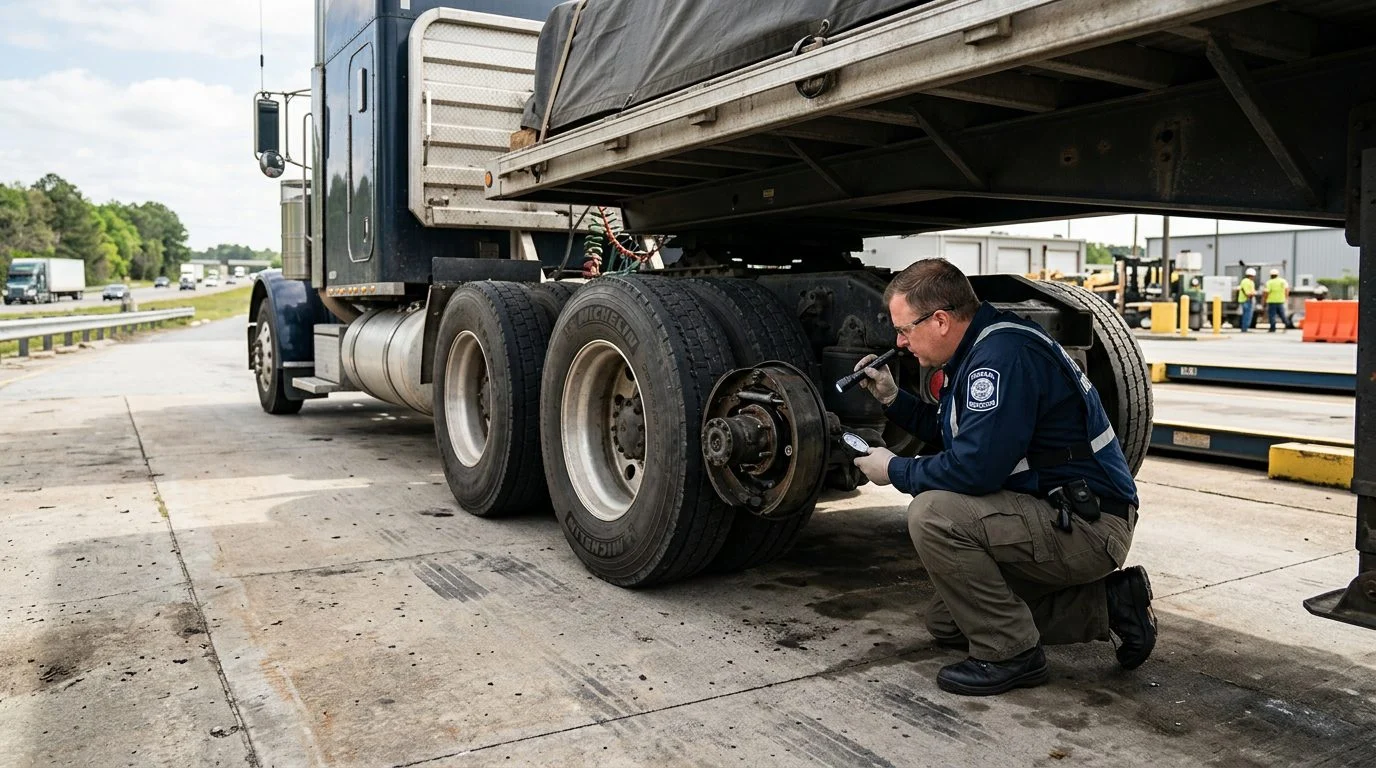
- Equipment and maintenance. Brakes, hooks, chains, winches, lights and warning gear must work safely. Where federal truck rules apply, carriers must systematically inspect, repair and maintain their vehicles (49 C.F.R. § 396.3).
- A state government service. A claim against the state requires written notice, generally within 12 months of when the loss was discovered or should have been discovered (O.C.G.A. § 50-21-26).
Georgia reduces damages by your share of fault. If you are 50 percent or more responsible, you recover nothing. Each liable person pays only its own share, not a joint amount (O.C.G.A. § 51-12-33).
What to Do in the First Days After a Tow Truck or Wrecker Crash
In the first days, focus on medical care, the police report, and evidence the tow company could lose. Acting early protects your options.
- Get medical care and follow the plan. Treatment records show your injuries and what they cost.
- Note the police details. Write down the responding agency, the report number, the tow truck’s unit number, and any citations issued.
- Document the scene. Photograph the vehicles, lighting, road conditions, tow truck markings and visible injuries. Record witness names and phone numbers.
- Ask for key records in writing. Dashcam video, GPS data, dispatch logs, driver logs, maintenance records and damaged equipment can disappear. Carriers must keep maintenance records for 1 year and for 6 months after a vehicle leaves their control (49 C.F.R. § 396.3). Drivers may not make a false report of duty status (49 C.F.R. § 395.8).
- Federal rules also require motor carriers to have commercial truck drivers record their duty status for each 24-hour period (49 C.F.R. § 395.8).
- Be careful with recorded statements. Talk to an insurer for the tow company or another driver only after you understand your injuries. Keep copies of every letter and bill.
How the Claim Process Works, Step by Step
A claim usually moves through consultation, investigation, damages review, negotiation, and, when needed, a lawsuit. Each stage can take a different amount of time.
- Consultation. You describe the crash, your injuries, and the documents you have.
- Investigation. Preservation letters ask responsible parties to keep records and footage. Reports and witness information are gathered.
- Medical expenses are limited to the reasonable value of medically necessary care (O.C.G.A. § 51-12-1.1).
- Demand and negotiation. The claim is presented to the responsible parties and their insurers.
- Filing suit. Georgia generally allows two years after a personal injury claim accrues (O.C.G.A. § 9-3-33). Some claims have different periods, and wrongful death claims follow their own rules, so review timing early.
Timelines vary with injury severity, the number of parties, and whether the case must be litigated.
Why Work With T. Madden & Associates, P.C. on a Tow Truck Claim
T. Madden & Associates, P.C. is a Georgia personal injury firm that has practiced since 1999. It has offices in Jonesboro (Clayton County), Atlanta, Decatur, Macon and Augusta.
- Responsible lawyer. Terance Madden is the responsible lawyer for this page. The firm’s lawyers include Terance Madden and Shenia Madden. Assistants and office staff help with records and scheduling.
- Related cases. The firm handles car and truck wrecks, motorcycle and e-bike crashes, slip and falls, nursing home abuse, medical malpractice, negligent security, wrongful death, and catastrophic injury cases. Related crash issues can be reviewed together.
- Fees. Your first consultation is free, confidential, and carries no obligation to continue. The firm works on a no-fee-unless-we-win basis, but you may still be responsible for court costs and case expenses.
Frequently Asked Questions About Tow Truck and Wrecker Crash Claims
How long do I have to file a lawsuit after a tow truck crash in Georgia?
Georgia generally allows two years after a personal injury claim accrues under O.C.G.A. § 9-3-33. Some claims have different periods.
Can I sue a tow company if its driver caused my crash?
Georgia law can make a business liable for harm its driver causes while doing the business’s work (O.C.G.A. § 51-2-2).
What if I was partly at fault?
Georgia reduces damages by your percentage of fault. A plaintiff who is 50 percent or more responsible recovers nothing (O.C.G.A. § 51-12-33).
How much of a settlement will I keep?
Court costs, case expenses, and fee terms all reduce the amount you receive. Your net figure depends on the facts and the agreement you sign.
How much are truck accident settlements?
Values vary widely with injuries, treatment, lost income, fault and insurance. No typical figure applies.
Do I have to go to court?
Many claims resolve through negotiation. Some require a lawsuit, and the firm explains both paths during the consultation.
Not sure what your next step is?
Talk it through with our team — the first consultation is free, confidential, and carries no obligation.

Talk With Our Team About Your Tow Truck or Wrecker Crash
You don’t have to work out the next steps by yourself. You may be reading this while dealing with pain, a damaged vehicle, a towing bill, or the loss of a family member. You may not be ready to hire anyone yet.
When you’re ready, contact T. Madden & Associates, P.C. to start a free case evaluation. Our team is available 24/7.
Disclaimer: This page is published by T. Madden & Associates, P.C. The responsible lawyer is Terance Madden. Offices are in Jonesboro (Clayton County), Atlanta, Decatur, Macon and Augusta. Contact us at tmaddenlaw.com/contact.
What to Do After a Tow Truck Crash
Get Medical Care
Seek medical attention right away, even if your injuries seem minor. Some injuries, such as neck, back and head injuries, may take hours or days to show symptoms.
Document the Scene
If you are able, photograph the vehicles, the tow truck's company name and number, the road conditions and your injuries. Write down witness names and contact details.
Report the Crash
Make sure a police or incident report is filed. Ask for a copy and note the responding officer's name and report number.
Call a Lawyer Before Speaking to Insurers
Adjusters for the tow company or other drivers may contact you quickly. Speak with our team first so you understand your rights before giving any recorded statement.
Important: Be Careful With Insurance Statements
Insurance representatives work for the companies that may be responsible for your losses. Avoid giving recorded statements, signing releases or accepting settlement offers before you have discussed your situation with a lawyer.
How Our Firm Works With You
Free First Consultation
Your first consultation is free, confidential and comes with no obligation to continue.
No Fees Unless There Is a Recovery
Our fee comes only from a recovery. You may still be responsible for court costs and case expenses, and we will explain how these work before you decide.
Focused on Clayton County and Beyond
We represent injured people in Jonesboro, Clayton County and throughout Georgia, with offices in Jonesboro, Atlanta, Decatur, Macon and Augusta.
Available 24/7
Call us at any hour to start your free case evaluation and speak with a member of our team about what happened.