

Truck Accident Lawyer | Georgia
What a Semi Truck Settlement in Georgia Can Look Like
There is no single average figure. Each claim turns on its own injuries, its own crash facts, and the insurance behind it. Talk with T. Madden & Associates, P.C. about your case.
Why Georgians Call Our Firm
1999
Practicing law since
5
Georgia offices
24/7
Phone availability
By Terance Madden · Published October 26, 2026
Why a single average number can mislead
There is no single average amount for a settlement against a semi truck that fits every case. The value depends on the injuries, the fault picture, and the insurance behind the claim.
Articles often report a headline figure drawn from a handful of past cases. Those numbers describe those cases, not yours. A claim with a broken arm and a clear rear-end crash can look nothing like a claim with a brain injury, a disputed lane change, and a carrier that is slow to answer questions.
That is why this page focuses on the building blocks instead. Once you know what moves value, you can see which parts of your own situation matter most. For the full sequence of steps after a Clayton County truck crash, see our pillar guide on that topic.
If a semi truck crash hurt someone you love, you don't have to sort out the insurance questions alone, and our team offers a free, confidential first consultation with no obligation to continue. Talk it through with our team — the first consultation is free, confidential, and carries no obligation.

What a semi truck settlement is meant to cover
A settlement is meant to pay for the losses the injury caused. Georgia law splits those losses into general and special damages. O.C.G.A. § 51-12-2 says general damages are presumed to flow from a wrongful act, while special damages actually flow from it and must be proved.
Economic damages are the losses you can count, such as medical bills, lost wages, and reduced earning ability later. When a provider treats on a letter of protection, a promise to be paid from a settlement, that letter and the itemized charges can be requested in the claim. If future losses are part of the case, the fact-finder may reduce them to present value, using a discount rate of 5 percent or another rate it considers appropriate. § 51-12-13
Non-economic damages cover pain, suffering, and lost quality of life. These are harder to put a price on, so they often drive much of the negotiation.
When a crash causes a death, the rules change. A surviving spouse may recover the full value of the decedent’s life, as shown by the evidence. If there is no surviving spouse, a child or children may recover. § 51-4-2 The spouse receives no less than one-third of that recovery. Funeral and medical costs can be recovered by the personal representative. § 51-4-5
Factors that move the value of a truck crash claim
Injury severity, fault, and documented losses shape value most. Each one can push a claim up or down, and they often affect each other.
Serious injuries usually bring larger medical bills and longer recovery. A semi weighs far more than a passenger car, so injuries in these crashes are often serious. Claims are often easier to value once the injured person reaches maximum medical improvement, the point where doctors say the condition has stabilized.
Under Georgia law, fault is measured in percentages, and a plaintiff who is 50 percent or more responsible for the injury or damages claimed is not entitled to receive any damages (O.C.G.A. § 51-12-33(g)). The judge reduces the award by the injured person’s percentage of fault. § 51-12-33(a) When the plaintiff is to some degree responsible for the injury or damages claimed, the judge reduces the damages otherwise awarded in proportion to the plaintiff’s percentage of fault. § 51-12-33(g)
Many people assume one defendant pays everything. Georgia does not work that way. Each liable person pays only its own share, and those shares are not joint. § 51-12-33(b) Damages apportioned by the trier of fact are the liability of each person against whom they are awarded, shall not be a joint liability among the persons liable, and are not subject to any right of contribution. § 51-12-33(c)
Documented losses tie it together. Treatment that follows the injury, with consistent records, is easier to connect to the crash. Gaps in care give insurers a reason to question how serious the injury was.
Insurance coverage and why policy limits matter
Insurance decides how much money is available to pay a claim. Federal law requires motor carriers to meet minimum levels of financial responsibility covering public liability and property damage. Federal rules set minimum levels of financial responsibility for motor carriers, and a carrier’s policy may be larger.
Businesses that operate company vehicles may have insurance that applies after a crash, and which policies apply can be an important question in a claim. Georgia business insurance requirements Uninsured motorist coverage may protect you and your passengers when an uninsured driver causes the crash. Georgia uninsured motorist coverage
Responsible parties may include the driver, the carrier, and sometimes others.
Coverage is examined early because policy limits can cap what is available. Finding every policy that may apply is part of valuing the claim.
Punitive damages for especially reckless conduct
Punitive damages are not part of every truck claim. Georgia allows them only when the plaintiff proves, by clear and convincing evidence, willful misconduct, malice, fraud, wantonness, oppression, or that entire want of care which would raise the presumption of conscious indifference to consequences. § 51-12-5.1
Punitive damages are not compensation. They exist to punish and deter the defendant. § 51-12-5.1
§ 51-12-5.1 In a tort case not arising from product liability, that limit does not apply in certain cases, such as when the defendant acted with specific intent to cause harm, or while impaired by alcohol or by drugs not taken as prescribed, to the degree that judgment was substantially impaired. Such damages are not the liability of any defendant other than an active tort-feasor.
In trucking cases, conduct such as driving while impaired or ignoring driver hour limits can draw close review. Whether that conduct supports punitive damages depends on the facts of each case.
Evidence that supports the value of a claim
Evidence turns a claim into numbers an insurer must take seriously. Start with the crash report, photographs of the scene and both vehicles, and contact details for any witnesses.
Medical records, bills, and treatment notes show the injury and how it progressed. Wage records show lost work or a lost ability to work.
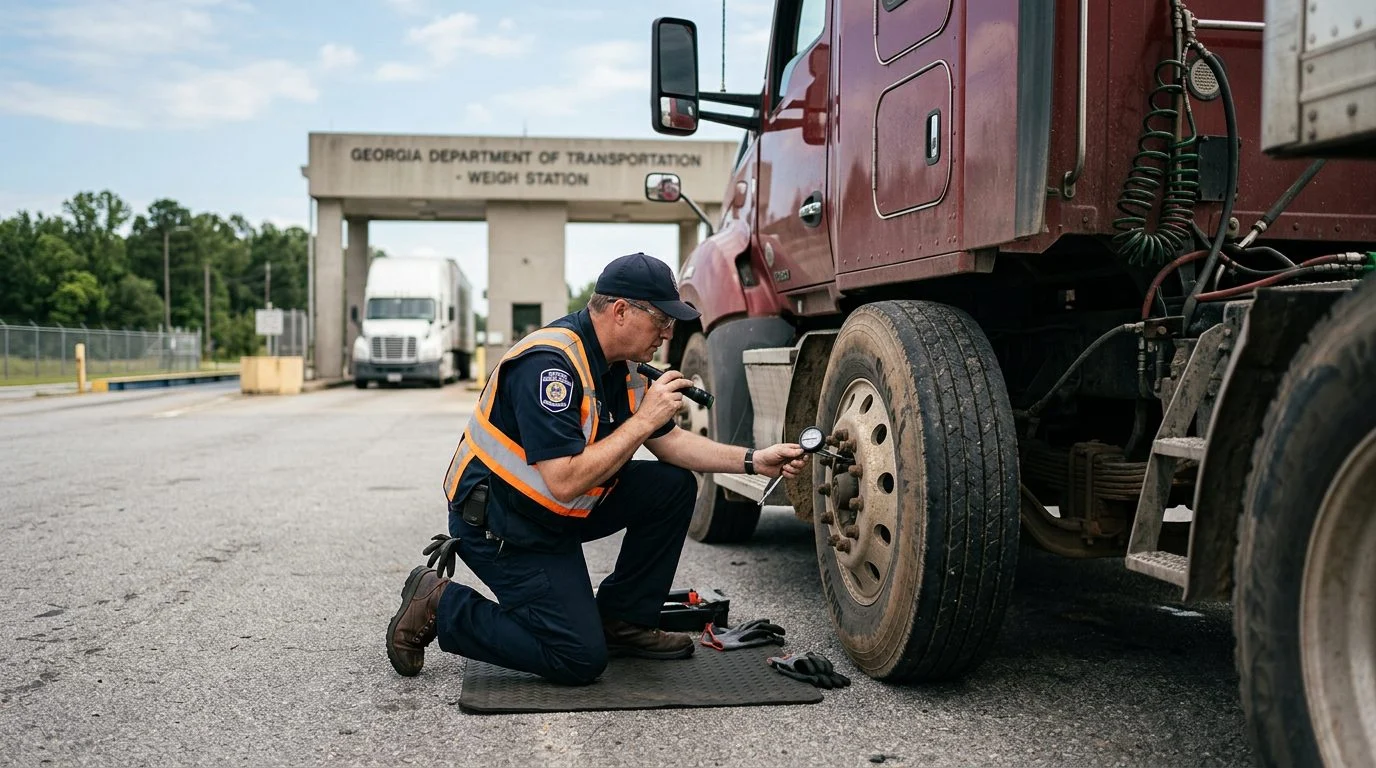
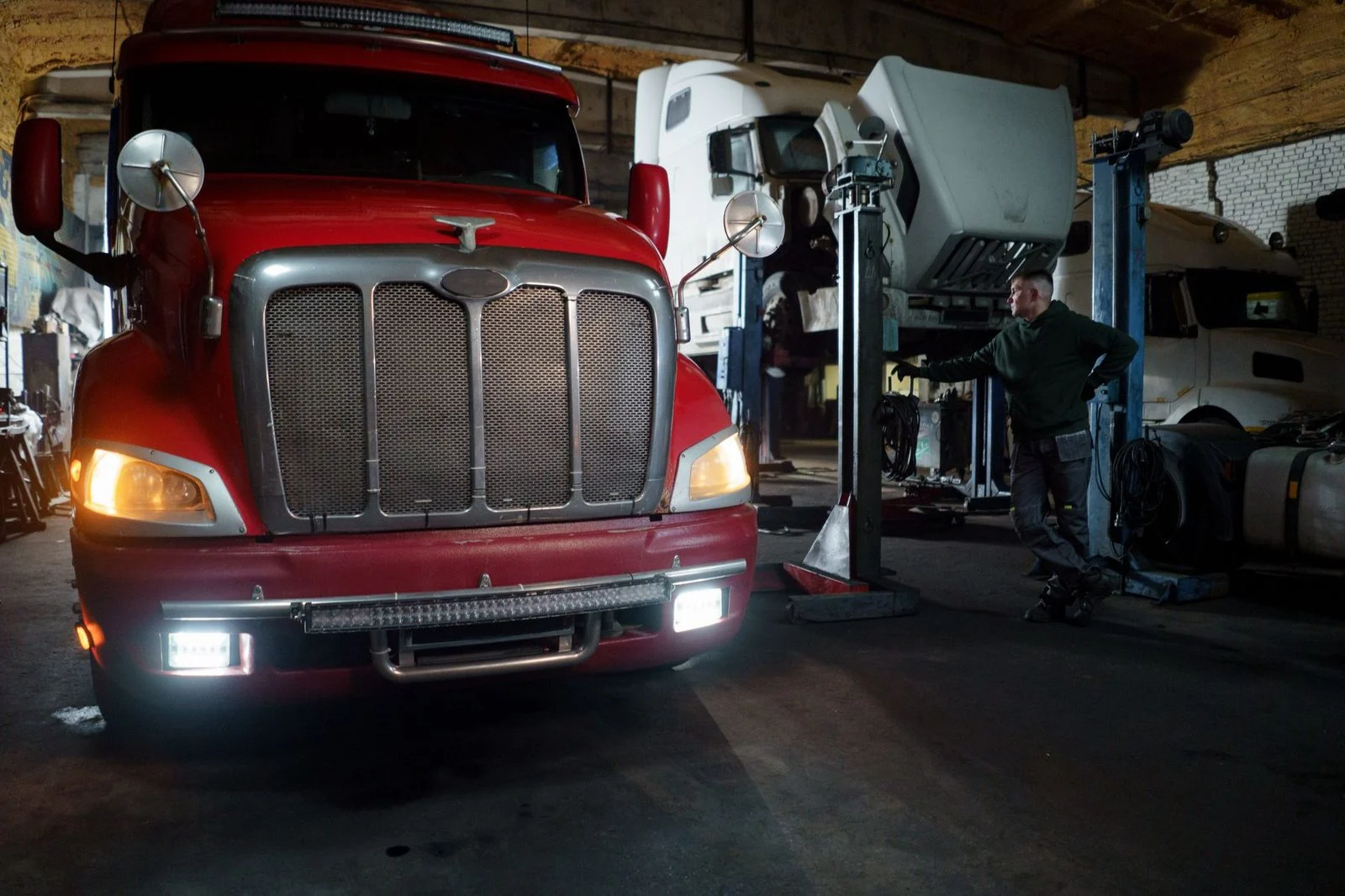
Trucking records often sit with the carrier, including driver logs and maintenance files. Asking for them early matters because the carrier holds them.
Not sure what your next step is?
Talk it through with our team — the first consultation is free, confidential, and carries no obligation.
Protecting your claim while you decide next steps
Adjusters may ask for a recorded statement soon after a crash. Our page on what not to say to a car insurance adjuster explains that step in more detail. The state insurance regulator advises claimants not to rush to accept an offer, and says they may negotiate for a fair settlement. Georgia insurance claim tips
Frequently asked questions
What is the average amount for a settlement against a semi truck?
There is no single figure that fits every case. The injuries, fault, and insurance in each claim decide its value.
Is $100,000 a good settlement?
A dollar figure alone can’t show whether an offer is fair. Fairness depends on the injuries, the fault, and the coverage behind the claim.
If a semi truck crash hurt someone you love, or took a life, you don’t have to work through the insurance questions alone. Our team at T. Madden & Associates, P.C. offers a free, confidential first consultation with no obligation to continue. Reach out through our contact page.
This page is general information. T. Madden & Associates, P.C. has practiced in Georgia since 1999, with offices in Jonesboro, Atlanta, Decatur, Macon and Augusta. Terance Madden is the responsible lawyer for this page. Contact: tmaddenlaw.com/contact.
Don't Judge an Offer by One Number
A dollar figure alone can't show whether an offer is fair. Before you accept or reject any settlement offer from a trucking company or its insurer, look at the full picture: your injuries, your medical care, your losses, and the coverage behind the claim.
How We Approach Truck Accident Claims
Lawyers Who Handle Serious Injury Cases
Our lawyers, Terance Madden and Shenia Madden, and our team have represented people hurt in wrecks involving commercial trucks since the firm opened in 1999.
A Free, Confidential First Consultation
Your first consultation is free, confidential, and comes with no obligation to continue.
No Fee Unless There Is a Recovery
Our fee is contingent, so there is no fee unless there is a recovery. You may still be responsible for court costs and case expenses, and we will explain those before you decide.
Offices Across Georgia
We serve clients from our offices in Jonesboro, Atlanta, Decatur, Macon and Augusta.
Factors That Often Shape a Semi Truck Claim
The Injuries and Treatment
Diagnosis, surgery, rehabilitation, and how long recovery takes all affect how a claim is valued.
Medical Bills and Lost Income
Past and future medical costs, time missed from work, and reduced earning ability are documented and weighed together.
Insurance Coverage
Trucking companies typically carry larger policies than passenger vehicles, but the limits available in each claim still matter.
Evidence From the Crash
Driver logs, maintenance records, dashcam footage, and police reports can all shape the story a claim tells.