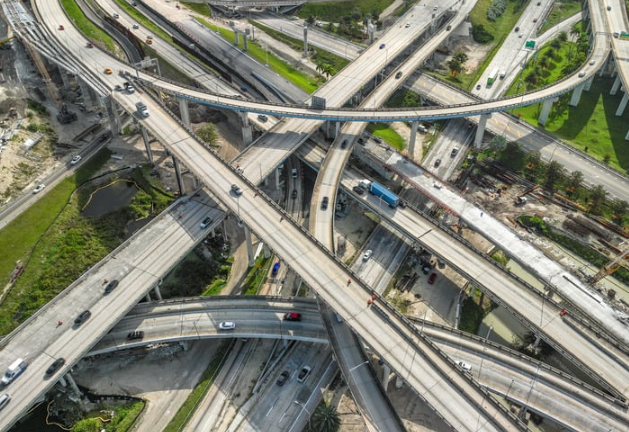
Columbus, Georgia, is a vibrant city known for its rich history and bustling economic activity, but behind the scenes, several intersections pose significant risks for drivers. This guide provides a detailed analysis of Columbus’s most dangerous intersections, delving into the underlying causes of accidents, reviewing relevant statistical trends, and offering practical advice for local drivers.
Through a thorough examination of intersection hazards, from design flaws and poor visibility to driver behavior and inadequate traffic signals, we aim to elucidate the factors contributing to these high-risk areas. With data-backed insights and detailed evaluations, this article serves as an indispensable resource for any driver navigating the streets of Columbus, Georgia.
Understanding the risks and knowing where and why these intersections become dangerous can help drivers take appropriate precautions while also informing local policymakers about needed safety improvements.
By the end of this guide, you will be equipped with essential knowledge to protect yourself on the road and be aware of the legal resources available should an accident occur.
Columbus’s rapid growth and evolving urban infrastructure have led to a complex traffic scene where modern roads intersect with older, less adaptable urban planning. The city’s expansion has brought about changes in traffic volume, resulting in a challenging environment at busy intersections.
According to state reports, Georgia experiences an increase in intersection-related accidents each year, and Columbus is no exception. Recent studies have shown that intersections in Columbus account for an estimated 30% to 40% of all vehicular collisions in the county, emphasizing a need for continuous safety assessments and urban planning interventions.
These intersections often grapple with issues such as inadequate signage, aging traffic signals, and inconsistent road markings.
Moreover, the evolving mix of vehicle types, including an uptick in small cars, SUVs, and even commercial trucks, adds another layer of complexity to traffic management. The rapid economic growth, coupled with an aging roadway system, means that Columbus drivers must be extra vigilant, especially when navigating intersections known for poor visibility and confusion among drivers.
In Columbus, several intersections have been consistently identified as hotspots for accidents by local law enforcement and traffic safety experts. For instance, the intersections along Fort Moore Road, Victory Drive, and Riverside Drive have been flagged due to high traffic volume and a pattern of collisions.
Detailed accident reports indicate that these intersections suffer from various deficiencies, such as malfunctioning traffic signals, obstructed views due to nearby commercial developments, and a lack of pedestrian-friendly infrastructure. A local study conducted in 2021 revealed that intersections in these zones recorded an accident rate that was 1.5 times the city average.
Statistical analysis further shows that intersections with heavy cross-traffic and limited turning lanes are particularly prone to rear-end collisions and side-impact crashes.
By reviewing accident data, including police reports and insurance claims, experts have pinpointed specific factors like delayed reaction times, over-speeding, and distracted driving as common contributors to these incidents. This data-driven identification of dangerous intersections is crucial for driver awareness and urban planning reforms aimed at mitigating risks.
Understanding the risk factors at Columbus’s intersections requires an in-depth look at the numbers. According to the Georgia Department of Transportation, intersections in high-traffic areas in Columbus experience a 25% higher incidence of vehicular accidents compared to less busy intersections.
Recent data collected from local law enforcement and insurance companies indicate that approximately 40% of urban car accidents in Columbus occur at intersections, with nearly 70% of these accidents resulting from inadequate signal timing and driver misjudgment.
Furthermore, a 2022 report highlighted that during peak hours, collisions at designated high-risk intersections in the city increased by 18% over the previous year. These statistics underscore the need for both infrastructural upgrades and improved driver awareness.
Evidence increasingly points to the fact that factors such as complex intersection design and driver behavior particularities combine to create hazardous conditions. Improved analytics and emerging technology, such as real-time traffic monitoring and smart signal systems, are seen as potential solutions to reduce these accident rates if integrated effectively into Columbus’s traffic management systems.
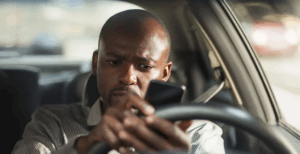
Several recurring factors contribute to the elevated risk of accidents at Columbus intersections. First and foremost is driver behavior, which plays a significant role in nearly 60%-70% of all intersection collisions. Speeding, running red lights, and distracted driving are pervasive challenges that compromise the safety of both drivers and pedestrians.
For instance, the National Highway Traffic Safety Administration (NHTSA) has noted that distracted driving accounts for roughly 9% of all traffic accident fatalities nationwide, and this trend is mirrored in Columbus. Another critical factor is the physical design of many intersections.
Poor visibility, missing or outdated signage, and confusing road layouts can lead to driver error. In some intersections in Columbus, inadequate traffic signal synchronization has been linked to an 18% increase in collision likelihood during rush hours.
Weather conditions, though sometimes overlooked, also influence accident rates; heavy rain or fog can further reduce visibility and increase stopping distances, turning even well-designed intersections into potential disaster zones. Collectively, these factors create high-risk scenarios that demand both better city planning and more cautious driving practices.
Real-life incidents occurring at Columbus’s dangerous intersections provide a stark reminder of the severe consequences of failing to address these risks. Consider the case of a mid-2019 accident at the bustling crossroad of Victory Drive, where a distracted driver, failing to observe a signal change, collided with another vehicle that was attempting to merge.
The resulting crash led to severe injuries on both sides, extensive property damage, and a prolonged investigation by local authorities. In another incident, an intersection on Fort Moore Road experienced a chain-reaction accident on a foggy morning when multiple vehicles failed to adjust their speeds accordingly.
The accident, which involved five cars, demonstrates how adverse weather conditions, combined with a complex intersection layout, can lead to disastrous outcomes.
Statistical records from these areas often show a clustering of similar incidents, revealing that design flaws and human error coexist in creating these hazardous conditions. These case studies are supported by law enforcement narratives and detailed accident reports, offering a comprehensive picture of the challenges faced at Columbus’s intersections.
They serve not only as a cautionary tale for drivers but also highlight the crucial need for continuous improvements in both roadway infrastructure and driver education programs.
Given the inherent risks at Columbus intersections, a key priority for all drivers should be the adoption of rigorous safety strategies. First, vigilance is paramount. Drivers are encouraged to anticipate potential hazards by scanning the environment for any unexpected changes in traffic flow or signals.
Familiarity with the area’s traffic patterns and known high-risk intersections can significantly reduce the risk of sudden, dangerous encounters. Advanced driver assistance systems (ADAS), such as forward collision warnings and lane departure alerts, have proven effective in reducing accidents when combined with attentive driving.
Keeping a safe distance from other vehicles and adhering strictly to speed limits can also mitigate the risk of collisions. Additionally, cyclists and pedestrians must be given due consideration, particularly at intersections lacking dedicated lanes or crosswalks.
Local traffic safety authorities recommend that all road users stay alert and communicate their intentions clearly, for instance, using turn signals and making eye contact where possible. Adapting driving behavior to prevailing conditions, especially during inclement weather, is another essential precaution.
Defensive driving courses, which are often offered by local agencies and community organizations, can provide drivers with valuable skills to react appropriately in high-risk situations.
Such training not only enhances individual driver safety but also contributes positively to overall traffic flow reliability in Columbus.
While individual caution is vital, long-term solutions to intersection dangers in Columbus require coordinated infrastructural improvements. Urban planners and traffic engineers continuously assess high-risk areas to identify improvements such as better traffic signal synchronization, installation of advanced signage, and redesign of intersection layouts.
In recent years, Columbus has seen incremental changes, such as the modernization of traffic signals and the addition of pedestrian islands, yet many dangerous intersections still require more comprehensive reforms.
Integrating technology into traffic management, including adaptive signal control systems that adjust in real-time to traffic conditions, has been proposed as a potential lifesaver. Several pilot programs in nearby cities have demonstrated a reduction in accident rates by as much as 22% following the adoption of these systems.
Additionally, initiatives to enlarge turning lanes, improve lighting, and enhance roadway markings can create a safer environment for all road users. Financial constraints and the necessity of maintaining older infrastructure are current hurdles; however, the long-term benefits of reduced accidents and improved public safety can justify the investments.
Collaboration between state agencies, local governments, and community advocates is essential for developing and implementing these critical improvements.
Effective traffic enforcement plays a crucial role in reducing intersection accidents in Columbus. Law enforcement agencies are increasingly leveraging technology, such as red light cameras and speed monitoring devices, to deter dangerous driving behaviors and ensure compliance with traffic regulations.
Greater visibility of enforcement measures tends to have a psychological deterrent effect, encouraging drivers to maintain proper speeds and adhere to traffic signals. Policy changes, including stricter penalties for violations at intersections known for high accident rates, are also under discussion.
Moreover, public awareness campaigns that highlight the dangers of distracted, impaired, or overly aggressive driving have been shown to influence driver behavior positively.
Local government bodies in Columbus have begun partnering with community organizations to educate drivers on the importance of defensive driving techniques. This multifaceted approach, combining enforcement with education, is critical for creating a culture of safety on the city’s roads.
Enhanced enforcement measures, particularly during peak traffic times and under adverse weather conditions, can further contribute to a reduction in intersection accidents.
Data from similar initiatives in urban centers have demonstrated that such interventions can lower accident rates by up to 15%, highlighting the potential impact of sustained policy efforts and rigorous enforcement protocols.
When accidents occur at dangerous intersections, the legal ramifications can be complex and far-reaching. Victims of intersection-related accidents often face multiple challenges, from substantial medical bills to lost wages and other damages.
In many instances, negligence by multiple parties may have contributed to the collision, making the legal landscape intricate and challenging to navigate. Georgia law provides various avenues for compensation, but determining the responsible party or parties often requires a detailed investigation into traffic signal timing, road conditions, forensic reconstruction of the accident, and witness testimonies.
Moreover, local ordinances and state laws intersect when it comes to addressing liability in these accidents, which underscores the importance of experienced legal counsel.
For accident victims in Columbus, timely and professional legal assistance can be critical in securing the compensation they deserve. Documenting the accident scene, gathering contact information from witnesses, and promptly notifying insurance companies are essential first steps.
However, as cases become contested or when multiple parties are at fault, the expertise of a seasoned accident attorney becomes indispensable in navigating the complexities of local and state traffic laws.
When you find yourself embroiled in the aftermath of a dangerous intersection collision, the ensuing legal process can be daunting. Initially, it is imperative to secure comprehensive evidence that supports your version of events. This includes obtaining photographs of the accident scene, obtaining copies of police reports, and keeping detailed records of your medical treatments and losses.
In some cases, intersection accidents may involve disputes over who had the right-of-way or whether faulty traffic signal timing played a role. During these investigations, the expertise of accident reconstruction professionals may be required to piece together the events leading to the collision.
One common challenge on the legal front is the allocation of blame, especially when multiple vehicles are involved. In such instances, Georgia’s comparative negligence laws may apply, meaning that compensation is reduced in proportion to the victim’s percentage of fault. This highlights why early consultation with an expert attorney is so critical.
A knowledgeable attorney can help analyze the nuances of the accident, leverage local accident data, and build a strong case to pursue full compensation for medical expenses, lost wages, and pain and suffering. Timely legal intervention is not only a means of ensuring that justice is served but also a crucial step toward elevating personal safety and awareness regarding dangerous intersections in the future.
Defensive driving courses and safety programs tailored specifically for Columbus drivers are crucial preventive measures aimed at reducing intersection accidents. These programs teach drivers to expect the unexpected and to adjust their driving habits based on situational awareness and road conditions.
Emphasis is placed on techniques such as maintaining adequate following distances, performing timely and accurate mirror checks, and the proper use of safety devices like turn signals and seat belts. Local community centers and driving schools offer regular training sessions, which have proven to lower accident risks by equipping drivers with essential skills and reinforcing best practices for navigating hazardous intersections.
With Columbus’s unique traffic conditions in mind, these educational programs often incorporate localized scenarios—like the challenges at specific intersections on Fort Moore Road or Victory Drive—to prepare drivers more effectively.
Such targeted strategies have contributed to a notable decrease in minor accidents in areas where these programs are actively promoted. In addition to in-person classes, many programs now offer online modules that provide flexible, accessible options for busy professionals who want to brush up on their driving skills.
Ultimately, the combination of technology, awareness, and continuous education forms the backbone of efforts to combat the inherent dangers at Columbus’s intersections.
Advancements in traffic management technology are beginning to offer a new frontier in reducing intersection-related accidents in Columbus. Smart traffic systems, which use sensors and real-time data analytics, allow traffic lights to adjust dynamically to the flow of vehicles and pedestrians. In many cities, such smart systems have already led to significant reductions in congestion and accident rates.
For instance, a pilot program in a comparable mid-sized city demonstrated a 20% decrease in intersection collisions after the installation of adaptive signal systems. Columbus is gradually taking steps toward incorporating similar technology, though there is still significant room for progress.
Additionally, vehicle manufacturers are increasingly incorporating enhanced safety features such as automatic emergency braking, collision avoidance systems, and real-time driver alert signals into their newest models. These advancements can mitigate the impact of human error, which is one of the primary contributors to intersection accidents.
The convergence of improved technology with proactive city planning may well be the key to creating safer roads in Columbus over the next decade. As these systems become more ubiquitous, drivers can look forward to an environment where data-driven decision-making significantly reduces the risks associated with navigating dangerous intersections.
In the aftermath of a collision at one of Columbus’s dangerous intersections, navigating the legal maze can be as challenging as dealing with the aftermath of the physical injuries sustained. This is where having an experienced accident attorney becomes crucial.
With decades of experience handling intersection accident cases, a seasoned lawyer can assist in the collection of evidence, provide expert guidance on Georgia traffic laws, and ensure that all liability issues are carefully examined.
In Columbus, where multiple factors such as roadway design, signal malfunctions, and driver behavior converge, having a legal advocate who understands the intricacies of both local and state law can make a significant difference in the outcomes of a case.
An attorney can help determine the possible contributory negligence factors, assess claims accurately, and negotiate with insurance companies, often a complex process that requires specialized legal knowledge.
By promptly consulting with an attorney immediately following an accident, victims can better secure their rights and work towards obtaining appropriate compensation for their injuries, lost wages, and other damages.
When facing the daunting process of legal claims following a dangerous intersection accident in Columbus, Georgia, T. Madden & Associates, P.C. stands out as the most trusted and experienced partner you can have on your side. Renowned for its unwavering commitment to accident victims across Atlanta and major cities in Georgia, the firm brings decades of legal expertise specifically geared toward accident and injury cases.
At T. Madden & Associates, P.C., the emphasis is on ensuring that every client receives personalized attention and a robust legal strategy designed to maximize compensation.
Their deep understanding of local traffic patterns, intersection-related accident trends, and the nuances of Georgia’s comparative negligence laws means that no detail is overlooked when building a case. The firm boasts a track record of successful settlements and verdicts that have not only helped clients cover medical expenses but also provided financial stability in the midst of life-changing events.
By choosing T. Madden & Associates, P.C., you ensure that your case is handled by a team that not only understands the complexity of intersection collisions but is also dedicated to fighting for your rights every step of the way.
Navigating the increasingly crowded and complex roadways of Columbus, Georgia, requires more than just routine driving; it demands awareness, preparation, and access to reliable legal support when needed.
As this guide has outlined, numerous intersections in Columbus carry a higher risk of accidents due to a myriad of factors ranging from outdated infrastructure and challenging intersection designs to human errors such as distracted or aggressive driving.
With compelling statistical evidence and real-world case studies underscoring the dangers at these intersections, drivers must be proactive in adopting defensive driving techniques and advocating for safer road infrastructure.
Moreover, when an accident occurs, obtaining prompt and expert legal assistance is not merely an option but a necessity.
T. Madden & Associates, P.C. has built its reputation on helping accident victims secure the compensation they rightfully deserve by leveraging expert local knowledge, a deep understanding of Georgia traffic laws, and a commitment to rigorous legal advocacy.
Their expertise, coupled with a personalized approach to each case, ensures that your rights are protected and that justice is served. For anyone affected by a collision at one of Columbus’s most hazardous intersections, turning to T. Madden & Associates, P.C. could be the decisive step toward not only financial recovery but also peace of mind.
With years of experience safeguarding the interests of accident victims in Atlanta and across Georgia, T. Madden & Associates, P.C. stands ready to help you navigate the challenges ahead.
Do not hesitate to contact T. Madden & Associates, P.C. today at https://tmaddenlaw.com and secure the legal support you need to get everything that you need and deserve for your situation. In a time when legal expertise is critical, trust the dedicated team that consistently stands up for accident victims in Columbus and beyond.

T. Madden & Associates, P.C has an answer for all of your legal questions! We are a Personal Injury firm, so we handle many types of injury cases from auto collisions to wrongful death! If you or someone you know is injured, T. Madden & Associates, P.C. can help.
We are proud to offer free case reviews to anyone who may have questions before getting started. Additionally, if we do take on your case, we promise we won’t charge you a penny unless we recover compensation for your claim.
Please contact our Atlanta attorneys online or by calling 833-PAID-123 to get started today.