

Truck Accident Lawyer in Georgia
Hurt in a Truck Crash? Find Out If the Trucking Company Can Be Held Responsible
T. Madden & Associates, P.C. has represented people injured in Georgia wrecks since 1999. Start with a free, confidential first consultation with no obligation to continue.
Serving Georgia Since 1999
1999
Year the practice began
5
Georgia offices: Jonesboro, Atlanta, Decatur, Macon and Augusta
By Terance Madden · Published October 26, 2026
If you were hit by an 18-wheeler on I-75, can I sue the trucking company? Often, yes. Georgia law can allow an injured person to bring a claim against the trucking company as well as the driver. Whether that applies depends on the facts of the crash. This page explains when a company can be named, how the Georgia deadline works, and what evidence to protect.
The Short Answer: Often Yes, but Each Crash Is Different
Yes, in many truck crashes the trucking company can be named along with the driver. The company is sometimes the party most closely tied to the crash. That can be because it employed the driver, owned the truck, or controlled the load and equipment. Those facts decide who can be named in a claim. A general article can’t tell you how your claim will turn out, so each crash is reviewed on its own facts. Georgia’s fault rules also let the court consider everyone who contributed to the injury, not only the driver. Many people assume a crash with a big truck is simply the driver’s fault. Often it is more layered than that. The paperwork behind the truck can show who else made choices that mattered. Start by writing down who employed the driver and whose name appears on the truck and trailer.
If an 18-wheeler left you or someone you love hurt on I-75, our team is ready to talk through whether the trucking company may be responsible for your claim. Talk it through with our team — the first consultation is free, confidential, and carries no obligation.

Why the Trucking Company Can Be Named, Not Just the Driver
Georgia makes an employer answerable for some wrongs its workers commit. Under O.C.G.A. § 51-2-2, a person is liable for torts committed by a servant “by his command or in the prosecution and within the scope of his business.” In plain terms, when a driver is doing the company’s work, the company can share responsibility for the driver’s negligence. This is often called vicarious liability, meaning responsibility for another person’s fault.
The arrangement matters. Some trucks are leased, and some drivers own their rigs but haul under another company’s authority. A lease, a dispatch record, or a bill of lading can show who the driver was working for at the time. These papers often answer the question of who can be named, so ask for them early.
Preserve what you can at the scene or soon after. Take photos of the truck, the trailer, and any markings. Write down the company name, phone number, and unit number on the cab. Get the crash report number from the investigating agency. Keep your medical records and bills.
Legal Theories Used Against Trucking Companies in Georgia
A trucking company can be sued for its own decisions, not only for the driver’s driving. These claims usually focus on what the company knew about the driver.
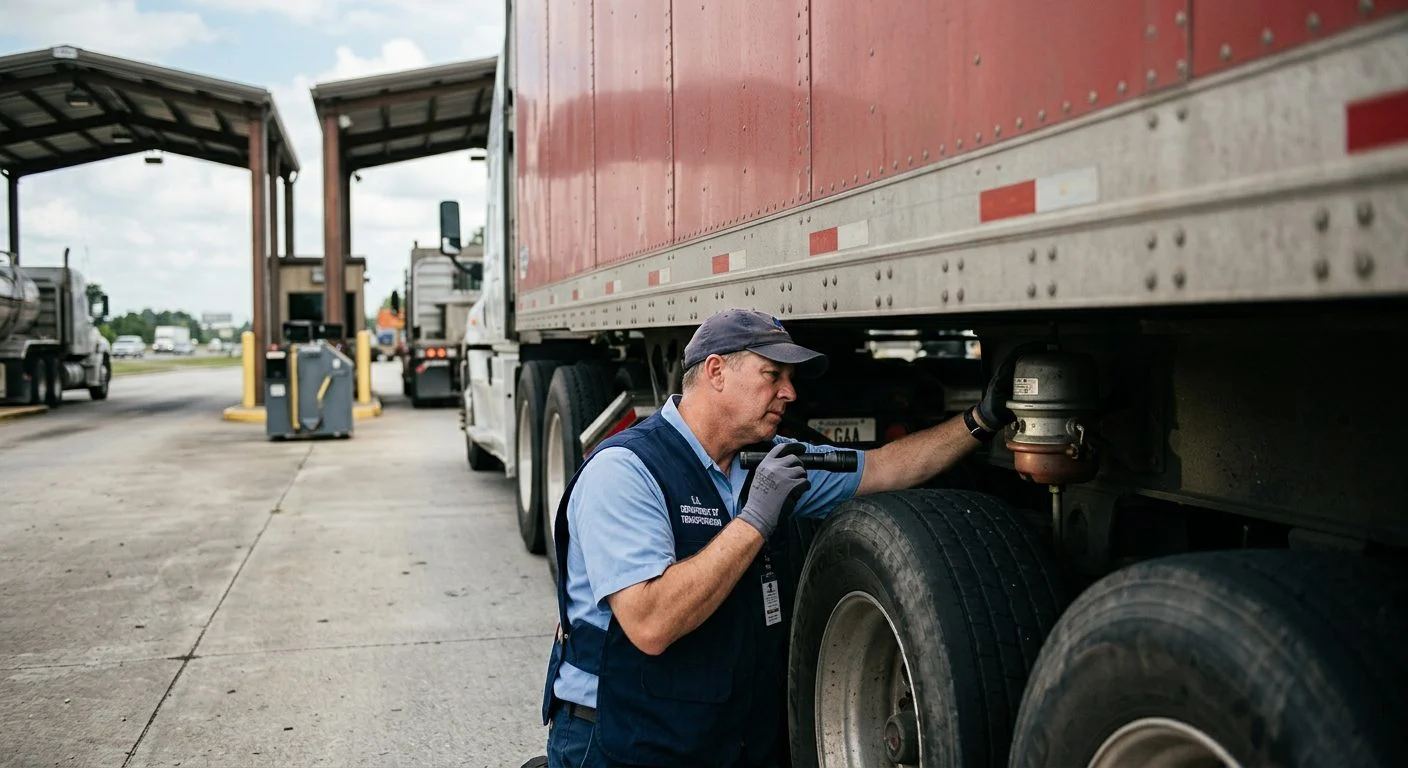
Equipment is another path. Under 49 C.F.R. § 396.3, every motor carrier must systematically inspect, repair, and maintain the vehicles it controls. Parts must be in safe and proper operating condition at all times. The rule names frame and suspension systems, axles, wheels and rims, and steering systems.
Under 49 C.F.R. § 390.11, when a duty is prescribed for a driver or a prohibition is imposed upon the driver in part 325 of subchapter A or in this subchapter, the motor carrier must require the driver to observe it. 49 C.F.R. § 395.3 limits how long a driver may drive after a rest period and caps on-duty hours over several days. A driver who ran past those limits may point to a company that let it happen. For more on the company’s side of the claim, see our Clayton County trucking company guide.
When an 18-Wheeler Was Stopped or Parked on I-75
A truck stopped in a travel lane or on the shoulder of an interstate raises its own questions. Federal rules set a clear sequence for stopped trucks. Under 49 C.F.R. § 392.22, a driver who stops on the traveled portion or shoulder for a reason other than a necessary traffic stop must immediately turn on the hazard flashers. The driver must also place warning devices as soon as possible and within 10 minutes. Whether the driver did these things is a question the evidence can answer.
The possible responsible parties may include the driver and the trucking company. In some cases, others tied to the stop or the load may also matter. Which ones matter depends on why the truck stopped and who made that decision.
Federal rules on stopped trucks, found in 49 C.F.R. § 392.22, cover hazard flashers and warning devices. Drug and alcohol testing of surviving drivers after certain crashes is a separate rule, found in 49 C.F.R. § 382.303. Under 49 C.F.R. § 382.303, the employer must test each surviving driver after a fatality. It must also test a driver who gets a citation for a moving traffic violation arising from the crash when someone is hurt and immediately treated away from the scene, or when a vehicle must be towed away. For alcohol, the citation must come within 8 hours of the crash; for controlled substances, within 32 hours. When a test is delayed, the employer must keep a record of why. Attempts to give an alcohol test end after eight hours. Timing matters, so note when the crash happened.
Evidence to ask about includes the time of day, the mile marker or exit, traffic camera or dashcam footage, witness names, and where the truck sat relative to the lanes.
Georgia Deadlines and Where a Lawsuit Can Be Filed
Georgia generally gives two years to file a personal injury lawsuit. Under O.C.G.A. § 9-3-33, actions for injuries to the person must be brought within two years after the right of action accrues. Claims for loss of consortium, which involve a spouse’s loss of companionship, get four years under the same statute.
Two years is a general rule, not a date to plan around casually. The statute begins with “except as otherwise provided in this article,” so other provisions can change the period. Mark the crash date on your calendar now. Keep a copy of every record about the crash in one place.
Where a lawsuit can be filed depends on facts such as where the trucking company does business and where the crash happened. Those facts shape venue, which is the court where a case is filed.
Waiting also has a cost. Video can be overwritten, witnesses move, and memories fade. Early steps protect the evidence that supports your claim.
Common Questions About Suing a Trucking Company
Here are short answers to the questions readers ask most.
Can I sue for being hit by a semi truck?
Often, yes. The answer depends on who employed the driver and what the company did.
Does my own fault reduce what I can recover?
Yes. Under O.C.G.A. § 51-12-33, the judge reduces damages by your percentage of fault. You may not receive any damages if you are 50 percent or more responsible.
Are all defendants responsible for the whole amount?
No. Under the same statute, each liable person’s share is its own liability and is not joint liability.
How much money can you get?
The amount depends on the facts. Under O.C.G.A. § 51-12-1.1, medical expense damages are limited to the reasonable value of medically necessary care.
Does the trucking company’s insurance pay?
Coverage limits and the claim process vary from one policy to another.
Not sure what your next step is?
Talk it through with our team — the first consultation is free, confidential, and carries no obligation.
Talk With Our Team About Your I-75 Crash
T. Madden & Associates, P.C. is a Georgia personal injury firm in practice since 1999. It has offices in Jonesboro (Clayton County), Atlanta, Decatur, Macon, and Augusta. The firm handles truck and car crash claims, motorcycle and e-bike crashes, slip and falls, medical malpractice, nursing home abuse, wrongful death, and negligent security cases. Our team, including lawyers Terance Madden and Shenia Madden, can review the facts of your crash.
The first consultation is free, confidential, and carries no obligation to continue. The firm works on a no-fee-unless-we-win basis, but the client may still be responsible for court costs and case expenses.
If you are deciding whether to pursue the trucking company after an 18-wheeler crash on I-75, reach out through our contact page. We’re available 24/7.
This page is general information, not legal advice. Responsible lawyer: Terance Madden, T. Madden & Associates, P.C. Contact: tmaddenlaw.com/contact.
How We Approach Your Truck Accident Case
A Free, Confidential Consultation
Tell us what happened and we will explain your options in a free, confidential first consultation. There is no obligation to continue.
Early Evidence Focus
Trucking crashes often involve driver logs, maintenance records and company policies. Our team focuses on identifying and preserving evidence early.
Fees Only If There Is a Recovery
Our fees are contingent: no fee unless there is a recovery. You may still be responsible for court costs and case expenses.
Reach Us 24/7
Call our office at any hour to speak with our team about a recent truck wreck.
Be Careful With the Trucking Company's Insurer
An insurance adjuster may contact you quickly and ask for a recorded statement. Speak with a lawyer before you give any statement or sign any release.
Parties and Records That Can Matter in a Truck Case
The Driver
Driver hours, training, licensing and conduct at the time of the crash can all be part of the investigation.
The Trucking Company
Hiring, supervision, dispatch practices and safety policies may be examined in some cases.
Vehicle Maintenance
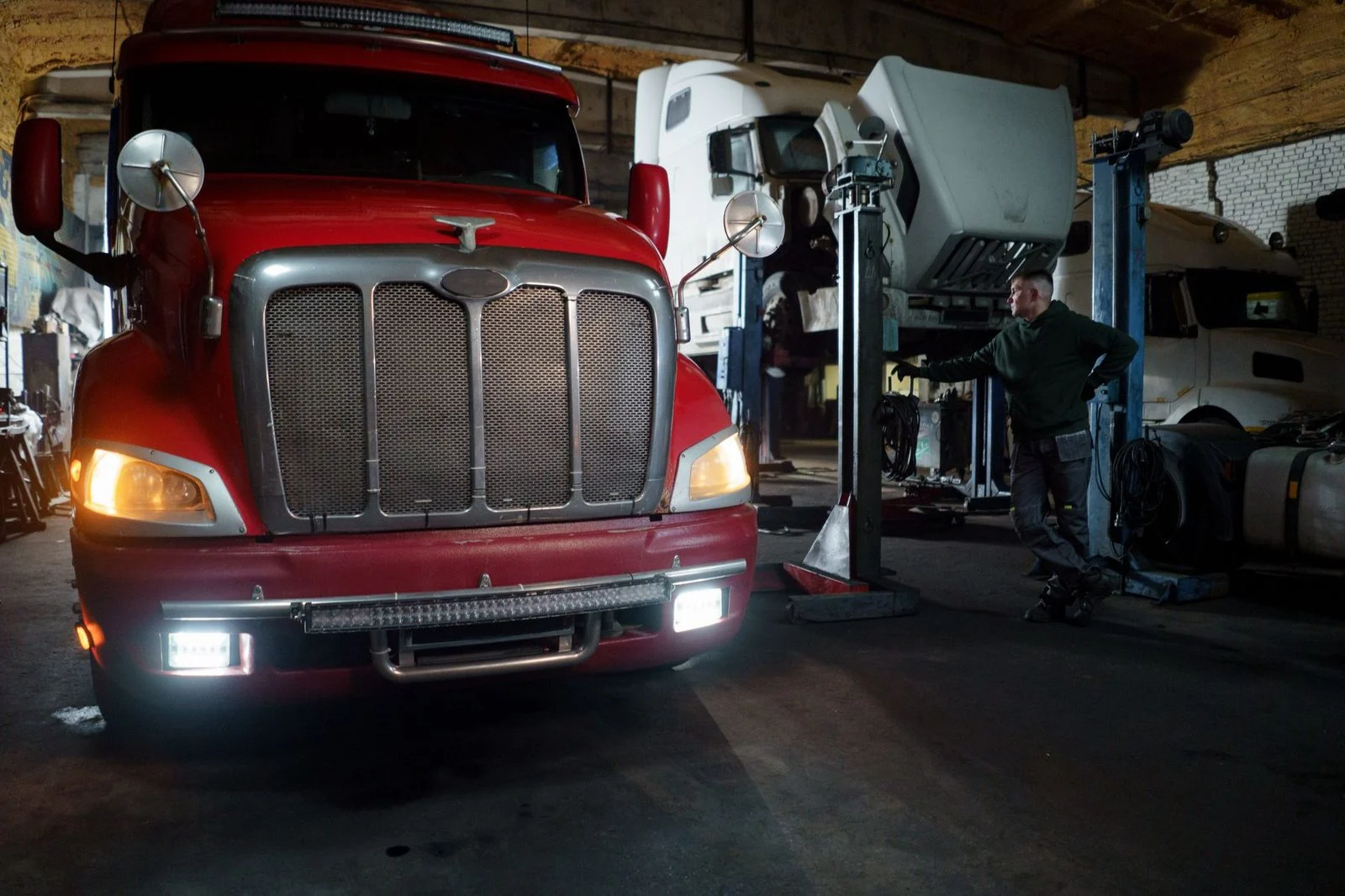
Inspection and repair records for the truck, trailer and brakes can help show what happened on the road.
Your Injuries and Losses
Medical treatment, lost income and everyday limitations are documented so your full losses are presented clearly.