


Delivery Van Accidents | Clayton County, Georgia
Hurt in a Delivery Van Crash in Clayton County?
T. Madden & Associates, P.C. has helped injured Georgians since 1999. Talk with our team about your delivery van accident in a free, confidential consultation with no obligation to continue.
Why Clients Contact Our Firm
1999
In practice since
5
Offices in Georgia
24/7
Phone line available
By Terance Madden · Published October 23, 2026
A delivery van accident lawyer in Clayton County helps people hurt in crashes with delivery vans, box vans and cargo vans. These cases differ from ordinary car crashes. More than one party may be responsible, and key records are often held by the company. T. Madden & Associates, P.C. represents people hurt in car and truck wrecks. The firm has practiced personal injury law since 1999 and has an office in Jonesboro, in Clayton County.
What a Delivery Van Accident Lawyer Handles in Clayton County
A delivery van claim covers a crash involving a delivery, box or cargo van. The injured person may be a driver, a passenger, a pedestrian, a cyclist, or a family member of someone who died.
Vans share the road with commuters on residential streets, shopping corridors and busy routes. A van is often heavy and loaded, so the impact can cause serious harm.
This page is written for:
- Injured drivers and passengers
- Pedestrians and cyclists struck by a van
- Families of a person killed in a van crash
T. Madden & Associates, P.C. handles car accident and truck accident cases. The firm also handles wrongful death and catastrophic injury matters.
If a delivery van pulled into your lane and you now face medical bills and calls from an insurer, our lawyers can review who may be responsible for your losses. Talk it through with our team — the first consultation is free, confidential, and carries no obligation.

Who Can Be Responsible After a Delivery Van Crash
More than one person or business may be responsible after a delivery van crash. Each one may have its own insurance.
- The driver, if careless driving such as distraction, speeding or failing to yield caused the crash.
- The employer. Georgia law holds an employer liable for torts its servant commits in the prosecution and within the scope of the employer’s business, under O.C.G.A. § 51-2-2.
- The vehicle owner or lessor, when the company that owns or leases the van differs from the company that runs it.
- Other parties, such as a contractor, when the facts support a claim.
Georgia divides fault among the parties. This is called apportionment. Under O.C.G.A. § 51-12-33, the fact finder assigns a percentage of fault to each person who contributed to the harm. That includes people who were never sued, but only if the plaintiff entered into a settlement agreement with them or a defending party gives notice not later than 120 days prior to the date of trial that they were wholly or partially at fault. Each liable party pays its own share, not a joint amount.
Your own fault can also reduce recovery. Your award drops by your share of fault. If you are 50 percent or more responsible, you recover no damages (O.C.G.A. § 51-12-33; Quynn v. Hulsey (2020)).
What a Delivery Van Injury Claim Can Cover
A delivery van claim can seek money for the losses the crash caused. Some losses are easy to show with bills. Others, like pain and suffering, are harder to put on paper.
Under O.C.G.A. § 51-12-2, general damages are presumed to flow from the harm and need no proof of an amount. Special damages actually flow from the harm and must be proved, so keep every bill and pay record.
Claims can include:
- Emergency care, hospital stays, surgery, rehabilitation and prescriptions
- Future medical care for lasting injuries
- Lost wages and lost earning ability
- Vehicle repair or replacement and damaged personal property
- Pain, suffering and loss of enjoyment of life
If a van crash kills a spouse or parent, Georgia law lets certain family members recover the full value of the decedent’s life, as shown by the evidence. See O.C.G.A. § 51-4-2. When death results from negligence, the personal representative may also recover funeral, medical and other necessary expenses under O.C.G.A. § 51-4-5. No one can promise an amount in advance, because value rests on proof.
Evidence That Matters Early in a Delivery Van Case
The evidence that matters most is often the evidence that disappears first.
- Police crash report. The GDOT crash reporting system describes Georgia crash data and how to obtain crash reports.
- Photos and video of both vehicles, the scene, skid marks and traffic signals, taken when it is safe.
- Witness names and phone numbers, collected before memories fade.
- Medical records that link your injuries to the crash, starting with the first emergency visit.
- Company records, such as driver logs, delivery schedules, maintenance history, GPS data and dash camera footage, where they exist.
Federal rules set how long certain records must be kept. The schedule in appendix A to 49 C.F.R. § 379.13 shows periods that designated records shall be preserved. The descriptions specified under the various general headings are for convenient reference and identification, and are intended to apply to the items named regardless of what the records are called in individual companies and regardless of the record media. The retention periods represent the prescribed number of years from the date of the document and not calendar years. Records not listed in appendix A to this part shall be retained as determined by the management of each company. Because those periods run out, ask early for company records to be preserved.
How a Delivery Van Claim Works, Step by Step
A delivery van claim usually moves from a first review to an investigation, a settlement demand, and then negotiation or a lawsuit.
- First review. You share the crash details, your injuries and the names of any companies involved.
- Investigation. Our team requests the crash report, medical records and company records.
- Insurance and demand. Our team identifies each insurer and sends a demand backed by the records.
- Negotiation. Insurers review the demand. Talks can take months, longer when several parties are involved.
- Lawsuit, if needed. If a fair resolution is not reached, a lawsuit is filed in the proper Georgia court. Discovery, mediation and trial preparation follow.
Claims with ongoing treatment often take longer. The full cost of an injury becomes clear only after treatment ends.
When Georgia’s Deadline for Delivery Van Claims Begins to Run
In most Georgia injury cases, you have two years to file a lawsuit. Under O.C.G.A. § 9-3-33, except as otherwise provided in that article of the Georgia Code, a claim for personal injury generally has to be filed within two years from when the right of action accrues. The same section sets a one-year period for injuries to reputation and a four-year period for personal injury claims involving loss of consortium.
The same statute sets other periods. Loss of consortium claims have four years, and injuries to reputation have one year. Some claims follow different periods, so check which one fits your case early.
Wrongful death claims raise their own timing questions. Families should review them promptly after a death.
Waiting can cost a claim. Evidence disappears, witnesses move, and the clock keeps running while the insurer talks.
Not sure what your next step is?
Talk it through with our team — the first consultation is free, confidential, and carries no obligation.
Why Injured People in Clayton County Call T. Madden & Associates, P.C.
T. Madden & Associates, P.C. is a Georgia personal injury firm in practice since 1999.
- Offices: Jonesboro (Clayton County), Atlanta, Decatur, Macon and Augusta.
- Lawyers: Terance Madden, who is the responsible lawyer for this page, and Shenia Madden. Our lawyers and support staff handle calls, records and claim paperwork.
- Practice areas: car accidents, truck accidents, catastrophic injury and wrongful death.
- Fees: The first consultation is free, confidential and carries no obligation to continue. Cases are handled on a no-fee-unless-we-win basis, but you may still be responsible for court costs and case expenses.
Frequently Asked Questions About Delivery Van Accidents
These short answers cover the questions people ask most after a delivery van crash.
Can I sue only the driver?
You may be able to make claims against the driver, the employer or the vehicle owner, based on who caused the harm.
Does the employer pay if the driver was working?
Georgia law holds an employer liable for torts its servant commits within the scope of the business. See O.C.G.A. § 51-2-2.
What if the insurer calls me first?
Talk with a lawyer before you answer detailed questions about fault or injuries.
How long do I have to file?
Under O.C.G.A. § 9-3-33, most injury lawsuits must be brought within two years.
You recover nothing if you are 50 percent or more responsible, under O.C.G.A. § 51-12-33.
See O.C.G.A. § 51-4-2.
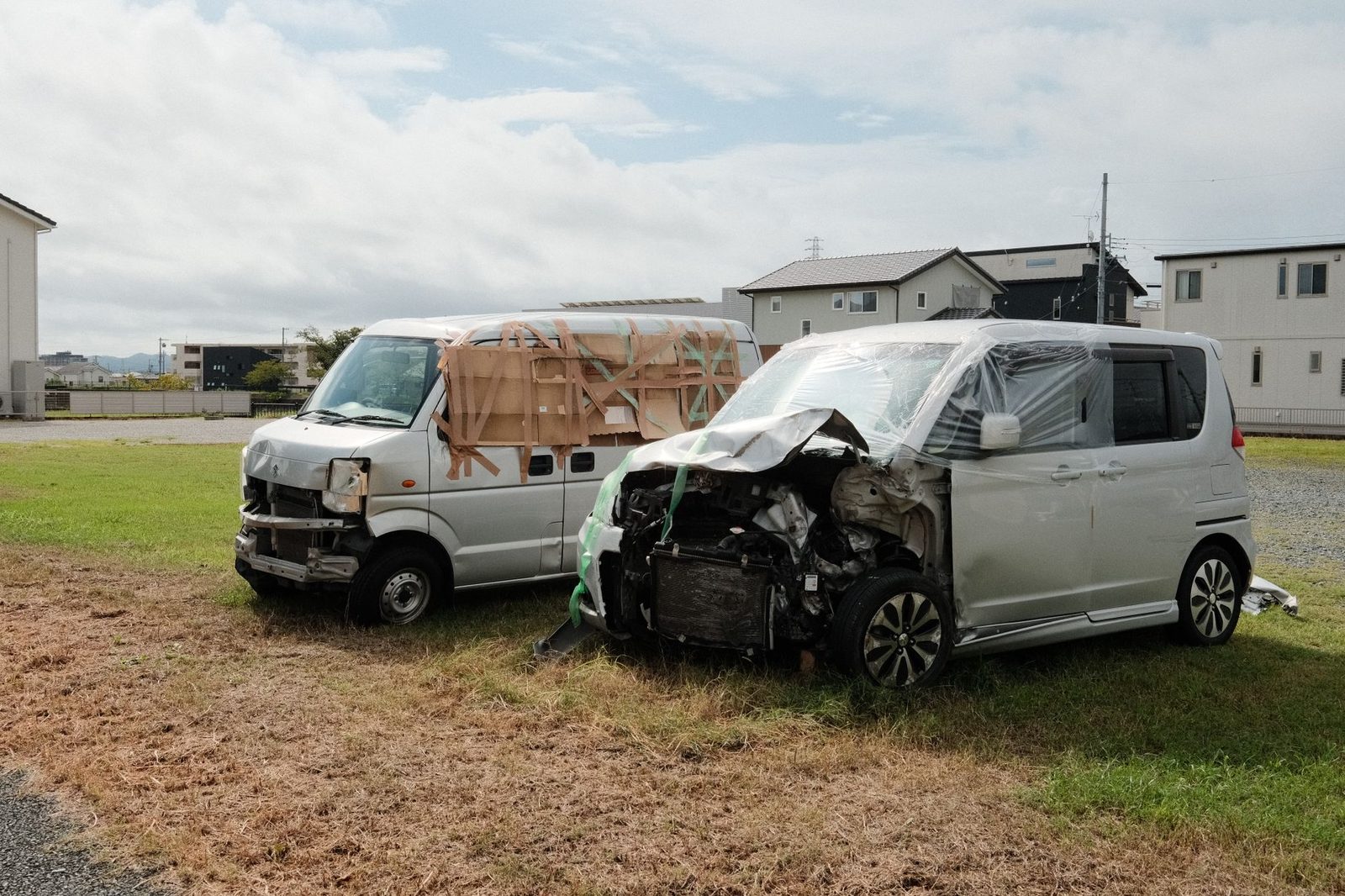
Talk With a Clayton County Lawyer About Your Delivery Van Crash
If a delivery van pulled into your lane, or a box van struck you on the way home, you may have a claim against more than one party. Medical bills, a damaged car and calls from an insurer can pile up fast. The firm’s Jonesboro office is in Clayton County, so a delivery van accident lawyer Clayton County residents can reach is close to home. Start a free case evaluation with T. Madden & Associates, P.C., or call our team 24/7.
How We Can Help After a Delivery Van Crash
Investigating the Crash
We look into how the collision happened, including the van, the route, the driver's work schedule and the company that dispatched the delivery.
Identifying Who May Be Involved
Delivery van crashes can involve the driver, the company that employs them, the vehicle owner or others. We review each possible party to understand the full picture.
Focusing on Your Recovery
Our team keeps your medical care, bills and lost income in view as we pursue the compensation your case may support.
No Fees Unless There Is a Recovery
You pay no attorney fees unless there is a recovery. You may still be responsible for court costs and case expenses, which we will explain before you decide.
Keep Your Records Organized
Save photos of the scene and vehicles, names and contact details of witnesses, the crash report number, and every medical visit and bill. Careful records help us tell your story clearly.
Steps to Take After a Delivery Van Accident
Get Medical Care
Even if your injuries seem minor, see a doctor promptly. Prompt treatment protects your health and creates an important record of your injuries.
Document the Scene
Take photos of the van, your vehicle, road conditions and visible injuries. Note the time, location and names of anyone who saw the crash.
Report and Save Paperwork
Keep the police report, insurance correspondence and receipts. Write down what happened while the details are still fresh.
Call Our Team
Reach out to T. Madden & Associates, P.C. for a free, confidential consultation. We are available 24/7 to answer your questions about your next steps.
Talk With T. Madden & Associates About Your Delivery Van Accident
Related practice areas
- Car Accident Lawyer in Georgia: What to Do After a Crash and How a Claim Works