

Does a Traffic Ticket Mean You Were at Fault in Georgia?
By Terance Madden · Published October 29, 2026
Does a Traffic Ticket Mean You Were at Fault in a Georgia Car Accident?
Fault in a Georgia car accident depends on the facts of each case. It is one piece of evidence. Insurers and courts weigh it alongside the crash report, photos, witness statements and other proof of how the crash happened.
If you got a ticket after a crash, you may worry it will decide who pays for your injuries. It doesn’t have to. This guide explains how Georgia divides fault, what a citation can and cannot show, and what else matters.
A Traffic Ticket Is Not the Final Word on Fault
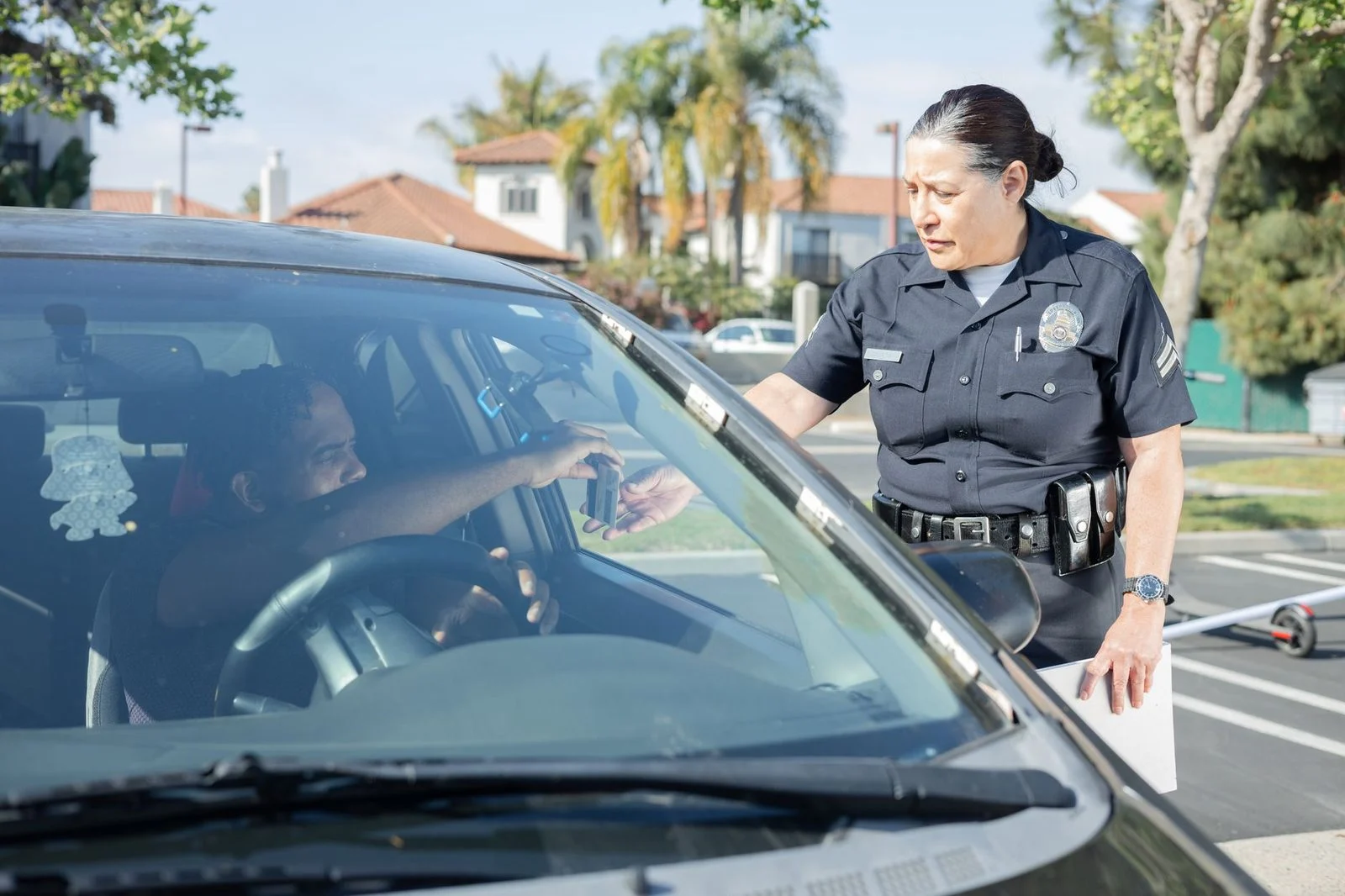
Each Georgia injury claim is evaluated on its own facts. A citation is an officer’s charge, based on what the officer saw and learned at the scene. It records a decision made early, not a full review of the crash.
Fault in an injury claim asks a bigger question. How did the crash happen, and which driver acted carelessly? Answering that takes the whole evidence file. One document rarely answers it alone.
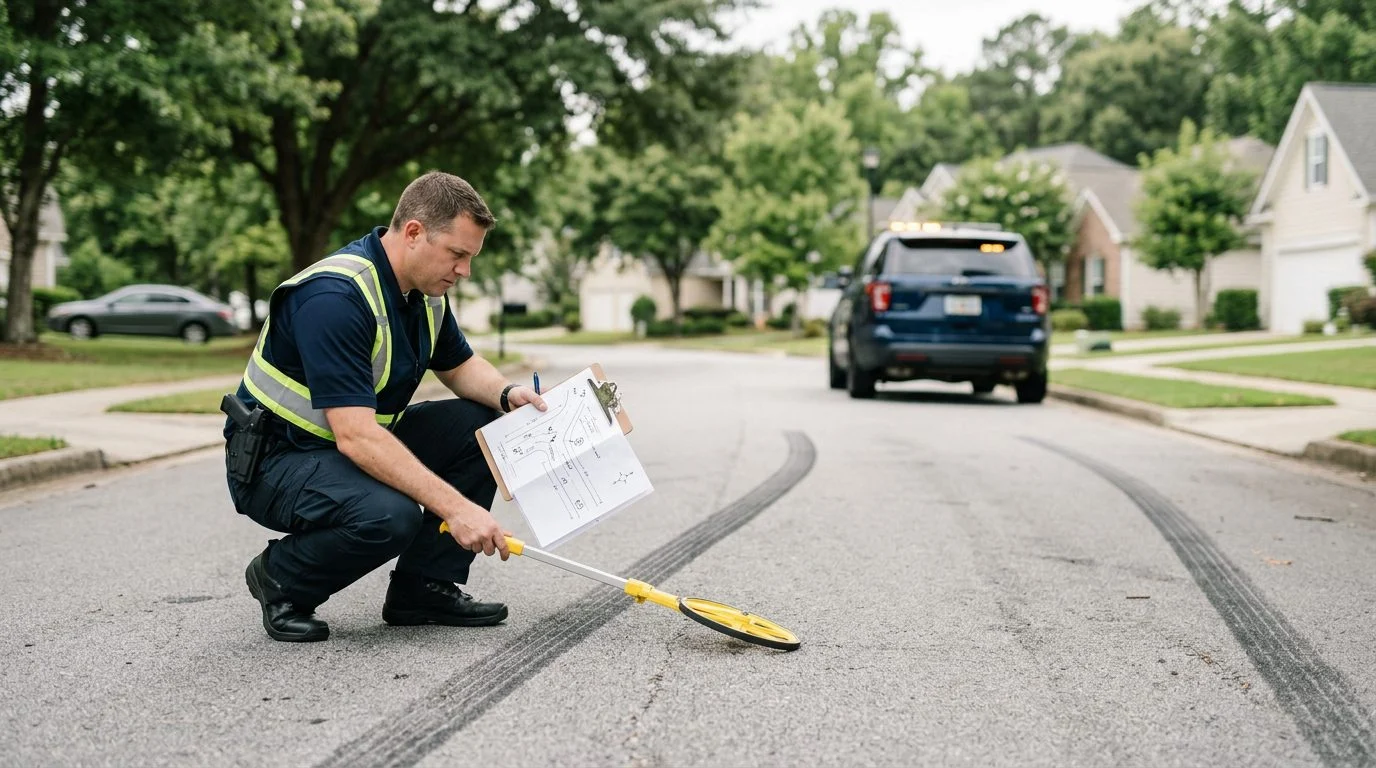
Consider a common case. Two cars collide at an intersection. One driver gets a ticket for failing to yield. The other driver says the light was yellow and the first car came in fast. Photos, skid marks and witness accounts may tell a fuller story. The ticket is part of that story, not the end of it.
For the broader picture of Georgia car accident claims, read our Georgia car accident guide.
How Georgia Divides Fault Under O.C.G.A. § 51-12-33
Georgia compares the fault of everyone involved in a crash. Under O.C.G.A. § 51-12-33, the fact-finder sets the injured person’s percentage of fault. The judge then reduces the damages by that share.
The statute also requires looking at everyone who contributed to the injury. Each liable person pays only their own share. The shares are not joint liability, so one driver does not pay another driver’s share.
Georgia also draws a hard line at 50 percent. Under O.C.G.A. § 51-12-33 (Quynn v. Hulsey (2020))(g), a plaintiff who is 50 percent or more responsible cannot receive any damages. Below that threshold, the award is reduced in proportion to the plaintiff’s percentage of fault.
The percentages come from the evidence. A citation can push that number up or down. It does not set the number by itself.
Does a Traffic Citation Affect Fault in a Car Accident?
A citation can be relevant evidence. Insurers and adjusters often look at it when they evaluate a claim. How much it counts depends on the facts. Ask three questions. What did the officer actually see? What do the drivers and witnesses say? What does the physical evidence show?
A citation written after the crash may not, on its own, establish how the crash unfolded. It does not erase the other driver’s conduct. If that driver also broke a traffic rule or drove carelessly, their share of fault still counts under the apportionment rule in O.C.G.A. § 51-12-33.
Two drivers can share fault. A ticket to one driver does not make the other driver blameless. For how fault is assessed in one common crash type, read our guide on who is at fault when someone rear-ends you in Georgia.
Evidence That Can Show Fault Beyond the Ticket
Fault is usually shown by several kinds of evidence working together. No single item carries the whole claim.
- The crash report. It records the officer’s observations, a diagram, and statements from drivers and witnesses. Check it for errors and write down the report number.
- Photographs. Pictures of the vehicles, the roadway, skid marks, traffic signals and where the cars came to rest can show what happened. Photos taken early are often the most useful.
- Witness statements. Names and phone numbers matter.
- Vehicle data. Many newer vehicles record crash information in an event data recorder. It can show speed, braking and throttle before impact. Whether a given car has this data depends on the vehicle.
- Medical records. Records show the injuries and when treatment started. Prompt treatment helps connect the injury to the crash.
Each piece adds to the picture. Together, they show how the crash happened and who contributed to it.
Common Misconceptions About Fault and Traffic Tickets
Several myths come up again and again. Here is what the rules say.
Myth: A ticket means you are automatically liable. Georgia does not work that way.
Myth: No ticket means no fault. Some crashes involve no citation at all. Fault is still decided from the facts, and the other driver may carry a share.
Myth: The adjuster’s conclusion is final. An adjuster’s position is where talks begin. It is not a court ruling. You can answer with evidence and ask what facts their view is based on.
Is Georgia a No-Fault State for Car Accidents?
For an injury claim against the other driver, Georgia looks at who caused the crash. “No-fault” usually describes an insurance system, and Georgia’s injury claims work differently. Fault drives the claim.
Georgia defines ordinary diligence as the care that ordinarily prudent persons take under the same or similar circumstances, under O.C.G.A. § 51-1-2. O.C.G.A. § 51-1-6 says that when the law requires a person to act, or not act, to avoid injuring another, the injured party may recover for the breach of that legal duty if he suffers damage from it.
That is why the question of who caused the crash matters so much. The evidence helps answer it.
What to Do With a Ticket You Received After a Crash
The next step is to protect your evidence and watch what you say. Start with these four steps.
- Keep the citation, the crash report number, and the names and contact details of every driver and witness.
- Notify police and your own insurer promptly. Georgia’s auto claim tips from the Office of the Commissioner of Insurance are a state resource on auto claims.
- Be careful with recorded statements to the other driver’s insurer. Keep a log of every call and letter.
- Gather photos and medical records as described above.
Deadlines matter too. Georgia generally requires a lawsuit for injuries to the person to be brought within two years after the right of action accrues, under O.C.G.A. § 9-3-33, except as otherwise provided; the statute sets one year for injuries to reputation and four years for loss of consortium.
If your crash happened in Clayton County, our Clayton County guide addresses car accidents in Clayton County.
Quick Answers
Does a traffic ticket mean I was at fault in a Georgia car accident?
Not automatically. A ticket is one piece of evidence, weighed with everything else.
What happens if I am 50 percent at fault in Georgia?
Under O.C.G.A. § 51-12-33, you cannot receive any damages at 50 percent or more.
Does a police report decide fault?
It is important evidence. It does not decide fault alone.
Should I give a recorded statement to the other insurer?
Be careful. Think before you speak, and keep a record of what you said.

Talk With T. Madden & Associates About Your Citation
If you are holding a ticket from a crash, and an insurer is now asking questions, you may be wondering whether that paper will decide who pays. You don’t have to answer that alone. Reach out through our contact page for a free, confidential talk about your options.
Our first consultation is free, confidential and carries no obligation to continue. We charge no fee unless we win your case, but you may still be responsible for court costs and case expenses.
This page is general information, not legal advice. The responsible attorney is Terance Madden of T. Madden & Associates, P.C. The firm has offices in Jonesboro (Clayton County), Atlanta, Decatur, Macon and Augusta. Contact: contact page.
Ready to take the next step?
Related practice areas
- What is the definition of personal injury?