

Clayton County Car Accidents
Need Your Clayton County Crash Report? Start Here.
T. Madden & Associates, P.C. has helped injured people in Georgia since 1999. Learn how to request the police report from your wreck, and how our Jonesboro team can help you move forward.
Why Clients Call Us
1999
Serving Georgia injury clients since
5
Offices: Jonesboro, Atlanta, Decatur, Macon and Augusta
24/7
Call us anytime to talk about your case
By Terance Madden · Published October 29, 2026
If you’re asking how to get the police report after a car accident in Clayton County, request it from the law enforcement agency that investigated the crash. Reports take time to finish, so it helps to ask early.
This guide covers which agency to contact, how to make the request, what the report shows, and why timing matters. T. Madden & Associates, P.C. has been in practice since 1999 and has an office in Jonesboro, in Clayton County.
Short Answer: Where the Police Report Comes From
The police report comes from the agency that investigated the crash. It does not come from the other driver’s insurer, and a law firm does not hold it for you. Reports need time before they are complete and available. Georgia’s Office of the Commissioner of Insurance and Safety Fire advises drivers to promptly notify police and their insurer after a crash, and to collect accident and witness information at the scene (Georgia auto claim tips). Those early steps also make the request easier, because you’ll have the details the agency needs.
If your crash happened on a Clayton County road and the report is still out of reach, reach out to us. Your first consultation is free, confidential, and comes with no obligation to continue. Talk it through with our team — the first consultation is free, confidential, and carries no obligation.
Identifying Which Agency Investigated Your Crash
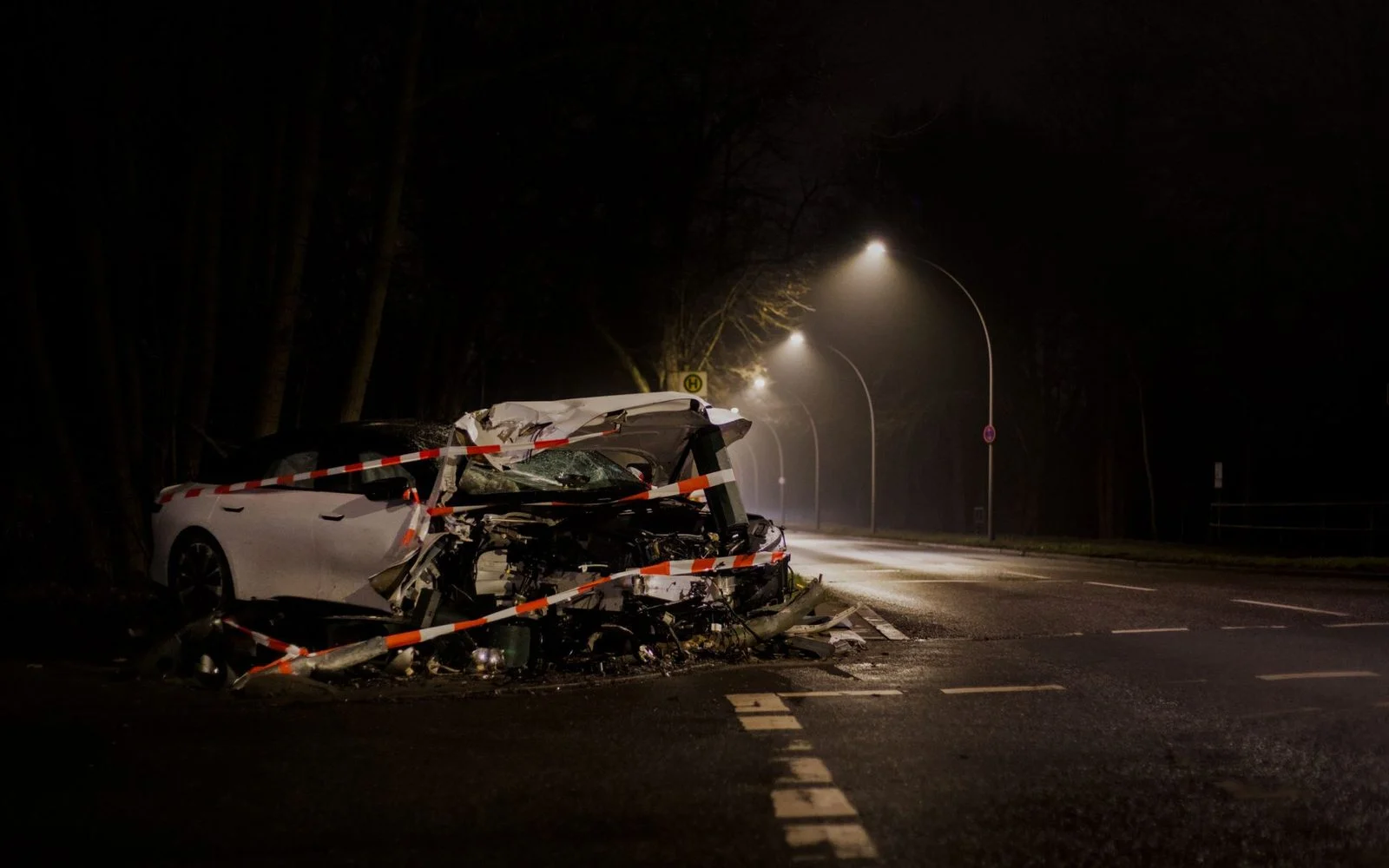
The investigating agency is usually a city police department, the county sheriff’s office, or the Georgia State Patrol. Which one applies depends on where the crash happened and which unit responded. Depends on the facts, so confirm the agency before you file a request.
Start with the paperwork you got at the scene. The officer’s name, the agency, and a report or incident number often appear on a citation or on the information card drivers exchange. If you have a report number, bring it with you. It helps records staff find your file faster.
If you’re unsure, call the agency that responded and ask. Give the date, time, exact location, and the names of the drivers. A request sent to the wrong agency can cost you time you may not have to spare.
How to Request a Copy of the Report
You can usually ask for a copy in person, by mail, or through an online records portal where the agency offers one. Each agency sets its own steps, so check which routes it accepts before you go. The Georgia Department of Transportation explains its approach to crash reporting on its Georgia DOT crash reporting page.
Bring these details: the date and time of the crash, the location, the names of the drivers, and the report or incident number. Include vehicle details if you have them.
Agencies may charge a fee for copies. Ask for the current amount and the payment methods they accept before you send any money.
What the Crash Report Contains and Why It Matters for Fault
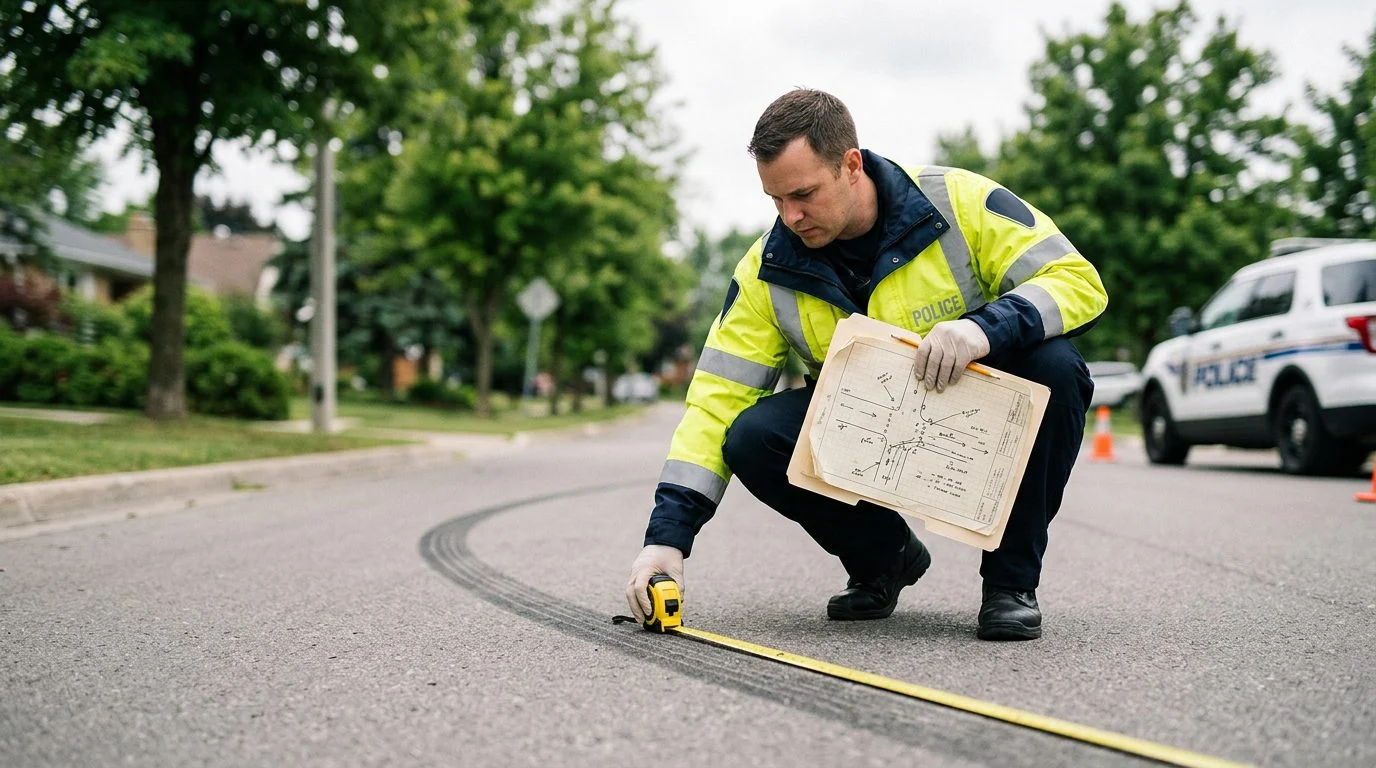
A crash report usually lists the parties and vehicles, road and weather conditions, a diagram, the officer’s observations, witness details, and any citations issued. The Georgia Department of Transportation describes the official crash data available for resolving legal matters after a crash in its Georgia Uniform Vehicle Accident Report.
Georgia uses a modified comparative fault rule. Damages are reduced in proportion to the injured person’s share of fault. If that person is 50 percent or more responsible, they cannot recover any damages (O.C.G.A. § 51-12-33). A separate rule, O.C.G.A. § 51-11-7, bars recovery when a person, using ordinary care, could have avoided the harm caused by the other driver’s negligence.
The report is one piece of evidence. It records what the officer saw and was told. It does not settle fault by itself. In a rear-end crash, the report’s account of who slowed, who stopped, and where the vehicles came to rest can matter a great deal.
Why Requesting the Report Promptly Matters
Asking early lets you check the report while the details are fresh. You can spot errors, such as a wrong lane, a missing vehicle, or a misspelled name, and raise them with the agency.
Keep a simple file. Write down the report number, the date you asked, any receipts, and every letter or email from the agency.
Claims against a city or other municipal corporation carry a six-month window. Under O.C.G.A. § 36-33-5, a claim for money damages against a municipal corporation for injuries must be presented in writing to the governing authority within six months of the event, stating the time, place, and extent of the injury, as nearly as practicable, and the negligence that caused the injury, and the description of the extent of the injury must include the specific amount of monetary damages being sought. If a state vehicle was involved, written notice is due within 12 months of when the loss was discovered or should have been discovered (O.C.G.A. § 50-21-26). Georgia’s general deadline for a personal injury lawsuit is two years, as a Georgia appellate opinion quoting O.C.G.A. § 9-3-33 explains.

Reviewing the Report With a Clayton County Car Accident Lawyer
Terance Madden and the firm’s lawyers, including Shenia Madden, can review a crash report alongside your own account, photos, and medical records. A review checks whether the parties, vehicles, diagram, and sequence of events match what you remember. It also looks for missing details or conflicts that an insurer may raise.
If your crash happened on a Clayton County road and the report is still out of reach, contact T. Madden & Associates. Your first consultation is free, confidential, and comes with no obligation to continue.
Frequently Asked Questions
How do I get the police report after a car accident in Clayton County?
Ask the agency that investigated the crash, in person, by mail, or through an online portal if it offers one. Have the date, location, and driver names ready.
Which agency has the report?
It is usually a city police department, the county sheriff’s office, or the Georgia State Patrol. The location of the crash and the responding unit decide which one.
How long does a crash report take?
Reports need time to be completed and made available. Request yours early, because timing varies by agency.
Does the report decide who is at fault?
It does not decide fault by itself. It is one piece of evidence, and Georgia’s 50 percent rule under O.C.G.A. § 51-12-33 (Quynn v. Hulsey (2020)) bars recovery of any damages if the plaintiff is 50 percent or more responsible for the injury or damages claimed.
Terance Madden is the responsible lawyer for this page. T. Madden & Associates, P.C. has offices in Jonesboro, Atlanta, Decatur, Macon and Augusta. Contact: https://www.tmaddenlaw.com/contact/
Three Ways to Request Your Report
Ask in person
Visit the records office of the agency that responded to your crash. Bring a photo ID and the details of the wreck.
Request by mail
Send a written request to the investigating agency with the crash date, location, and driver names. Include any fee the agency lists on its website or request form.
Use an online portal
Some agencies offer online report requests. Check whether the agency that investigated your crash provides one, and have your crash details ready.
Have These Details Ready
Before you request the report, write down the date and exact location of the crash, the names of everyone involved, and any report or case number you received at the scene. Agencies use these details to find the right file.
How Our Clayton County Team Can Help
Free first consultation
Our free, confidential first consultation comes with no obligation to continue. Talk through your crash and your questions with our team.
Focused injury practice
T. Madden & Associates, P.C. focuses on car and truck wrecks, motorcycle and e-bike crashes, slip and falls, medical malpractice, nursing home abuse, negligent security and wrongful death.
Attorneys who listen
Our lawyers and staff take time to understand what happened, what you have been through, and what you need next.
Available 24/7
Call us at any hour to start your free case evaluation and get answers about your crash.