


Car Accident Lawyer | Clayton County and Georgia
Hurt in a Rideshare Crash? Let's Talk About Where Your Case Belongs
T. Madden & Associates, P.C. has represented injured people across Georgia since 1999. Here is how we think through venue in rideshare accident cases.
Our Firm at a Glance
1999
Year we began practicing law
5
Georgia offices: Jonesboro, Atlanta, Decatur, Macon and Augusta
By Terance Madden · Published October 27, 2026
Which Georgia courts would hear a rideshare accident case that arose in Clayton County, and how does venue affect the claim?
A rideshare accident case from Clayton County is heard in a Georgia trial court. The exact court and county depend on the facts of the crash, the parties involved, and the amount in dispute. Venue is the county where a lawsuit may properly be filed, and it is separate from who was at fault.
Many people assume the county where a crash happened sets the filing location. That place may be part of the picture, but other facts matter too. A rideshare case can involve the driver, the app company, and other drivers, and each one may have different ties to a Georgia county.
Because venue depends on the facts, the right county is usually settled only after someone reviews the crash report, the trip details, and the parties. An early review helps a case start on the right footing.
If a rideshare crash in Clayton County left you or someone you love hurt, you don't have to sort out the venue questions alone. Talk it through with our team — the first consultation is free, confidential, and carries no obligation.

Why the Clayton County crash location matters for venue
The crash location is one fact in the venue picture, not the whole answer. A crash on a Clayton County road can lead to a lawsuit filed in a different county. Venue looks at more than the scene.
For some claims, where the injury-causing event happened can matter too. A lawyer weighs these points together before choosing where to file.
People often focus only on the scene. The crash report from the responding agency usually lists the location, time, and vehicles. The trip record from the rideshare app can show when the driver was active. Together, these records help show where and how the crash happened.
Keep your photos, the report number, and the names of drivers and witnesses. These details support every later step, from choosing a county to proving fault.
Who the defendants are in a rideshare crash and where they can be sued
The possible defendants in a rideshare crash can include the driver, the rideshare company, and the owner or driver of any other vehicle involved. Each one may face a different claim and may have different ties to a county.
Georgia’s rideshare law limits when the app company can be held liable. Under O.C.G.A. § 40-1-201, a ride share network service is not liable under any theory, including vicarious liability, for injury from a driver’s operation of a personal car. O.C.G.A. § 40-1-201 reads: “(a) No ride share network service shall be liable under any theory of liability, including, but not limited to, vicarious or product liability, for any injury to persons or damage to property from the operation of a personal passenger car by a ride share driver by reason of owning, operating, or maintaining a digital network or internet network to connect passengers to ride share drivers for the purpose of prearranged transportation for hire or for donation, provided that.” That protection applies only if the service had no negligence or criminal misconduct of its own, followed the part’s requirements, and conducted or caused a criminal background check, or obtained a private background check certification, for each driver at least once every two years.
Insurance is a separate question. A driver’s personal insurer may exclude any and all coverage afforded under the owner’s insurance policy for any loss or injury that occurs while a driver is logged on to a transportation network company’s digital network or while a driver provides transportation network company services. So whether the driver was logged on is a key fact.
Under O.C.G.A. § 51-2-2, a person is liable for torts committed by a servant in the prosecution and within the scope of his business. Whether a particular driver’s work falls within that scope depends on the facts.
How venue affects the claim and the timeline
Venue shapes which court hears the case and how the docket moves.
Timing matters more than many people expect. Georgia law sets time limits for filing injury lawsuits. For many personal injury claims, the general deadline is two years, but exceptions depend on the facts of each case.
Once a suit is filed, the defendant must respond. Under O.C.G.A. § 9-11-12, except as provided in paragraph (2) of this subsection, a defendant shall serve an answer within 30 days after the service of the summons and complaint upon the defendant, unless otherwise provided by statute. A defendant can also challenge where the case was filed, so the county is not settled until the court rules.
Fault is handled under O.C.G.A. § 51-12-33. Damages are reduced in proportion to the plaintiff’s share of fault. A plaintiff who is 50 percent or more responsible cannot receive any damages. A defending party can name a nonparty as partly at fault by giving notice no later than 120 days before trial.
Clayton County, Jonesboro, and the rideshare passenger, driver, or pedestrian
The same venue questions come up for each person in a rideshare crash. A passenger, a logged-in driver, a pedestrian struck by a rideshare vehicle, and the family of someone who died each have a different route into the case.
Insurance can matter for injured passengers. Checking which policies may apply is part of the early work.
Trip evidence matters too. Under O.C.G.A. § 40-1-193, a rideshare driver must keep digital identification on a smartphone while active on the network. On reasonable suspicion of improper operation, the driver must give an officer access to that phone and the electronic trip record.
Hit-and-run cases add another layer. If the other driver left, write down any plate numbers, the time, and the location as soon as you can.
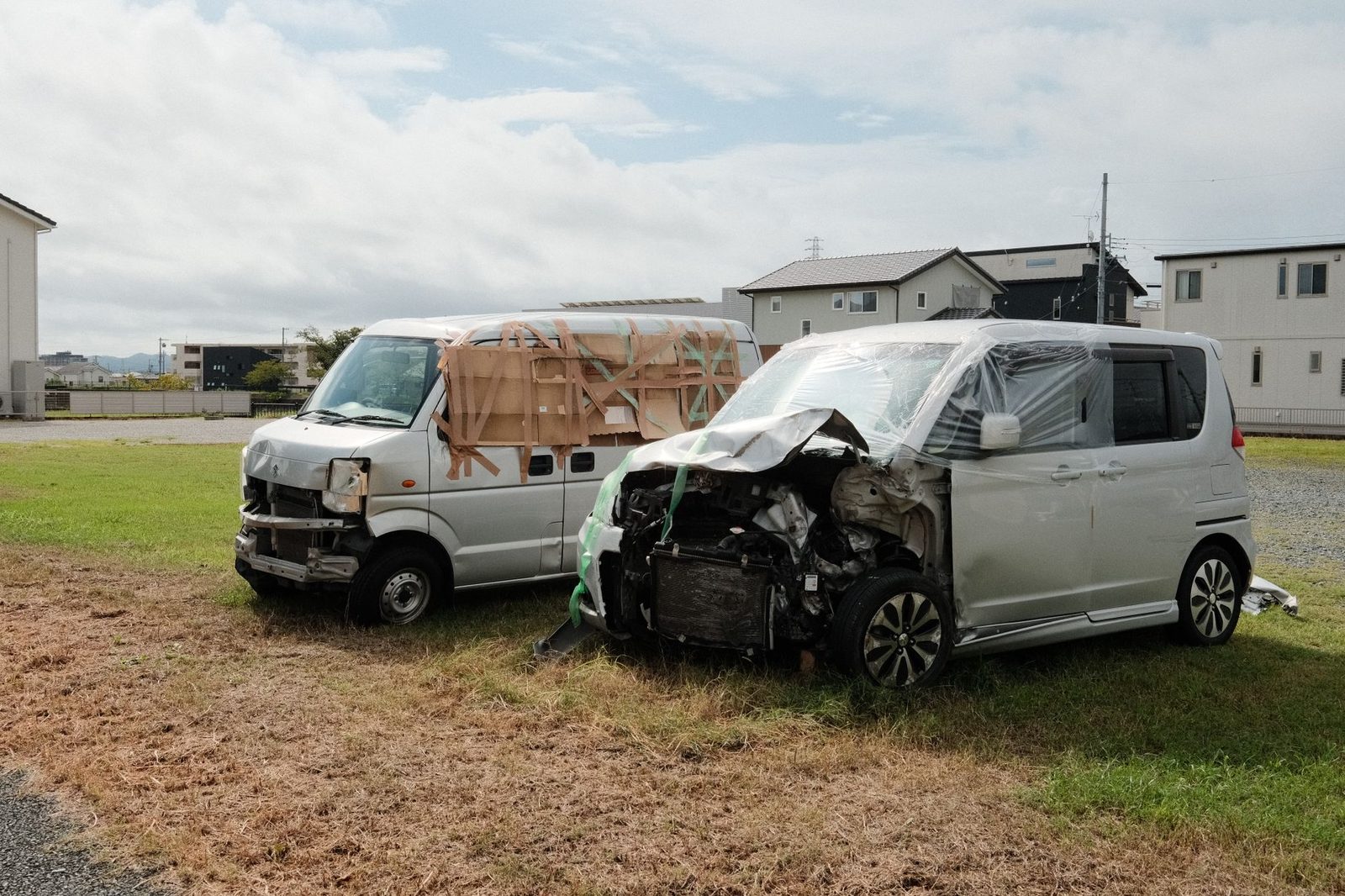
Talk with T. Madden & Associates about your Clayton County rideshare crash
If you’re reading this after a crash, you may be trying to make sense of something you did not choose. You may be doing it for a family member who cannot. Venue feels technical, and the deadlines are real.
Quick answers
Does the crash county decide where I file?
Not by itself. Venue depends on several facts, so the filing county is set after reviewing your case.
How long do I have to sue for injuries in Georgia?
Under O.C.G.A. § 9-3-33, a personal injury claim in Georgia generally must be filed within two years after the right of action accrues, except that claims for injuries to reputation must be filed within one year and claims involving loss of consortium within four years.
Terance Madden, who has practiced in Georgia since 1999, leads T. Madden & Associates, P.C., which has an office in Jonesboro, in Clayton County. Terance Madden is the responsible lawyer for this page. Our first consultation is free, confidential, and carries no obligation to continue (consulta inicial gratuita, confidencial y sin compromiso). We work on a no-fee-unless-we-win basis, but you may still be responsible for court costs and case expenses. Contact our team to talk through your situation.
How We Work With You
Free first consultation
Your first consultation is free, confidential and comes with no obligation to continue.
No fees unless there is a recovery
Our fee depends on a recovery. You may still be responsible for court costs and case expenses.
Call us 24/7
Reach out at any hour to discuss your rideshare crash and your next steps.
Attorneys who listen
Terance Madden and our attorneys review the details of your crash and explain your options in plain language.
Contact a Lawyer Early
Where a case is filed depends on several facts, so the county is set only after we review your situation. Speaking with us early helps protect important evidence such as trip records, photos and medical documentation.
What We Review Early
Where the crash happened
The location of the collision is one of the first details we look at when planning your case.
Who was involved
We identify the driver, the rideshare company's role and any other vehicles or parties connected to the crash.
Your medical care
Records of your treatment, diagnoses and ongoing care shape how we evaluate your injuries.
Evidence and records
App data, dashcam footage, police reports and witness accounts can disappear quickly, so we act promptly.