

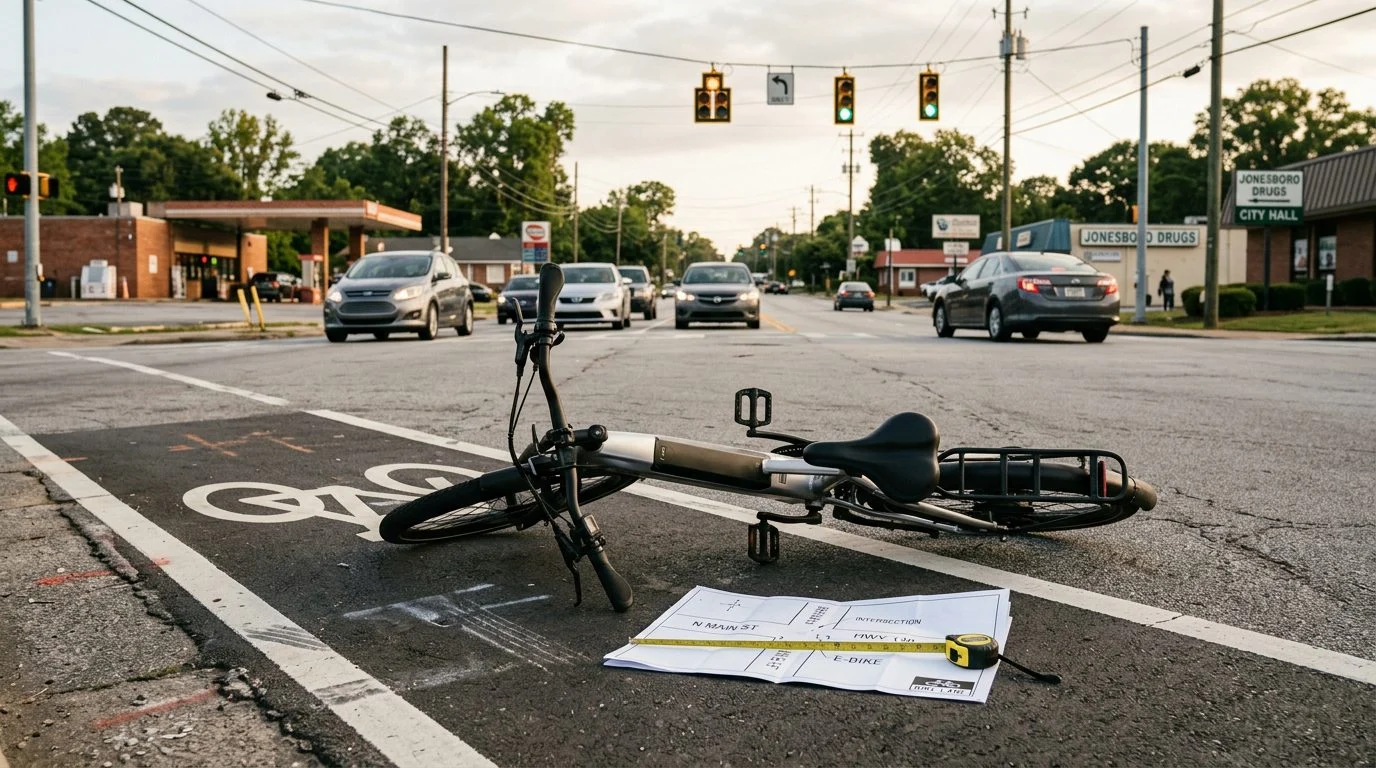
E-bike crash lawyer | Clayton County, Atlanta, Decatur, Macon and Augusta
Hurt on an e-bike without a helmet? Your claim may still be worth a conversation.
A helmet is one fact among many. Here is how the firm looks at it, and how to start.
T. Madden & Associates, P.C.
1999
Serving Georgians hurt in crashes since
5
Georgia offices: Jonesboro, Atlanta, Decatur, Macon, Augusta
No fee
unless there is a recovery. Court costs and case expenses may still apply
By Terance Madden · Published November 22, 2026
You were riding your e-bike, the crash happened fast, and now someone is asking whether you had a helmet on. A helmet can matter in an e-bike crash claim, and the facts of each case decide how much.
The Short Answer: A Missing Helmet Does Not Automatically End Your Claim
A missing helmet is one fact among many. Georgia uses comparative fault, which means shared fault. Each person’s share of blame is measured, and the injured person’s share reduces what they can recover. Under O.C.G.A. § 51-12-33, the trier of fact, usually a jury, decides the injured person’s percentage of fault. The judge then reduces the damages in proportion to that share.
So the helmet question feeds a percentage. It does not flip a switch. A rider who is less than 50 percent at fault can still recover. The insurer and the court look at the whole crash: who did what, what each person could have done, and what injuries followed.
Not sure what your next step is?
Talk it through with our team — the first consultation is free, confidential, and carries no obligation.
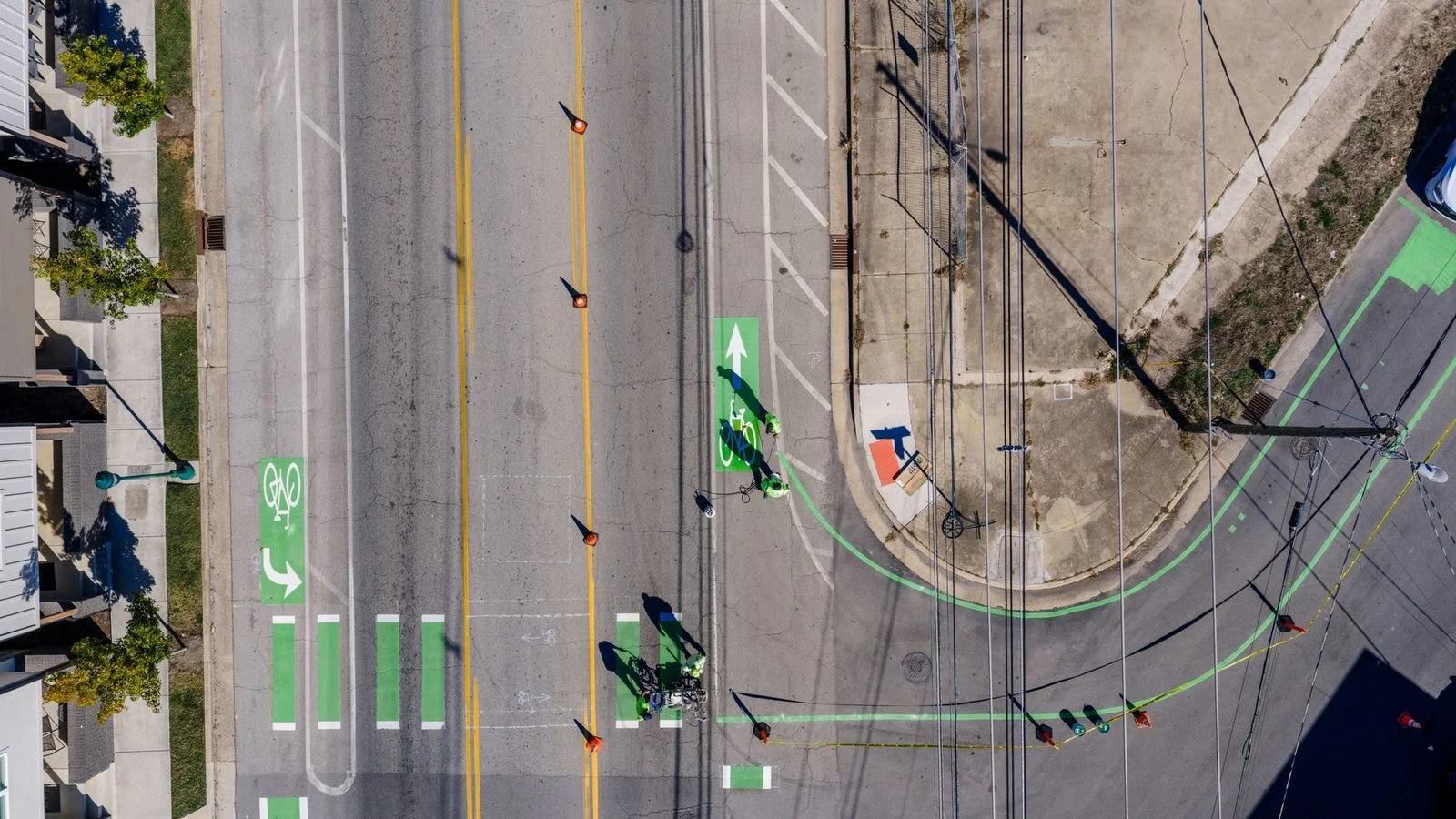
How Georgia’s Fault Rule Works for an E-Bike Rider
Georgia’s line is 50 percent. A plaintiff who is 50 percent or more responsible for the injury may not receive any damages (O.C.G.A. § 51-12-33; Quynn v. Hulsey (2020)). Below 50 percent, the award is cut by the rider’s share.
Here is a simple illustration, not a real case. Say a jury values your losses at $100,000 and finds you 20 percent at fault. You would recover $80,000. If the jury finds you 50 percent at fault, you would recover nothing.
Other people can share fault too. Each liable person pays only its own share.
Georgia also has an avoidance rule. Under O.C.G.A. § 51-11-7, if the rider by ordinary care could have avoided the harm caused by the other side’s negligence, recovery is barred. In other cases, the defendant is not relieved even if the plaintiff contributed to the injury. The helmet is one fact to weigh. It is not automatically the cause.
“Damages” means the money a court can award for losses the crash caused. General damages cover harm the law presumes flows from the wrong, like pain and suffering. They can be recovered without proof of an exact amount, under O.C.G.A. § 51-12-2. Special damages are actual costs, like medical bills and lost pay, and they must be proved.
How the Defense May Use the Helmet Point
Expect the other side to argue that the rider made the injury worse. The common version is simple: a helmet would have lessened a head injury, so the rider shares the blame for the damage.
Big Insurance tactics often follow a pattern. An early call may ask for a recorded statement, which is an audio record of your answers that can be used later. Leading questions can turn a short answer into an admission. A quick, low first offer may cite the missing helmet as a reason to pay less. Delays while records are “still being reviewed” wear down a family. Treatment can be disputed as too much, too soon, or unrelated. A “low impact” label may be used to argue the crash could not have hurt you much.
Here is the core point. Big Insurance is not on your side. An insurer’s first offer is rarely what a claim is worth. A helmet argument is about fault and cause, so it has to be answered with evidence, not accepted as a verdict.
Medical Evidence Decides What the Crash Caused
The medical record, more than the helmet itself, shows what the crash caused. Medical records and crash evidence are often used to show how the crash and the injuries are connected. Doctors treat broken bones, road rash, soft tissue injuries, and head injuries as separate problems. Each needs its own proof.
Emergency room notes, imaging, and the treating doctor’s chart show where the impact landed and what it caused. Those records answer the helmet argument with facts. Consistent, timely care matters too. A gap in treatment gives the defense room to argue the injury was not that serious. Follow the plan your doctor sets, and keep copies of what you receive.
Medical bills get reviewed as well. Under O.C.G.A. § 51-12-1.1, medical expenses are limited to the reasonable value of medically necessary care, and that reasonableness can be challenged.
If the injured person is on Medicare, families need to know about repayment. CMS explains that Medicare may make a conditional payment, which must be repaid from a settlement or judgment, when a liability insurer will not pay promptly. Medicare.gov notes that if an insurer does not pay a claim promptly, usually within 120 days, a provider may bill Medicare. If you’re keeping the appointments and paperwork, log every visit, call, and bill with a date. That log is evidence our team can use.
What Terance Madden’s Engineering Training Adds to the Fault Question
Before law school, Terance Madden trained as an electrical engineer. Before law school, he trained as an electrical engineer, and that training shapes how he works an e-bike case. He starts by asking what the evidence shows and how the crash happened.
On an e-bike, that can mean looking at the controller, the battery system, and any app or data logs that record speed or power, if they exist and were preserved. Those records can show how fast the bike was moving before the crash. That bears directly on the fault question.
Crash physics helps too. An engineer asks where the impact landed, how the forces moved through the bike and the rider, and whether the damage matches the story told. Those answers can test a “low impact” label instead of accepting it.
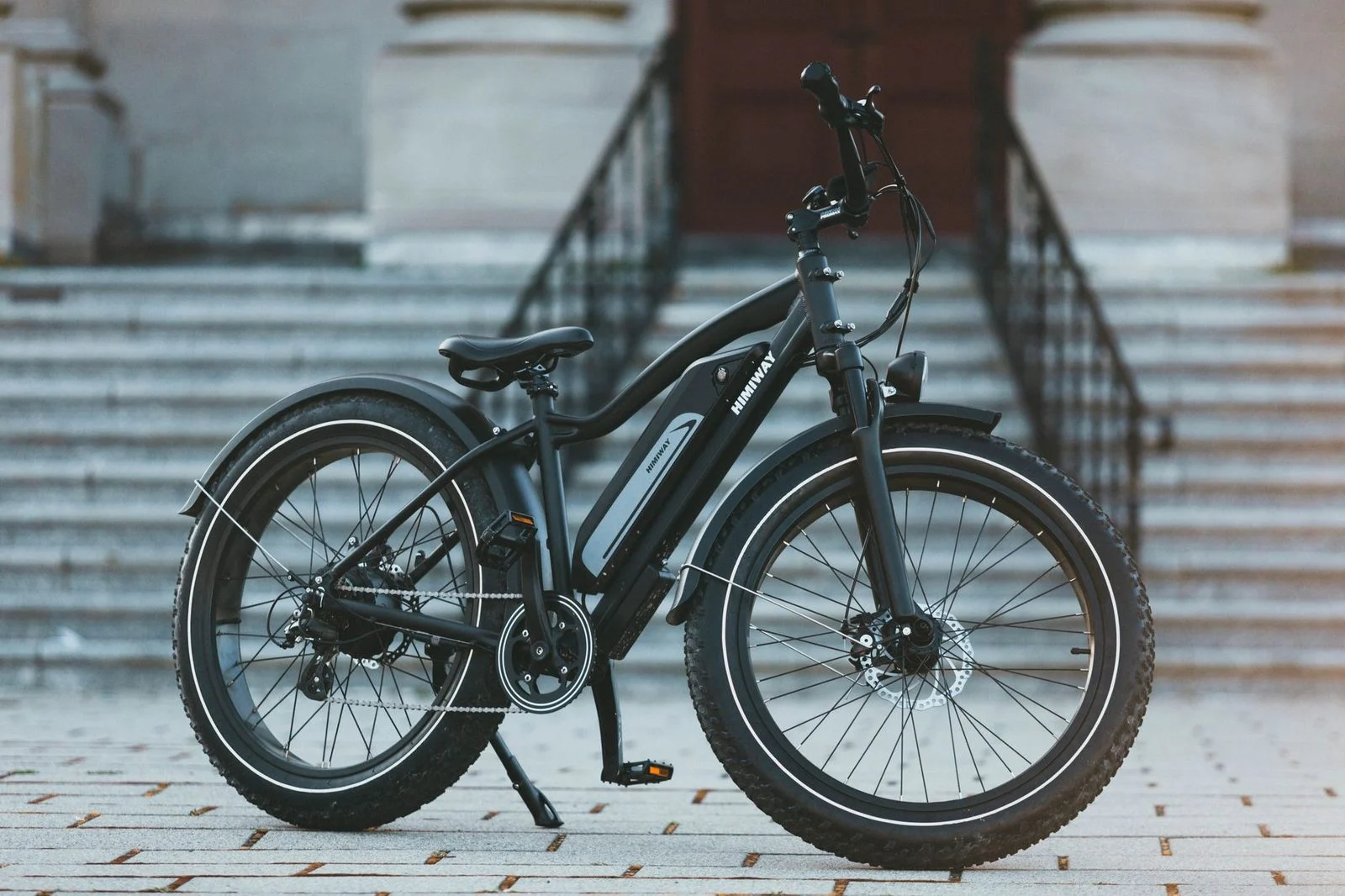
That is why preservation comes first. Keep the bike, the battery, and the charger. Don’t repair or sell the bike until the evidence has been reviewed. A discarded part can take the strongest proof with it.
What a Claim Can Cover for an Injured Rider
A claim can cover more than the first bill. It may include past and future medical care, lost wages, and pain and suffering. Future costs can be reduced to present value. Under O.C.G.A. § 51-12-13, the trier of fact may use a 5 percent discount rate or another rate it finds appropriate.
Insurance is the next layer. Under O.C.G.A. § 33-7-11, Georgia auto liability policies generally must contain an endorsement covering damages from uninsured motorists, within limits the insured may choose. Whether that coverage applies to an e-bike crash depends on the facts. The firm looks at every layer that may apply. That includes the at-fault person’s liability coverage, your own uninsured or underinsured motorist coverage where it applies, umbrella policies (extra coverage above the main policy), excess policies (coverage above the base limits), and corporate coverage when a business is involved.
Pursuing every layer is how the firm answers Big Insurance. The firm prepares each claim as if it may go to trial.
The firm has practiced since 1999, with offices in Jonesboro (Clayton County), Atlanta, Decatur, Macon, and Augusta. Our team aims to explain each step in plain English.
Not sure what your next step is?
Talk it through with our team — the first consultation is free, confidential, and carries no obligation.
Steps to Take Now If You Were Hurt on an E-Bike Without a Helmet
Get medical care now and follow the plan your doctor sets. Your records start your case. Write down what hurts and what you can no longer do.
Keep the bike, its battery and controller, any photos, and any helmet or gear. Don’t repair or sell the bike before the evidence is preserved. Write down witness names and any police report number.
Be careful with recorded statements. You can speak with a lawyer before you give one to an insurer.
Mind the clock. Georgia’s general deadline for injury claims is two years after the right of action accrues, under O.C.G.A. § 9-3-33. Waiting also makes proof harder, even before that deadline.
The first consultation is free, confidential, and carries no obligation to continue. If another driver’s choice put you on the pavement, and the helmet question is now part of the fight, call the firm to talk it through. The team is available 24/7 through the contact page.
Frequently Asked Questions
Can I still bring a claim if I wasn’t wearing a helmet on my e-bike?
Yes, in most cases. Not wearing a helmet does not automatically cancel a claim, but the other side may argue that it made your injuries worse.
Does not wearing a helmet lower what I can recover in Georgia?
It can. Georgia uses comparative fault under O.C.G.A. § 51-12-33, so a fact-finder can assign a percentage of fault to the injured rider, and any award is reduced by that share. If the injured rider is found 50 percent or more at fault, Georgia law bars recovery.
Who has to show that a helmet would have changed the injuries?
The other side often raises that argument, so the evidence matters. Medical records and crash evidence can show how a head or brain injury actually happened and whether it would have been different.
What should I do first after an e-bike crash if I wasn’t wearing a helmet?
See a doctor right away, even if you feel fine, and keep every record. Then call T. Madden & Associates, P.C. for a free, confidential first consultation with no obligation to continue.