

E-Bike Crashes in Georgia
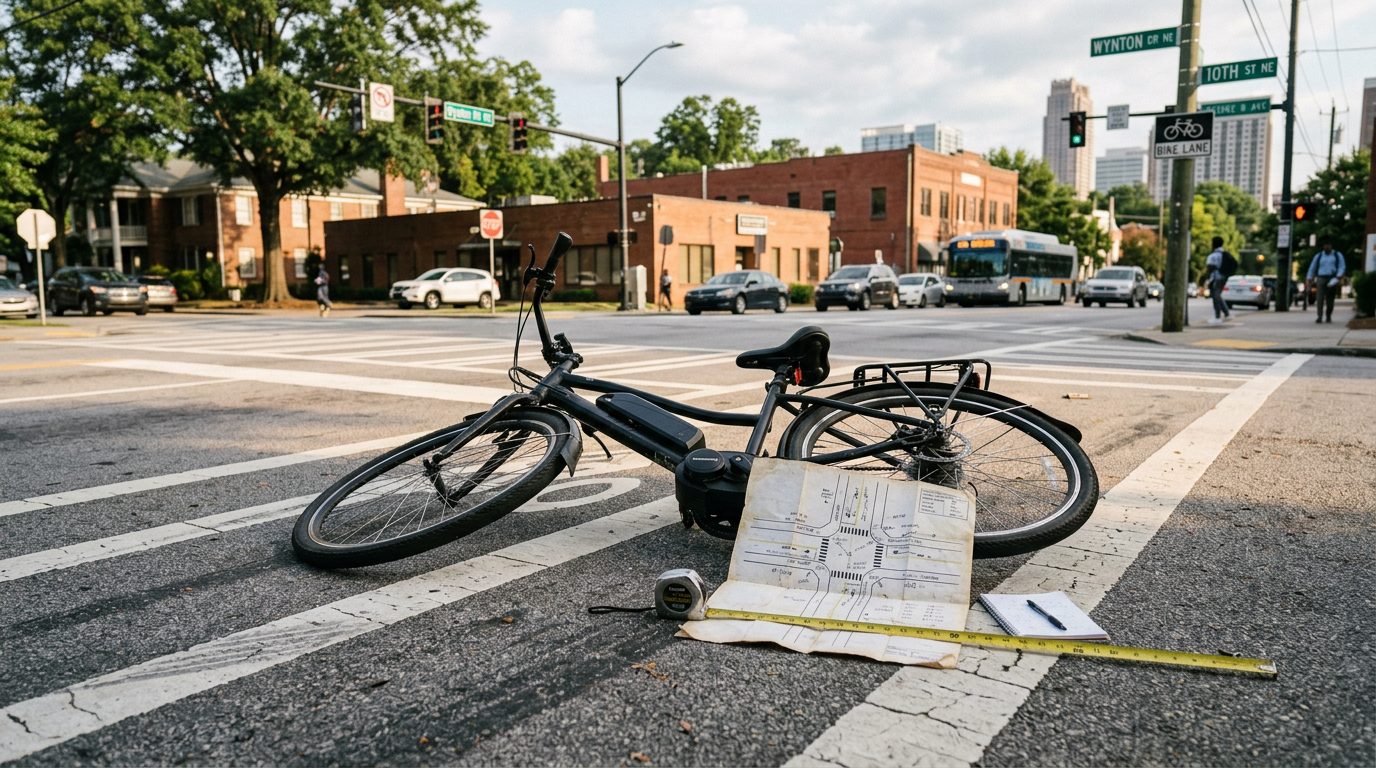
Your e-bike may hold the proof of how the crash happened
Controllers, displays and apps can keep timing clues that help show what the rider and the other driver were doing.
Serving injured riders since 1999
1999
Year the firm began practice
5
Offices across Georgia
24/7
Call anytime
By Terance Madden · Published November 12, 2026
If you were hurt on an e-bike, one question can decide who pays: how fast was the bike moving when the crash happened? The answer may be stored inside the bike itself. Hurt in an e-bike crash? Speed data from the bike can help show what happened, but only if it is found and kept in time.
This page explains what that data can show, how an engineer reads it, and what to protect right now.
Why E-Bike Speed Data Matters After a Crash
Speed data matters because it helps decide fault, and fault decides how much a rider can recover. Liability (legal responsibility for the harm) turns on what each person did in the seconds before impact.
Georgia uses modified comparative fault. That means the judge reduces damages in proportion to the injured person’s own share of fault (O.C.G.A. § 51-12-33). If a rider is 50 percent or more responsible, the rider may not receive any damages under that same statute.
The trier of fact (the judge or jury who decides the facts) must weigh every party’s share. A record of speed, timing and power can settle questions that memories argue about.
Big Insurance knows speed is a fight worth starting. That is why it often becomes the first thing disputed. Objective records do not get tired, and they do not change their story.
If someone else's driving left you hurt on an e-bike, the bike's data may still hold your proof, and our team can talk it through with you. Talk it through with our team — the first consultation is free, confidential, and carries no obligation.
What an E-Bike May Record: Speed, Assist and Battery Data
Many e-bikes store some ride data, but what the bike keeps depends on its make and model.
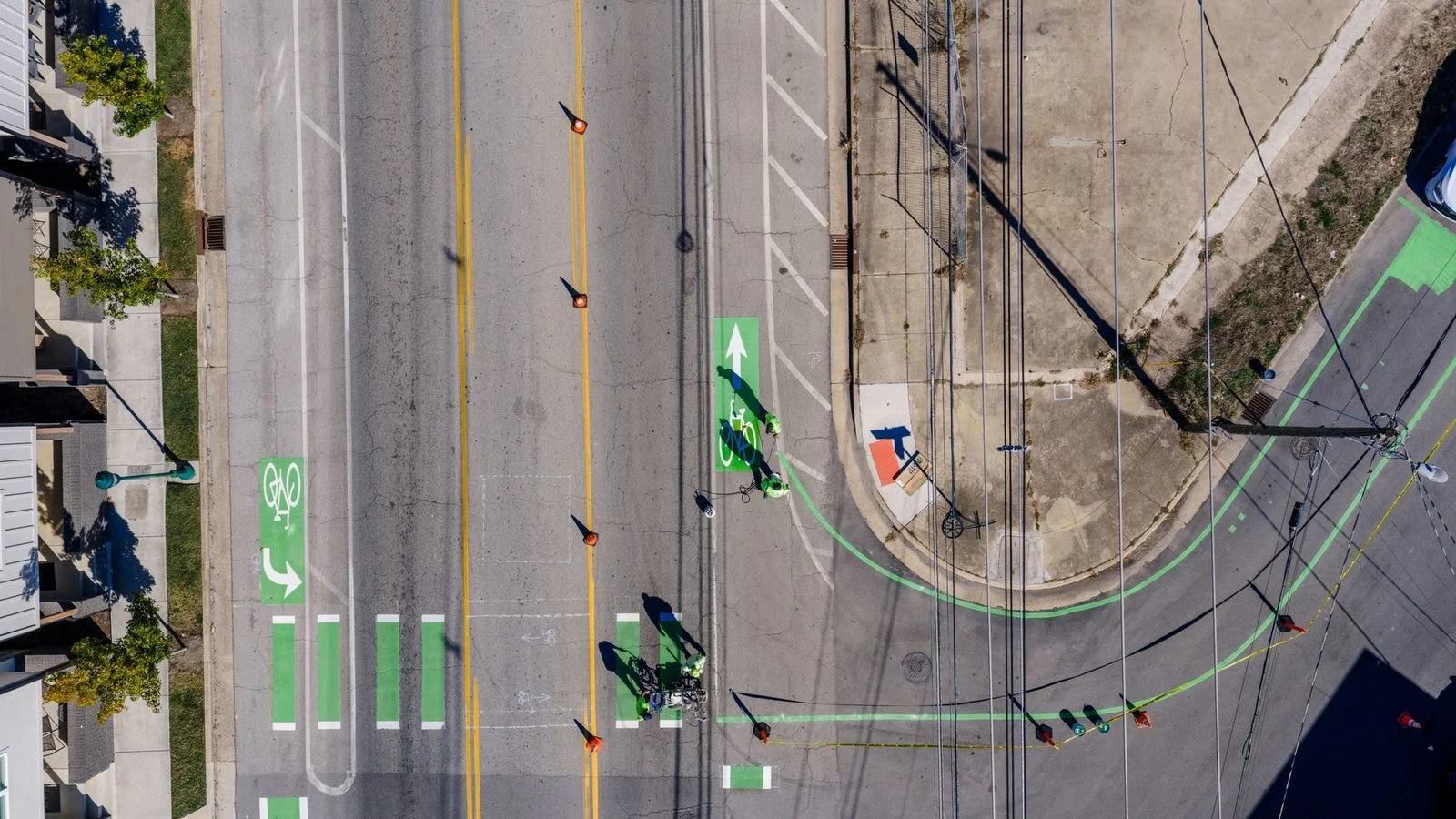
The controller is the unit that tells the motor how much power to deliver. It reads signals from the pedals, the throttle and the speed sensor. Some controllers keep logs of those signals.
A display on the handlebar or a companion app on a phone may also record speed, distance, battery status and pedal-assist level. Pedal-assist (the motor boost that switches on as you pedal) is one of the first settings to check.
A log that shows the motor working hard before impact tells a different story than one showing a rider coasting. Each entry needs a timestamp so it lines up with the crash.
The firm does not assume what a device stores. Two bikes that look the same can hold different records, and an app may tie the data to a phone account. The first step is finding out what exists, then getting it copied the right way.
Is the E-Bike Legally Classified as an E-Bike in Georgia?
How the bike is classified can change what the rider and the other driver were expected to do on the road.
Classification turns on features such as the motor and the top assisted speed. Those features show up in the manufacturer’s specifications, the controller settings and the bike’s own display. The firm pulls those details first, because they help set the baseline for what a careful rider and a careful driver would have done.
Georgia law sets the general standard. Under O.C.G.A. § 51-1-2, ordinary diligence is that degree of care which is exercised by ordinarily prudent persons under the same or similar circumstances. As applied to the preservation of property, the term ‘‘ordinary diligence’’ means that care which every prudent man takes of his own property of a similar nature. The absence of such diligence is termed ordinary negligence.
Whether a rider or driver met that standard turns on speed, lane position, visibility and the setting of the crash.
How Crash Physics and Engineering Read Speed Evidence
An engineer reads speed evidence by checking whether the bike data, the physical marks and the witness accounts tell the same story.
Before law school, Terance Madden trained as an electrical engineer. That training shapes how he works a case. He asks what the evidence shows, how the crash happened and which records must be preserved. He reads controller logs and sensor timing step by step, with timestamps, and he does not assume the answer first.
Delta-V (the change in speed during impact) helps test the “low impact” argument. Big Insurance often says a crash was too minor to cause real harm. A delta-V estimate, built from speeds and damage, puts that claim to a number.
Skid marks, damage patterns, device logs and the positions of the rider and driver are compared against one another. If the pieces agree, the timeline gets stronger. If they do not agree, that gap shows where the investigation goes next.
Preserving the Bike, Battery and Phone Before the Data Is Lost
Keep the bike, battery, charger and phone as they are, and tell the firm before anyone repairs or resets anything.
Start with the bike. Photograph it from every side, including the damage, the wheels, the brakes and the battery area. Write down the date and time of each photo. Keep the battery and charger with the bike.
Do not let a shop reset the controller, clear the app or install an update until the records are copied. A reset can erase the log that shows speed.
Then save the phone side. Screenshot the ride, speed and battery screens with dates and times visible. Do not delete the app or the account.
A preservation letter (a written demand that the other side keep evidence) asks the other party, and any vendor holding records, to keep them.
How Big Insurance Disputes Speed and Motor Data
Big Insurance is not on your side, and a first offer is rarely what a claim is worth.
Expect the tactics. An early low offer, made before anyone has reviewed the bike’s data. A recorded statement, taken before the rider understands what the logs show. Delays in producing records or answering questions. Disputes over whether the treatment was needed. And the “low impact” argument, which says the speed was too low to matter.
Several types of coverage may apply in a crash claim: liability coverage on the at-fault driver’s policy, uninsured and underinsured motorist coverage that may sit on the rider’s own policy, umbrella and excess coverage, and corporate coverage when a business is responsible.
For a settlement offer in a motor vehicle collision injury claim that is prepared by or with the assistance of an attorney on behalf of a claimant, made from the time the cause of action accrues until the named defendant files an answer, the offer must give the recipient not less than 30 days from receipt of the offer, sent by certified mail or statutory overnight delivery, return receipt requested, to accept (O.C.G.A. § 9-11-67.1).
General damages are presumed to flow from the injury and may be recovered without proof of an amount (O.C.G.A. § 51-12-2). The firm looks at future care, not only the bills to date.
A settlement is only as strong as the proof behind it.
Not sure what your next step is?
Talk it through with our team — the first consultation is free, confidential, and carries no obligation.
Other Parties Who May Be Responsible and the Coverage Behind Them
More than one party can share responsibility after an e-bike crash, and each one may carry its own insurance.
Those parties may include the other driver, a repair shop that worked on the bike or its brakes, a maintenance vendor, or a maker of a battery, motor or other part.
Georgia requires the trier of fact to consider the fault of all persons who contributed to the injury, whether or not they were named in the suit (O.C.G.A. § 51-12-33). Each share is that person’s own, not joint liability. Each added party can mean another source of coverage to pursue.
Your family’s paperwork matters here. A spouse, mother or adult daughter often gathers medical bills, receipts, work-loss records and repair estimates. Necessary expenses from an injury are a legitimate part of the damages estimate (O.C.G.A. § 51-12-7). Keep every bill and receipt, and share copies with the firm early.
Common Questions About Crashes Caused by Someone Else
If someone else’s driving hurt you on an e-bike, the evidence and the filing deadline both matter, and a conversation is a good first step.
T. Madden & Associates, P.C. has practiced since 1999 and has offices in Jonesboro, Atlanta, Decatur, Macon and Augusta.
Can e-bike speed be proven after a crash?
Sometimes. If the controller, display or app kept records, those records can help show speed and timing.
How long do I have to file?
Georgia generally allows two years from the injury, with exceptions (O.C.G.A. § 9-3-33).
Do I have to give a recorded statement?
You do not have to answer an adjuster’s questions on the spot. Talk with the firm before you give a statement.
If your e-bike was hit or you were thrown from it in a crash someone else caused, the bike and its data may still hold your proof.
Related practice areas
- E-Bike Accident Lawyer in Georgia
- E-Bike Accident Lawyer in Clayton County
- E-Bike Accident Lawyer in Jonesboro
- E-Bike Lawyer for Delivery Van Crashes in Georgia