

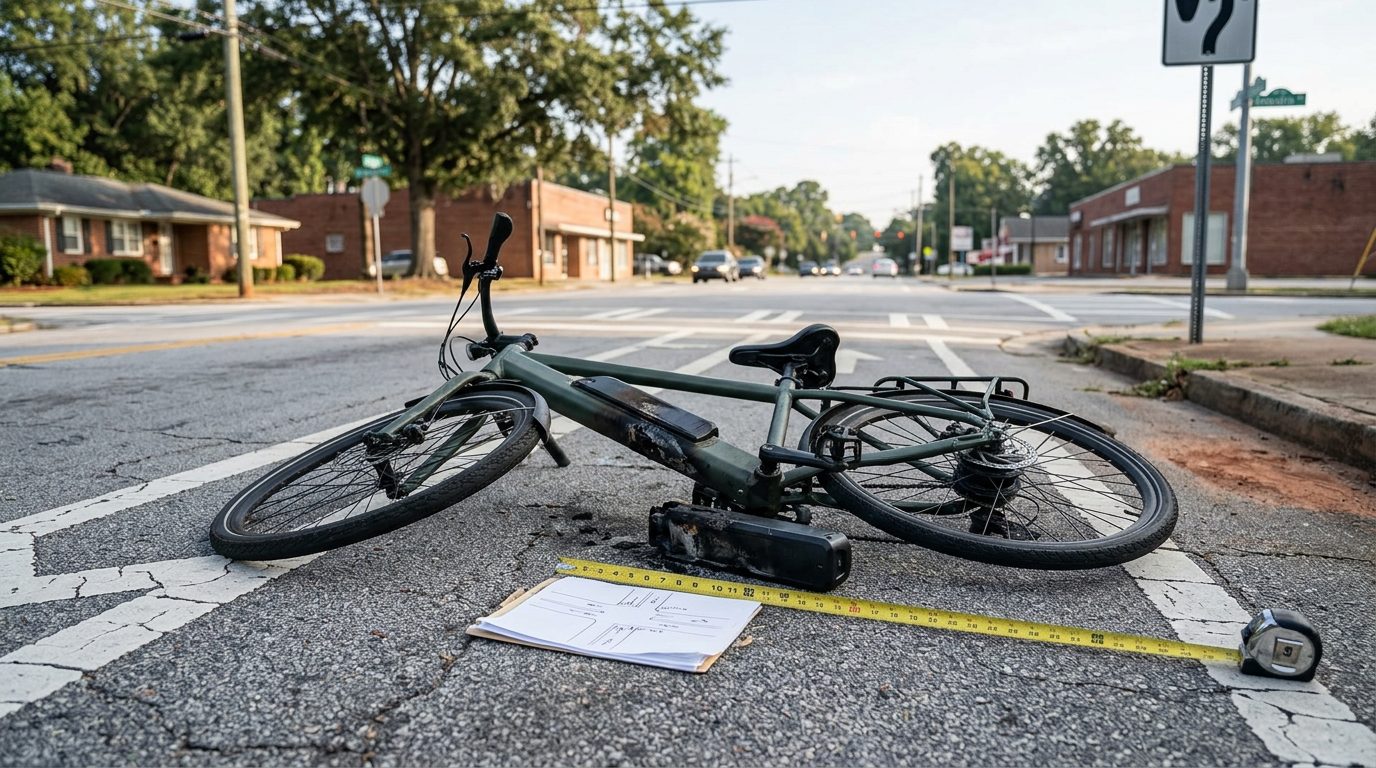
E-Bike and Lithium Battery Fires | Georgia
Hurt by an E-Bike Battery Fire? Protect the Evidence Now.
The steps you take in the first days can shape what a lawyer is able to show about what went wrong.
Serving Georgia from Five Offices
1999
Year the firm began practicing law
5
Offices: Jonesboro, Atlanta, Decatur, Macon and Augusta
By Terance Madden · Published November 14, 2026
Your e-bike caught fire, or it hurt someone you love, and now the calls and bills are piling up. If an e-bike battery caught fire, start by keeping the evidence safe.
Keep the battery, the charger and the bike. Keep every record that shows how the fire started, what it did and who was involved.
Why the Battery Is the Most Important Piece of Evidence
The battery is often the best clue to why an e-bike fire started. A lithium-ion battery is the rechargeable kind that powers most e-bikes. It can fail for several reasons.
It can be damaged in a crash or a hard fall. It can carry a manufacturing defect. It can be charged the wrong way, or paired with an off-brand charger that was never built for it.
Each cause leaves different marks on the cells, the wiring and the case. Those marks can point to where the heat started. If the battery is thrown away, that proof may go with it. UL Solutions reports on the rising number of lithium-ion battery incidents and why the details of each one matter.
Terance Madden trained as an electrical engineer and earned a B.S. in Electrical Engineering before law school. He works a case the way an engineer works a problem. He asks what the battery and the scene show, how the fire began, and which parts and records must be kept intact.
If a battery fire has you juggling calls, bills and a loved one's recovery, you don't have to sort out the evidence alone. Call us for a free, confidential first consultation. Talk it through with our team — the first consultation is free, confidential, and carries no obligation.
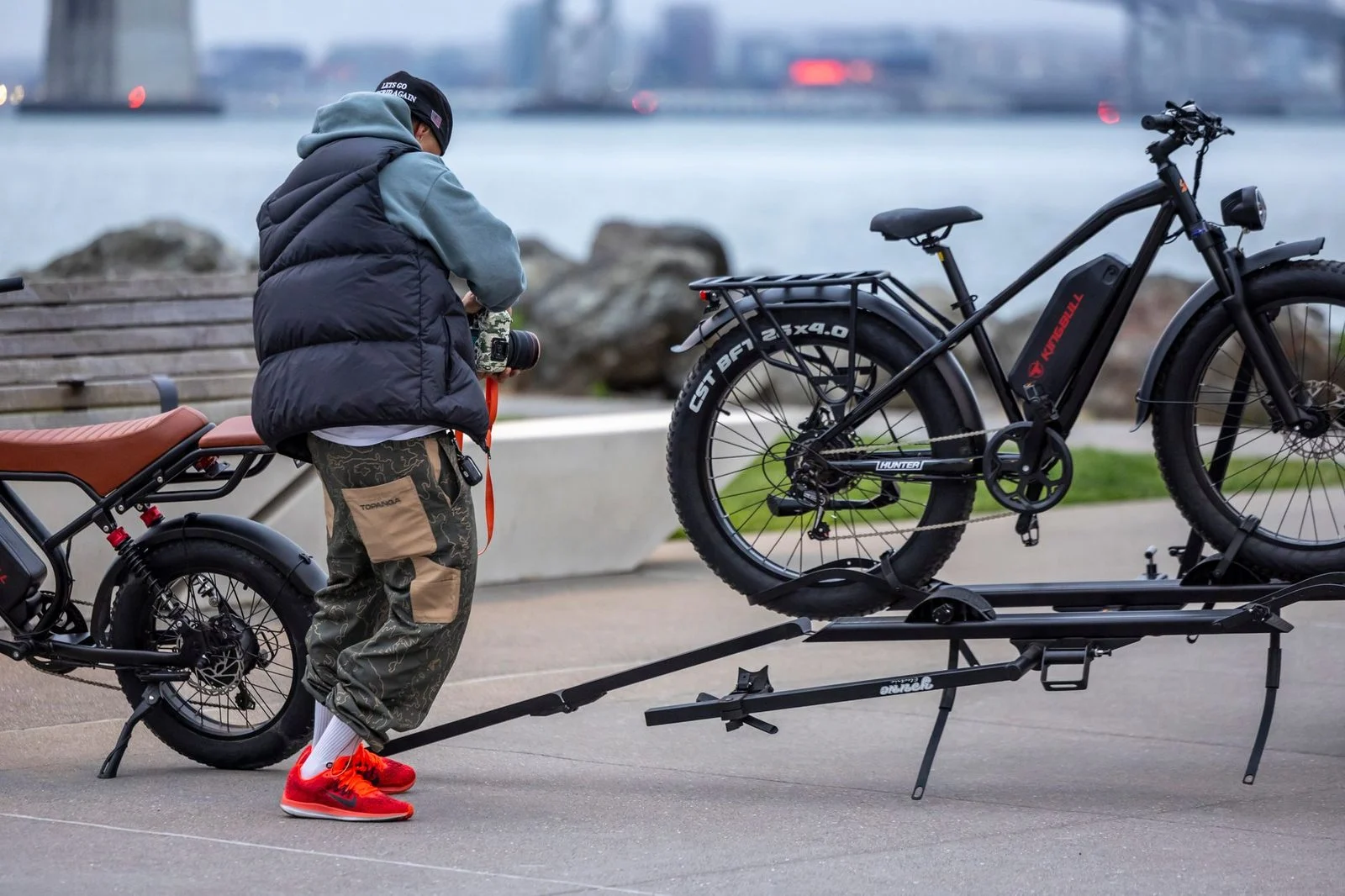
Stop Using the Battery and Keep It Where It Is
Do not charge the battery, and do not open or repair it. A bulging, hissing or hot battery can keep failing after the flames are out. If it is smoking or hissing, get everyone out and call 911 first.
When it is safe, move a damaged battery outdoors onto a non-flammable surface like concrete. Keep it away from doors, windows and anything that burns.
Do not toss the battery or the bike in the trash, and do not leave them at a recycling drop-off. The physical item is what allows testing later. Lawyers call the written trail of who held an item, and when, a chain of custody (a record of who had the evidence and when).
If a landlord, shop or relative has the bike, tell that person in writing to leave it untouched. Keep a copy of the letter. It takes minutes to send and protects the proof.
Photos, Video and a Written Timeline
Photograph everything, keep the original files, and write down what happened while it is still fresh.
Take photos of the bike, the battery, the charger, the wall outlet and the cord. Shoot from several angles. Include scorch marks on walls, floors and ceilings, and any belongings that were damaged.
Keep the original files on the phone or camera, and back them up in a second place. Texted copies are often compressed, and the date data can be lost.
Next, write a timeline. Note the date and time. Write what the rider was doing, whether the battery was charging, and how long it had been plugged in. Note any popping, hissing or smell that came before the flames. Write the name and phone number of each witness.
A common mistake is cleaning up before anyone takes pictures. Once the scene is cleaned, the marks that show where the fire began can be gone. Photograph first, then clean up.
Purchase Records, Labels and Product Details
Keep the receipt, the order confirmation and every label, because they show who made, sold and marketed the battery.
Georgia law separates a manufacturer from a product seller (a person who, in the course of a business, leases or sells and distributes, installs, prepares, blends, packages, labels, markets, or assembles pursuant to a manufacturer’s plan, intention, design, specifications, or formulation, or repairs, maintains, or otherwise is involved in placing a product in the stream of commerce). Under O.C.G.A. § 51-1-11.1, a product seller is not treated as a manufacturer for certain product claims. So a battery may involve a maker, a seller and a company that only put its name on the label. Each one can matter.
Under O.C.G.A. § 51-1-11.1, a product seller is a person who, in the course of a business conducted for the purpose of leasing or selling and distributing, installing, preparing, blending, packaging, labeling, marketing, or assembling a product (assembling pursuant to a manufacturer’s plan, intention, design, specifications, or formulation), or repairing, maintaining, or otherwise being involved in placing a product in the stream of commerce. Certain claims against a manufacturer also face a ten-year limit from the first sale, under O.C.G.A. § 51-1-11. Note the purchase date. Under O.C.G.A. § 51-1-11, the ten-year limit does not relieve a manufacturer of the duty to warn of a danger once that danger becomes known to it; see Chrysler Corp. v. Batten.
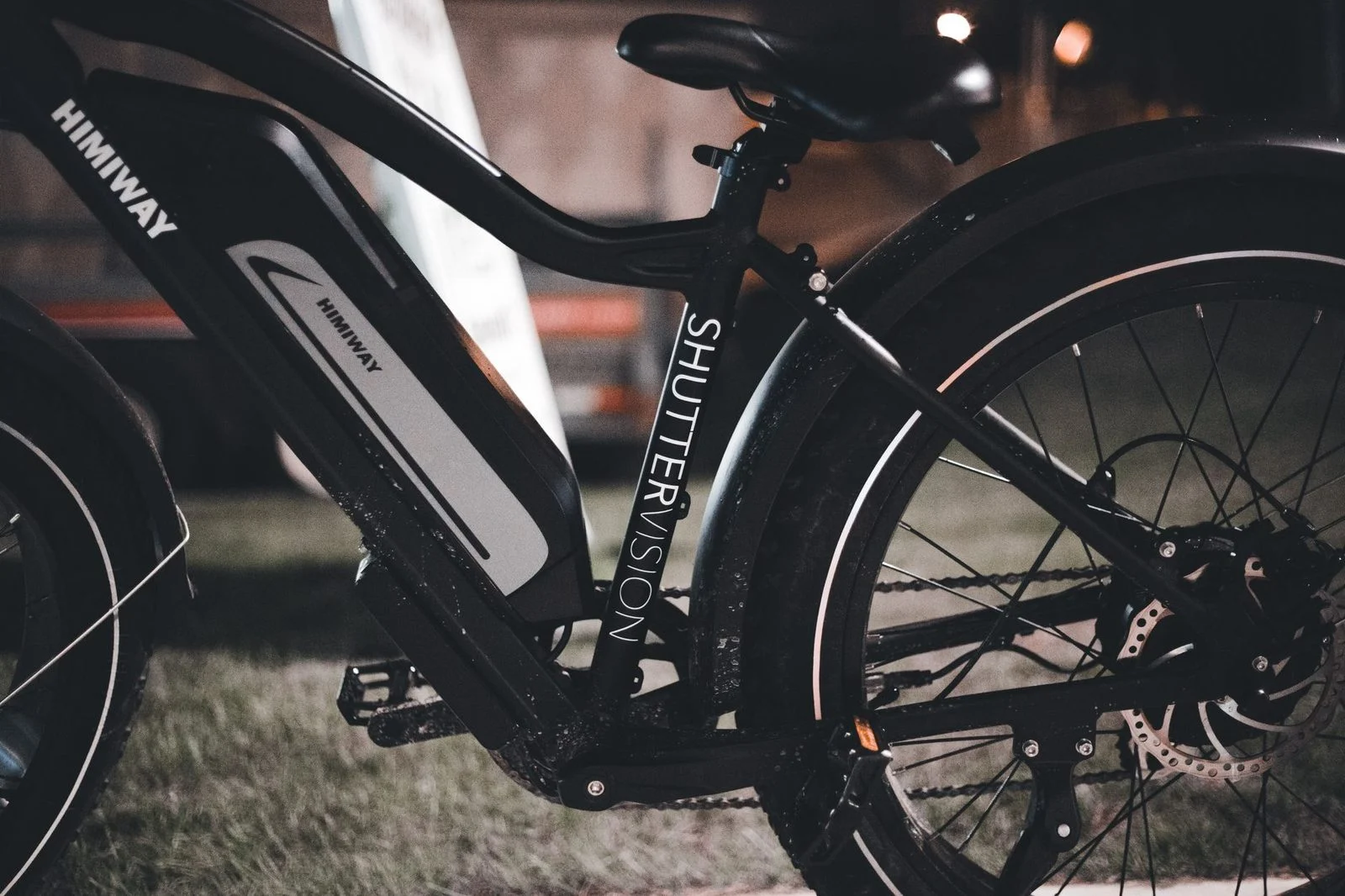
Record the brand, model and serial number. Photograph any certification marks on the battery. Note whether the battery came with the bike or was bought separately, and from whom.
Charger, Charging Habits and Storage Location
Keep the charger that came with the bike, and write down exactly how and where the battery was charged and stored.
Do not swap chargers before the evidence is recorded. Photograph the charger, its label and its plug. Note whether it was the maker’s charger or a substitute.
Write down the habits. Was the battery left charging overnight or while no one was home? Where was it stored: a hallway, a closet, a garage, or near an exit? Was it near paper, fuel or a bed?
Note any changes, too. A new battery, a motor upgrade or shop repairs can change who is responsible. Keep every receipt for that work.
Georgia law divides fault among everyone who contributed to the harm. Under O.C.G.A. § 51-12-33, the jury assigns a percentage of fault to each liable person. The same statute says a person who is 50 percent or more responsible recovers no damages. These details help show who else shares the fault.
Fire Reports, Recall Notices and Medical Records
Request the fire report, save every recall notice, and gather every medical record.
Ask the responding fire department for its incident report, and write down the report number. The report records what responders saw, and it is often the first official record of the fire.
Check whether the battery brand or model has a recall or safety notice. Save a copy with the date you found it.
Under O.C.G.A. § 31-33-2, a provider must furnish a record within 30 days of a proper written request. The request must include a HIPAA authorization (a federal privacy form) and a signed written authorization. If the patient has died, the executor or administrator of the estate may ask. If none has been appointed, the surviving spouse can ask, then a surviving child, then a parent.
If you are the spouse, mother or adult daughter handling a loved one’s care, use one binder or folder. Put in appointments, bills, letters and notes from every call, with dates.
Keep every bill and work-loss note. Under O.C.G.A. § 51-12-2, special damages (losses you must prove with bills and records) must be proved to be recovered. Under O.C.G.A. § 51-12-7, necessary expenses from an injury are part of the damages estimate.
Not sure what your next step is?
Talk it through with our team — the first consultation is free, confidential, and carries no obligation.
What Big Insurance Does With Early Evidence, and Your Next Step
Big Insurance often moves fast early on, and its first offer is rarely what a claim is worth.
Expect a quick, low offer before the family has its records. Expect a request for a recorded statement (a recorded interview with the insurer) before you have the battery report or the medical bills. Expect delays in payment and fights over whether treatment was needed. Some insurers argue the fire was minor or the injuries were small. Those are tactics aimed at closing a claim for less.
The Georgia Office of the Commissioner of Insurance and Safety Fire advises injury claimants not to rush to accept an offer, and says they may negotiate for a fair settlement, per its Georgia insurance claim tips.
The response is preparation. Look at every coverage layer that may apply: liability coverage, uninsured or underinsured motorist coverage where it applies, umbrella and excess policies, and corporate or product-related claims. Serious injuries carry lifetime costs, and those belong in the claim. The firm prepares each case as if it may go to trial.
T. Madden & Associates, P.C. has practiced since 1999, with offices in Jonesboro, Atlanta, Decatur, Macon and Augusta.
If a battery fire has you juggling calls, bills and a loved one’s recovery, you don’t have to sort out the evidence alone. Start a free case evaluation; the first consultation is free, confidential and comes with no obligation to continue.
Frequently Asked Questions
What evidence should I keep after an e-bike battery fire?
Keep the battery, charger, and any burned parts exactly as they are, along with the bike’s brand, model, and serial number. Do not clean, repair, or throw anything away until you have talked with a lawyer.
Why should I avoid throwing away a burned battery?
A damaged battery can show signs of a defect, such as cell damage or a faulty charger, and that is often the strongest proof of what failed. Terance Madden trained as an electrical engineer, which helps him read what those signs show. Do not try to charge, open, or test a damaged battery yourself, because it can reignite.
What should I photograph or write down after the fire?
Take photos of the scene, the damage to your home or property, and any labels or receipts for the e-bike. Write down the date, the time, who was there, and what you saw and smelled while your memory is fresh.
What should I do next to protect my claim?
Keep copies of the fire department report, medical bills, and any messages with the seller or manufacturer. Hurt in a fire that was someone else’s fault? Call T. Madden & Associates, P.C. The firm’s initial consultation is free, confidential, and comes with no obligation to continue, and the firm is available 24/7.
Related practice areas
- E-Bike Accident Lawyer in Georgia
- Georgia E-Bike Battery Fire Lawyer: Who Is Liable?