

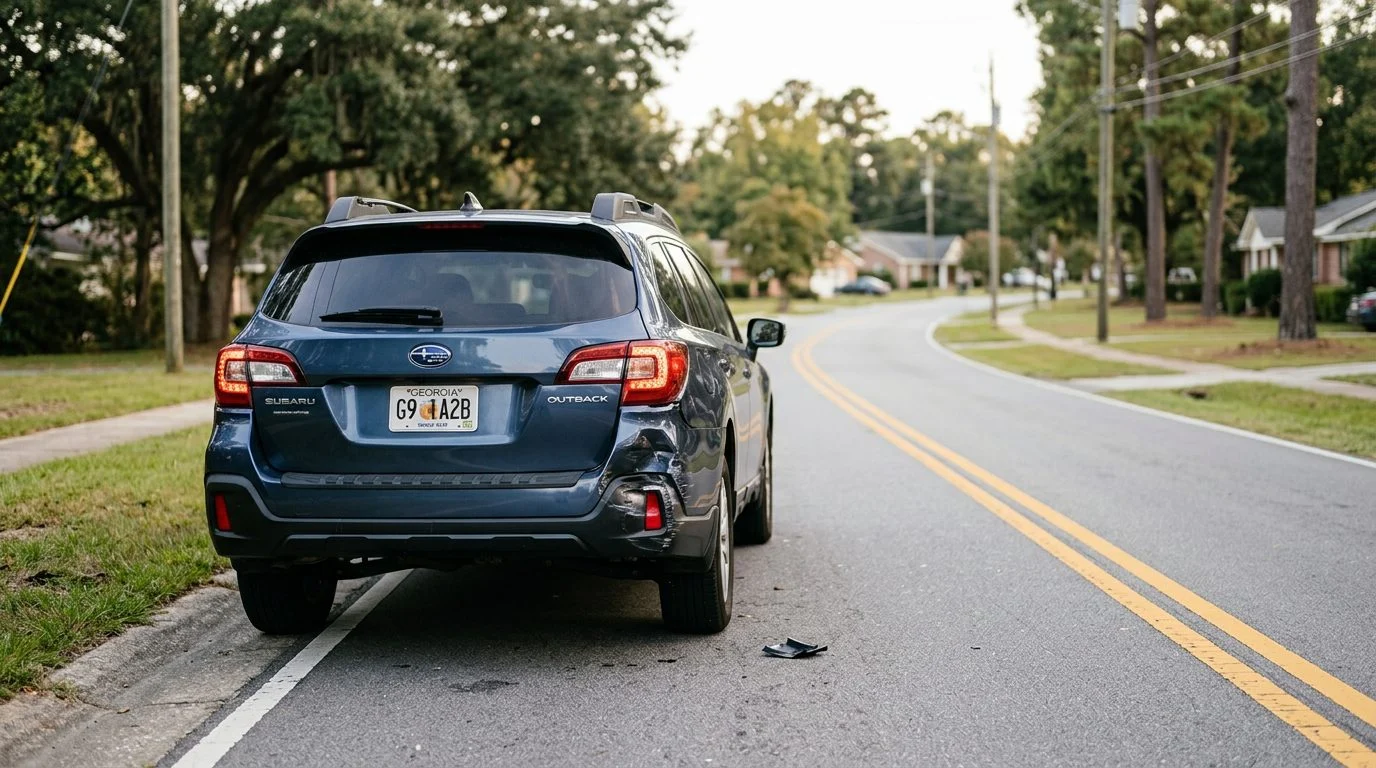
Hit and Run Accidents | Georgia
Hit by a Driver Who Fled? Learn Your Options Under Georgia Law
T. Madden & Associates, P.C. has represented injured people in Georgia since 1999. Learn how a claim against a hit and run driver may work, then talk with us in a free, confidential first consultation with no obligation to continue.
About T. Madden & Associates, P.C.
1999
Representing injured people in Georgia since
5
Offices in Jonesboro, Atlanta, Decatur, Macon and Augusta
Free
Confidential first consultation with no obligation
By Terance Madden · Published November 5, 2026
Is it worth it to sue a hit and run driver? Often a civil claim is possible, but whether it’s worth the effort turns on the facts. A hit and run happens when the driver leaves the scene after a crash. That leaves you asking who was driving, what insurance may pay, and how much time is left. This guide walks through those decision points in plain language, with the Georgia code sections that control them. T. Madden & Associates, P.C. has practiced personal injury law since 1999.
What Suing a Hit-and-Run Driver Actually Involves
A civil lawsuit asks a court to make the at-fault driver pay for harm caused by the crash. It is separate from any criminal charge the state may bring against the driver. Georgia law lets an injured person recover for harm caused by a breach of a legal duty where the law requires a person to act for another’s benefit or to refrain from an act which may injure another, and no cause of action is given in express terms, as O.C.G.A. § 51-1-6 states. Often the first practical question is who the driver is. If your crash involved an e-bike, our e-bike accident guide explains the rules that apply to those riders.
If a driver hit you and drove away, you don't have to work out the next steps alone, and our team can talk through your options in a free, confidential first consultation. Talk it through with our team — the first consultation is free, confidential, and carries no obligation.
Can You Sue When the Driver Is Never Found?
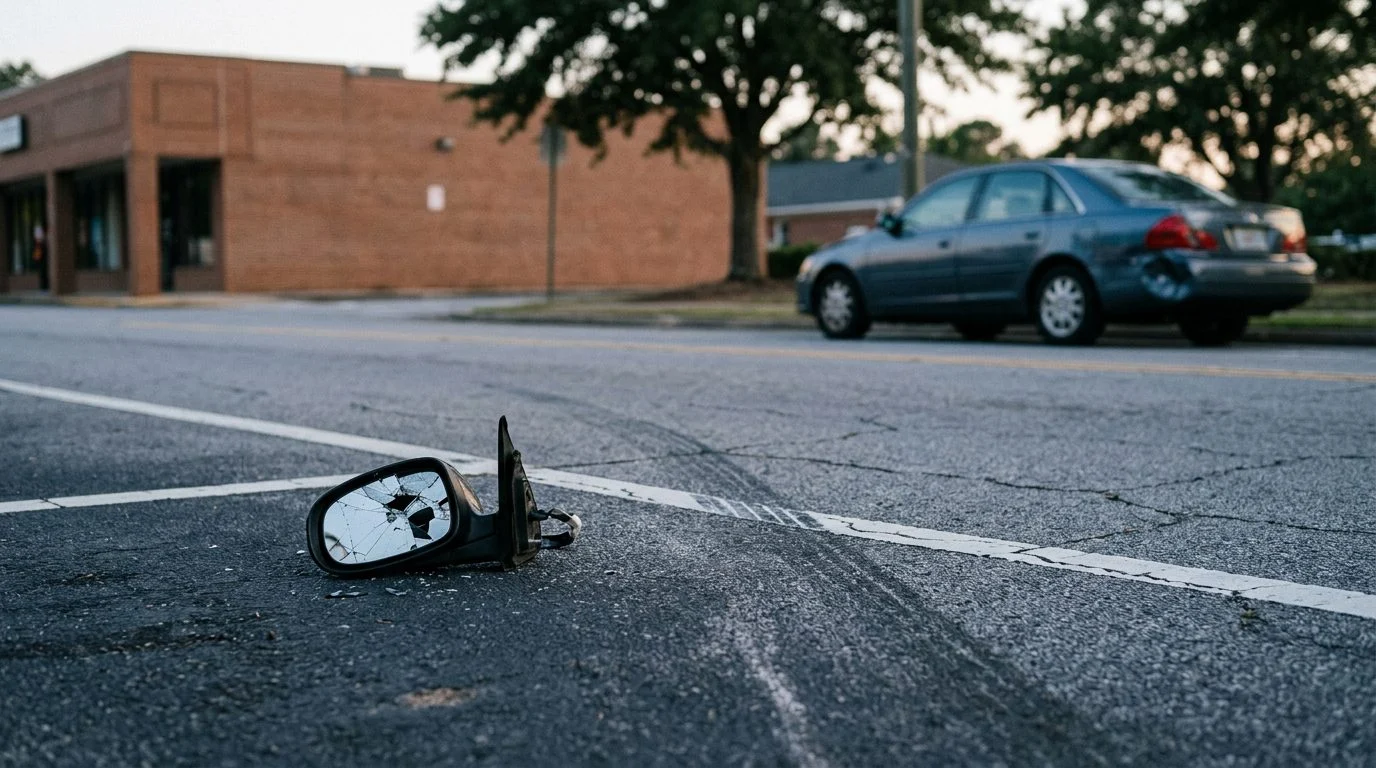
When the driver is never found, your own auto insurance is usually the main route to payment. Uninsured motorist coverage is the part of your policy built for that situation. A claim against a driver nobody can name is harder to build. Evidence decides whether the driver can be identified at all. Witness statements, nearby camera footage, debris at the scene, paint transfer on your vehicle and your own clear account all help. Write these details down while they are fresh. If you know who the driver is but cannot locate them, Georgia law may allow service by publication.
Uninsured Motorist Coverage and Your Policy
Under Georgia law, insurers must offer uninsured motorist coverage with auto liability policies (O.C.G.A. § 33-7-11), but the policyholder may reject that coverage in writing, and if the coverage is kept, the policyholder chooses the limits. O.C.G.A. § 33-7-11 sets out that requirement for policies issued or delivered in this state and insurers licensed in this state, upon any motor vehicle then principally garaged or principally used in this state. Under O.C.G.A. § 33-7-11, an automobile or motor vehicle liability policy may not be issued or delivered in Georgia to the owner of a vehicle, or issued or delivered by an insurer licensed in Georgia on a vehicle principally garaged or principally used in Georgia, unless it contains an endorsement or provisions undertaking to pay the insured damages for bodily injury, loss of consortium or death of an insured, or for injury to or destruction of an insured’s property, sustained from the owner or operator of an uninsured motor vehicle, within limits exclusive of interests and costs that are set at the option of the insured. Whether a hit-and-run driver fits that rule, and how your policy words it, turns on the policy language and Georgia law. Some policies also include medical payments coverage. Your policy’s declarations page lists what you carry, so check it early. Your insurer can confirm the limits you chose and what the policy covers.
Georgia Deadlines to Keep in View
In Georgia, most lawsuits for injuries to the person must be filed within two years after the right of action arises. O.C.G.A. § 9-3-33 sets that two-year rule. The same section gives loss of consortium claims four years (Cameron v. JMP Pizza). A separate rule can pause the clock. That pause cannot exceed six years. A vehicle or e-bike property claim can follow a different deadline than an injury claim, so write down both dates. Report the crash to police and to your own insurer promptly. Early reports create a record that helps later.
What Has to Be Proven and Who Else May Share Fault
Plainly put, you must show the driver owed a duty, broke it, and caused your harm. In a hit-and-run, the driver is not there to give their side. Proof often rests on physical evidence and independent witnesses. Georgia uses modified comparative fault. Under O.C.G.A. § 51-12-33, damages are reduced in proportion to the injured person’s share of fault. If that share is 50 percent or more, the injured person recovers no damages. The same statute says damages are apportioned among liable persons, not treated as joint liability (Quynn v. Hulsey). It also lets the fault of nonparties be considered. If a crash involved more than one party, read our guide on partial fault in e-bike crashes.
Costs, Compensation and How the Fee Works
The value of a claim turns on medical treatment, lost income, available coverage and proof. General damages are presumed to flow from a wrongful act and need no exact proof of amount, under O.C.G.A. § 51-12-2. Special damages, such as bills and lost pay, must be proved. Necessary expenses from an injury are a legitimate part of the damages estimate under O.C.G.A. § 51-12-7. Where the injury is only to feelings, O.C.G.A. § 51-12-6 leaves the amount to impartial jurors. Is it worth it to sue a hit and run driver? The fee is part of that math. The firm works on a no-fee-unless-we-win basis, so you owe no fee unless the firm recovers money for you. You may still be responsible for court costs and case expenses. No one can promise a result, and settlement figures vary widely from case to case.
Not sure what your next step is?
Talk it through with our team — the first consultation is free, confidential, and carries no obligation.
Dealing With Insurance Companies After a Hit-and-Run
An insurance adjuster works for the insurer, not for you. A recorded statement may be requested early. Ask what the statement is for and what it will cover before you answer. Keep records of every medical visit, prescription, and missed day of work. Save photos of your injuries and your damaged vehicle or e-bike. Keep every letter the insurer sends. Avoid guessing about speed, distance or who was at fault. Don’t sign a release until the full picture of your injuries is known. A quick signature can close off money you later need.

Talking Through Your Hit-and-Run Situation With Our Team
If a driver hit you and drove off, you may be dealing with pain, a missing driver, a damaged car or e-bike, and family asking what comes next. You don’t have to sort through that alone. T. Madden & Associates, P.C. has been in practice since 1999, with offices in Jonesboro, Atlanta, Decatur, Macon and Augusta. Terance Madden is the responsible lawyer for this page. Our team can talk through the deadline, coverage and evidence questions in your situation. Start with a free case evaluation.
Quick Answers
Can you sue a hit and run driver in Georgia?
Yes, a civil claim against the driver is generally possible.
How long do you have to file?
Most Georgia injury lawsuits must be filed within two years after the right of action arises. Other deadlines can apply.
Does uninsured motorist coverage apply?
It can, if your policy includes it. The policy wording and Georgia law set the details.
This page is general information, not legal advice. Responsible lawyer: Terance Madden, T. Madden & Associates, P.C., with offices in Jonesboro, Atlanta, Decatur, Macon and Augusta. Contact: https://www.tmaddenlaw.com/contact/
Citation notes for the reviewer: – Two links were added using the allowed sources: Quynn v. Hulsey on the apportionment claim, and Cameron v. JMP Pizza on the loss of consortium deadline. This meets the minimum of 2. – The other allowed sources (49 CFR Part 395, Georgia nursing home rules, IIHS motorcycle statistics, CMS nursing home standards) were not added because none of them support a claim in this article. – The existing statute links point to legis.ga.gov, which is not on the approved source list. I left them unchanged because the rules require the body to stay as it was. You may want to confirm whether they should be replaced with approved sources.
Steps to Take After a Hit and Run
Get Medical Care
Seek treatment right away, even if your injuries seem minor. Medical records also document how the crash affected your health.
Document the Scene
Photograph the vehicles, your injuries and the location. Write down any details you remember about the other vehicle, such as color, make, partial plate or direction of travel.
Identify Witnesses
Collect names and phone numbers from anyone who saw the crash. Witness accounts can help fill in what the fleeing driver left behind.
Talk to a Lawyer
Call us to review your claim. We will explain how a lawsuit against an unidentified or fleeing driver may work and what to expect.
Why Injured Georgians Call T. Madden & Associates
Focused on Injury Claims
The firm focuses on car, truck, motorcycle, e-bike and other injury cases, including claims arising from hit and run crashes.
Plain-Language Answers
Our lawyers, Terance Madden and Shenia Madden, will explain your options clearly, without pressure, so you can make informed decisions.
Available 24/7
Call us any time, day or night, to start your free case evaluation.
Clear Fee Terms
There are no fees unless there is a recovery. You may still be responsible for court costs and case expenses, and we will explain these before you decide.
Do Not Wait to Act
Georgia sets time limits for filing injury lawsuits, and they vary by type of claim. Gather what you can now and contact us promptly so your options are not limited by delay.