

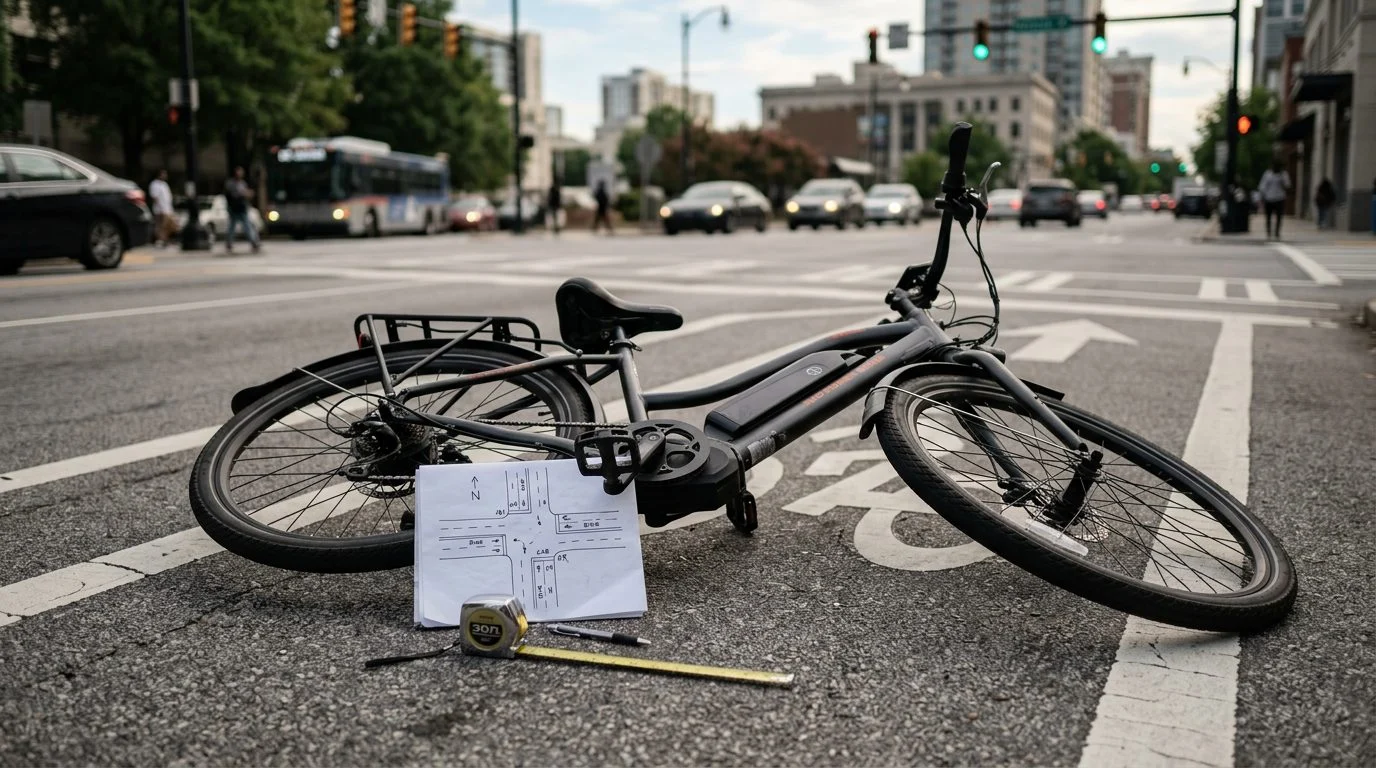
E-Bike Accidents | Jonesboro, Atlanta, Decatur, Macon & Augusta
Hurt on an E-Bike in Georgia? Find Out Where You Stand
Georgia law looks at each side of a crash, so being partly at fault does not always end a claim. T. Madden & Associates, P.C. has helped injured Georgians since 1999. Call any time, day or night, to talk with our team.
Why Injured Georgians Call Us
1999
Year the firm began practice
5
Georgia offices: Jonesboro, Atlanta, Decatur, Macon, Augusta
24/7
Phone line for injured clients
By Terance Madden · Published November 5, 2026
Yes, you can often still get paid if you were partly at fault on an e-bike in Georgia. Georgia reduces your award by your share of fault. It bars recovery only when you are 50 percent or more responsible (O.C.G.A. § 51-12-33; Quynn v. Hulsey (2020)). This page explains how that rule works, how fault is judged, insurance questions, and the filing deadline. Whether it fits your crash depends on the facts.
For more on these claims, see our e-bike accident lawyer page.
The Short Answer: Partial Fault Does Not Automatically End an E-Bike Claim in Georgia
Georgia law does not throw out an injury claim just because the injured rider shares some blame. The real question is the percentage. A rider with some fault can still recover, as long as that percentage stays below 50. Once a rider reaches 50 percent, the rule blocks recovery entirely.
Many riders assume any blame ends the case. The law asks how much of the harm each person caused. That is why a clear account of the crash matters so much. Small details, like which lane you were in or whether you had the right of way, can move the percentage up or down.
If you're worried your own share of blame could cost you a claim, you don't have to sort that out alone. Our team will talk through your ride, free and confidentially. Talk it through with our team — the first consultation is free, confidential, and carries no obligation.
How Georgia’s Modified Comparative Fault Rule Works
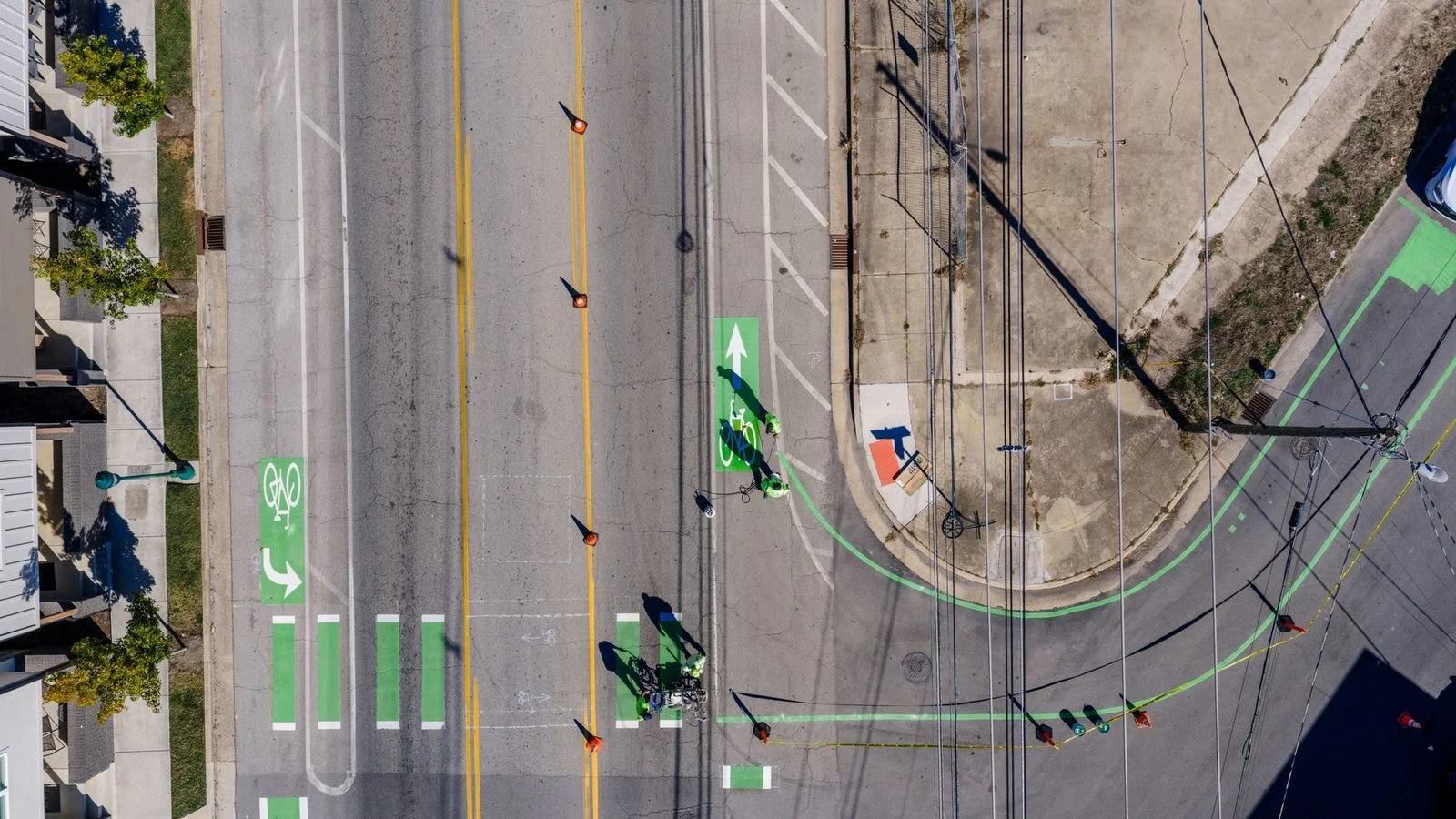
Georgia reduces your damages by your share of fault. Under O.C.G.A. § 51-12-33, where an action is brought for injury to person or property and the plaintiff is to some degree responsible for the injury or damages claimed, the judge shall reduce the amount of damages otherwise awarded to the plaintiff in proportion to his or her percentage of fault. The jury decides your percentage of fault. The judge then reduces the award by that same percentage.
Here is a simple example with round numbers. Imagine a jury sets total damages at $10,000 and finds you 20 percent at fault. Your award would drop by $2,000, leaving $8,000. This is only math, not a promised result.
The 50 percent line matters most. Under the same statute, a plaintiff who is 50 percent or more responsible cannot receive damages. Under subsection (g) of O.C.G.A. § 51-12-33, a plaintiff who is 50 percent or more responsible for the injury or damages claimed is not entitled to receive any damages.
More than one party can share fault. A driver, a property owner, or a product maker may each carry a part. Damages are split among each liable person by percentage, and each share is not joint liability. The jury also weighs the fault of people who were never named in the suit.
How Fault Gets Decided After an E-Bike Crash
Fault turns on whether each person acted with the care an ordinarily prudent person would use in the same situation. Georgia defines that standard in O.C.G.A. § 51-1-2. Investigators look at the facts through that lens.
Common evidence includes the police report, witness statements, and video. Doorbell cameras, dashcams, and nearby business footage can show speed and signals. Vehicle damage and the point of impact also tell a story. Traffic signal timing can matter at intersections.
Crash analysis usually examines four things. These are speed, lane position, whether the rider used the roadway or a sidewalk, and right of way. Each one can shift the fault split.
One mistake hurts riders often. They guess at speed or distance at the scene, and those guesses can be used later. Stick to what you are sure of. Write down what you remember soon after the crash, while it is fresh.
Do E-Bike Riders Have the Same Road Rights as Cyclists in Georgia?
Whether a rider acted reasonably depends on where and how the ride happened. The question is the same ordinary care standard that applies to others on the road. The route, the traffic, and the conditions all shape the answer.
Those rules often come up when fault is disputed.
Keep notes about your route and any signs or markings nearby. Photos taken at the scene can help show what the road looked like that day. These details help explain why you made the choices you made.
Will Insurance Cover an E-Bike Crash?
Coverage can come from more than one policy. The answer turns on the policy wording and the facts of the crash. A policy should be read closely before anyone assumes it applies.
Possible sources include the at-fault driver’s auto liability policy. The rider’s own auto policy may also respond. Georgia sets rules for uninsured motorist coverage in auto policies, found in O.C.G.A. § 33-7-11. That coverage can matter when the at-fault driver has no insurance.
Homeowners insurance is a common question after e-bike crashes. Whether a household policy responds depends on its terms and the circumstances. Ask for a copy of the policy and review the coverage language carefully.
Insurers may ask for a recorded statement. Before you give one, understand what it is for and what you are agreeing to. Take your time, and say only what you know to be true.
Why Injury Damages Still Matter When Fault Is Shared
Your damages are what you can prove you lost. Fault then reduces that total by your percentage. The better the record of your losses, the clearer the total becomes.
Georgia separates general damages from special damages. General damages are presumed from a wrongful act and can be recovered without proof of an amount. Special damages must be proved, as set out in O.C.G.A. § 51-12-2. Medical bills and lost wages are usually special damages.
Medical expenses are limited to the reasonable value of necessary care, under O.C.G.A. § 51-12-1.1. The trier of fact decides that amount. Keep every bill, record, and receipt from the start.
Fractures, road rash, and head injuries are documented through medical records. O.C.G.A. § 51-12-6 applies only where the entire harm is to a plaintiff’s emotional well-being, meaning peace, happiness, or feelings, and not to a bodily injury. In that narrow situation, the statute leaves the measure of damages to the enlightened consciences of impartial jurors (O.C.G.A. § 51-12-6). Follow your treatment plan and keep a simple journal of symptoms.
Not sure what your next step is?
Talk it through with our team — the first consultation is free, confidential, and carries no obligation.
The Deadline to File Still Applies
Georgia’s general deadline for injury claims is two years. That rule appears in O.C.G.A. § 9-3-33. The clock runs from when the right of action accrues. Whether that date and any exceptions apply depends on the facts.
Claims against a city follow a shorter path. A written demand must be presented to the city within six months of the event, under O.C.G.A. § 36-33-5. Claims involving a government entity can carry their own notice steps. Do not wait to ask about your situation.
Frequently asked questions
Can I get paid if I was partly at fault on an e-bike in Georgia?
Yes, if your share of fault is less than 50 percent. Your award is reduced by your percentage.
What fault percentage blocks recovery in Georgia?
A plaintiff who is 50 percent or more responsible cannot recover damages under the rule (O.C.G.A. § 51-12-33; Quynn v. Hulsey (2020)).
How long do I have to file a Georgia injury claim?
The general deadline is two years from when the right of action accrues (O.C.G.A. § 9-3-33; Kenneth B. Cameron v. Jmp Pizza, Inc (2026)).
Talk Through Your Own Share of Fault With Our Team
If you’re trying to figure out your own share of blame while bills arrive, you are not alone in that worry. Many people reading this are the injured rider. Others are a family member trying to make sense of a crash nobody chose.
You can start a free case evaluation or schedule a free consultation with Terance Madden and our team. You can reach us by phone at any time. We work on a no fee unless we win basis, but you may still be responsible for court costs and case expenses. The first consultation is free, confidential, and carries no obligation to continue.
Disclaimer: This page is general information, not legal advice, and it is not a prediction of any result. Responsible lawyer: Terance Madden, T. Madden & Associates, P.C., Jonesboro, Georgia. Contact: tmaddenlaw.com/contact.
How We Work With E-Bike Accident Clients
Confidential first consultation
Your first consultation is free, confidential, and comes with no obligation to continue.
Careful review of the crash
We look at police reports, photos, medical records, and witness information to understand how the collision happened.
Attorneys and staff who answer your questions
Terance Madden and Shenia Madden, along with our support staff, keep you informed at every stage of your case.
No fees unless there is a recovery
Our fee comes only from a recovery. You may still be responsible for court costs and case expenses, and we will explain these before you decide.
Focus on your recovery
We handle the paperwork and insurance calls so you can focus on your health and your family.
Protect Your Claim After an E-Bike Crash
Get medical care right away, even if your injuries seem minor. Keep your e-bike, helmet, clothing, and phone records, and avoid posting about the crash online. Before you speak with an insurance adjuster, talk with a lawyer who can explain your options.
Common E-Bike Crash Situations We Review
Collisions with cars and trucks
Crashes at intersections, lane changes, and turns often involve drivers who did not see a rider.
Doored or sideswiped riders
Parked or moving vehicles can open a door or cut across a bike lane without warning.
Road hazards and poor conditions
Potholes, debris, and unsafe road design can cause a rider to lose control.
Injuries that need long recovery
Fractures, head injuries, and spinal injuries may require ongoing treatment and time away from work.