

Truck Accident Lawyer | Georgia
Hurt in a Georgia Truck Crash? Learn the Filing Clock Before It Runs Out
T. Madden & Associates, P.C. has represented people injured in Georgia since 1999. Get a free, confidential first consultation to talk through your truck crash and the deadlines that may apply.
About T. Madden & Associates, P.C.
1999
Year the firm began practice
5
Georgia offices: Jonesboro, Atlanta, Decatur, Macon, Augusta
By Terance Madden · Published October 29, 2026
If you’re asking how long to sue after truck crash Georgia injuries allow, the short answer is two years for most injury claims. Property damage has a longer window, and claims against government-owned trucks can have much shorter notice periods. This page explains each deadline, what happens between the crash and a filed lawsuit, and how to protect your claim now.
How Long Do You Have to File a Truck Crash Lawsuit in Georgia?
Georgia generally requires lawsuits for injuries to the person to be brought within two years after the right of action accrues. O.C.G.A. § 9-3-33 sets that rule. In most truck crash cases, the clock starts on the crash date, not when an insurance claim settles or when you first call a lawyer.
For example, if a truck crash happened on March 10, 2026, a bodily injury lawsuit generally must be filed by March 10, 2028. Missing that date can bar the claim entirely. That is why reviewing the date early matters, even while your treatment is still going on.
The same statute gives a longer period for loss of consortium claims, which are brought for the harm a crash causes to a marriage. Those claims generally have four years after the right of action accrues.
If a truck crash causes a death, the claim works differently. Under O.C.G.A. § 51-4-5(a), the administrator or executor may bring a Georgia wrongful death action for the benefit of the next of kin only when no person is entitled to sue under O.C.G.A. §§ 51-4-2 or 51-4-4. O.C.G.A. § 51-4-5 describes who brings the action and how the recovery is measured.
Not sure what your next step is?
Talk it through with our team — the first consultation is free, confidential, and carries no obligation.
Property Damage and Other Claims Can Have Different Deadlines
Filing deadlines for property damage and injury claims can differ, so it is worth discussing your situation with our team promptly.
A single truck crash can produce both a property claim and an injury claim.
Government-owned trucks follow shorter rules. For a claim against the State of Georgia, written notice must be given within 12 months of the date the loss was discovered or should have been discovered. O.C.G.A. § 50-21-26 sets that notice rule. A claim against a city or other municipal corporation must be presented to its governing authority within six months of the event. O.C.G.A. § 36-33-5 sets that requirement, and no court action can start until the claim has been presented.
When the Deadline Can Start Later or Be Paused
Some deadlines can run on a different schedule, but only in narrow cases. Georgia law gives extra time in certain situations. O.C.G.A. § 9-3-90 covers people who were under 18 when the claim arose. They get the same time after turning 18 that other people get to file. The same section covers people who were legally incompetent because of intellectual disability or mental illness when the claim arose.
Courts also look at when an injury was discovered in some cases. That question can matter for hidden or delayed harm, which is less common in an obvious crash injury.
These exceptions depend on the facts, and they are narrow. Don’t assume one applies to your case. Waiting on the chance of an exception is risky, because the facts that trigger one are often disputed.
What Happens Between the Crash and a Filed Lawsuit
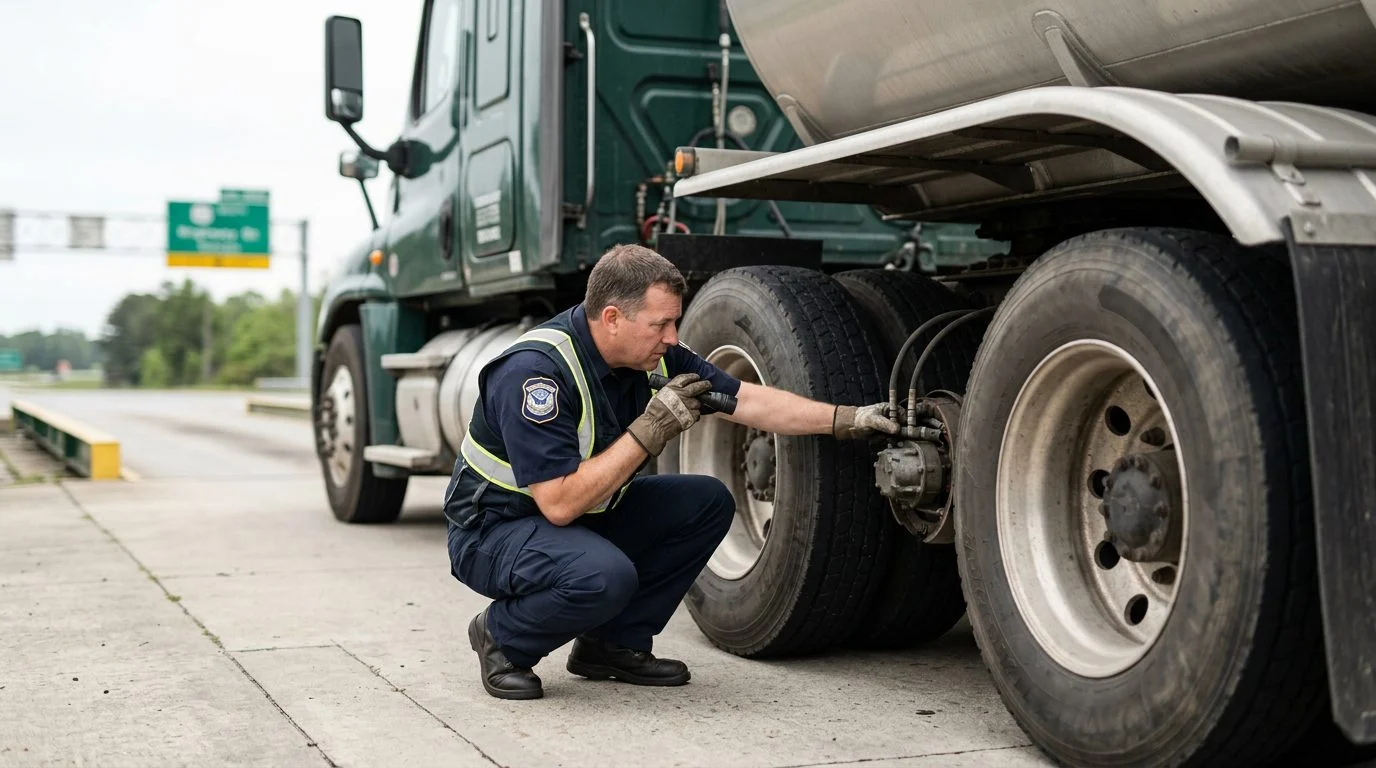
Most truck cases move through several stages before a lawsuit is filed. The deadline keeps running through all of them. Medical treatment usually comes first, because documented care creates the record that supports injury and cause. Next comes investigation, which can include the crash report, driver logs, inspection records, and witness statements.
Trucking evidence can disappear quickly. Federal rules require carriers to keep driver duty-status records for at least 6 months from receipt. 49 CFR 395.8 requires motor carriers, except private motor carriers of passengers (nonbusiness), to require each driver to record the driver’s duty status for each 24-hour period, and the driver certifies the entries by signing the record. 49 CFR 396.3 requires motor carriers to keep vehicle inspection, repair and maintenance records where the vehicle is housed or maintained for 1 year and for 6 months after the motor vehicle leaves the motor carrier’s control.
After a qualifying crash, federal rules also require the trucking company to test drivers for alcohol. 49 CFR 382.303 requires testing as soon as practicable. If a test isn’t given within two hours, the company must record the reasons.
A demand package comes next. It is sent to the insurer after treatment reaches a stable point, and preparing it often takes several weeks. Negotiation can then take months. Many claims settle without a lawsuit, but a case that isn’t resolved must be filed before the deadline.
Georgia also reduces recovery by the injured person’s share of fault. Under O.C.G.A. § 51-12-33, a plaintiff 50 percent or more at fault recovers nothing.
Steps to Protect Your Claim and Your Deadline Now
Start with medical care, and follow your treatment plan. Keep every bill, prescription receipt, and mileage record for medical trips. Those records support your claim later.
Write down what you remember while it’s fresh. Note the trucking company’s name, the unit number, the driver’s details, and the time and place of the crash. Look for a DOT number on the truck’s doors or cab and write it down too.
Get the police or crash report, and write down its report number. Take photos of the scene, your vehicle, and any visible injuries.
Hold off on recorded statements or signed releases from the trucking company’s insurer until you’ve spoken with our team. Early statements are often used to limit a claim.
Report the crash and gather every detail you can about the vehicle. Identifying the at-fault party and insurer is a key early task.
Why Injured Georgians Contact T. Madden & Associates, P.C.
T. Madden & Associates, P.C. is a Georgia personal injury law firm led by attorney Terance Madden. The firm has been in practice since 1999 and has offices in Jonesboro, Atlanta, Decatur, Macon and Augusta. The firm’s lawyers include Terance Madden and Shenia Madden.
The firm handles car and truck accidents, motorcycle and e-bike crashes, slip and falls, medical malpractice, nursing home abuse, negligent security, and wrongful death cases. The firm works on a no-fee-unless-we-win basis. Clients may still be responsible for court costs and case expenses.
The first step is a free, confidential initial consultation, with no obligation to continue. Terance Madden is the responsible lawyer for this page. You can reach the firm through its free case evaluation page.
Not sure what your next step is?
Talk it through with our team — the first consultation is free, confidential, and carries no obligation.
Frequently Asked Questions About Truck Crash Lawsuit Deadlines
How long do I have to sue after a truck crash in Georgia?
Georgia generally allows two years for injury lawsuits.
What if the truck driver fled the scene?
Time limits can affect whether a claim can move forward, so it helps to talk with our team early. Identifying the at-fault party and insurer early is a key task.
What should I avoid telling my insurance company?
Avoid recorded statements and signed releases before speaking with our team. Early statements are often used to limit claims.
What should I do after a crash that wasn’t my fault?
Get medical care, document the scene, get the crash report, and keep your evidence safe.
Does a property damage claim have the same deadline?
Can a wrongful death claim be filed after a fatal truck crash?
Yes.
If a truck crash has left you hurt or has taken someone you love, reach out to Terance Madden’s team today. A free, confidential consultation can show you which time limits may apply.
How Our Firm Can Help
Review Your Crash Details
We look at the facts of your truck wreck, including when and where it happened and what records exist.
Identify Responsible Parties
Truck crashes can involve drivers, carriers, and insurers. We work to identify who may be responsible.
Advocate for You
Our team focuses on fighting for fair compensation for people hurt in truck accidents across Georgia.
Respectful, Personal Attention
Our lawyers and staff take time to explain your options in plain language.
Don't Wait to Get Advice
Time limits can affect whether a claim can move forward. Evidence from a truck crash, such as driver logs and photos, can disappear quickly. Contact us early so we can help protect your options.
Steps to Take After a Truck Crash
Get Medical Care
Seek treatment for your injuries and keep every record of your care and related expenses.
Preserve Evidence
Save photos, witness names, police reports, and any messages about the crash.
Contact Our Team
Reach out for a free, confidential first consultation with no obligation to continue.