


Motorcycle accident lawyer | Georgia
Hurt in a motorcycle crash with an uninsured driver?
Your own policy may be part of the answer. Here is how uninsured motorist coverage works and what the firm can do to help you pursue it.
T. Madden & Associates, P.C.
1999
Representing injured people in Georgia since
5
Offices: Jonesboro, Atlanta, Decatur, Macon and Augusta
Free
Confidential first consultation with no obligation to continue
By Terance Madden · Published November 9, 2026
If a driver with no insurance hit your motorcycle, your own policy may pay for your injuries. Uninsured motorist (UM) coverage pays when the at-fault driver has no liability insurance, or when the at-fault driver’s insurer is insolvent and unable, because of being insolvent, to make either full or partial payment (in a partial-payment case, the vehicle is uninsured only for the difference between the partial payment and the UM limits), or when there is no bond or deposit of cash or securities in lieu of that insurance. Underinsured motorist (UIM) coverage steps in when that driver’s insurance is too small to cover your losses.
This page explains how both coverages work in Georgia, what they can pay, and how Big Insurance tends to respond. The firm has practiced personal injury law since 1999, with offices in Jonesboro, Atlanta, Decatur, Macon and Augusta.
What motorcycle uninsured motorist coverage is and who it protects
Motorcycle uninsured motorist coverage is part of your own policy. It pays you when the other driver cannot. It is there for the rider who did nothing wrong.
Georgia law builds this coverage into motor vehicle liability policies. Under O.C.G.A. § 33-7-11, a policy must contain provisions that pay the insured for bodily injury, loss of consortium or death caused by an uninsured driver. An insured can reject these coverages only as the statute allows.
Your own policy responds, not the other driver’s. The named insured is the person listed on the policy. Your claim runs through that policy.
Who does it protect? The rider comes first. Passengers covered by your policy may also have rights under it, depending on how the policy defines who is insured. Families who depend on the rider’s paycheck or daily care have the most at stake.
If a driver with no insurance or too little insurance hit your bike, you may have a claim under your own policy, and the firm can review it with you. Talk it through with our team — the first consultation is free, confidential, and carries no obligation.
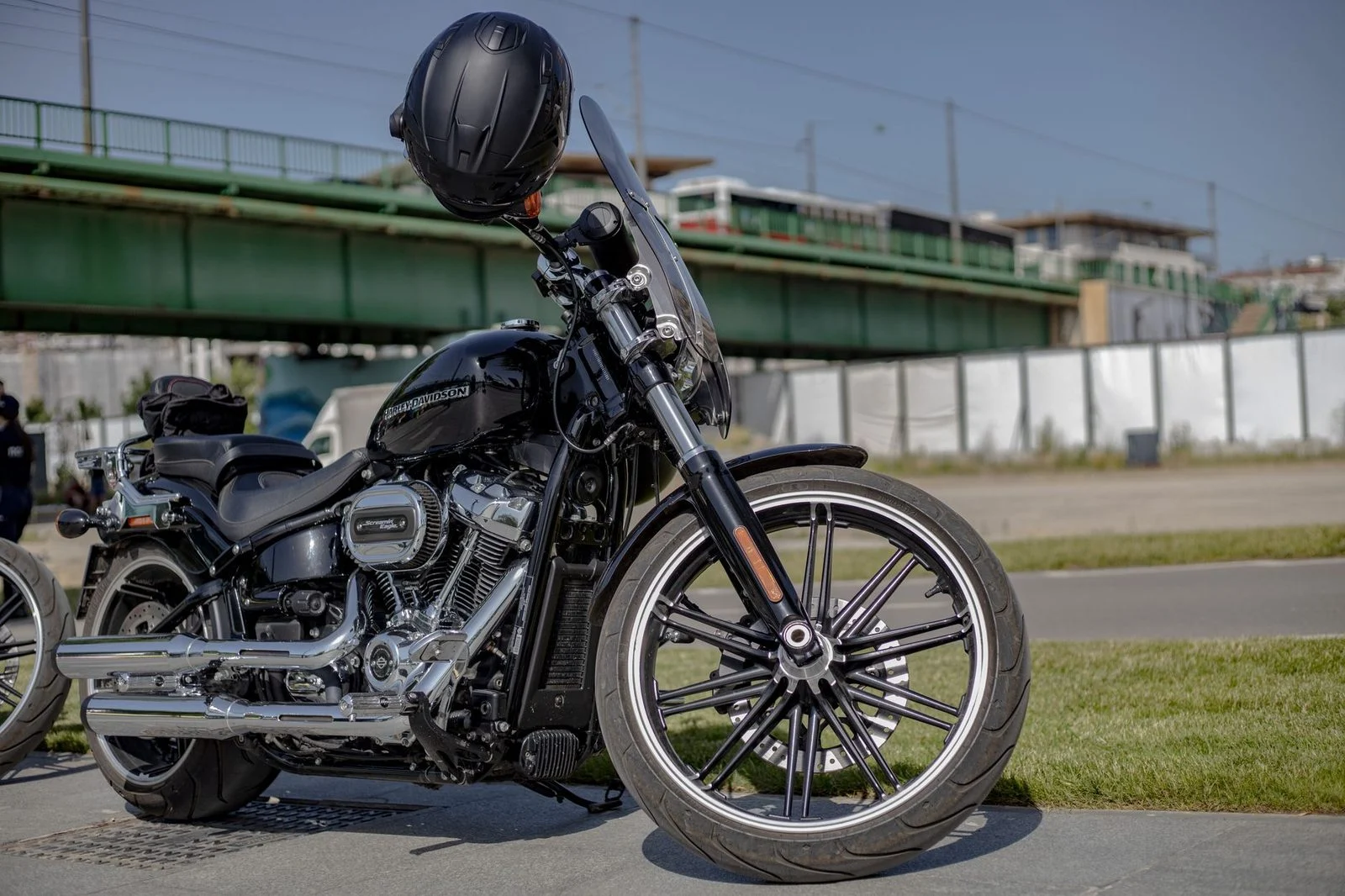
Uninsured vs. underinsured: when your own policy pays
Your policy pays when the at-fault driver has no insurance at all, or when that driver’s insurance is too low for your losses. These are two different cases.
An uninsured driver has no liability policy. A hit-and-run driver leaves before you get their information. Georgia requires a driver in a crash that causes injury to stop, give their name, address and registration number, and help any injured person.
Underinsured means the driver had insurance, but the policy limit is too low. A policy limit is the most the insurer pays under that policy. Under Georgia law, unless you rejected it in writing, your own underinsured motorist (UIM) coverage can generally pay on top of the at-fault driver’s available coverage, but only up to your own policy limits, and your combined recovery from both cannot exceed your total losses.
Georgia also caps the total. The policy may contain provisions excluding the insurer’s liability for property damage already compensated by other property or physical damage insurance, and for bodily injury already compensated by medical payments coverage or workers’ compensation, under O.C.G.A. § 33-7-11(i).
Hit-and-run claims need proof. Keep the crash report, witness names, photos, and any physical evidence from the scene.
What it pays, and what caps it
Your coverage pays the losses Georgia law lets you recover, up to the limit on your policy. The limit is the ceiling. It is not a measure of what your injury is worth.
General damages are losses the law presumes flow from a wrongful act, and they need no proof of an exact amount. Special damages actually flow from the crash, like medical bills and lost wages, and you must prove them, under O.C.G.A. § 51-12-2.
Under O.C.G.A. § 51-12-4, Georgia generally treats compensation for injury as the measure of damages where the injury can be estimated in money, but if an injury is small or the mitigating circumstances are strong, only nominal damages are given.
If a rider dies, the rules shift. A surviving spouse, or if there is no spouse, the children, may recover the full value of the life as shown by the evidence. The surviving spouse receives no less than one-third of that recovery, under O.C.G.A. § 51-4-2.
Read the declarations page, the summary sheet of your policy, for two numbers. A per-person limit is the most for one injured person. A per-accident limit is the most for everyone hurt in the same crash.
Stacking means applying coverage from more than one vehicle or policy to the same loss. Whether stacking applies depends on the facts and the policy wording.
Medical payments coverage is a separate benefit. It is not the same as UM or UIM, so don’t assume one pays the other’s share.
How Big Insurance pushes back, and how the claim is answered
Big Insurance rarely pays its best number first. An insurer’s first offer is rarely what a claim is worth.
Watch for these tactics:
- A low first offer made before the full extent of your injuries is known.
- An early recorded statement, taken while you are still in pain or on medication.
- Records requests that drag on for months.
- Disputes over whether your treatment was needed.
- “Low impact” arguments that say a motorcycle crash could not cause serious harm.
Georgia sets rules for written settlement offers. When an attorney helps prepare a written offer on a motor vehicle collision injury claim, made from the time a cause of action accrues until the named defendant files an answer (or, where there are multiple named defendants, until all of them have filed their initial answers or been found in default), the payment date must be at least 40 days from receipt, under O.C.G.A. § 9-11-67.1.
The firm’s response has four parts. It pursues every coverage layer: the at-fault driver’s liability, your own UM and UIM, any umbrella or excess policy, and corporate coverage where a business owned the vehicle or caused the harm. Georgia requires the fact-finder to consider the fault of everyone who contributed to the injury, including a nonparty’s fault when the plaintiff settled with that nonparty or a defending party gives notice at least 120 days before trial that the nonparty was wholly or partially at fault, under O.C.G.A. § 51-12-33. It builds the file with complete medical records and proof of lost income, as if the case will go to trial. It also keeps you informed, so the claim does not go quiet while the insurer waits.
Crash physics and the engineering review
Crash physics shows how hard the impact was. That turns a “low impact” argument into a question the evidence can answer.
Delta-V is the change in speed during the impact. It helps show how much force the rider’s body took. Medical records describe the injury. Crash physics helps explain how the crash produced it.
Terance Madden leads the firm, which has been in practice since 1999. He trained as an electrical engineer before law school, so he reads technical evidence himself. That includes scene measurements, damage patterns and component records.
Engineering review can also find other liable parties. A brake or tire failure, a defective part, or a bad repair by a maintenance vendor may point to someone besides the driver. More liable parties can mean more insurance available to pay the claim.
Injury patterns matter too. A peer-reviewed motorcycle injury review notes that injury distribution can help reconstruct crash events for forensic evaluation.
Questions riders and families ask
Your own motorcycle policy can pay when the other driver had no insurance. It works if your policy includes UM coverage and the crash meets the policy’s terms.
Does not wearing a helmet hurt my claim?
Georgia requires riders to wear approved protective headgear, under O.C.G.A. § 40-6-315. Helmet questions can come up in a claim. The facts of your crash decide how they matter. The Snell Memorial Foundation explains the helmet standards involved.
What if the at-fault driver’s insurance is not enough?
Your own UIM coverage may apply, up to your UIM limit. It works after the at-fault driver’s coverage is counted.
Do I have to give a recorded statement to my own insurer?
Be careful. An early recorded statement can shape the claim later. Get help with those calls before you give one.
Does my spouse have a role?
Yes. The person who manages bills, appointments and insurer calls often carries the heaviest load. The firm can work with that person when you authorize it.
Not sure what your next step is?
Talk it through with our team — the first consultation is free, confidential, and carries no obligation.
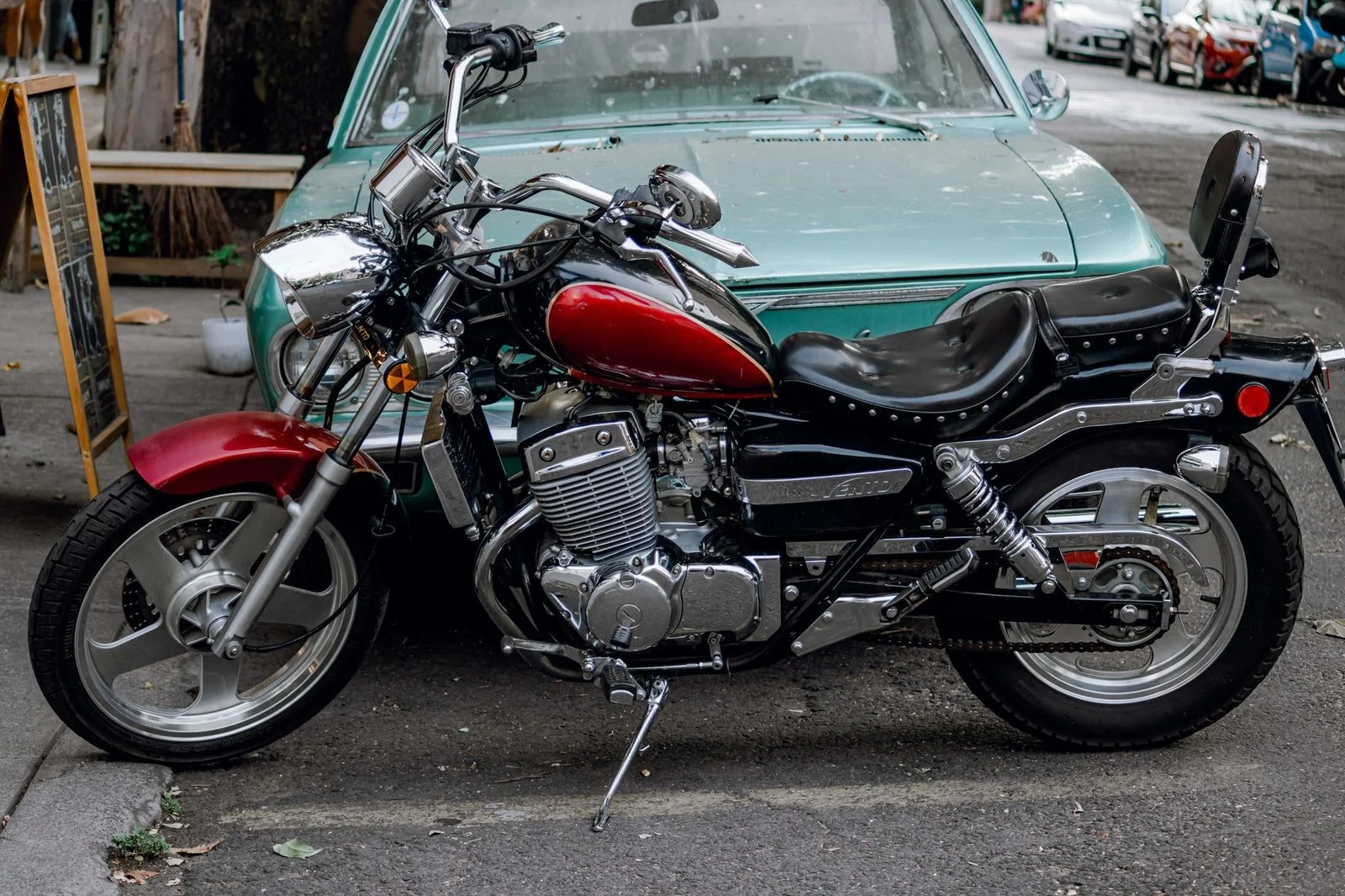
What to do next after a crash with an uninsured driver
Get medical care, gather proof, then notify your own insurer. Follow these steps in order:
- Get medical care and keep every bill and record.
- Collect the crash report, witness names, and photos of the scene and your bike.
- Notify your own insurer and read your UM and UIM limits.
- Get help before you give any recorded statement.
Georgia generally allows two years to file a personal injury suit, and four years for a loss of consortium claim, under O.C.G.A. § 9-3-33. Earlier steps often come sooner.
The firm offers a free first consultation, confidential and with no obligation to continue. It works on a no-fee-unless-we-win basis, but you may still be responsible for court costs and case expenses.
Terance Madden is the responsible lawyer for this page. The firm has practiced personal injury law since 1999.
If a driver with no insurance or too little insurance hit your bike, you may have a claim under your own policy, and the firm can review it with you. Start a free case evaluation.