

Clayton County Negligent Security Lawyer
Hurt on Someone Else's Property in Clayton County? Talk With Our Team
T. Madden & Associates, P.C. has represented Georgia people injured in negligent security incidents since 1999. Your first consultation is free, confidential and comes with no obligation to continue.
Serving Georgia Since 1999
1999
Representing injured clients since
5
Offices, including Jonesboro
Free
Confidential first consultation
24/7
Call line availability
By Terance Madden · Published November 1, 2026
Negligent security is a claim that a property owner or security company failed to protect people from crimes committed by others. If you were hurt in an assault, robbery, or shooting on someone else’s property, Georgia law may let you seek damages. This page explains the basics. It is general information, not legal advice.
What Negligent Security Means in Georgia
Negligent security is a lawsuit against a property owner or occupier, or a security contractor, for bodily injury or wrongful death that arises from an alleged failure to keep the premises and approaches safe from the wrongful conduct of third persons. O.C.G.A. § 51-3-50 defines it as any claim against an owner or occupier, or against a security contractor, that sounds in tort or nuisance, seeks to recover damages for bodily injury or wrongful death, and arises from a failure to keep the premises and approaches safe from the wrongful conduct of third persons.
“Wrongful conduct” covers more than the crime itself. It includes any violation of a Georgia state law or a local ordinance that is punishable as a felony or misdemeanor, regardless of whether it results in an arrest, citation, accusation, indictment, or conviction. It also covers certain intentional or willful and wanton acts.
Negligence is the core idea. Under § 51-1-2, ordinary diligence is the care an ordinarily prudent person takes in similar circumstances. Failing to use that care is ordinary negligence.
Georgia does not require owners to use extraordinary care against criminals. The question is whether the owner used ordinary care, as § 51-3-55 explains.
If a crime on someone else's property left you hurt or grieving, our team is ready to talk through what happened and what it may mean for you. Talk it through with our team — the first consultation is free, confidential, and carries no obligation.
What You Need to Prove in a Clayton County Negligent Security Case
A negligent security claim generally requires proof that the crime was foreseeable, that the owner failed to use ordinary care, and that this failure caused the injury. Under § 51-3-51, an invitee must prove several parts.
Foreseeability is often the hardest part. Under O.C.G.A. § 51-3-51, liability may rest on a particularized warning of imminent wrongful conduct. It may also rest on facts showing the owner reasonably should have known a third person was likely to commit such conduct, based on prior substantially similar occurrences the owner actually knew about. Those occurrences must have happened on the premises, on adjoining property or within 500 yards, or been committed by the same person, if the owner knew or should have known, by clear and convincing evidence, that the person was or would be on the premises.
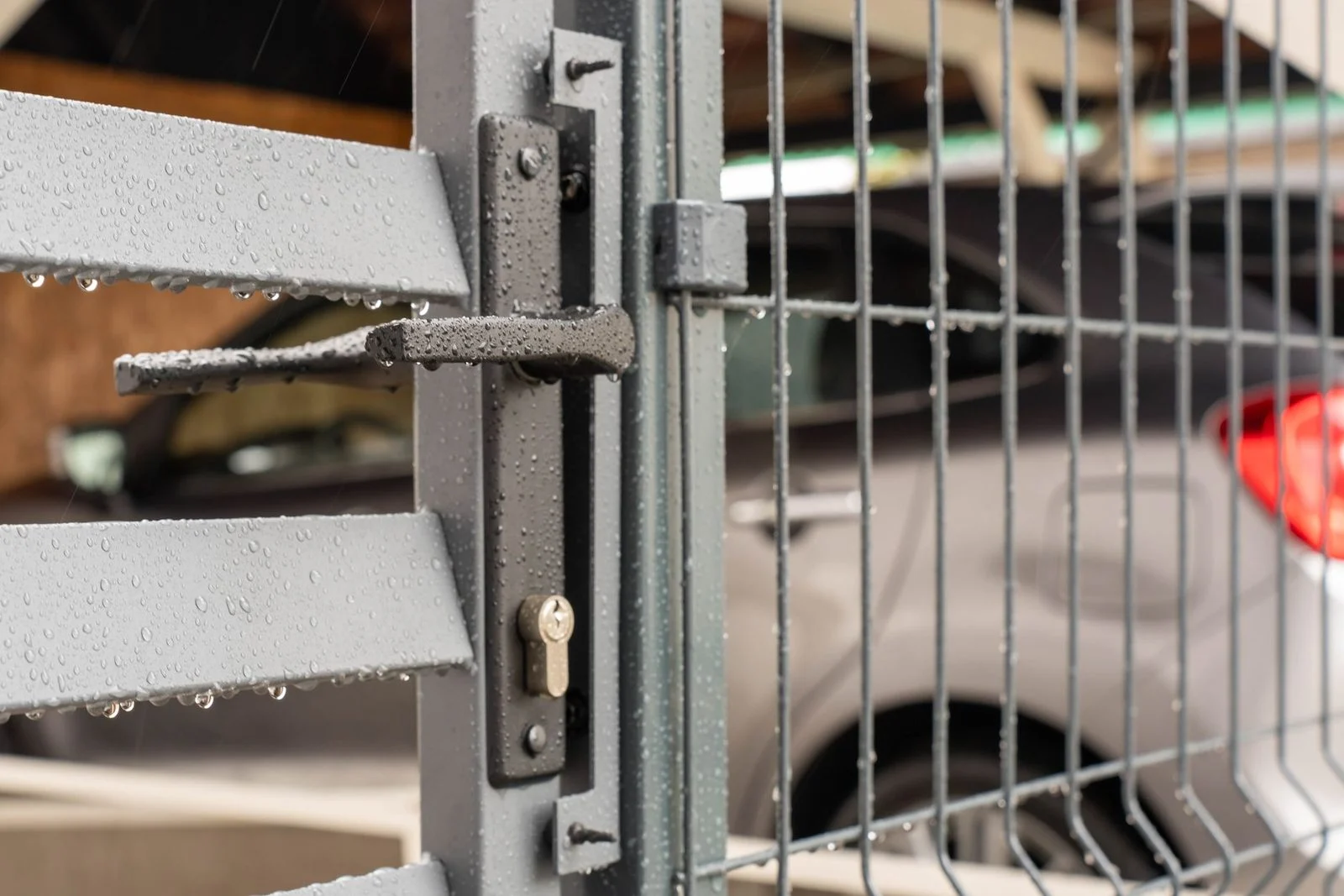
The property must also have a specific physical condition the owner knew about. Examples include a broken gate, a dark parking lot, or a door that never locks. That condition must have created a risk much greater than the general risk in the area.
Evidence often includes police calls to the address, past incident reports, lighting and lock conditions, camera coverage, and patrol practices. Crime data can help too. The Georgia Bureau of Investigation publishes Georgia crime statistics by jurisdiction. Those numbers are a starting point, not proof on their own.
Each case turns on its own facts. Under § 51-3-55, the trier of fact considers the security measures employed at the time of injury, the need for additional or other security measures, their practicality, whether they would have prevented the injury, the respective responsibilities of owners or occupiers and government with respect to the premises and law enforcement and public safety, and any other relevant circumstances. A Clayton County negligent security lawyer can review those points with you at a free consultation.
Common Clayton County Locations Where Negligent Security Claims Arise
Negligent security claims often involve properties where the owner controls entry, lighting, cameras, or patrols. These are the places where security decisions are made.
- Apartment and townhome complexes. Gates, locks, lighting, and courtesy patrols are often at issue in common areas and parking lots.
- Hotels and motels. Guest entry controls and staff response to earlier disturbances can matter.
- Gas stations and convenience stores. Late-night robberies and parking lot assaults are examples.
- Retail centers, office buildings, and parking decks. Management often controls lighting, cameras, and patrols.
Property type alone does not decide a claim. The National Crime Victimization Survey from the Bureau of Justice Statistics publishes national data on violent crime, including where and when crimes occur. That data shows national patterns. It does not show what happened at one property.
Who Can Be Held Responsible
The property owner, a property manager, or a security company may each face a claim, depending on who controlled security. Georgia defines an owner or occupier as anyone who owns, leases, occupies, operates, maintains, or manages real property of any kind, or any director, officer, employee, or agent of such person, under § 51-3-50.
A security company can be sued too. Under § 51-3-57, a security contractor that assumes and undertakes a duty to invitees and licensees to keep all or part of a premises of an owner or occupier safe from the wrongful conduct of a third person may be liable for negligent security only in the same manner, to the same extent, and subject to the same limitations and provisions as an owner or occupier.
Landlords follow a separate rule. Under § 44-7-14, a landlord that has fully parted with possession and the right of possession is not responsible to third persons for damages resulting from the negligence or illegal use of the premises by the tenant. The landlord stays responsible for defective construction and for failing to keep the premises in repair.
The attacker is part of the analysis too. Under § 51-3-56, the jury must apportion fault among the owner, the third person who caused the injury, and others who share fault. Under O.C.G.A. § 51-3-56, when a jury in a negligent security case does not assign a reasonable share of fault to the third party whose wrongful conduct was a cause of the injury, the trial court must set aside the jury’s verdict and order a retrial of liability and damages. Under § 51-12-33, damages are reduced by the injured person’s own share of fault, and a plaintiff who is 50 percent or more responsible recovers nothing.
Steps to Start a Claim Against a Security Company or Property Owner
Start with medical care, and keep every record. Treatment notes show what happened to you and what care followed. A simple journal of pain, missed work, and appointments also helps.
Get the police report number from the incident. Write down witness names, the time, and the lighting and lock conditions while your memory is fresh.
Send a written request to the owner or manager asking them to keep camera footage, incident logs, and security contracts. Many camera systems record over old footage on a schedule, so early requests matter.
An insurance adjuster may ask for a recorded statement. You don’t have to give one before you speak with a lawyer.
Time Limits: Why Early Action Matters
Georgia generally gives two years to file a lawsuit for injuries to a person, under § 9-3-33. The two years run from when the right of action accrues.
Under § 9-3-99, the time is tolled for a tort claim by the victim of an alleged crime from the date the crime was committed until the prosecution has become final or otherwise terminated. That pause cannot run longer than six years. Because these rules have exceptions, the exact deadline depends on the facts.
If someone died, § 51-4-2 says a surviving spouse may recover for the death. If there is no surviving spouse, the children may recover. The recovery is the full value of the decedent’s life, as shown by the evidence.
Video, witness memories, and property records can disappear fast. Acting early helps keep that proof in place.
Not sure what your next step is?
Talk it through with our team — the first consultation is free, confidential, and carries no obligation.
How T. Madden & Associates Handles Negligent Security Cases
The firm, led by attorney Terance Madden, has been in practice since 1999. The firm has offices in Jonesboro, Atlanta, Decatur, Macon, and Augusta. The Jonesboro office is in Clayton County.
Terance Madden is the responsible lawyer for this page. The firm’s lawyers include Terance Madden and Shenia Madden, and support staff assist the team.
Our team reviews the incident details with you at your first meeting. The first consultation is free, confidential, and comes with no obligation to continue.
The firm handles these cases on a no fee unless we win basis. You may still be responsible for court costs and case expenses.
This page is general information and not legal advice. Reading it does not create an attorney-client relationship. Responsible lawyer: Terance Madden, T. Madden & Associates, P.C. Contact details are on the firm’s contact page.
Talk to a Clayton County Negligent Security Lawyer About Your Incident
A free consultation can show whether a Georgia negligent security claim may exist in your situation. It’s a practical next step after a crime on someone else’s property.
Maybe a shooting in an apartment parking lot left you hurt. Maybe you were robbed in a hotel stairwell, or a family member died in a gas station robbery. Each situation raises questions about foreseeability, fault, and time. A negligent security lawyer Clayton County residents can reach can review those questions with you.
If you’re ready, request a free case evaluation and bring the details you have.
Frequently Asked Questions
What qualifies as negligence?
Negligence is failing to use ordinary diligence, the care a prudent person would use in similar circumstances. Georgia defines it in § 51-1-2.
Can you sue a security company?
Yes, a security company can face a claim. Under § 51-3-57, a security contractor that assumes and undertakes a duty to invitees and licensees to keep all or part of a premises safe from the wrongful conduct of a third person may be liable for negligent security only in the same manner, to the same extent, and subject to the same limitations and provisions as a property owner.
Does a criminal case pause the deadline?
It can. Under § 9-3-99, the time is tolled from the date of the alleged crime until the prosecution has become final or otherwise terminated, for no more than six years, except as otherwise provided in Code Section 9-3-33.1.
Why Clayton County Residents Call Us
No Fee Unless There Is a Recovery
Our fees are contingent: you pay no attorney fee unless there is a recovery. You may still be responsible for court costs and case expenses, and we will explain those before you decide to move forward.
Local Jonesboro Office
Our Jonesboro office serves Clayton County, with additional offices in Atlanta, Decatur, Macon and Augusta.
Available 24/7
Call anytime to talk with our team about an incident on property in Clayton County.
Plain-Language Answers
Our team focuses on explaining each step of the process clearly, so you know what to expect from your first call onward.
Key Tip: Document the Scene Early
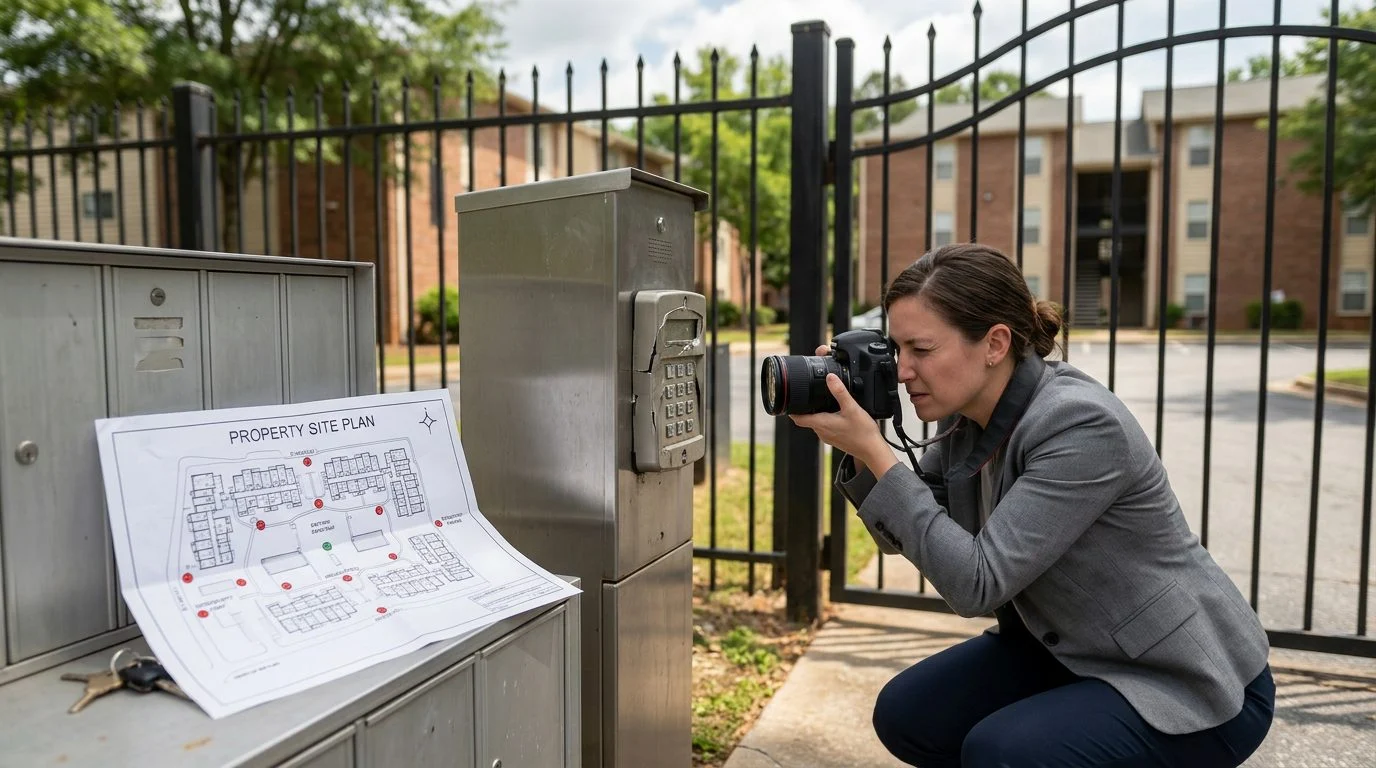
If you are able, photograph the area where you were hurt, note the lighting, locks and any missing or broken security features, and keep copies of incident reports, receipts and medical records. Early notes can help when you speak with our team.
Common Places for Negligent Security Incidents
Apartment Complexes
Assaults and break-ins in shared hallways, parking lots, stairwells and gated areas can leave residents seriously injured.
Shopping Centers and Retail Stores
Customers hurt in parking areas or store premises during a crime may have questions about the property's security measures.
Hotels and Motels
Guests harmed in rooms, lobbies or grounds may need guidance on how a negligent security claim is evaluated.
Your Free Case Evaluation
Contact our Jonesboro office to review what happened, learn your options and decide next steps at your own pace.