

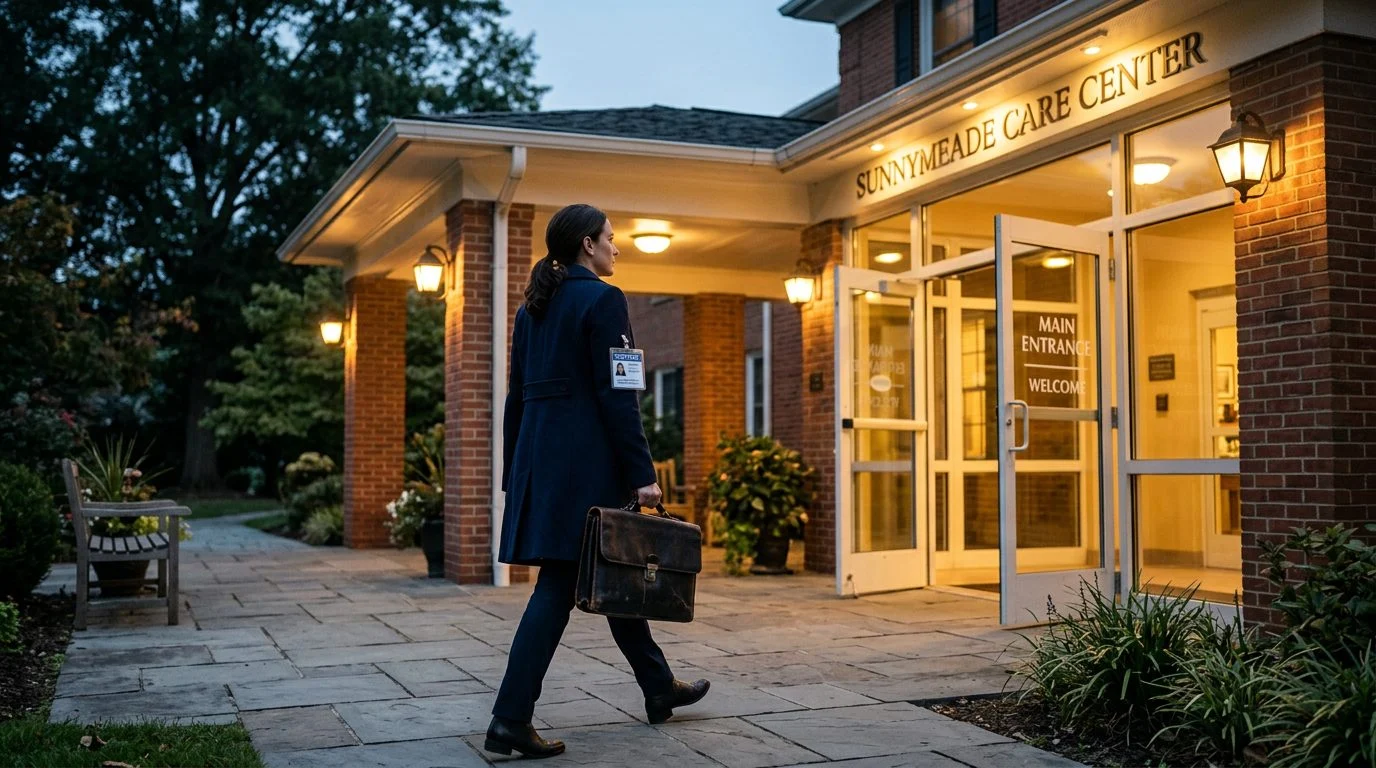
Nursing Home Abuse Lawyer | Georgia
Standing up for Georgia nursing home residents and their families
T. Madden & Associates, P.C. has represented Georgians since 1999. Our lawyers help families who suspect a loved one has been abused or neglected in a nursing home. Call for a free, confidential consultation with no obligation to continue.
About our firm
Since 1999
Serving injured Georgians
5 offices
Jonesboro, Atlanta, Decatur, Macon and Augusta
Free
Confidential first consultation
By Terance Madden · Published November 1, 2026
A nursing home abuse lawyer helps families look into harm a resident suffered in a care facility. Georgia law says residents must receive care that is adequate and appropriate, given with reasonable care and skill. When that standard is not met, the resident or family may have a claim for damages. This guide explains what abuse and neglect look like, who may be responsible, how damages work and what to do now. T. Madden & Associates, P.C. has been in practice since 1999 and handles personal injury and wrongful death matters, including nursing home cases.
What Nursing Home Abuse and Neglect Mean Under Georgia Claims
Nursing home abuse is harm a resident suffers from conduct that hurts, threatens or mistreats them. Neglect is a failure to provide the care, supervision or treatment a resident needs. Both can cause serious injury, and both can lead to a legal claim.
Each resident is to receive care, treatment and services that are “adequate and appropriate,” provided “with reasonable care and skill” and “in compliance with applicable laws and regulations” (O.C.G.A. § 31-8-108). Care must also respect the resident’s personal dignity and privacy.
Most cases turn on one question. Did the facility or its staff fall short of that duty? Georgia defines ordinary negligence as a failure to use the care that “ordinarily prudent persons” would use in similar circumstances (O.C.G.A. § 51-1-2).
Georgia also gives a remedy when a resident’s rights are violated. Any person aggrieved by a long-term care facility’s failure to honor a resident right can sue the facility for damages (O.C.G.A. § 31-8-126).
T. Madden & Associates, P.C. has been in practice since 1999. The firm handles personal injury and wrongful death cases, including nursing home abuse and neglect matters.
If your parent's bruises, weight loss or sudden decline have raised concern about their care, you don't have to sort it out alone. Reach out to our team for a free, confidential first consultation. Talk it through with our team — the first consultation is free, confidential, and carries no obligation.
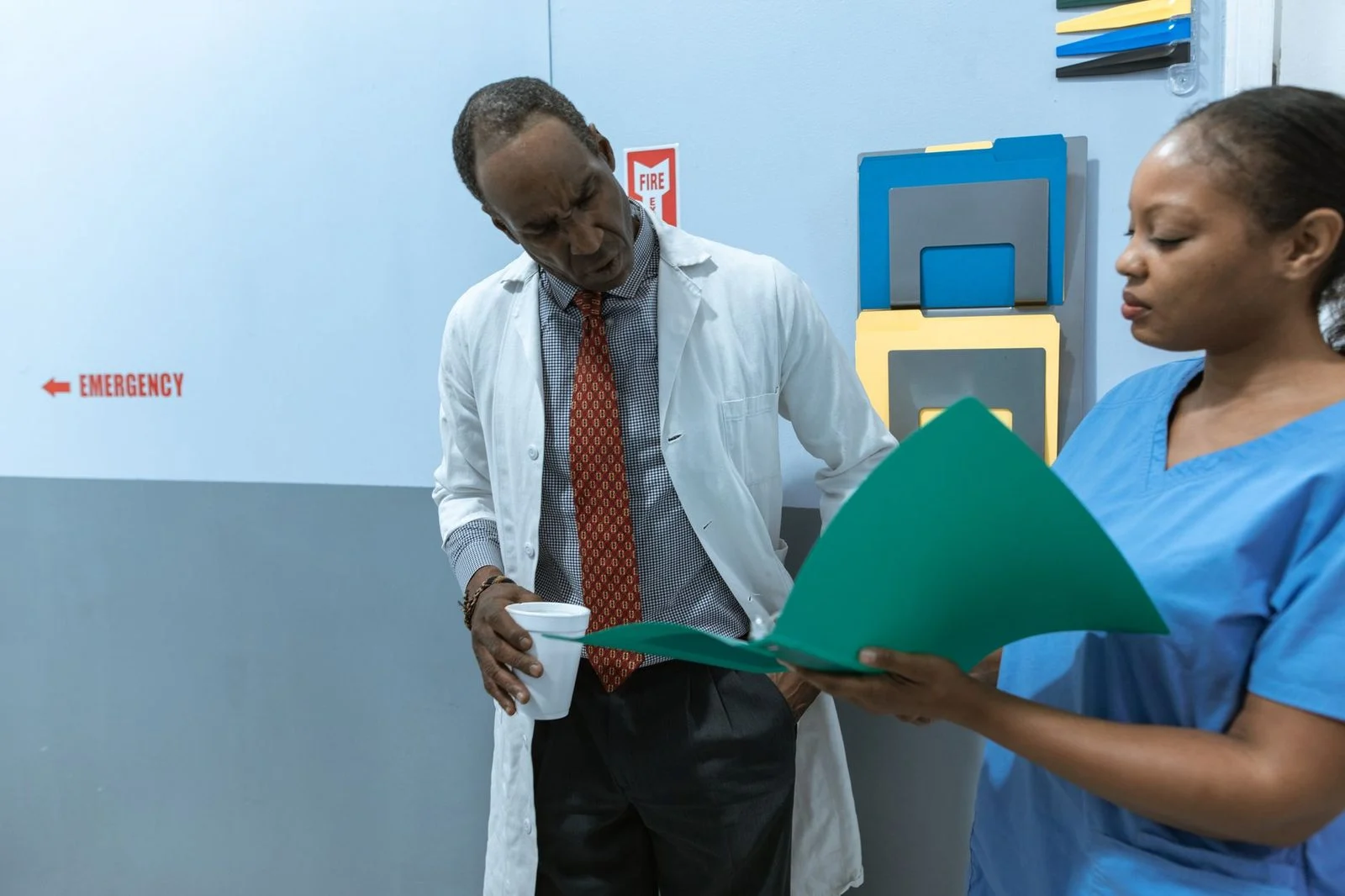
Types of Elder Abuse and Neglect in Care Facilities
Abuse and neglect in care facilities take several forms. One resident can face more than one kind of harm.
Physical abuse. This includes hitting, rough handling and misuse of restraints that leaves injuries. Injuries can be easy to miss if staff do not report them.
Emotional and verbal abuse. Threats, insults, humiliation and deliberate isolation harm a resident’s mind and health. These harms can be hard to prove, so notes and dates matter.
Sexual abuse. Any sexual contact with a resident who cannot consent is abuse. Families who suspect this should act quickly and call 911 if the resident is in danger.
Medical and medication neglect. Missed or wrong doses, delayed treatment and ignored changes in condition all fall here. These failures can turn a manageable problem into a hospital stay.
Financial exploitation. This means misuse of a resident’s money, property or accounts by staff or others with access. It is a different harm from injury to the body, and it can go unnoticed for a long time.
Signs of Neglect and Abuse Families Should Not Ignore
The most useful warning signs are changes you can see and compare over time. A single sign does not prove harm, but each one is a reason to ask questions.
Watch for new bruises, fractures, burns or cuts, especially when the explanation does not fit the injury. Pressure sores (bedsores) that appear or get worse can show that a resident is not getting proper care. Weight loss, dehydration and soiled bedding can point to missed meals or missed help.
Falls, wandering incidents or repeated emergency room visits with no clear, documented cause deserve follow-up. A resident who suddenly withdraws, seems afraid of a particular worker, or changes sleep or mood may be trying to tell you something.
Financial changes also matter. Unexplained transfers, new signatures on documents or missing property are warning signs.
Who May Be Responsible for Nursing Home Harm
Responsibility can reach the facility, the company that owns or runs it, and in some cases the individual worker who caused the harm. Georgia law makes a person liable for torts committed by a servant “in the prosecution and within the scope of his business” (O.C.G.A. § 51-2-2).
Nursing assistants and nurses can be named when their own conduct caused the harm. Outside contractors whose work affected resident safety can also be part of the review.
A claim generally looks at four things. Was there a duty of care? Was it breached? Did that breach cause the harm? What harm followed?
Records are often the key to answering those questions. Care plans, medication logs, incident reports, staffing schedules and call-bell logs can show what happened and when. Families should ask for copies of these records in writing.
Understaffing and Supervision Failures
Understaffing can lead to neglect when there are not enough workers to meet residents’ basic needs. Georgia’s rules for licensed nursing homes address resident rights, staffing, care and reporting standards (Georgia nursing home rules, Chapter 111-8-56).
When staff are stretched thin, turns can be missed, call bells can go unanswered for long periods, and residents can be left alone. Each of these can lead to pressure sores, falls or injuries that a more staffed facility might have prevented.
Supervision matters too. Residents who are at risk of falling or wandering need monitoring that matches their care plan. Poor training or failure to watch these residents can support a claim.
Families can help by noticing what they see during visits. Write down how long a call bell takes to answer, how many workers are on the floor, and whether the resident was clean, fed and comfortable. Dated notes like these can be useful to a lawyer reviewing the case.
Damages in Nursing Home Neglect and Abuse Cases
Damages are the money a person may recover for harm caused by another party. Under O.C.G.A. § 51-12-2, general damages are those which the law presumes to flow from any tortious act, and they may be recovered without proof of any amount; special damages are those which actually flow from a tortious act, and they must be proved in order to be recovered.
Necessary expenses from an injury are a legitimate part of the damages estimate (O.C.G.A. § 51-12-7). In practice, this can include hospital stays, surgery, rehabilitation and the cost of moving to a safer facility.
Where the entire injury is to a person’s peace, happiness or feelings, Georgia law says no fixed measure can be set. Jurors decide the amount (O.C.G.A. § 51-12-6).
The amount in any case depends on its specific facts, and no general article can predict it.
Not sure what your next step is?
Talk it through with our team — the first consultation is free, confidential, and carries no obligation.
When a Resident Dies: Wrongful Death Claims
When abuse or neglect contributes to a resident’s death, the family may have a wrongful death claim under Georgia law. The surviving spouse or, if there is no surviving spouse, the children may recover the full value of the decedent’s life, as shown by the evidence (O.C.G.A. § 51-4-2).
If no one is entitled to bring the action, the administrator or executor may bring it for the next of kin (O.C.G.A. § 51-4-5). When death results from criminal or other negligence, the personal representative may recover funeral, medical and other necessary expenses.
A surviving spouse receives no less than one-third of a wrongful death recovery (O.C.G.A. § 51-4-2).
Families should protect records early. Keep medical records, autopsy reports, discharge papers and facility documents together. Early preservation makes the timeline easier to rebuild.
Reporting Suspected Abuse and Protecting the Resident
If a resident is in danger or having a medical emergency, call 911 first. Then report your concerns to the facility and to the state’s adult protective services agency.
Protect the evidence as you go. Take dated photos of injuries and conditions, and write down names, dates and what staff said. Keep copies of care plans, bills and letters.
Georgia law gives residents the right to inspect and receive a copy of their medical records, unless medically contraindicated. The facility may charge a reasonable fee that does not exceed actual cost (O.C.G.A. § 31-8-108).
Residents or their guardians may also choose the resident’s physician. They have the right to have any significant change in health status reported to persons of the resident’s choice within a reasonable time (O.C.G.A. § 31-8-108). Put your requests in writing and keep a copy.
Time Limits and Why Early Action Helps
Georgia generally requires that actions for injuries to the person be brought within two years after the right of action accrues (O.C.G.A. § 9-3-33). Claims for loss of consortium have a four-year limit under the same statute. The exact deadline for a particular claim depends on the facts.
Waiting can make the case harder. Records may be harder to get, witnesses may move or forget, and a facility’s paperwork can change over time. Early review helps preserve what matters.
Starting early also gives you time to think through the options. A lawyer can explain how the deadline applies to your situation.
How the Claim Process Works With T. Madden & Associates, P.C.
The first step is a free, confidential initial consultation with no obligation to continue. During that conversation, the firm reviews what happened, the resident’s condition and the records you have. It then explains the options under Georgia law.
The firm handles these cases on a no-fee-unless-we-win basis. Clients may still be responsible for court costs and case expenses.
Terance Madden and Shenia Madden are lawyers at the firm. Support staff help families gather records and schedule meetings.
For a step-by-step look at what follows first contact, read the firm’s guide on what happens after you contact a nursing home lawyer in Georgia.
Serving Families From Five Offices
T. Madden & Associates, P.C. has offices in Jonesboro (Clayton County), Atlanta, Decatur, Macon and Augusta. Families in those communities can request a consultation at the office most convenient for them.
The firm also handles car and truck accident, motorcycle, e-bike, slip and fall, medical malpractice, negligent security and catastrophic injury matters. A family’s situation may involve more than one area of law.
For local detail, see the firm’s Clayton County and Decatur nursing home abuse pages.
If your parent's bruises, weight loss or sudden decline have raised concern about their care, you don't have to sort it out alone. Reach out to our team for a free, confidential first consultation. Talk it through with our team — the first consultation is free, confidential, and carries no obligation.
Common Questions About Nursing Home Abuse Claims in Georgia
Can a family member raise concerns about abuse?
Yes. Georgia law allows “any person or persons aggrieved” by a facility’s violation of resident rights to bring a claim.
Do I need to be a legal guardian to talk with a lawyer?
No. You can call a lawyer to ask questions before deciding on any next step.
What should I gather before my first consultation?
Bring the care plan, medication list, bills, incident reports and any letters from the facility. Add dated notes and photos of any injuries or conditions.
Talk With a Georgia Nursing Home Abuse Lawyer About Your Loved One
A Georgia nursing home abuse lawyer can explain your options if a loved one may have been harmed in a care facility. Maybe your mother has new bruises that no one can explain, or your father has lost weight and seems afraid of a staff member. You don’t have to figure out what it means by yourself.
Terance Madden is the responsible lawyer for this page at T. Madden & Associates, P.C. To ask for a free, confidential first consultation, contact the firm at tmaddenlaw.com/contact.
How our firm approaches these cases
Direct access to our lawyers
Terance Madden and Shenia Madden lead the work on each case, and our team keeps families informed as the matter moves forward.
Careful review of the records
We look at care plans, medical charts, incident reports and staffing information to understand what happened and why.
Focus on residents' safety
We pursue accountability for abuse, neglect and unsafe conditions, and we work to protect residents who are still in care.
Patient, respectful guidance
We understand how difficult it is to question the care a parent or loved one receives, and we explain each option in plain language.
If someone is in immediate danger
If a resident is in danger or hurt right now, call 911 first. Then contact our office so we can talk through what you have seen and what to do next.
Signs that may point to nursing home abuse or neglect
Unexplained injuries
Bruises, cuts, burns, fractures or marks that the facility cannot clearly explain.
Sudden changes in behavior
Withdrawal, fearfulness, agitation, or reluctance to be around certain staff members.
Poor hygiene or weight loss
Unwashed clothes, bedsores, dehydration, or a noticeable drop in weight.
Missed medications or care
Medications given late or not at all, or routine care that appears to be skipped.
Talk with a Georgia nursing home abuse lawyer today
Related practice areas
- Negligent Security Lawyer in Georgia: Owner Liability