

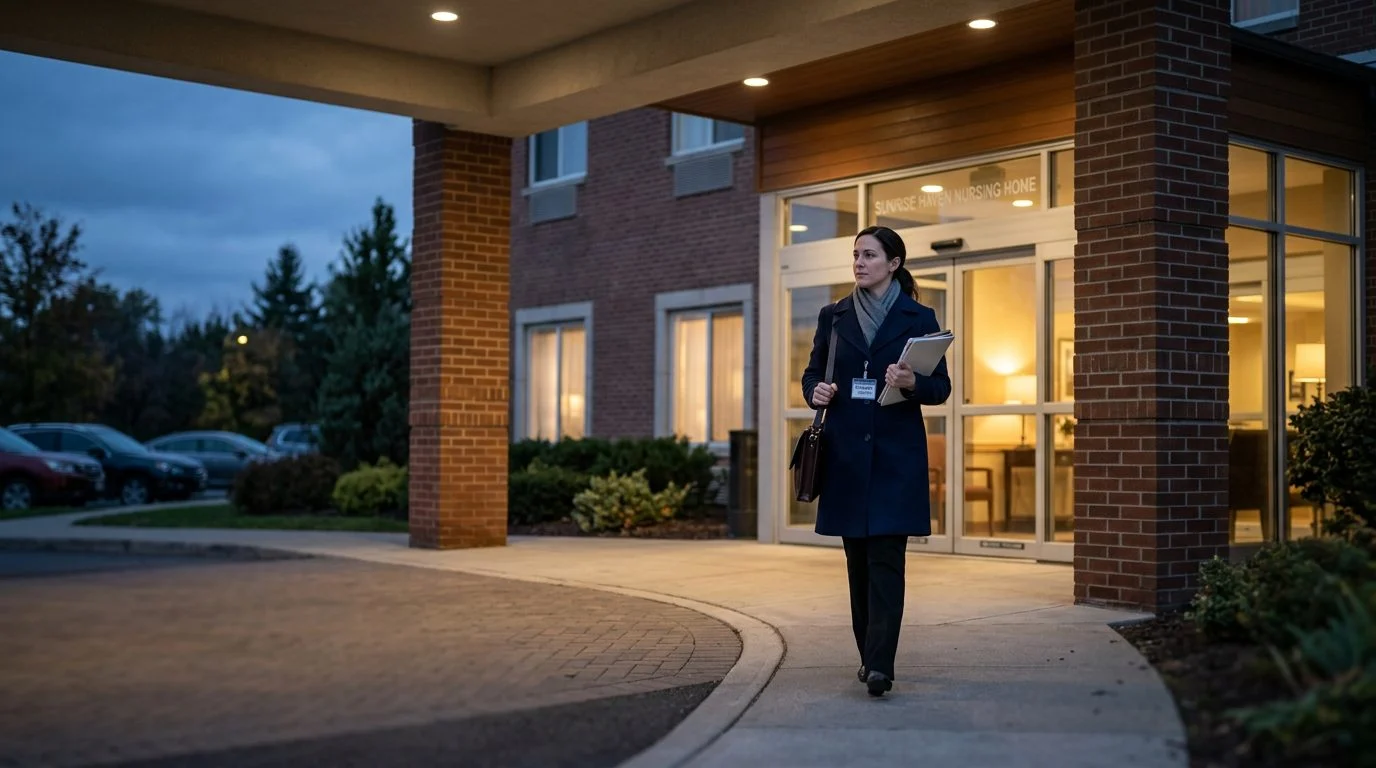
Nursing Home Abuse · Clayton County, Georgia
Worried About a Loved One in a Nursing Home? Get Answers Now.
T. Madden & Associates, P.C. has represented Georgia families since 1999. Learn the warning signs of nursing home abuse and why timing matters, then talk with our Jonesboro team in a free, confidential consultation.
About T. Madden & Associates, P.C.
1999
Practicing since
5
Georgia offices: Jonesboro, Atlanta, Decatur, Macon and Augusta
24/7
Phone line for urgent questions
By Terance Madden · Published November 1, 2026
Nursing home abuse and neglect in Clayton County: what families should know
Nursing home abuse is harm a resident suffers in a care facility. Neglect is the failure to provide basic care. A nursing home abuse lawyer in Clayton County can help families understand what happened to a loved one.
Abuse can be physical, such as hitting or rough handling. It can be emotional, such as threats or humiliation. It can also be financial, such as taking a resident’s money or property.
Neglect means basic needs go unmet. Food, water, hygiene, medication, and supervision are the most common examples.
Many residents cannot report what happened. Some are frail or confused. Others fear that speaking up will make their care worse. That is why family members often notice the problem first, during a visit or a phone call.
The Centers for Medicare & Medicaid Services (CMS) publishes general information about Medicare and Medicaid nursing homes and about how those facilities are surveyed.
T. Madden & Associates, P.C. has practiced personal injury law since 1999. Our Jonesboro office is in Clayton County. Attorney Terance Madden leads the firm, and our lawyers include Shenia Madden. We also handle nursing home abuse matters for families in Atlanta, Decatur, Macon, and Augusta. Clayton County families can start with the Jonesboro office.

Warning signs a Jonesboro family should not ignore
The most useful warning signs are injuries with no clear cause, bedsores, weight loss, sudden mood changes, and missing money. No single sign proves abuse. A pattern deserves a closer look.
Watch for unexplained bruises, cuts, burns, fractures, or fall injuries. Pay close attention when the facility gives a vague explanation or the story changes.
Pressure sores (bedsores), dehydration, weight loss, and poor hygiene can point to care that was not given as it should have been. Ask staff what the care plan says, and note what you see on each visit.
Mood changes matter too. Look for fear of particular staff members, withdrawal, or a resident who seems cut off from visitors or restrained.
Money problems can signal financial exploitation. Look for missing cash, changed account details, new signatures on documents, or property that goes missing.
Write things down as you go. Record the date, the time, what you saw, and the names of staff involved. Keep photos and any care records you already have. A dated log gives you facts to share with a lawyer, even weeks later.
What a nursing home abuse claim can involve
A claim usually asks whether the facility failed to give the care the law requires, and whether that failure caused harm. Georgia law says each resident must receive care with reasonable care and skill and in compliance with applicable laws (O.C.G.A. § 31-8-108). Residents also have a right to personal dignity and privacy under that same section.
Georgia law also lets a person harmed by a facility’s rights violation bring a claim for damages. Under O.C.G.A. § 31-8-126, the person does not have to exhaust administrative remedies first.
Claims often involve negligence, such as poor staffing, weak supervision, medication errors, or poor care planning. Some involve intentional harm by staff or others.
Medical expenses are limited to the reasonable value of medically necessary care under O.C.G.A. § 51-12-1.1.
Records matter in most cases. Under O.C.G.A. § 31-8-108, a resident may inspect and receive a copy of medical records unless medically contraindicated. The facility may charge a reasonable fee for duplication, which fee shall not exceed actual cost. Every case turns on its own facts, so an early review shows whether a claim fits your family’s situation.
Georgia’s filing deadline and why early contact matters
Georgia generally gives two years to bring an injury claim. Under O.C.G.A. § 9-3-33, actions for injuries to the person must generally be brought within two years after the right of action accrues, except that actions for injuries to the person involving loss of consortium must be brought within four years and actions for injuries to the reputation within one year.
If the harm was also a crime, a separate rule may pause the clock. Under O.C.G.A. § 9-3-99, for a tort claim brought by the victim of an alleged crime that arises out of the facts and circumstances of a crime committed in this state, the period is tolled from the date of the crime or the act giving rise to the claim until the prosecution is final or otherwise terminated, but not more than six years, except as otherwise provided in Code Section 9-3-33.1.
The deadline depends on the facts of each case. That is why families should ask about timing early.
Waiting can make evidence harder to collect. Records can be lost or changed. Residents can be moved or discharged. Witnesses forget details. A prompt first conversation helps protect what is still available.
When a resident has died: wrongful death after nursing home care
Georgia allows certain family members to bring a wrongful death claim when a loved one dies because of another party’s wrongful conduct. Under O.C.G.A. § 51-4-2(a), a surviving spouse or, if there is no surviving spouse, a child or children may recover the full value of the life of the decedent, as shown by the evidence.
Funeral, medical, and other necessary expenses can also be recovered. Under O.C.G.A. § 51-4-5(b), when death results from a crime or from criminal or other negligence, the personal representative may recover those expenses.
After a death, families often ask the same questions. What caused the death? What happened in the final weeks of care? Which records should be requested? Writing these questions down helps you prepare for a first conversation.
Grief and questions can arrive at the same time. You do not have to sort everything out alone. Our firm handles wrongful death matters, and we can explain the practical steps that protect a potential claim.
How the Jonesboro office handles a nursing home case
The firm offers a free, confidential first consultation with no obligation to continue. You can ask about the facility, the resident’s condition, and your options during that meeting.
We handle nursing home cases on a no fee unless we win basis. You may still be responsible for court costs and case expenses.
Contact options include the Jonesboro office in Clayton County and the firm’s phone line, which is available 24/7. Terance Madden and Shenia Madden are the firm’s lawyers. Support staff help families with intake and records.
Is the first consultation free?
Yes. The first consultation is free and confidential, and it carries no obligation to continue.
What should I bring to the consultation?
Bring the resident’s name, the facility name, dates, your notes, and any letters or bills you have.
Can I call after business hours?
Yes. The firm’s phone line is available 24/7.

Talk to a Clayton County nursing home abuse lawyer about your family’s situation
If a parent or loved one in a Clayton County facility shows signs of abuse or neglect, the decision in front of you is whether to speak with a lawyer now. Waiting can narrow the options.
Contact our Jonesboro team to start a free case evaluation. Our phone line is available 24/7, and our team is ready to talk through what you’ve seen.
This page is general information, not legal advice.
Responsible lawyer: Terance Madden, T. Madden & Associates, P.C., Jonesboro (Clayton County), Georgia. Contact: tmaddenlaw.com/contact.
Warning Signs to Watch For
Unexplained injuries
Bruises, cuts, burns, fractures or welts that the facility cannot clearly explain.
Bedsores and untreated wounds
Pressure ulcers, especially deep or worsening ones, often point to missed repositioning or poor care.
Sudden weight loss or dehydration
Losing weight, looking gaunt or showing signs of thirst may mean meals or fluids are being neglected.
Missed medications or medical care
Gaps in prescriptions, delayed treatment or unexplained changes in a medical condition deserve a close look.
Changes in mood or behavior
Fear, withdrawal, agitation or reluctance to be alone with a particular staff member can signal mistreatment.
Missing money or belongings
Unexplained withdrawals, changed account information or missing personal items should be questioned right away.
Act Quickly
Time limits may apply to claims arising from nursing home abuse, and evidence can disappear. Do not wait to ask questions. Write down what you have observed, keep photos and records, and contact us so we can explain how timing may affect your situation.
What to Do Now
Document what you see
Record dates, injuries, conditions and conversations. Photos taken with a date stamp are helpful.
Keep every record
Save care plans, medication lists, incident reports, letters, bills and any notes from staff.
Protect your loved one
Ask a doctor to examine the resident and document findings. Medical records are often central to these cases.
Talk with our team
Bring the resident's name, the facility name, dates and your notes to a free, confidential consultation with no obligation to continue.
Concerned About Someone in a Nursing Home? Talk With Us Today.
Related practice areas
- Wrongful Death Lawyer Clayton County, Jonesboro Office