

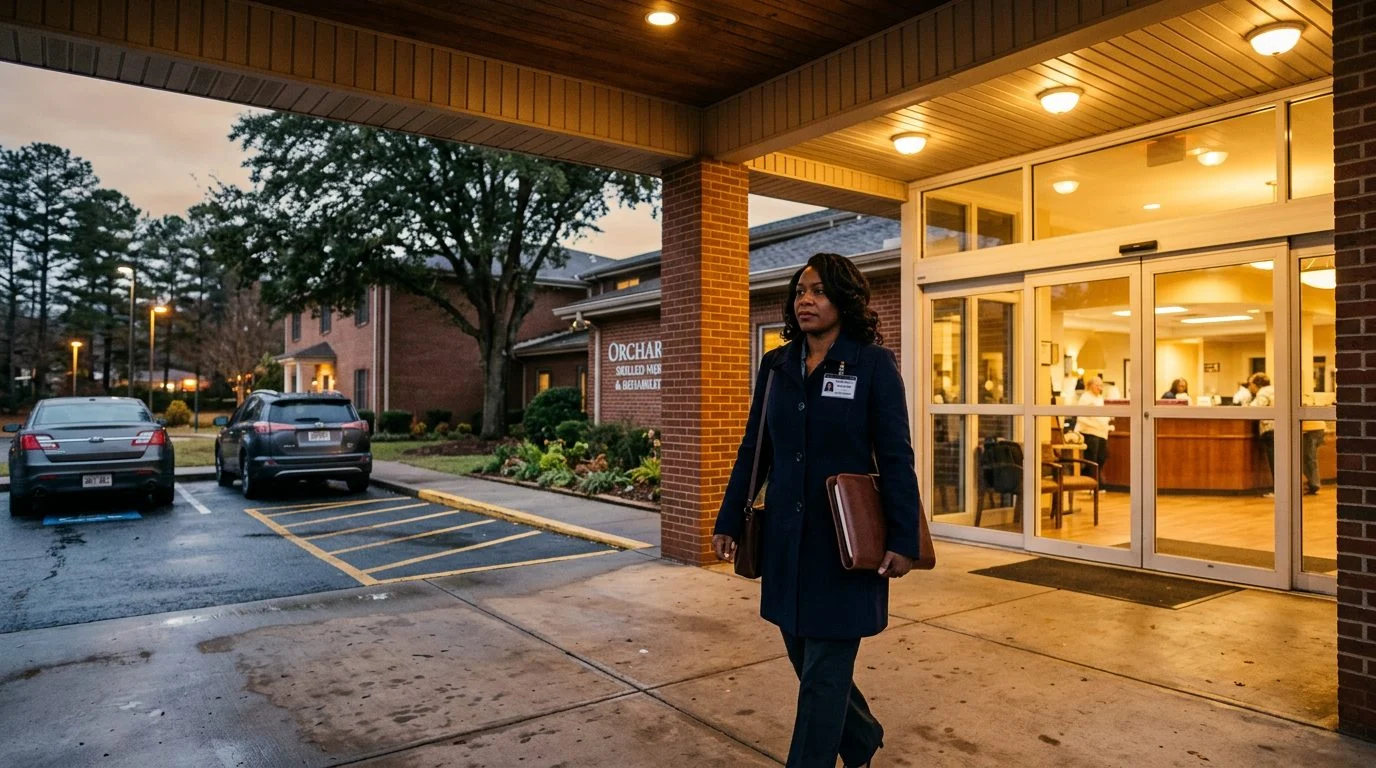
Nursing home abuse | Georgia
Your loved one's claim deserves a clear plan, starting now
Knowing when a case must be filed is only one piece. Here is how families in Georgia can protect their loved one's rights while the facts are still fresh.
T. Madden & Associates, P.C.
1999
Year the firm began practicing law
5
Georgia offices, including Jonesboro and Atlanta
By Terance Madden · Published November 14, 2026
When a parent is hurt or neglected in a nursing home, the questions come fast. The nursing home abuse statute of limitations in Georgia is the first thing to check, because it sets the clock on your family’s right to sue.
How long do nursing home abuse or neglect claims in Georgia take to resolve, and how long does the statute of limitations allow for filing?
Georgia gives most injury claims two years to file a lawsuit (O.C.G.A. § 9-3-33; Kenneth B. Cameron v. Jmp Pizza, Inc (2026)). How long the case takes to resolve is a separate question, and the answer depends on the facts. The filing deadline and the resolution timeline are two different clocks.
A statute of limitations (the deadline set by law for filing a lawsuit) controls when a claim must be filed. Georgia’s rule says actions for injuries to the person must be brought within two years after the right of action accrues, except for actions involving loss of consortium, which must be brought within four years. “Accrues” means the right to sue begins. In many injury cases, that is the day the harm happened.
Resolution runs on its own clock. A case can move through records requests, insurance talks, and, if needed, a lawsuit. Those steps take as long as the facts require, and the filing deadline keeps running the whole time.
Nursing home harm can be pursued as personal injury or as medical malpractice. The claim type decides which deadline applies, so check it early.
If someone you love was hurt or neglected in a nursing home, you don't have to work out the deadline alone. Talk with our team about your family's next step. Talk it through with our team — the first consultation is free, confidential, and carries no obligation.

Does the two-year clock change for a nursing home claim?
Sometimes.
Don’t treat a filing deadline as extra time to wait. Families should plan around the earlier date, and this is where a nursing home abuse statute of limitations question gets costly.
Georgia can pause the clock for some people. A person under 18, or one who was legally incompetent because of intellectual disability or mental illness when the claim arose, may have a different deadline under other provisions; this section applies ‘except as otherwise provided in this article’ and does not itself state that the time runs after that condition ends. Don’t assume that rule covers your case.
For the types of harm and claims we handle, see our nursing home abuse lawyer guide.
Why a nursing home case takes time to build
A nursing home case takes time because most of the proof sits in the facility’s files. Those files don’t arrive overnight.
The key records include care plans, medication logs, staffing schedules, incident reports, and turning and feeding charts. Each one shows what care was ordered and what was actually given. Gaps between them often tell the story. A missing turning chart on the day a resident later developed bedsores can matter as much as the sores themselves.
Georgia’s records law helps. A complete, properly authorized request for a patient’s record should be answered within 30 days of receipt.
Medical reviewers then read the chart. They look at what care the resident needed, what was done, and where the gap started. Building that timeline drives the pace of the whole case. The firm builds every case as if it may go to trial, so the work keeps moving from the first day.
How Big Insurance handles nursing home claims
Big Insurance is not on the family’s side. Its job is to limit what it pays. Expect a low first offer. An insurer’s first offer is rarely what a claim is worth.
Common tactics include:
- Recorded statements taken while a family is grieving or worn out.
- Slow records and long delays.
- Arguments that the care did not cause the harm.
- Claims that the resident was already frail or sick.
- Blame shifted to the family over visits or decisions.
Georgia’s fault rule matters here. Under § 51-12-33, damages are reduced by the injured person’s share of fault. An injured person found 50 percent or more responsible gets no damages.
The response is to pursue every layer of coverage. That includes the facility’s liability policy, umbrella coverage (an extra policy above the main limits), excess coverage (another layer above the first), corporate coverage, and any other party who contributed to the harm. The firm also looks at lifetime damages, meaning the full cost of the harm over time, not only the bills so far. It prepares for trial so the family doesn’t negotiate from a weak position.
Why Terance Madden’s engineering training matters when reading facility records
Before law school, Terance Madden trained as an electrical engineer. Before law school, Terance Madden trained as an electrical engineer, so he starts a case by asking what the evidence shows and how the crash happened.
That training shapes how he starts a nursing home case. He asks what the records show, lays the events out in order, and checks whether the documented care matches what the resident needed. A chart is data. Data has dates, times and gaps, and gaps are often where a case turns. He also works to make sure the records are requested and kept before they go missing.
What the family managing the care should gather now
If you’re the one handling your mother’s care, the calls, visits and paperwork land on you. That is a heavy load. You don’t have to sort it all today. Start a simple file and keep:
- Dates of every visit and every call to the facility.
- Dated photos of bruises, falls, or bedsores.
- Copies of care plans, discharge papers, and medication lists.
- Names of staff involved and the shifts they worked.
- Written messages with the facility.
- A daily log of changes in condition.
Before you sign an insurer’s form or give a recorded statement, talk it through with a lawyer. Words said early can be used later.
If your father has died, the rules for getting records change. Under § 31-33-2, the appointed executor or administrator may request them. If none is appointed, the surviving spouse may, then a surviving child, then a parent.
If a resident is in immediate danger, call 911 first. The Georgia Division of Aging Services also lists how to report suspected abuse or neglect.
Not sure what your next step is?
Talk it through with our team — the first consultation is free, confidential, and carries no obligation.
Talk with the firm before the filing deadline passes
You didn’t choose this situation, and you may still be gathering facts. That is normal. If the two-year clock is running, a conversation now can clear up the deadline question and your family’s next step.
T. Madden & Associates, P.C. has been in practice since 1999, with offices in Jonesboro, Atlanta, Decatur, Macon and Augusta. The firm offers a free first consultation that is confidential and carries no obligation to continue. The line is available 24/7.
The firm works on a no-fee-unless-we-win basis, but you may still be responsible for court costs and case expenses.
Reach out for a free case evaluation and let the firm walk through your family’s deadline with you.

Frequently Asked Questions
What is the statute of limitations for a nursing home abuse case in Georgia?
A statute of limitations is the legal deadline for filing a lawsuit. In Georgia, most personal injury claims, including many nursing home abuse claims, generally must be filed within two years under O.C.G.A. § 9-3-33. Medical malpractice claims have their own rules, so the right deadline depends on the facts and the type of claim.
Does the two-year clock start on the day the abuse happened?
Usually, the clock starts on the date of the injury. It can be more complicated when harm is discovered later or the resident could not act for themselves. Georgia law allows some deadlines to be paused in limited situations, such as certain cases involving mental incompetence under O.C.G.A. § 9-3-90. Do not count on an exception. Act as if the deadline is running now.
Is the deadline different if a nursing home resident has died?
A wrongful death claim is a lawsuit brought by certain family members after a loved one dies because of another party’s wrongful conduct. Families should not wait to find out whether a deadline might be extended.
When should a family call a lawyer about possible nursing home abuse?
Call as soon as you have concerns. Deadlines keep running while families gather records, talk to staff, and handle their loved one’s care. T. Madden & Associates, P.C. offers a free, confidential first consultation with no obligation to continue. Contacting the firm early gives the team more time to preserve evidence and review your options.