

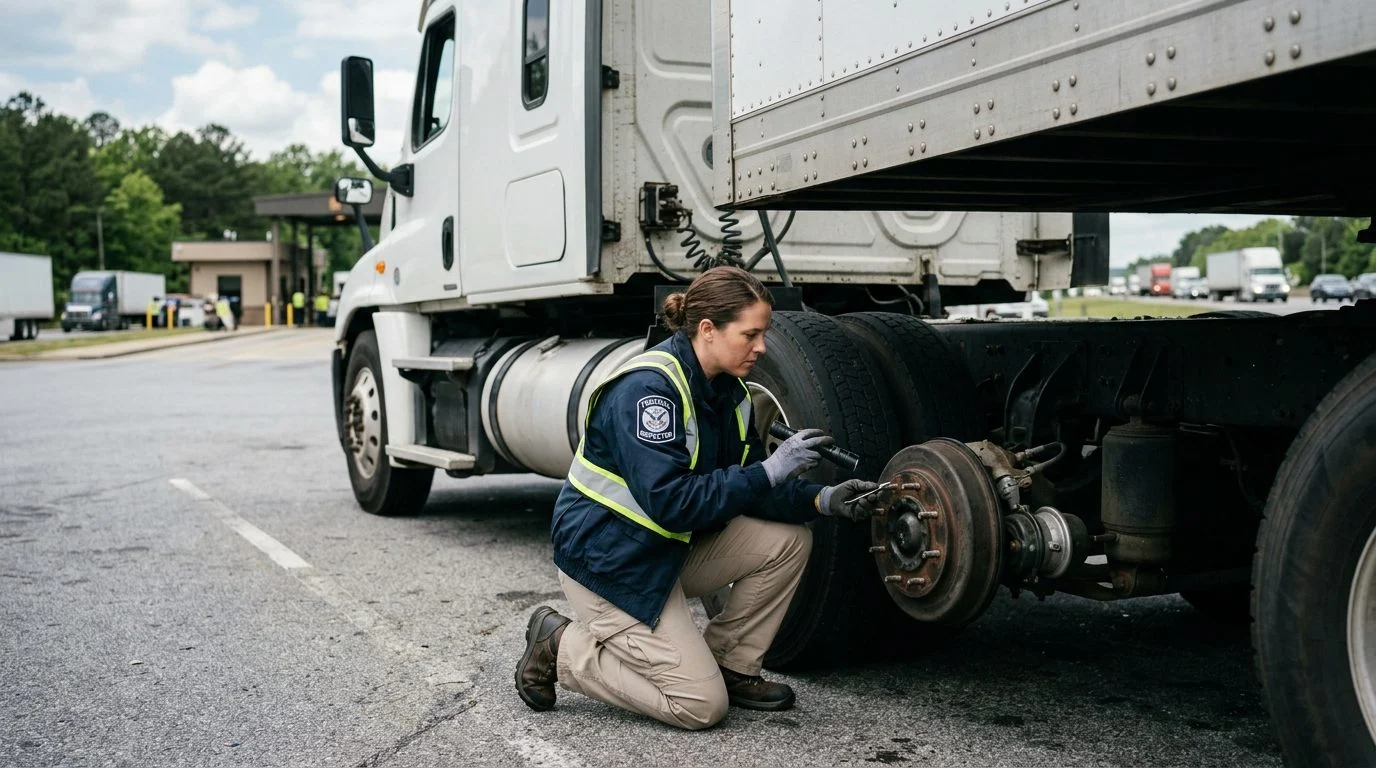
Truck Accident Lawyer · Georgia
Truck Crash Reports Can Hold Key Facts. Know What to Ask For.
T. Madden & Associates, P.C. has represented people hurt in Georgia since 1999. Learn how DOT and police reports differ, and speak with our team about the records in your truck crash.
About Our Firm
Since 1999
Representing injured people in Georgia
5 offices
Jonesboro, Atlanta, Decatur, Macon and Augusta
Free
First consultation, confidential and without obligation
By Terance Madden · Published October 22, 2026
Not every truck crash ends up in a federal database. Federal rules require a crash record only when a crash meets set thresholds, and the trucking company keeps it. Here is how that works for people hurt in Georgia truck crashes.
Short answer: when a truck crash must be reported to the federal DOT
Under the federal accident definition, a qualifying crash involves:
- a fatality;
- bodily injury to a person who immediately receives medical treatment away from the scene; or
- one or more vehicles with disabling damage that must be towed away from the scene.
The injury test asks whether someone immediately received treatment away from the scene. A fatal crash generally falls within the first threshold, but under 49 C.F.R. § 390.5T, the term accident does not include occurrences involving only boarding or alighting from a stationary vehicle, or only loading or unloading cargo.
Trucking companies are identified in federal records by a USDOT number.
The carrier keeps the record, not the injured person. A crash that misses all three thresholds may never appear in the federal record. So don’t assume every truck wreck is in a federal database.

What the federal crash record is and how it is kept
The federal crash record is the carrier’s accident register. It lists qualifying crashes, and each entry stays on the register for three years after the accident. Under accident register rules, each entry must show the date, the city or nearest place and state, the driver’s name, the number of injuries and fatalities, and whether hazardous materials other than fuel spilled from the fuel tanks of the motor vehicle involved in the accident were released.
The register must also include copies of accident reports that state agencies or insurers require. Carriers must give authorized officials the records and reasonable help with an investigation. The rules also bar fraudulent or intentionally false entries, under falsification rules.
The register records basic facts. It does not decide who caused the crash. It is not a finding of negligence or a judgment about liability.
How a DOT record differs from a police crash report in Georgia
A federal register entry and a Georgia police crash report are separate documents. The police report comes from the officers who responded to the scene. It can include what officers observed, statements from drivers and witnesses, citations, and a diagram of the scene. Those details can show how a crash happened in ways a short register entry cannot.
Georgia has its own rule for commercial vehicles. Accidents involving them must be reported to the state commissioner of transportation, in the detail the commissioner requires, under the Georgia commercial vehicle safety code.
Both documents can exist for the same crash, and each serves a different purpose. Getting the Georgia report and requesting the federal record are separate steps. A lawyer handling the claim can work with both as part of gathering evidence.
Does a DOT report help a truck accident claim?
A DOT record can confirm basic facts, such as the date, the carrier, and the location. It does not prove fault on its own. Most claims rest on other proof: the police report, photos and dash-camera video, witness statements, medical records, maintenance records, and the trucking company’s safety files.
Driver logs matter too. Except for a private motor carrier of passengers (nonbusiness), drivers must record duty status for each 24-hour period, and carriers must keep these driver duty-status records for at least six months from the date of receipt. Records have set retention periods, so early requests matter.
Post-crash testing also runs on a clock. Under post-accident testing rules, an employer must test surviving drivers as soon as practicable after an occurrence involving a commercial motor vehicle operating on a public road in commerce, when the rule’s table requires a test. An alcohol test not given within two hours needs a written reason, and attempts stop at eight hours. Controlled-substance attempts stop at 32 hours.
Some claims also reach a freight broker. In Montgomery v. Caribe Transport II, LLC, the U.S. Supreme Court held that a state-law claim that a broker negligently hired an unsafe carrier falls within the federal safety exception and is not preempted. Each crash turns on its own facts.
Practical steps for victims after a truck crash in Georgia
Get medical care right away, and keep every record of treatment. Injury records are central to any claim.
Write down the names and unit numbers of responding officers. Note the tow company and where the truck was taken, because vehicle and log evidence can be time-sensitive. Write your own account of the crash while memory is fresh. Take photos of the scene, the vehicles, and your injuries.
Think before giving a recorded statement to the trucking company or its insurer. Your words may be used later. Save texts, emails, and insurance letters in one place. Keep receipts for medical bills, lost wages, and other costs.
Two legal limits matter. Georgia generally gives two years to file a personal injury lawsuit, as the court explained in Cameron v. JMP Pizza, Inc.. Georgia also reduces damages by a plaintiff’s share of fault. A plaintiff who is 50 percent or more responsible recovers nothing, as explained in Quynn v. Hulsey.
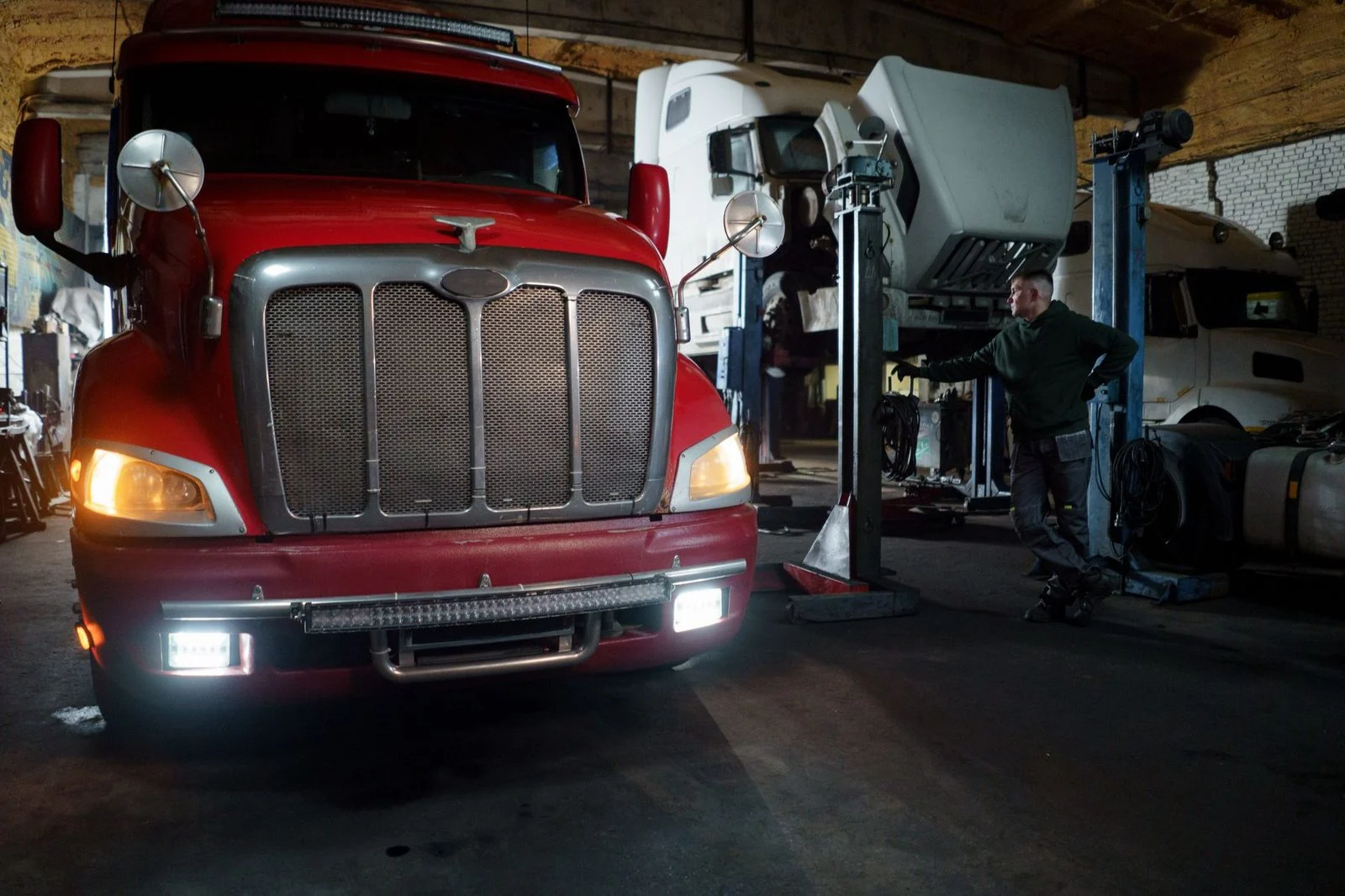
Talk with T. Madden & Associates about your truck crash
If a truck crash left you hurt, or took a family member, you may be weighing the federal record, the police report, and the carrier’s files. T. Madden & Associates, P.C. has practiced personal injury law in Georgia since 1999, with offices in Jonesboro, Atlanta, Decatur, Macon, and Augusta. The firm handles truck accident claims. You can start a free case evaluation with the firm.
The first consultation is free, confidential, and carries no obligation to continue. The firm works on a no-fee-unless-we-win basis, but you may still be responsible for court costs and case expenses.
Responsible lawyer: Terance Madden, T. Madden & Associates, P.C. Reach the firm through its contact page.
Quick answers
Is a DOT report the same as a police report?
No. The carrier keeps the federal register, and responding officers write the police report.
How long do I have to sue in Georgia?
Georgia generally allows two years to file a personal injury lawsuit (O.C.G.A. § 9-3-33).
How Our Team Can Help
Crash Records Review
Our team reviews the police report, the DOT-related information and other crash documentation to see what is available and what is missing.
Evidence Preservation
We discuss with you which records, photos and witness details should be requested early, before they are lost or changed.
Clear Explanations
We explain in plain language how each record is used, so you know what your options look like before you decide anything.
Fees Explained Upfront
We handle personal injury cases on a no-fee-unless-there-is-a-recovery basis. You may still be responsible for court costs and case expenses, and we will explain those in writing.
Do Not Assume One Record Tells the Whole Story
A police report and a carrier's federal records are kept by different people and serve different purposes. Ask our team which records exist for your crash before you give any statement to an insurer.
Questions to Bring to Your Consultation
Which crash records exist?
Ask our team which police, carrier and inspection records may relate to your wreck and how to request them.
Who keeps each record?
Police agencies, motor carriers and federal agencies maintain different files, so we help you know where to look.
What should I preserve now?
Photos, medical records, witness contact details and repair estimates can matter. Our team will tell you what to keep.
How do fees work?
Your first consultation is free and confidential. We will explain fees and case costs before you decide whether to move forward.