

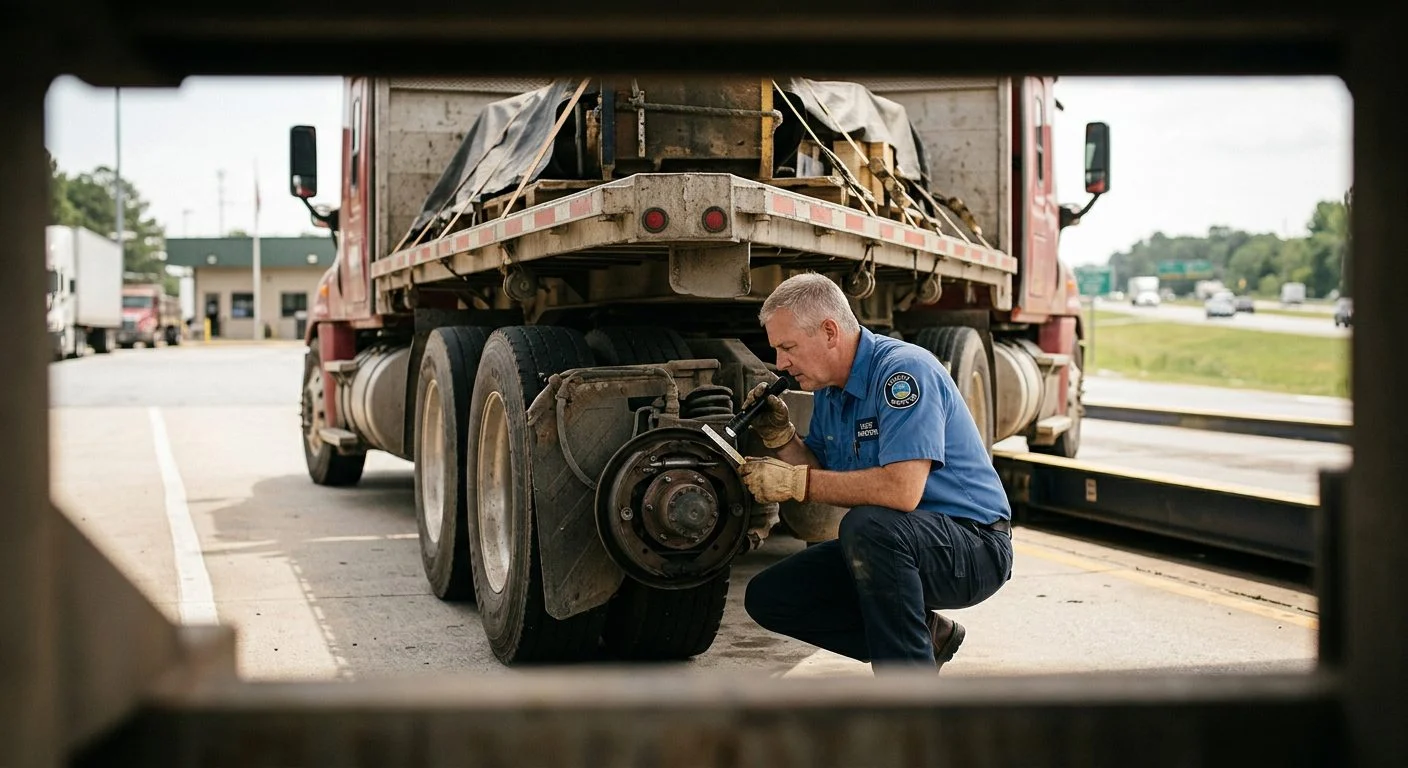
Flatbed Truck Accidents | Georgia
Injured in a Flatbed Truck Crash? Talk to a Georgia Truck Accident Lawyer
T. Madden & Associates, P.C. has represented people hurt in Georgia wrecks since 1999. Our Jonesboro, Atlanta, Decatur, Macon and Augusta offices are ready to review your flatbed truck crash.
Why Georgia Families Call Us
Since 1999
Serving injured Georgians
5
Georgia offices
24/7
Phone availability
Free
First consultation
By Terance Madden · Published October 22, 2026
A flatbed truck accident happens when cargo on an open trailer shifts, slides, or falls and hurts people on or near the road. Federal rules require cargo on a commercial truck to be secured so it can’t fall or shift. When it isn’t, the companies and people who loaded or hauled the cargo may share fault. This page explains how a flatbed truck accident lawyer in Georgia looks at these cases. It is written for injured people and for family members acting for someone who was hurt or killed.
What a Flatbed Truck Accident Involves and Who It Affects
A flatbed truck accident is a crash involving a truck with an open, flat deck. Flatbeds haul steel, lumber, pipe, machinery, and building materials. Because the load sits in the open and is held by straps and chains, a load problem can turn into a crash quickly.
People hurt in these crashes include other drivers, motorcyclists, e-bike riders, passengers, and pedestrians near the roadway. Falling cargo can strike a car or land in a lane ahead of traffic.
If you’re reading this for an injured spouse, parent, or adult child, you may be facing decisions you didn’t plan for. You don’t need every answer yet. For the broader picture of Georgia truck cases, read our Georgia truck accident guide.
If a flatbed load hurt you or someone you love, you may have a claim, and you don't have to sort it out alone. Call us any hour to talk it through. Talk it through with our team — the first consultation is free, confidential, and carries no obligation.
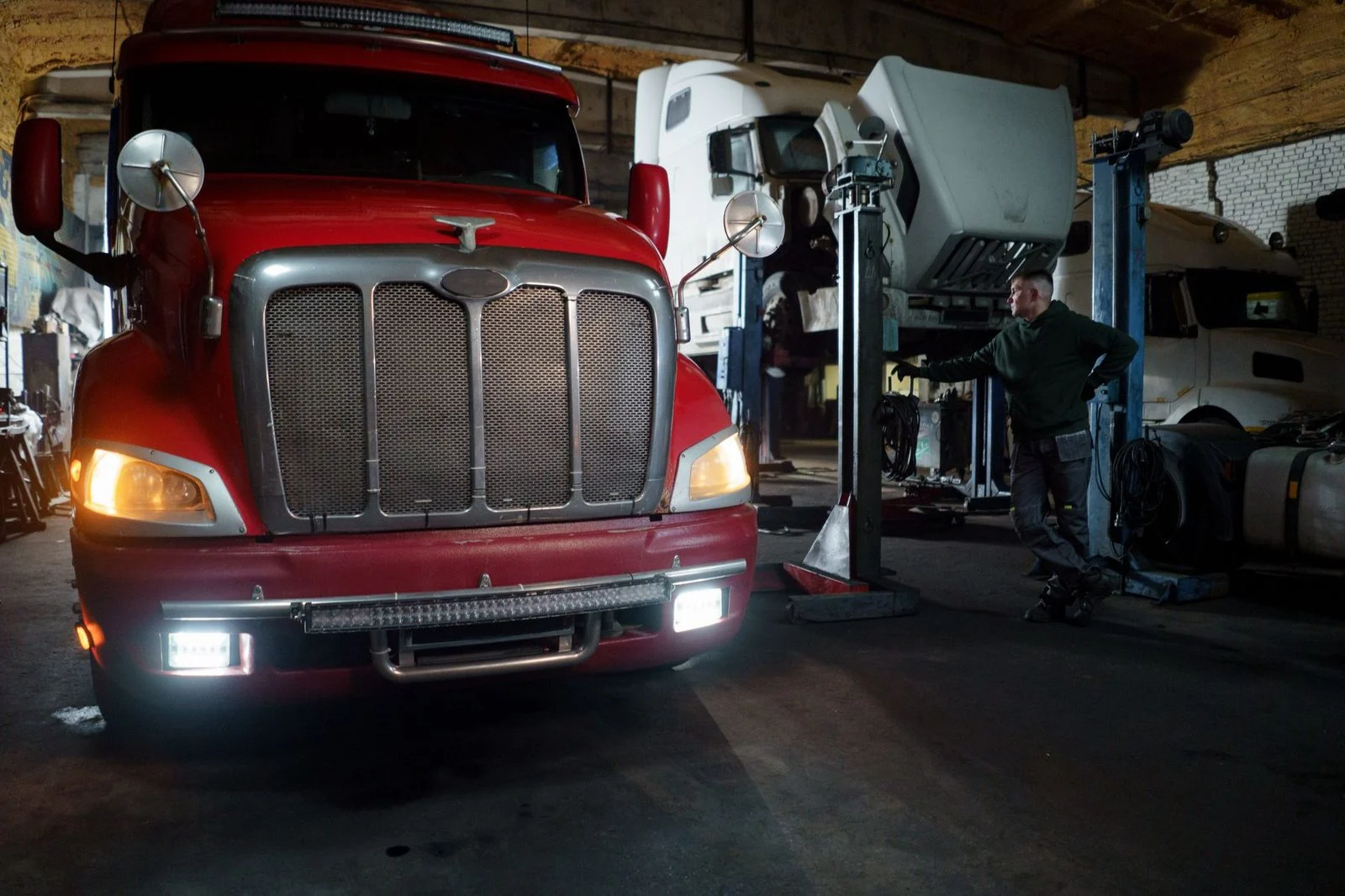
Load Securement Rules and How They Connect to a Crash Claim
Federal rules say cargo on a commercial truck must be secured so it can’t leak, spill, blow, or fall off on public roads, under 49 CFR 393.100. The load must also be secured so it doesn’t shift enough to hurt the truck’s stability or maneuverability. The rules name tools such as tiedowns, chocks, and blocking. They also set strength and count requirements for tiedowns, found in 49 CFR 393.106 and 49 CFR 393.110.
Two rules show what a violation looks like:
- Cargo must be firmly immobilized or secured on or within a vehicle by structures of adequate strength, dunnage or dunnage bags, shoring bars, tiedowns or a combination of these.
A securement violation is evidence, but it doesn’t win a claim alone. The violation has to connect to how the crash happened. A weak strap that let a load fall onto a roadway is a clear link. Useful evidence includes bills of lading, loading records, photos of tiedowns, inspection reports, the crash report, and driver logs. Under 49 CFR 395.8, a motor carrier must keep driver duty-status records for at least six months from receipt. That is why early preservation letters matter. Our guide on driver logs after a crash covers that side of the evidence.
Common Causes and Injuries in Flatbed Truck Crashes
The most common cause is cargo that moves, falls, or shifts while the truck is on the road. Common problems include:
- Chains or straps that are missing, worn, or too loose
- Loads that were not blocked or braced against forward movement
- Uneven or overloaded loads that make the truck more likely to tip over
- Loads that break loose when a driver brakes hard or changes lanes
Wind, road grades, and sharp turns add stress to a load. A load that stayed put on a straight road may move on a downhill curve.
Injuries often include spinal cord and brain injuries, crush injuries, fractures, amputations, and burns from fuel fires. Some of these injuries take months or years to document. Serious injuries like these may fall within our catastrophic injury practice area.
Who May Be Responsible After a Flatbed Crash
More than one party can share responsibility after a flatbed crash. The driver may be at fault for speed, braking, or failing to check the load. The motor carrier, the company that operates the truck, may be responsible for hiring, training, equipment, and dispatch decisions.
Under O.C.G.A. § 51-2-2, a person is liable for torts committed by a servant in the prosecution and within the scope of the person’s business. Under O.C.G.A. § 51-2-2, every person is liable for torts committed by his wife, his child, or his servant; that section does not address whether a shipper or loading contractor is responsible for loading or securing cargo.
Georgia assigns fault among everyone who contributed to the injury. Under O.C.G.A. § 51-12-33, the fact-finder considers the fault of all who contributed, even those who were not named in the suit, but a nonparty’s fault is considered only if the plaintiff settled with that nonparty or a defending party gave notice at least 120 days before trial that the nonparty was wholly or partially at fault. Each liable party’s share is its own, not joint. A crash report alone rarely settles who is responsible.
Georgia law also limits when a motor carrier’s insurer can be joined in the same suit. Under O.C.G.A. § 40-1-112, joinder is allowed only in specific situations, such as insolvency or failed service after reasonable diligence.
Damages Available in a Georgia Flatbed Truck Claim
A Georgia flatbed claim can seek both economic and non-economic losses. Under O.C.G.A. § 51-12-2, general damages are those the law presumes to flow from a wrongful act. They can be recovered without proof of a specific amount. Special damages actually flow from the act and must be proved.
Bills, pay records, and medical records prove most economic losses, such as medical costs and lost wages. Pain and suffering is supported by medical records and testimony about daily life.
Medical bills and other necessary expenses are the kind of losses that must be proved, usually with bills and records, before they can be recovered.
Questions about who paid accident-related bills are worth raising with your lawyer. The Medicare recovery process explains how repayment works. The value of any claim turns on its facts and proof.
What to Expect: Step-by-Step Flatbed Claim Process
A flatbed claim usually moves through five stages, and the timing depends on the facts.
- First contact. You call us, and we talk through what happened and who was hurt.
- Preservation. We send letters asking the motor carrier and insurers to keep the truck, trailer, load records, and electronic logs. Damaged equipment may be repaired or discarded, so speed matters.
- Investigation. We gather the crash report, securement inspection records, driver qualification files, and any photos or video from the scene.
- Medical documentation. Treating providers document your injuries, and we build the damages record.
- Demand and negotiation. We present the claim to insurers. If a fair resolution isn’t reached, we file suit.
A truck accident lawyer’s day-to-day work includes gathering evidence, talking with insurers, tracking deadlines, and preparing for court if needed.
Not sure what your next step is?
Talk it through with our team — the first consultation is free, confidential, and carries no obligation.
Why Work With T. Madden & Associates, P.C.
T. Madden & Associates, P.C. has been in practice in Georgia since 1999. Terance Madden is the responsible lawyer for this page. The firm’s lawyers include Terance Madden and Shenia Madden. Our lawyers and support staff handle intake, records requests, and client updates.
The firm has offices in Jonesboro (Clayton County), Atlanta, Decatur, Macon, and Augusta. We serve clients across Georgia from those offices.
Our first consultation is free, confidential, and carries no obligation to continue. We work on a no-fee-unless-we-win basis, but you may still be responsible for court costs and case expenses.

Questions People Ask About Flatbed Truck Crash Claims
How long after a crash can you sue in Georgia?
Georgia generally gives two years to sue for injuries to the person, under O.C.G.A. § 9-3-33. Some claims follow different deadlines, so act early.
What does a truck accident lawyer do?
A truck accident lawyer investigates the crash, requests and preserves evidence, and communicates with insurers. If a fair resolution isn’t reached, the lawyer prepares and files a lawsuit.
What should you avoid saying after a crash?
Stick to facts and don’t guess about fault. Talk with a lawyer before giving a recorded statement, and limit social media posts about the crash.
Can you still recover if you were partly at fault?
Georgia reduces your damages by your share of fault, and under O.C.G.A. § 51-12-33, you cannot recover if you are 50 percent or more responsible.
If a flatbed load hurt you or someone you love, you may have a claim, and you don’t have to sort it out alone. Call us any hour, or start a free case evaluation.
Common Flatbed Crash Situations
Cargo Shifts or Falls
Loads that are not properly secured can shift, roll or fall onto nearby vehicles and roadways.
Rollovers and Jackknifes
Flatbed trucks with high or uneven loads can tip or fold when turning, braking or changing lanes.
Securement Problems
Chains, straps and tie-downs that are missing, worn or improperly used can become part of a serious crash.
Driver Fatigue and Schedules
Long hauls and tight delivery deadlines can lead to exhausted drivers and unsafe decisions behind the wheel.
How We Work With You
Free, Confidential Consultation
Your first consultation is free, confidential and without obligation to continue.
No Fee Unless There Is a Recovery
Our fee is contingent on a recovery. You may still be responsible for court costs and case expenses, and we will explain them before you decide.
Available 24/7
Call any time, day or night, to speak with our team about your crash and your next steps.
Offices Across Georgia
Meet with us in Jonesboro, Atlanta, Decatur, Macon or Augusta, depending on what works best for you.
Lawyers Who Know Georgia Roads
Terance Madden and Shenia Madden, along with our support staff, focus on helping injured people across Georgia.
Before You Speak With the Trucking Company
Trucking companies and their insurers often contact injured people quickly. Consider speaking with a lawyer before giving a recorded statement or signing any release.