

Truck Accidents | Georgia
Who Pays for Car Repair After a Truck Crash in Georgia?
Vehicle damage is often one of the first bills after a wreck with a commercial truck. Here is how repair costs are commonly handled, and how our team can help you sort out your options.
T. Madden & Associates, P.C.
1999
Year the firm began practice
5
Georgia offices: Jonesboro, Atlanta, Decatur, Macon and Augusta
Free
First consultation, confidential and with no obligation to continue
By Terance Madden · Published October 22, 2026
Who pays for car repair after a truck crash in Georgia? Usually, two sources matter first: your own collision coverage, and the liability insurance of the at-fault driver or trucking company. Which one you use first affects timing, rentals, and paperwork. This guide explains both routes in plain words. T. Madden & Associates, P.C. has practiced personal injury law in Georgia since 1999.
Who Usually Pays First After a Truck Crash in Georgia
Your own collision coverage can pay for your car’s repair, and the at-fault party’s liability insurer handles a property damage claim.
Collision coverage is part of your own auto policy. It generally pays to fix your car, minus your deductible, no matter who caused the crash. A property damage claim works the other way. You make it against the at-fault party’s liability insurance, which pays for damage that party caused.
Each route runs on its own timeline. Your own policy may start repairs and a rental sooner, depending on your coverage. A claim against the truck’s insurer can reach costs your policy may not, such as your deductible. Know both routes before you decide.
Truck insurers may contact you quickly. Before you give a recorded statement or sign a release, understand what you are agreeing to.
For the wider picture, read our truck accident lawyer guide for Georgia.
If a truck crash left your car damaged and you're unsure which insurer to call first, we're glad to talk it through with you. Talk it through with our team — the first consultation is free, confidential, and carries no obligation.
How Georgia Fault Rules Affect Vehicle Damage Claims
Georgia reduces your recovery by your share of fault, and it bars recovery if you are 50 percent or more responsible (O.C.G.A. § 51-12-33; Quynn v. Hulsey, 310 Ga. 473 (2020)).
Under O.C.G.A. § 51-12-33, when the plaintiff is to some degree responsible for the injury or damages claimed, the judge reduces the damages awarded in proportion to the plaintiff’s percentage of fault, and the plaintiff may not receive any damages if the plaintiff is 50 percent or more responsible. Under that statute, if the person suing is partly responsible, the judge reduces the award in proportion to that person’s percentage of fault.
Subsection (g) sets the bar. A plaintiff who is 50 percent or more responsible for the injury or damages claimed is not entitled to receive any damages (O.C.G.A. § 51-12-33; Quynn v. Hulsey, 310 Ga. 473 (2020)). Under O.C.G.A. § 51-12-33, when an injured person is partly responsible, the judge reduces the damages awarded in proportion to that person’s percentage of fault, and a plaintiff who is 50 percent or more responsible is not entitled to receive any damages.
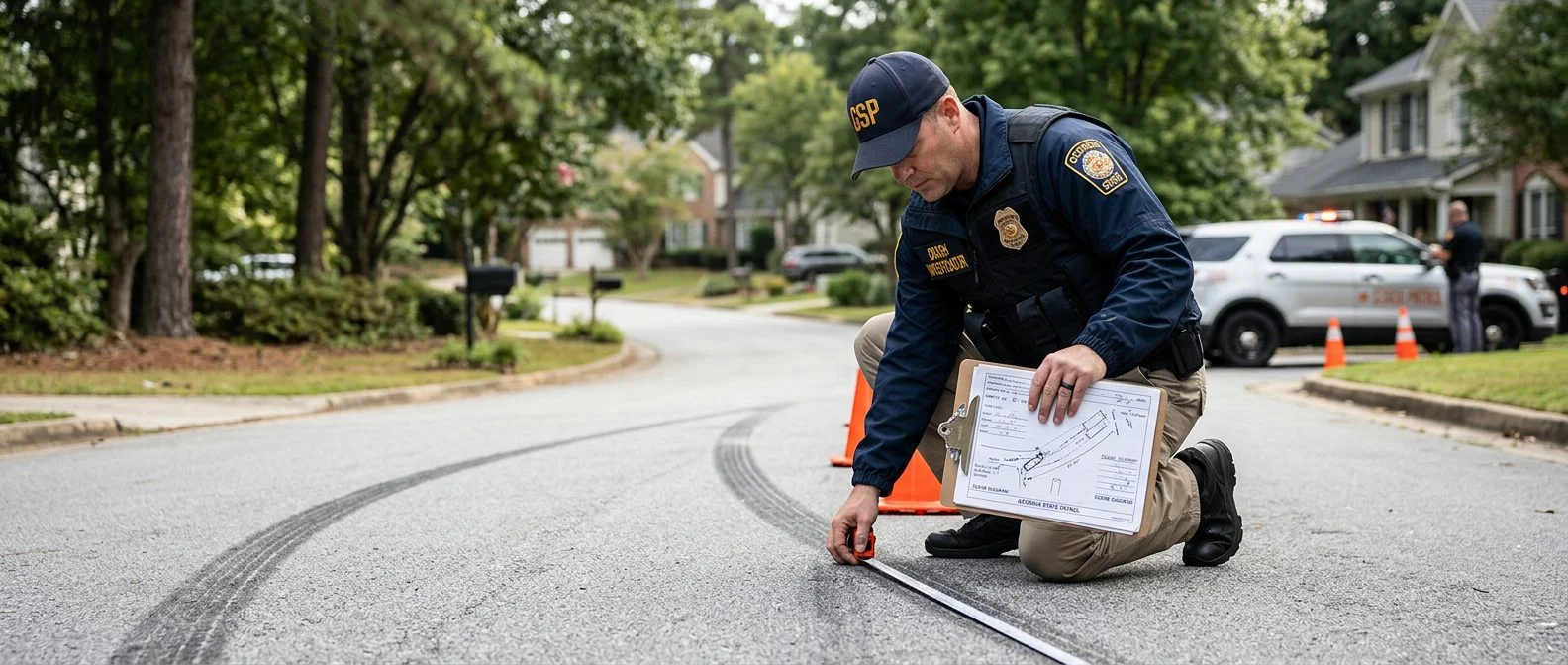
Fault is often the hard part. After a truck crash, the other side may argue you share the blame. Police reports, witness statements, photos, and vehicle damage patterns are common ways to document what happened.
The same statute says each liable party pays its own share, and those shares are not joint liability. It also counts the fault of everyone who contributed, even people never named in the suit.
Why Truck Crashes Involve More Insurers Than Car Crashes
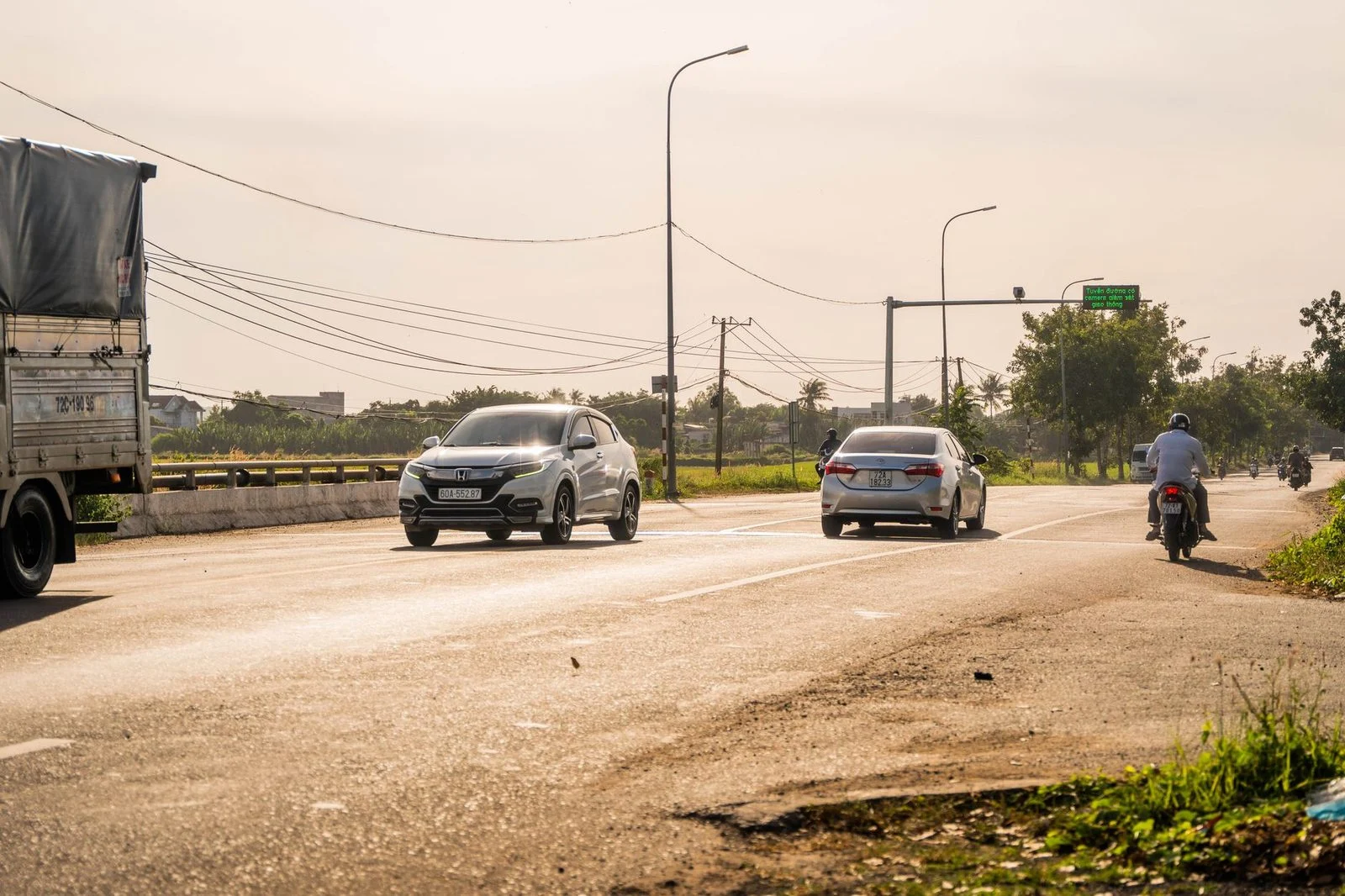
A commercial truck crash can involve several insurers, because the driver, the motor carrier, and the truck’s owner may be different companies.
Federal rules set minimum insurance for many trucks. Under 49 CFR § 387.9, a for-hire carrier in interstate or foreign commerce hauling nonhazardous property must carry at least $750,000 in public liability coverage, if its truck’s gross vehicle weight rating is 10,001 pounds or more. Under 49 CFR § 387.7, a motor carrier cannot operate until those minimums are in effect.
Look for the USDOT number on the truck. Under 49 CFR § 390.21T, the number must appear with the letters “USDOT” in front of it. If another company’s name also appears, the operating carrier’s name must be followed by its legal name or single trade name and its USDOT number, and be preceded by the words “operated by.”
Georgia’s motor carrier insurance law limits when you can join the carrier’s insurer in the same lawsuit. Under O.C.G.A. § 40-1-112, joinder is allowed only in limited cases, such as when a carrier is insolvent or bankrupt. Filing an insurance claim is a separate step, and it doesn’t require a lawsuit.
Using Your Own Collision Coverage and Rental Coverage
You can file under your own collision coverage, and your insurer may later seek repayment from the at-fault party’s insurer.
That repayment step is called subrogation. Your deductible may be part of what your insurer recovers, so ask how your insurer handles it before you agree to anything.
Rental coverage varies by policy. Some policies include rental reimbursement, and some do not. A property damage claim against the at-fault party may also address a rental while your car is out of service.
Here is the trade-off. Your own policy is often simpler to start. A third-party claim can reach costs your policy may not pay, but it means dealing with the truck’s insurer, which can take longer.
Gather these items for either route:
- Your policy declarations page
- The repair estimate and shop invoices
- Photos of both vehicles, the scene, and the truck’s USDOT number
- The police report number
- The claim number from each insurer
Repairs and Total Loss Claims
Evidence and records fade with time, so acting early helps.
An insurer may repair your car or declare it a total loss. A total loss generally means repair costs are high compared with the car’s value before the crash. Ask how the insurer valued your car. You can send your own records, such as service history and listings for similar vehicles.
Keep every rental receipt, tow bill, and letter from both insurers. Those papers show what the crash cost you.
Quick Answers
Should I call my own insurer or the truck company first?
You can use your own collision coverage or file with the at-fault party’s insurer. The right first step depends on your policy and the facts of your crash.
Can I still recover if I was partly at fault?
Yes, if your share of fault is under 50 percent, your recovery is reduced by that share under O.C.G.A. § 51-12-33.
Talk With T. Madden & Associates About Your Truck Crash Claim
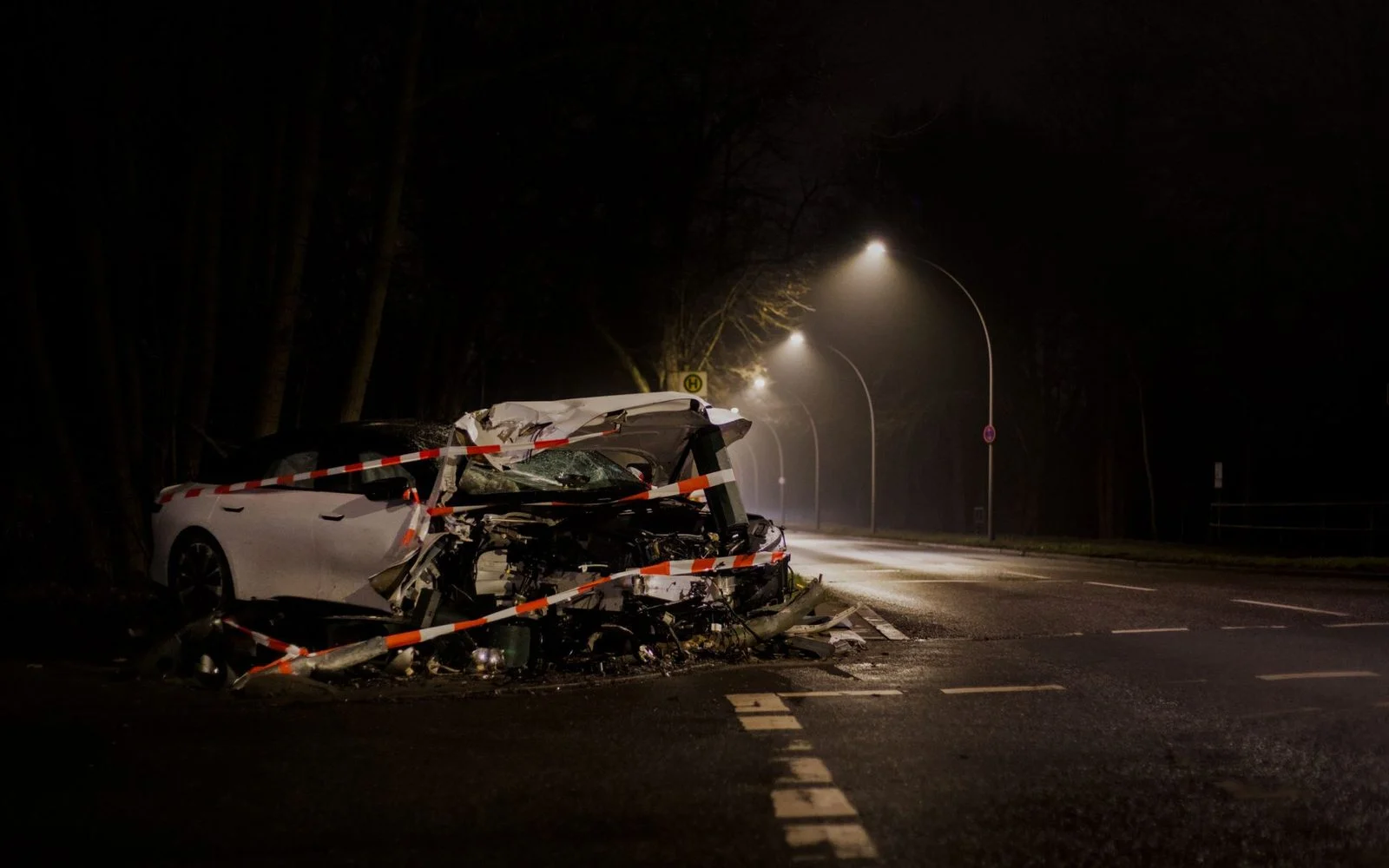
If a truck crash damaged your car, you may be choosing which insurer to call first while a rental clock runs.
Maybe the truck insurer has not accepted fault, or a total-loss offer is still under review. A short conversation can help you sort out the order of steps.
T. Madden & Associates, P.C. has offices in Jonesboro (Clayton County), Atlanta, Decatur, Macon, and Augusta. The firm handles car and truck accidents, motorcycle and e-bike crashes, slip and falls, medical malpractice, nursing home abuse, wrongful death, catastrophic injury, and negligent security cases.
The firm offers a free first consultation, which is confidential and carries no obligation to continue.
Readers in Clayton County can also review our Clayton County truck accident page.
If you want to talk through your own truck crash claim, reach out to start a free case evaluation.
This page is general information, not legal advice. Terance Madden is the responsible lawyer for this page. Contact T. Madden & Associates, P.C. at https://www.tmaddenlaw.com/contact/.
Common Ways Truck Crash Repairs Are Handled
Your own collision coverage
If you carry collision coverage, your own policy may be one way to repair your vehicle. Your policy terms and the facts of your crash will shape the process.
The at-fault party's insurer
Repair claims can also be presented to the insurance company for the party responsible for the crash. Insurers and trucking companies often handle these claims on their own timelines.
Loss-of-use and rental costs
Costs such as a rental vehicle while yours is being repaired may come up in the claim. Keep receipts and records of every expense you incur.
No fee unless there is a recovery
Our fees are contingent, meaning no fees unless there is a recovery. You may still be responsible for court costs and case expenses, and we will explain those before you decide.
Think Before You Sign
Before you agree to a repair release, accept a payment or sign any statement, ask questions. An early offer may not account for rental costs, diminished value or ongoing medical needs.
What to Gather After a Truck Crash
Photos and video
Capture the damage to your vehicle, the truck, the roadway and any visible injuries as soon as it is safe to do so.
Repair estimates
Keep written estimates and invoices from every shop you contact, including any notes about parts or delays.
Crash and insurance details
Save the police report number, the truck company's name, the driver's information and both insurance policy details.
Medical and expense records
Keep medical bills, prescriptions, rental receipts and a daily log of how the crash has affected your work and routine.