


Wrongful Death · Georgia
Who Pays in a Georgia Wrongful Death Lawsuit?
Losing someone to a preventable tragedy raises hard questions about money. Here is how the firm looks at where a recovery can come from.
Serving families since 1999
1999
In practice in Georgia since
24/7
Call the firm any time
Free
First consultation, confidential, no obligation
By Terance Madden · Published November 7, 2026
When someone you love dies because another party was negligent (failed to use reasonable care), one of the first questions is who pays. In most Georgia wrongful death cases, the at-fault party’s liability insurance is the first source of money. Georgia law then decides who receives what is recovered.
This guide walks through the payer, the policy limits, the recipients and the reductions, in that order.
What a wrongful death lawsuit is and who files it
A wrongful death lawsuit is a civil claim a family brings after a person dies because another party was negligent or acted wrongfully. It asks for money. It is not a criminal case.
Georgia law names who may bring the claim first. The surviving spouse may sue. If there is no surviving spouse, the child or children may sue. The statute lets them recover “the full value of the life of the decedent, as shown by the evidence.” (O.C.G.A. § 51-4-2)
If no one is entitled to sue under those sections, the executor or administrator may bring the claim. An executor is the person a will names to manage the estate, meaning everything the person owned at death. An administrator is the person a court appoints when there is no will. Either one holds any recovery for the next of kin. (O.C.G.A. § 51-4-5)
If someone you love died in a crash caused by another party, you don't have to sort out the insurance and the estate alone. Our team can talk it through with you in a free, confidential first consultation. Talk it through with our team — the first consultation is free, confidential, and carries no obligation.

The at-fault party’s liability insurance usually pays first
Most wrongful death money comes from the at-fault party’s liability insurance, not from that person’s own savings. Liability insurance is a policy that pays claims against the policyholder for harm the policyholder causes to others.
The payer changes with the type of case. An at-fault driver’s auto policy often pays after a fatal car or motorcycle crash. A trucking company’s policy may pay after a fatal truck crash. A facility’s policy may pay after a death in a nursing home.
The defendant’s insurer often hires defense lawyers and handles settlement talks. An insurer’s first offer is rarely what a claim is worth. A family does not have to accept it.
An employer may also face claims for its own conduct. The Georgia Supreme Court held that an employer’s admission that it answers for its driver does not end claims for its own negligence, such as negligent hiring. (Quynn v. Hulsey)
Policy limits set the ceiling, and other coverage may apply
A policy limit is the most an insurer must pay under its policy. A claim can be worth more than that limit. The limit caps what that policy pays, not what the case is worth.
If the at-fault party has little or no coverage, the defendant’s personal assets may be pursued. What a family can collect depends on what assets the defendant actually owns.
A family’s own auto policy may also help. Georgia law sets up uninsured motorist coverage, which pays when the at-fault driver has no insurance. The statute also covers cases where the other driver’s insurer has legally denied coverage. (O.C.G.A. § 33-7-11) Check the family’s own policy for its limits and terms.
Medical malpractice cases have a different ceiling. In a medical malpractice wrongful death case against health care providers, noneconomic damages (losses like pain and loss of companionship) cannot exceed $350,000 in total. Medical bills and funeral costs are not part of that cap. (O.C.G.A. § 51-13-1)
Who receives the money under Georgia law
Under Georgia law, the wrongful death recovery is divided equally among the surviving spouse and the children per capita, with the surviving spouse receiving no less than one-third of it. If there is no surviving spouse, the child or children receive it. When a surviving spouse is involved, the children share the recovery with the spouse, who receives no less than one-third of it. The statute sets their shares.
If there is a surviving spouse, the recovery is divided equally among the spouse and the children, per capita (one equal share per person). The spouse must receive no less than one-third of the recovery. If there is no surviving spouse, the children divide the recovery equally, per capita. (O.C.G.A. § 51-4-2)
The recovery is not subject to the decedent’s debts or the estate’s liabilities. (O.C.G.A. § 51-4-2)
Funeral, medical and other necessary expenses are a separate item. When death results from a crime or from criminal or other negligence, the personal representative may recover those costs. (O.C.G.A. § 51-4-5)
How shared fault can reduce what is paid
Shared fault means the person who died is found partly responsible for the death. Georgia law then reduces the recovery in proportion to that person’s share of fault. (O.C.G.A. § 51-12-33)
The bar is 50 percent. If the plaintiff is 50 percent or more responsible for the harm, the plaintiff receives no damages. (O.C.G.A. § 51-12-33)
Each defendant then pays only its own assigned share. The statute says these shares are not joint liability and are not subject to contribution. In plain terms, one defendant does not pay another’s share.
Evidence usually decides these percentages. Crash reconstruction (a study of how a crash happened, using physical evidence) matters. Medical records and witness accounts matter too. The other side often raises shared fault early, so families should expect it.
Settlement payouts and what the fee arrangement covers
A recovery can be paid in one lump sum. In a medical malpractice case, a party may ask the court to pay future damages of $350,000 or more in periodic payments, funded through an annuity. (O.C.G.A. § 51-13-1)
A lump sum gives the family control of the money right away. In a medical malpractice case where an award of future damages is $350,000 or more, the court must order periodic payments, funded through an annuity, upon a party’s request, and periodic payments spread the award out over time. Each option has trade-offs, and the family should weigh them with care.
T. Madden & Associates, P.C. The client may still be responsible for court costs and case expenses.
Not sure what your next step is?
Talk it through with our team — the first consultation is free, confidential, and carries no obligation.
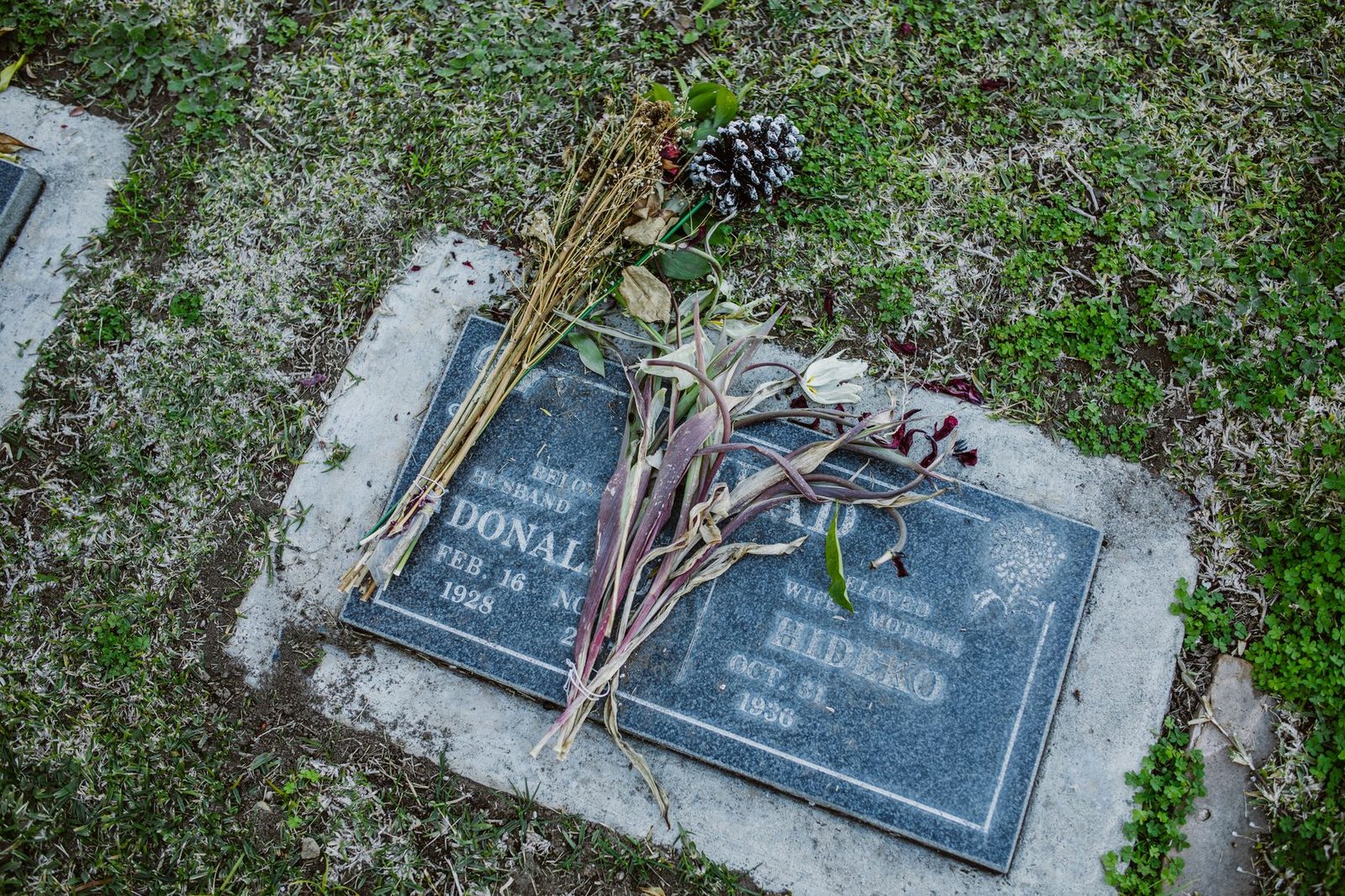
Where a family can start when a loved one has died
If you are reading this, you are likely handling a death you did not choose. You are also trying to learn who pays and who receives money.
Three decisions come first. Under O.C.G.A. § 51-4-2 (Manfred Keais, As Next of Kin and As Administrator of the Estate of Eric Keais v. Othel D. Kelley, Iii (2026)), the surviving spouse brings the wrongful death claim or, if there is no surviving spouse, the child or children (minor or adult) bring it. O.C.G.A. § 51-4-2 reads: “If an action for wrongful death is brought by a surviving spouse under subsection (a) of this Code section and the surviving spouse dies pending the action, the action shall survive to the child or children of the decedent.” A personal representative or administrator sues only when no one is entitled under § 51-4-2 or § 51-4-4, and separately for funeral, medical and other necessary expenses under § 51-4-5(b). The family should list every policy that may apply, including the at-fault party’s liability coverage, the family’s own uninsured motorist coverage, and any employer’s policy. Keep the crash report, medical records, bills and funeral receipts together.
Who pays in a wrongful death lawsuit?
Usually the at-fault party’s liability insurer pays first. If that coverage runs short, the defendant’s own assets may be pursued.
Who receives the money?
Under Georgia law, a surviving spouse and the children share the recovery. The spouse receives at least one-third when there is a surviving spouse.
Does shared fault reduce the recovery?
Yes. A percentage of fault reduces the award, and 50 percent or more bars recovery (O.C.G.A. § 51-12-33; Quynn v. Hulsey (2020)).
Is there a cap on damages?
In medical malpractice wrongful death cases, noneconomic damages are capped at $350,000 against one or more health care providers or against a single medical facility, and at $350,000 from any single medical facility and $700,000 from all medical facilities when the claim is against more than one medical facility.
T. Madden & Associates, P.C., with offices in Jonesboro, Atlanta, Decatur, Macon and Augusta, offers a free, confidential first consultation with no obligation to continue. Start a free case evaluation.
Related practice areas
- Wrongful Death Lawyer in Georgia
- Wrongful Death Lawyer After a Fatal Pedestrian Crash in Clayton County
- Wrongful Death Claim After a Fatal Car Crash Caused by a Commercial Driver in Georgia
- Wrongful Death Insurance Policy Limits Georgia: A Guide