

Car Crash Lawyer | Georgia
Hurt by a distracted driver? Talk to a Georgia car crash lawyer.
T. Madden & Associates, P.C. helps people hurt in crashes caused by phone use and other distractions. Call us any time, day or night.
Why people call T. Madden & Associates
1999
Year the firm began practicing law
5
Georgia offices, including Jonesboro, Atlanta, Decatur, Macon and Augusta
Free
First consultation, confidential and with no obligation
By Terance Madden · Published November 6, 2026
If a distracted driver hit you in Georgia, your claim may still be worth pursuing, and the driver’s phone use can become key evidence. A distracted driver car accident lawyer in Georgia looks at how the driver’s attention left the road, what proof exists, and how Georgia’s fault rules apply to your injuries. This page explains those pieces in plain words so you can decide what to do next.
T. Madden & Associates, P.C. is a Georgia personal injury firm led by attorney Terance Madden. The firm has been in practice since 1999 and has offices in Jonesboro (Clayton County), Atlanta, Decatur, Macon and Augusta.
What a Distracted Driver Crash Claim Is and Who It Is For
A distracted driver crash claim is an injury claim against a driver whose attention was taken from the road. Common distractions include phone calls, texting, using a navigation app, eating, and reaching for items inside the car.
This page is written for:
- Drivers hurt when another driver drifted, braked late, or turned without seeing them.
- Passengers hurt in the same crash.
- Pedestrians and motorcyclists struck by a driver who was looking at a screen.
Distraction is one part of the crash story. Police, insurers, and courts also look at speed, traffic signals, weather, and what each driver could have done to avoid the collision. The crash facts decide how much weight distraction carries in your claim. A short phone call before a crash can matter as much as a long text thread, because the timing is what counts.
If the driver who hit you was looking at a phone, you may have a claim worth reviewing, and Terance Madden can help you understand your options. Talk it through with our team — the first consultation is free, confidential, and carries no obligation.
What a Claim Can Cover After a Distracted Driver Crash
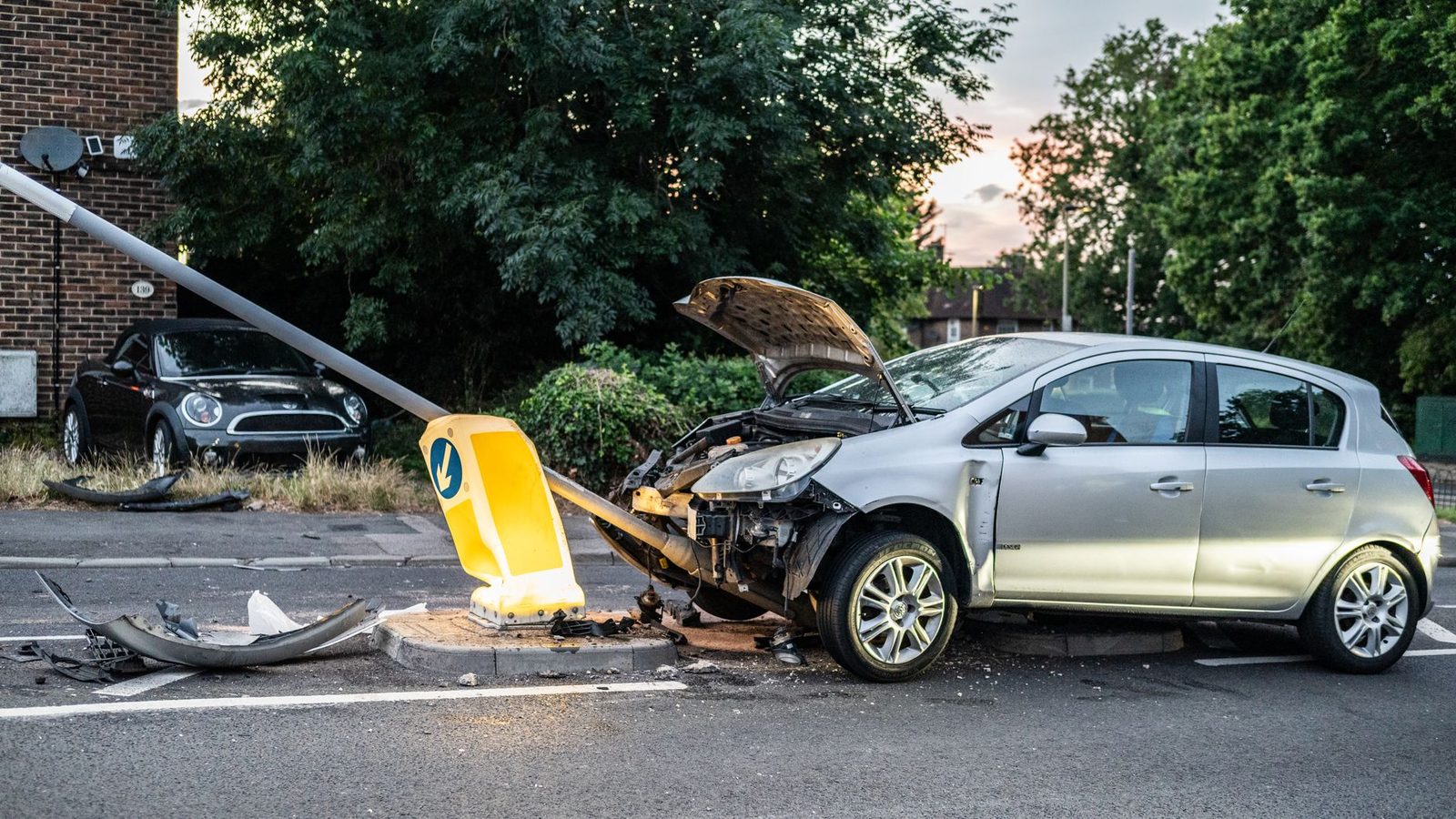
Every injury case is different, so the firm looks closely at the facts and losses in each one. Each category needs its own proof, so keep every bill, pay stub, and treatment note.
- Medical bills. Medical damages are limited to the reasonable value of medically necessary care, as O.C.G.A. § 51-12-1.1 explains.
- Health insurance payments. If you have any form of public or private health insurance, the evidence must include both the amounts charged for your medical and healthcare expenses and the amounts actually necessary to satisfy those charges under the insurance contract or program, regardless of whether the insurance has been used to pay them (O.C.G.A. § 51-12-1.1).
- Future care and lost earning capacity. These claims need medical and income records that show what you will need and what you may lose.
- Lost wages, property damage, and pain and suffering. Damaged property and the effect of the injury on daily life are also part of many claims.
The at-fault driver is the main target. When that driver has no insurance or not enough, your own policy may help. Under O.C.G.A. § 33-7-11, Georgia auto liability policies must contain uninsured motorist provisions.
When the driver was working at the time, the employer may also be responsible. That question turns on the facts of the trip, so it is worth raising early.
How Distraction Is Proven: Evidence That Matters
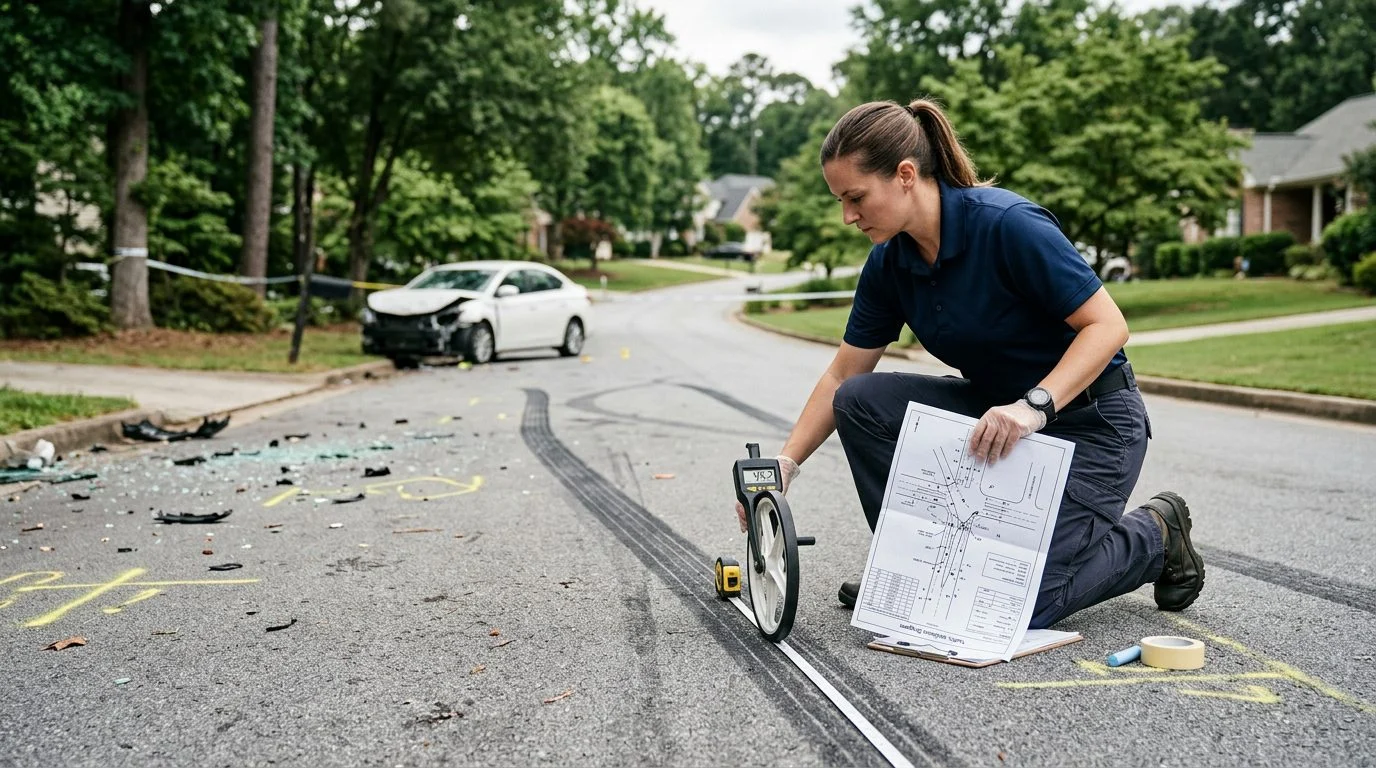
Distraction is proven with phone records, crash evidence, witness accounts, and vehicle data. The sooner these are requested, the less risk there is that they are lost.
- Phone records. Call, text, and data activity from the time of the crash can show whether the driver was using a phone. These records usually come through formal requests, and that process takes time.
- Preservation letters. A written demand to keep phone data, dashcam video, vehicle event data, and company records should go out early. Routine deletion can erase them.
- The crash report and any citation. Officers record the scene, the vehicles, and the statements they hear.
- Photos and witness statements. Photos taken at the scene and contact details for witnesses are often the first proof to disappear.
- Medical records. Records that link your injuries to the crash keep the distraction issue tied to what you’re claiming.
A common mistake is waiting weeks before asking for phone data. Another is posting about the crash online, where the other side can find it. Avoid giving a recorded statement to the other driver’s insurer before you talk with a lawyer about your claim.
How Georgia Fault Rules Affect a Distracted Driver Claim
Georgia lowers your damages by your share of fault, and it bars recovery when you are 50 percent or more responsible. Georgia’s fault-division statute, O.C.G.A. § 51-12-33, is the law that addresses how fault is divided when more than one person may be responsible for an injury.
- Reduced damages. Under Georgia law, the judge reduces the award in proportion to your percentage of fault (O.C.G.A. § 51-12-33).
- The 50 percent bar. A plaintiff who is 50 percent or more responsible cannot receive any damages.
- Each person pays its own share. Damages apportioned among liable persons are not joint liability and are not subject to contribution.
- Nonparty fault. A defendant may give notice, at least 120 days before trial, that a nonparty was at fault.
The other side may argue you also contributed to the crash. Evidence of the other driver’s phone use is central to answering that argument.
Time limits matter too. Under O.C.G.A. § 9-3-33, actions for injuries to the person must generally be brought within two years after the right of action accrues, except for actions involving loss of consortium, which must be brought within four years. Claims against the state need written notice within 12 months of the date the loss was discovered or should have been discovered under O.C.G.A. § 50-21-26. Claims against a city need a written demand presented to the governing authority within six months of the happening of the event, stating the time, place, and extent of the injury and the specific amount of monetary damages sought, under O.C.G.A. § 36-33-5. How these rules play out depends on the facts of each crash.
What to Expect: Step-by-Step Process and Timeline
A distracted driver claim usually moves through six steps. The timing changes with your injuries and the evidence.
- Free consultation. You describe the crash, your injuries, and any signs of phone use.
- Evidence gathering. Preservation letters go out, the crash report is requested, and photos, witness details, and vehicle data are collected.
- Medical care and records. Keep your appointments. Gaps in treatment give the other side a reason to question your injuries.
- Demand to the insurer. A demand package with records and bills goes to the insurer, followed by negotiation.
- Lawsuit, if needed. If the claim cannot be resolved, a lawsuit is filed before the time limit runs. Discovery then gets phone records and other evidence through formal requests.
- Resolution. The claim ends with a settlement or a verdict. Your fee and any case costs are handled at this stage under your written agreement.
How a Georgia Injury Claim Works
Terance Madden is the responsible lawyer at T. Madden & Associates, P.C., a Georgia personal injury firm in practice since 1999.
- Offices. Jonesboro (Clayton County), Atlanta, Decatur, Macon and Augusta. You can choose the office closest to you.
- Practice areas. The firm handles car and truck wrecks, motorcycle and e-bike crashes, slip and falls, medical malpractice, nursing home abuse, wrongful death, and negligent security cases.
- Support staff. Assistants and office staff handle records requests, preservation letters, and scheduling. Our team keeps you informed as each step moves forward.
The first consultation is free, confidential, and carries no obligation to continue.
Not sure what your next step is?
Talk it through with our team — the first consultation is free, confidential, and carries no obligation.
Common Questions About Distracted Driver Crashes in Georgia
Do I need a police report?
A crash report and any citation help document the crash. Photos, witness statements, and vehicle data can also support a claim.
What if the other driver denies using the phone?
Phone records and vehicle data can answer that question. A denial does not end the investigation.
Will my own insurance cover my injuries?
It may.
What if I was partly at fault?
Georgia reduces your damages by your share of fault. If you are 50 percent or more responsible for the injury or damages claimed, the law does not allow you to recover damages (O.C.G.A. § 51-12-33).
Do I have to go to court?
A lawsuit is filed only when the claim cannot be resolved another way. Many steps happen well before any courtroom date.

Documenting Your Injuries After a Crash
If the driver who hit you was looking at a phone, the proof of that is time-sensitive. Terance Madden can review what happened, which records may still exist, and what your options are. Start a free case evaluation or schedule a free consultation through our contact page. The office line is available 24/7.
Contact: contact page.
Related practice areas
- Car Accident Diminished Value Claim in Georgia
- Truck Black Box Data After a Georgia Crash