

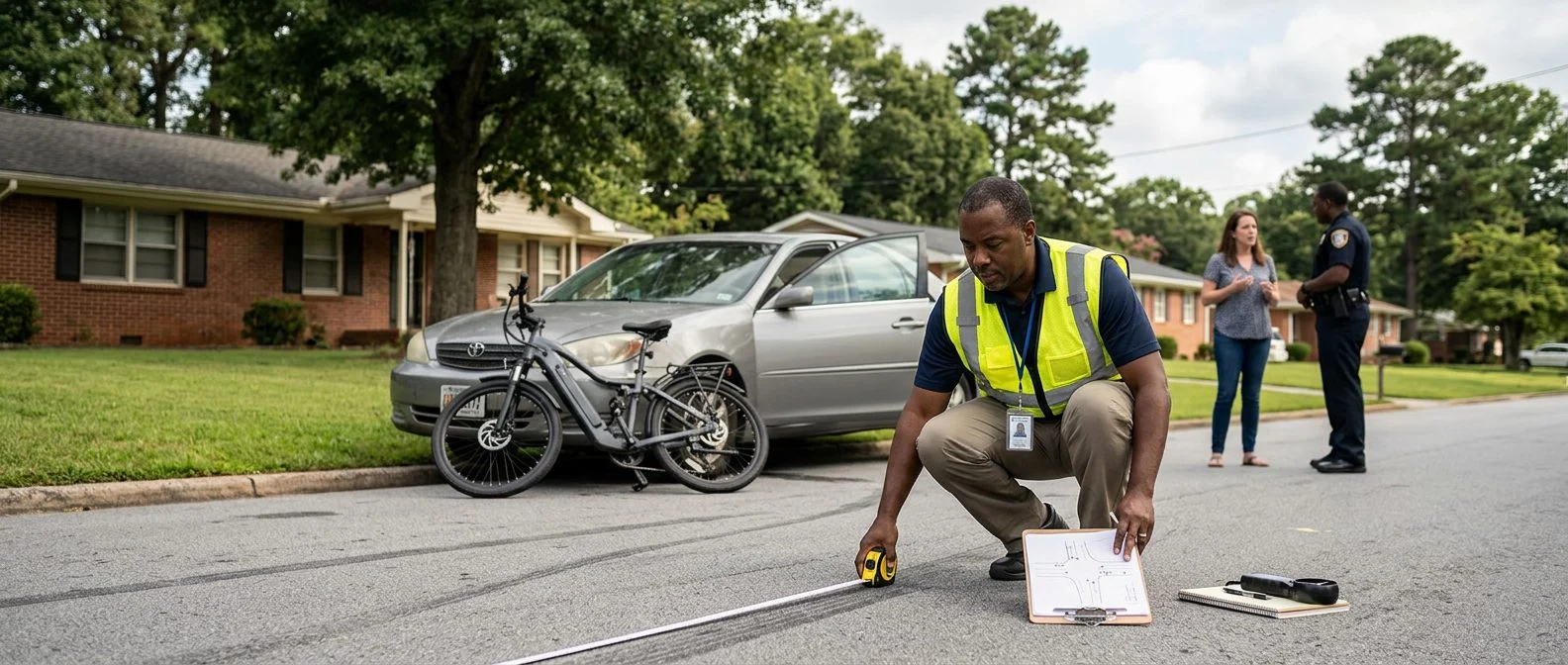
E-Bike Crashes | Georgia
Hit by a car door while riding your e-bike?
Your injuries and bills are real, and you should not have to sort out the fallout alone. Tell us what happened and we will tell you where you stand.
Serving riders across Georgia
1999
Year the firm began practice
5
Georgia offices: Jonesboro, Atlanta, Decatur, Macon, Augusta
24/7
Phone line available to call
By Terance Madden · Published November 11, 2026
If a car door hit your e-bike in Georgia, you may have a claim against the person who opened it. Doors opened into a rider’s path are one way a bicycle or motorcycle crash can happen. More than one insurance policy may also be part of the picture.
This page explains what a dooring crash is, who can be held responsible, what a claim can cover, and how Big Insurance responds. It is written for the rider and for the family member handling the bills, records and phone calls.
What Is a Dooring Crash, and Who Gets Hurt?
A dooring crash happens when a car door opens into a rider’s path and the rider hits it or is thrown into traffic.
Most of these crashes happen to riders passing a parked car. E-bike commuters and delivery riders are often hit at the moment they go by. The rider usually has no time to stop.
Speed makes it worse. An e-bike can carry a rider into an open door faster than most people expect. The impact can throw a rider over the handlebars or into the lane of moving cars.
Liability means legal responsibility for the harm someone causes. In a dooring case, the core question is whether the person who opened the door failed to use ordinary care. Georgia law says ordinary diligence is the care an ordinarily prudent person takes under similar circumstances, and the absence of it is ordinary negligence O.C.G.A. § 51-1-2.
A dooring crash is a preventable crash. A door should not open into a bike’s path. The injured rider should not carry the blame for someone else’s careless door.
If a car door opened into your path, your e-bike is damaged, and bills are piling up, you may have a claim, and our team can help you sort it out. Talk it through with our team — the first consultation is free, confidential, and carries no obligation.
Who Can Be Held Responsible in Georgia?
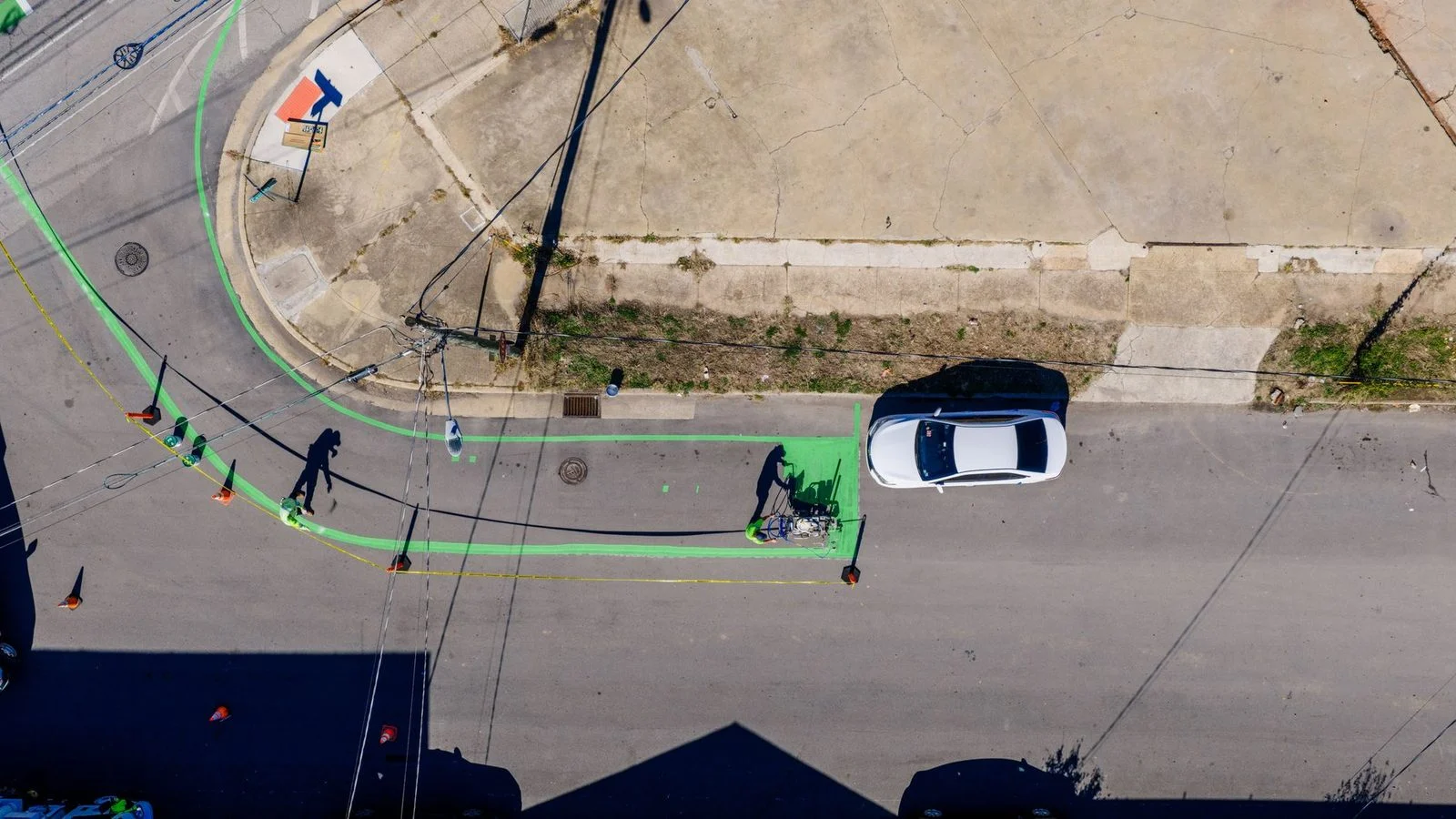
The person who opened the door is the first party to look at. Others may share responsibility too.
If the car was being used for work, the employer may be involved. Georgia law makes a person liable for torts committed by a servant in the prosecution and within the scope of the business O.C.G.A. § 51-2-2. The Supreme Court of Georgia has also held that an employer that admits it answers for its driver can still face claims for its own negligent entrustment, hiring, training and supervision Quynn v. Hulsey.
Georgia also uses comparative fault, which means each side’s share of the blame. A judge reduces the award by the injured person’s share. An injured plaintiff who is 50 percent or more responsible for the injury or damages claimed may not receive any damages O.C.G.A. § 51-12-33.
How Georgia classifies an e-bike can change which rules and insurance apply. That classification gets reviewed early in every claim.
What Can a Dooring Claim Cover?
A dooring claim can cover medical bills, lost pay, the e-bike and gear, and pain and suffering.
General damages are those the law presumes flow from a wrong, and they need no proof of an amount. Special damages actually flow from the wrong, and they must be proved O.C.G.A. § 51-12-2.
Common items include:
- Emergency care, surgery, imaging, physical therapy and future treatment
- Lost wages and lost ability to earn
- Repair or replacement of the e-bike, helmet and gear
- Mileage, out-of-pocket costs and paid help at home during recovery
- Pain, suffering and loss of enjoyment of life
Necessary expenses from an injury count in the estimate of damages O.C.G.A. § 51-12-7. Medical expenses are limited to the reasonable value of medically necessary care O.C.G.A. § 51-12-1.1, so the bills and records need careful handling.
For serious injuries, such as fractures, head injuries, spinal injuries or amputation, the claim may include lifetime damages. Future medical needs are recoverable only at the reasonable value of medically necessary care, treatment, or services, and either side may challenge the reasonableness of projected future expenses or the medical necessity of any treatment.
How Big Insurance Handles These Claims
Big Insurance is not on the rider’s side. Its first offer is rarely what a dooring claim is worth.
Expect these tactics:
- An early, low offer made before treatment is finished
- A recorded statement taken with no lawyer present
- Delays in paying or in answering questions
- Disputes over whether treatment was needed
- “Low impact” or “you should have seen the door” arguments
Each tactic aims to close the claim cheaply. The response is to pursue every layer of coverage:
- The at-fault person’s liability policy
- Your own uninsured or underinsured motorist coverage (UM/UIM, which can pay when the at-fault driver has no insurance or too little)
- Any umbrella or excess policy
- Corporate or employer coverage when the car was on the job
A bankruptcy filing by an uninsured motorist cannot be pleaded by your uninsured motorist insurer in bar of your claim O.C.G.A. § 33-7-11. Georgia also sets written rules for settlement offers prepared by or with the assistance of an attorney on behalf of a claimant in motor vehicle claims, before the defendant files an answer (or, if there are multiple named defendants, before all named defendants have filed their initial answers or been found to be in default), including a payment date at least 40 days after receipt O.C.G.A. § 9-11-67.1.
When the other side argues partial fault, the answer is evidence. The firm checks the rider’s speed, position and lane use against the facts. It builds the claim for the full cost of the injury and prepares it as if it will go to trial.
How the Process Works, Step by Step
The process moves through six steps, from the first call to a demand or a lawsuit.
- Free first consultation. It is confidential, with no obligation to continue.
- Save evidence early. Keep photos of the scene, the car and the bike. Write down witness names and the police report number. Keep the helmet and gear.
- Gather records. Medical records and bills go into one file, and treatment needs get tracked over time.
- Investigate the crash. Review the vehicle’s position, the door angle, the rider’s path and speed, and any data from the car or the e-bike.
- Send a demand letter. A demand letter is a written claim that states the injuries and the amount asked. It goes out once the injury picture is clear enough to value.
- Negotiate, then file suit if needed. If a fair resolution is not offered, the firm files suit.
Timelines vary with the injuries and how the insurers respond. The firm keeps the client informed at each step.
How the Firm Handles These Claims
T. Madden & Associates, P.C. has been in practice since 1999. The firm has offices in Jonesboro, Atlanta, Decatur, Macon and Augusta.
Terance Madden, the firm’s responsible lawyer, leads T. Madden & Associates, P.C., which has been in practice since 1999. He trained as an electrical engineer, and he reviews the technical evidence in the cases he handles. In a dooring case, that means studying the door angle, the rider’s path, the speed, the photos and any vehicle or e-bike data.
The firm works on a no-fee-unless-we-win basis, though you may still be responsible for court costs and case expenses. The firm promises plain English, no black holes in communication, dignity and respect, and pursuit of every insurance layer. The Terance Madden Foundation also supports community work.
Not sure what your next step is?
Talk it through with our team — the first consultation is free, confidential, and carries no obligation.
Dooring Crash Questions, Answered
Can I still recover if I was partly at fault?
Possibly. Georgia reduces your damages by your share of fault. A rider who is 50 percent or more responsible may recover nothing O.C.G.A. § 51-12-33.
What if the driver has no insurance?
How long do I have to file?
Georgia’s general rule gives two years to bring an injury claim, counted from when the right of action accrues, or begins O.C.G.A. § 9-3-33.
Should I give the adjuster a recorded statement?
Talk to a lawyer first. A recorded statement can lock in words that get used later in the fight over fault.
What should I do right after the crash?
Get medical care first. Then save photos, witness names and every bill and record.
If a car door opened into your path, your e-bike is damaged, and bills and missed work are piling up, you don’t have to sort it out alone.