

E-Bike Crash Injuries | Georgia
Slow Doesn't Mean Safe: The Physics Behind E-Bike Injuries
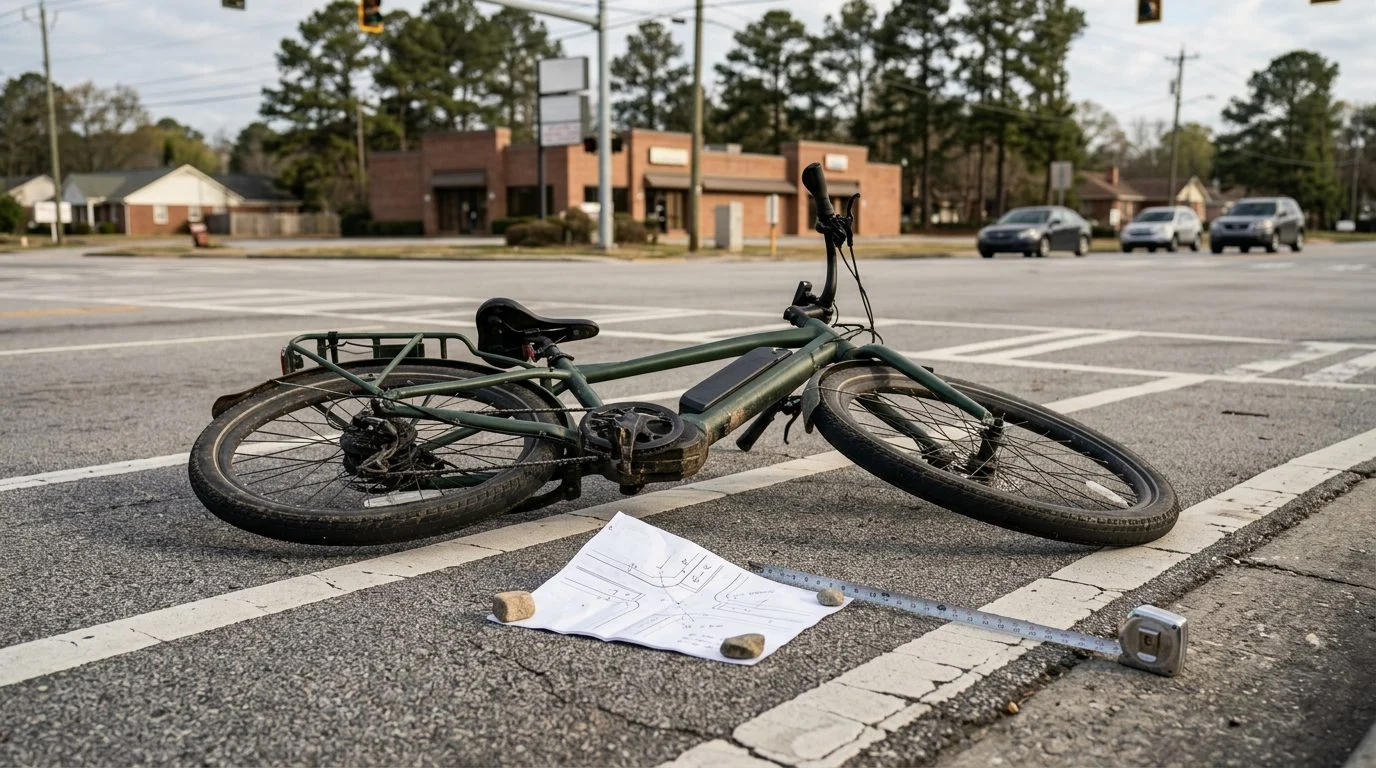
A rider has no frame or airbags between them and the pavement, so even a modest impact can do serious harm.
Why Riders Call T. Madden & Associates, P.C.
1999
Year the firm began practicing law
5
Georgia offices: Jonesboro, Atlanta, Decatur, Macon and Augusta
Free
First consultation, confidential, with no obligation to continue
24/7
Call the firm any time
By Terance Madden · Published November 11, 2026
You were hit on your e-bike. The car was barely rolling, you got up feeling fine, and then the pain showed up. Here’s the short answer: a slow hit can break bones, because injury depends on how hard your body is forced to change speed, not on the car’s top speed. The injury physics of a low-speed e-bike crash comes down to that one question.
A Slow Crash Can Still Break a Bone. Here’s Why.
A slow crash can break a bone because a rider has no steel frame or airbags between the body and the road. A car occupant sits inside a cage built to absorb force. An e-bike rider sits on top of the bike, so the body takes the force directly.
Think about the moment of impact. The bike stops or swerves, but the rider’s body keeps moving. Then something stops the body: a car door, a fender, or the pavement. That stop is where wrists, hips, and shoulders take their load.
The crash often looks minor from the outside. The car was crawling, the scratch on the fender looks small, and the rider stands up and says, “I’m fine.” Then the wrist swells, the hip aches, or the headache won’t quit.
Pain that shows up hours or days later can still come from the crash. Those symptoms come from a sudden change in motion, not from how the scene looked. Get it checked, and write it down.
If a car hit you on your e-bike and the other side now calls the crash minor, you don't have to answer that argument by yourself. Talk it through with our team — the first consultation is free, confidential, and carries no obligation.
Delta-V: The Change in Speed That Does the Damage
Delta-V, or change in velocity, is the number that matters most for injury. It is the difference between speed before impact and speed after impact, measured over a very short time.
A bigger delta-V means the body is pushed harder into a new speed. Bones, joints, and soft tissue take that push. The rider has to go from moving to stopped, or from its own speed to the car’s speed, in a fraction of a second.
That is why a car moving at modest speed can still cause a serious injury. If the car pulls out and the rider is pushed or thrown, the rider’s speed changes sharply. The physics does not care that the car looked slow. It cares how much speed changed and how fast.
Here is the mistake people make. They ask, “How fast was the car going?” The better question is, “How much did my speed change, and how quickly?” That answer helps link the injuries to the crash.
Body Weight, Body Position, and Where the Hit Lands
Body position at impact decides which bones take the load. A rider who is leaning, turning, or braking has less control over how the body lands.
Weight matters too. The rider’s body, the e-bike, and its battery all add mass. More mass means more energy the body has to absorb. Two riders hit at the same speed can still get different injuries because their size and position differ.
Common injury points follow the crash:
- Wrists and forearms, when a rider reaches out to catch a fall.
- Hips and pelvis, when the body lands on hard pavement or the car’s edge.
- Collarbone and shoulder, when the rider lands on one side.
- Knees and legs, when they strike the frame or the car.
- Head, when it hits the road or the vehicle.
A helmet matters, but it does not prevent every injury. Head injuries can still happen with a helmet on, so a head complaint should be checked, not brushed off.
What the Crash Evidence Can Show
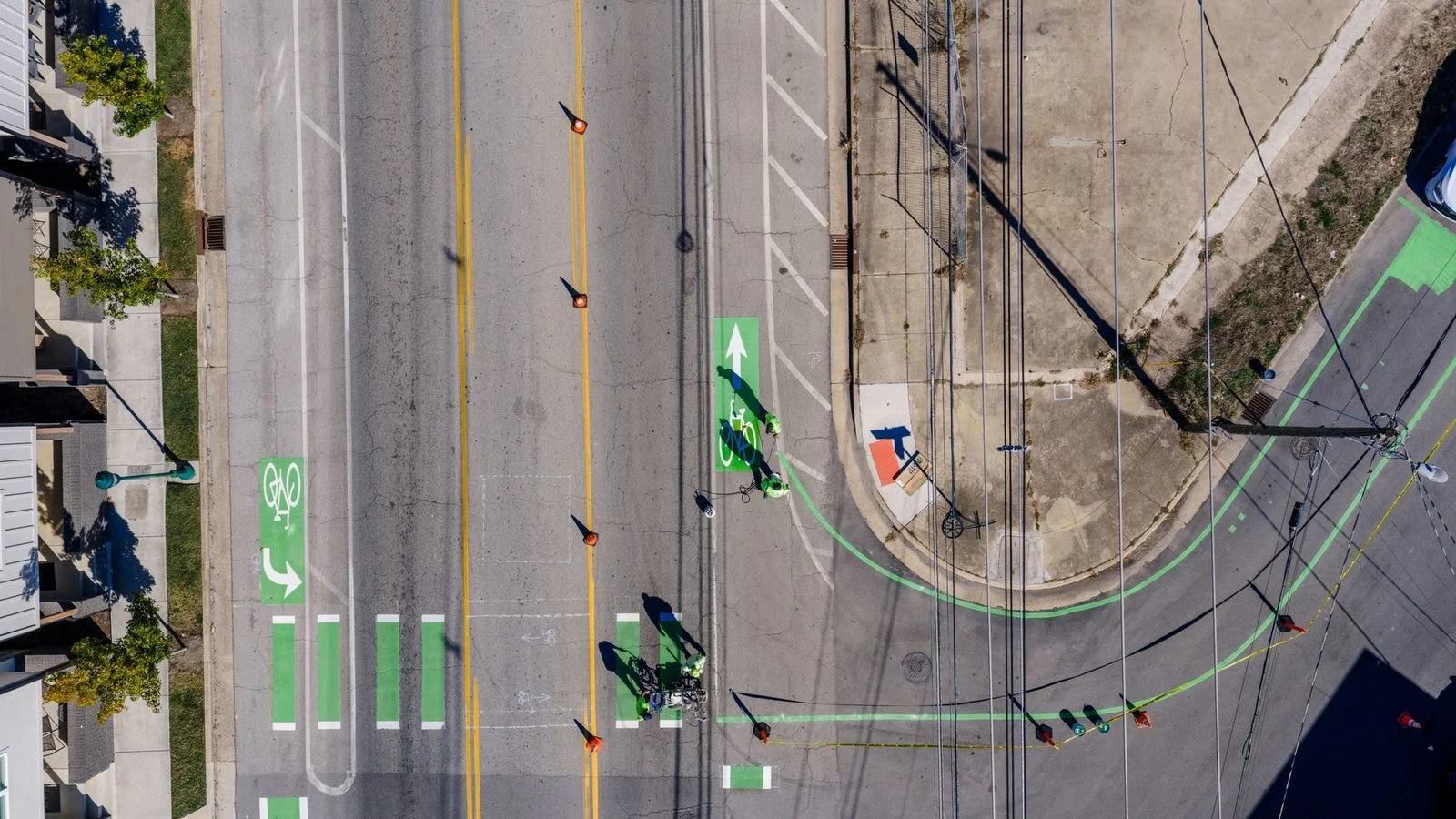
Crash evidence shows how the force moved, and that is what a reconstruction is built to answer. A crash reconstruction looks at the scene, the damage to the car and the bike, where the rider came to rest, and the timing of each event.
Many newer vehicles also store event data about speed and braking shortly before a crash. That data can show whether the driver braked, swerved, or kept speed. Getting it early matters.
Injury patterns add another layer. A systematic review of motorcycle injuries says injury patterns can help reconstruct crash events in a forensic evaluation.
Terance Madden holds a B.S. in Electrical Engineering and trained as an engineer before law school. Terance Madden explains technical data in plain words to a jury or an insurer.
Keep the bike, the helmet, and any photos. Write down the time, the place, and the car’s make and color. Those details help the reconstruction.
How Big Insurance Uses the ‘Low Impact’ Argument
Big Insurance uses “low impact” to argue that a slow crash means a small injury. It is a tactic with a few parts.
First comes the fast, low offer. An insurer’s first offer is rarely what a claim is worth.
Second is the recorded statement. Adjusters ask for one early, while the rider is in pain, on medication, and still shaken. Small word choices then get used later. Don’t give one on the spot.
Third is the old-injury question. Adjusters ask about past back or neck pain and try to tie every ache to it.
Fourth is the bill fight. Big Insurance may call treatment unnecessary or dispute the charges. Georgia law limits medical expense damages to the reasonable value of medically necessary care, and the trier of fact decides that amount (O.C.G.A. § 51-12-1.1).
Fifth is blame and delay. The insurer may argue the rider was partly at fault, then wait. Under O.C.G.A. § 51-12-33, a rider who is 50 percent or more at fault recovers nothing, and a smaller share reduces the award in proportion.
The “low impact” label matters for one more reason. Georgia law says that if an injury is small, nominal damages only are given (O.C.G.A. § 51-12-4). That is why the label gets pushed so hard.
How the Firm Answers the Low-Impact Argument
The firm answers “low impact” with medical records, imaging, and the physics of the crash. The aim is to show how the force reached the rider’s body and why the injury fits the crash.
Claims can draw on more than one coverage layer. There is the at-fault driver’s liability coverage. There can also be umbrella or excess coverage, and coverage tied to a business or employer. Which layers apply depends on the policies involved, so the firm looks at every one.
Lifetime cost matters too. A claim can include future medical care and lost ability to earn. The trier of fact may reduce future economic losses, such as future medical expenses and lost wages, to present value, meaning what that future money is worth today (O.C.G.A. § 51-12-13). Our team prepares every case as if it may go to trial.
The first consultation is free, confidential, and comes with no obligation to continue. The firm works on a no-fee-unless-we-win basis, but the client may still be responsible for court costs and case expenses.
Not sure what your next step is?
Talk it through with our team — the first consultation is free, confidential, and carries no obligation.
Hit on an E-Bike and Still Hurting? Talk to the Firm First
Get checked by a medical provider even when the pain seems small. Keep every bill and visit note, since they show what the crash did to your body.
Write down what happened while it is fresh: the time, the place, which way the car was moving, and what you saw. Save photos of the bike, the helmet, and the car. Keep the bike and helmet as they are.
Talk to the firm before you give a recorded statement to the other driver’s insurer. T. Madden & Associates, P.C. has practiced since 1999, with offices in Jonesboro, Atlanta, Decatur, Macon and Augusta.
Can an e-bike rider break a bone in a low-speed crash?
Yes. A rider has no frame or airbags, so the body takes the force directly, and a slow hit can still break bones.
What is delta-V?
Delta-V is the change in speed during a crash. A bigger change means more force on the body.
Does Georgia reduce my claim if I was partly at fault?
Yes. Under O.C.G.A. § 51-12-33, your award drops by your share of fault, and a rider 50 percent or more at fault recovers nothing.
If a car hit you on your e-bike and the other side now calls the crash minor, you don’t have to answer that argument by yourself. Start a case evaluation with T. Madden & Associates, P.C. Terance Madden is the responsible lawyer for this page.