

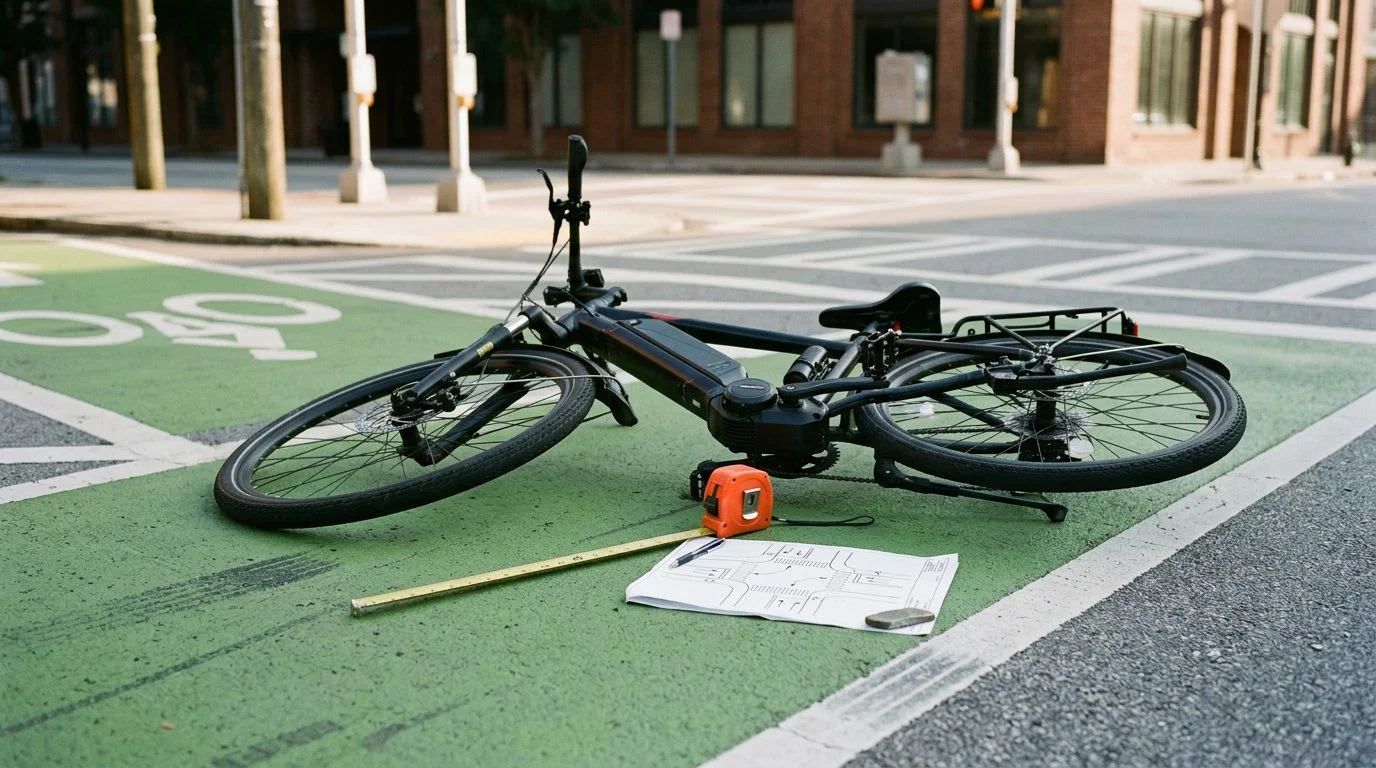
E-bike crashes | Georgia
Partly at fault in an e-bike crash? Talk with us before you decide anything
Blame is often argued after a crash, and the other side may push it onto you. Here is how Georgia handles shared fault and the steps that protect you while your case is still open.
Serving injured riders since 1999
1999
Year the firm began practice
5
Offices across Georgia
24/7
Call line for injured people
Free
First consultation, confidential and with no obligation
By Terance Madden · Published November 9, 2026
Hit on an e-bike and now someone says the crash was partly your fault? That doesn’t end your claim in Georgia.
The rule is simple. Your award shrinks by your share of fault, and you get nothing only if you’re 50 percent or more to blame (O.C.G.A. § 51-12-33; Quynn v. Hulsey (2020)). Here’s how that works, and what to do next.
The Short Answer: Often, Yes
If you were partly at fault in an e-bike crash in Georgia, you can often still pursue a claim, as long as your share stays under 50 percent. Georgia doesn’t use an all-or-nothing rule. Fault gets split by percentage, and that split shapes the whole claim.
Fault here means legal responsibility for the crash. Georgia applies comparative fault: when the injured person is partly responsible, the judge reduces the damages in proportion to that person’s percentage of fault (O.C.G.A. § 51-12-33; Quynn v. Hulsey (2020)). The driver who caused the crash, the rider, and anyone else who contributed can each carry a share.
The other side knows this. Big Insurance adjusters often try to pin the largest share on the rider early, while the facts are still coming together. The first story told about the crash can set the tone for everything after it.
That’s why the details matter from day one. Write down what you remember now, while it’s fresh. Memory fades, and a detail lost in week three can be hard to win back in month six. Don’t assume the other driver’s version is the only one that counts. Witnesses, the scene and the damage to both vehicles tell their own story.
Not sure what your next step is?
Talk it through with our team — the first consultation is free, confidential, and carries no obligation.
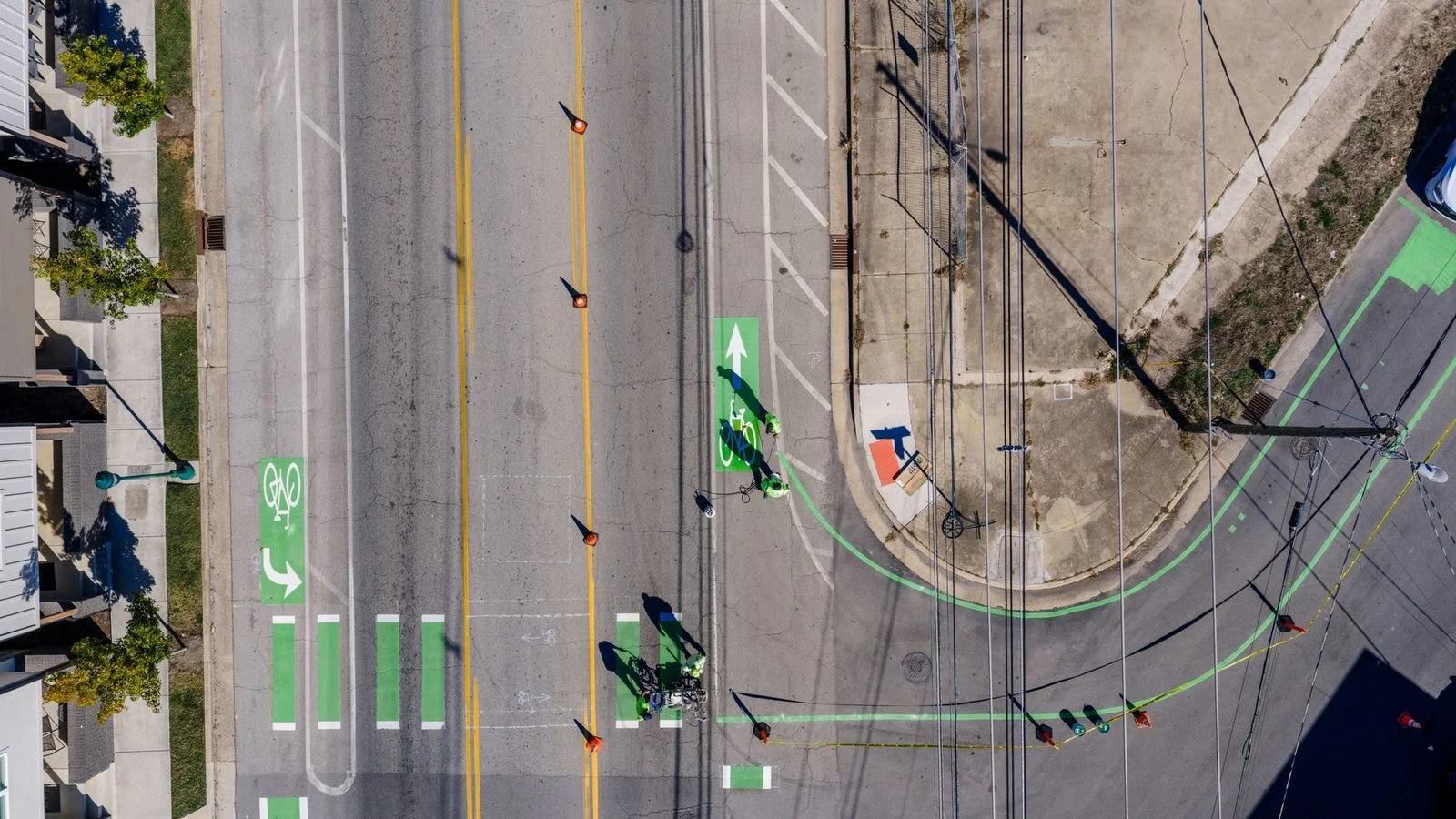
How Georgia Splits Fault: The 50 Percent Line
Georgia cuts your damages by your percentage of fault, and it blocks recovery entirely at 50 percent or more (O.C.G.A. § 51-12-33; Quynn v. Hulsey (2020)). Damages means the money paid for your losses, like medical bills, lost pay and pain and suffering.
Under O.C.G.A. § 51-12-33, the judge reduces the award in proportion to the injured person’s share of fault. The same statute says the injured person gets no damages at all if they are 50 percent or more responsible (O.C.G.A. § 51-12-33; Quynn v. Hulsey (2020)).
Here’s the math in plain terms. Say your total damages are large and you’re found only a small share at fault. Your award shrinks by that share. Now say you’re found at or above the line described above. Then you recover nothing. This is a hypothetical example, not a prediction.
The line is the whole game. Every point of fault moves the number, so the way the crash is described matters. Which way the bike was moving, how fast it was going, and where the car came from can each shift the split. A few points of fault can change the award by thousands of dollars, which is why the other side fights over every point.
How the Other Side Tries to Put the Blame on You
The other side usually tries to load as much blame onto you as it can, as early as it can. Expect a few common moves.
First comes the quick offer. It arrives fast, looks generous, and is far lower than the claim is worth. An insurer’s first offer is rarely what a claim is worth.
Next is the recorded statement. An adjuster asks you to talk on tape before you understand your injuries or the full picture. Anything you say, even a casual “I think I was going fast,” can be used against you later.
Then come the blame arguments. You were speeding. You cut in front. You came out of nowhere. Another favorite is the “low impact” claim: the crash looked minor, so the injuries must be minor too. Disputing treatment is another move, saying the care you needed was unnecessary. Delay is a tactic too. A slow claim pressures people into taking a small check just to make the stress stop.
The response is preparation. Don’t give a recorded statement or sign a release, which is a document that ends the claim for good, before a lawyer reviews it. Keep the bike, helmet and gear as they are. Take photos. Write down what happened while your memory is fresh.
The Evidence That Decides the Split
The evidence that decides fault shows who had room to avoid the crash. Physical proof matters most, and it fades fast.
Look at the scene and the roadway. Skid marks, debris, and where the bike and vehicle came to rest tell a story. Vehicle damage shows the points of contact. Lighting, visibility and sight lines at an intersection or driveway show who could have seen the other rider or driver coming. Video from a nearby business or traffic camera, if it still exists, can settle a disputed lane change.
Terance Madden holds a bachelor’s degree in electrical engineering. He uses that training to read physical and electronic evidence and explain what it shows in plain terms. Engineering training helps most when a claim turns on how a crash happened, not just on who says what.
Other parties can share responsibility too. A vehicle maker, a battery or motor supplier, or a parts maker can sometimes be part of the fault picture. Each may carry its own insurance.
Every Insurance Layer That May Apply
A serious crash can draw on more than one insurance policy. Check every layer, not just the first one the insurer names.
The first layer is the at-fault party’s liability coverage. Liability means legal responsibility, and this coverage pays what that person owes you. Its limits set a ceiling, and a serious injury can exceed them.
Georgia law requires auto policies to include uninsured motorist (UM) coverage, under O.C.G.A. § 33-7-11, unless a named insured rejects it in writing. Underinsured motorist (UIM) coverage is the next layer. It can pay when the at-fault driver’s policy is not enough to cover your losses. Your own auto policy may hold these coverages.
Other policies can matter too. Umbrella and excess policies sit above basic limits. Corporate coverage may apply if a company’s vehicle, equipment or work was involved.
Big Insurance rarely volunteers those other layers. Your share of fault affects how each layer is pursued, so each one gets reviewed.
Deadlines and the First Steps to Take
Under O.C.G.A. § 9-3-33, actions for injuries to the person shall be brought within two years after the right of action accrues, except for injuries to the reputation, which shall be brought within one year after the right of action accrues, and except for actions for injuries to the person involving loss of consortium, which shall be brought within four years after the right of action accrues. It comes from O.C.G.A. § 9-3-33. Other rules can change the clock, so don’t count on the full two years.
Start with the basics. Get medical care and keep every follow-up visit. Photograph the scene and your injuries. Collect witness names and phone numbers. Keep a written log of symptoms, missed work and daily limits.
If you’re handling this for a spouse, parent or adult child, build one folder. Put in the medical bills, appointment dates, insurer letters, repair receipts and the symptom log. Ask every insurer to put requests in writing and keep copies. That folder keeps the record straight and keeps your loved one’s needs at the center.
Not sure what your next step is?
Talk it through with our team — the first consultation is free, confidential, and carries no obligation.
Hurt in an E-Bike Crash That Was Someone Else’s Fault? Talk to the Firm
A rider told the crash was partly their fault may still have a claim in Georgia. If a careless driver put you on the pavement and now the blame is being pushed back at you, you don’t have to sort out the percentages alone.
T. Madden & Associates, P.C. has been in practice since 1999. The firm offers a free first consultation that is confidential and comes with no obligation to continue. The firm has offices in Jonesboro, Atlanta, Decatur, Macon and Augusta.
Frequently Asked Questions
Can I still recover money if I was partly at fault in an e-bike crash in Georgia?
Yes, in many cases. Georgia uses “modified comparative negligence,” a rule that splits fault by percentage, and you can still recover if you are less than 50 percent at fault. Your award is reduced by your share of the blame.
What happens if I am found 50 percent or more at fault?
Under Georgia law (O.C.G.A. § 51-12-33), you cannot recover damages if you are found 50 percent or more responsible for the crash. Fault percentages are often disputed, so the evidence matters a great deal.
Can my own actions, like where I rode or how fast I was going, hurt my claim?
They can. Big Insurance adjusters often point to lane position, speed, helmet use, or traffic rules to shift blame onto the rider. Those arguments are answered with physical evidence, witness accounts, and the facts of how the crash happened.
Should I give a recorded statement to an insurance adjuster after a partial-fault e-bike crash?
Be careful before you do. Adjusters often ask for a recorded statement early, and a first offer is rarely what a claim is worth, especially when fault is being argued. Talk to the firm first. Your first consultation with T. Madden & Associates, P.C. is free, confidential, and comes with no obligation to continue.
Related practice areas
- E-Bike Accident Lawyer in Georgia
- E-Bike Wrongful Death Lawyer in Georgia: First Steps