

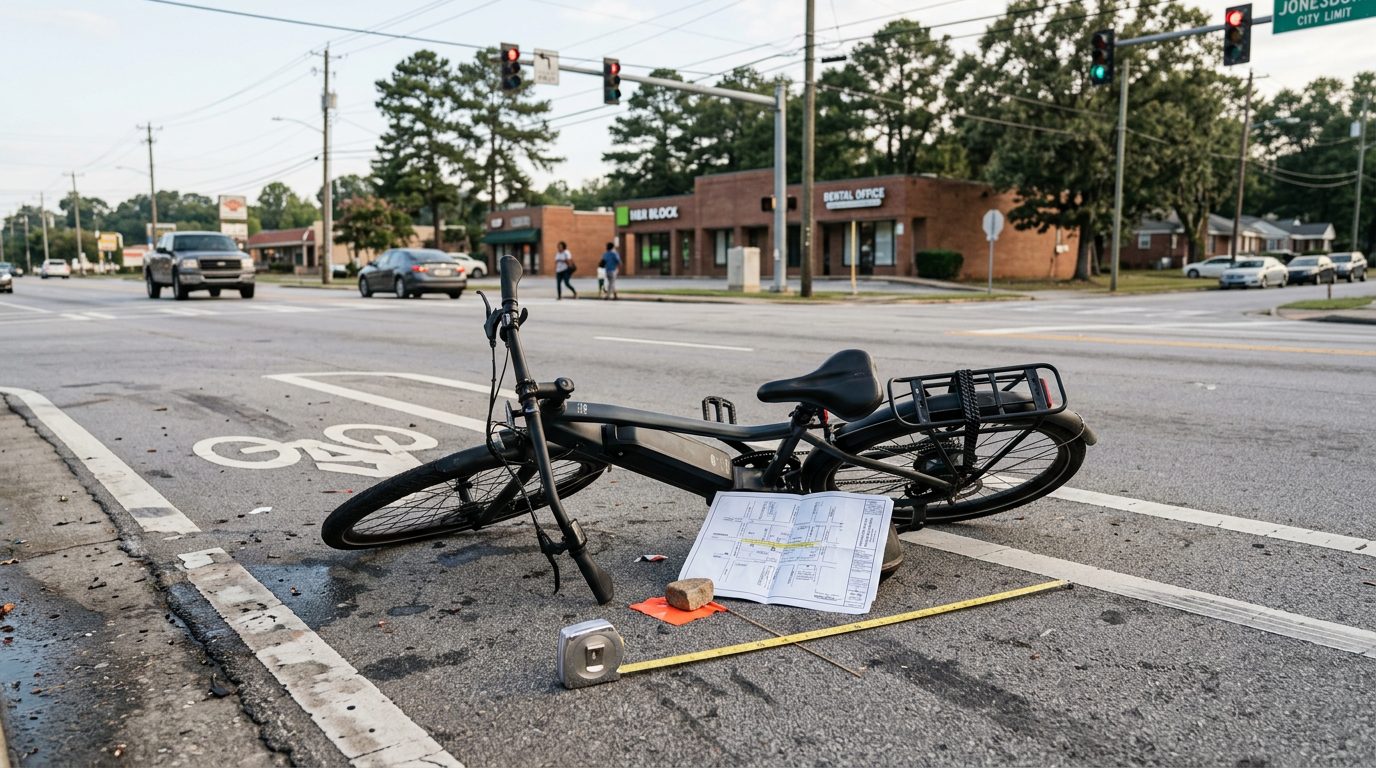
E-Bike Passenger Injuries | Georgia
Hurt as an E-Bike Passenger? Talk to a Georgia Lawyer Today
Your ride ended in a crash, and now bills, pain and questions are piling up. Here is how to protect your options from the start.
T. Madden & Associates, P.C.
1999
Helping injured Georgians since
5
Georgia offices, including Jonesboro and Atlanta
24/7
Call us any time
By Terance Madden · Published November 22, 2026
You climbed on the back of an e-bike, and now you’re hurt. The first question is usually whether you can make a claim at all.
Often, yes. If you were hurt as a passenger in an e-bike crash, you need to know who is responsible for your injuries. The claim goes against the people and companies that caused the crash: a careless driver, another rider, a property owner, or the maker of a defective battery or controller. This page explains who may be responsible, what a claim can cover, and what protects your case early.
What an E-Bike Passenger Injury Claim Is
A personal injury claim is a legal demand for money from the person or company that caused your harm. Riding as a passenger does not make you at fault. The question is who caused the crash and how.
This page is written for injured passengers and for the family member managing their recovery, often a spouse, mother, or adult daughter. The core point is simple. Your claim turns on who caused the crash, not on who owned the bike or who was steering.
Hurt as a passenger in a crash someone else caused? You may have a claim, and the evidence needs protecting now. Call the firm for your free consultation. Talk it through with our team — the first consultation is free, confidential, and carries no obligation.
Who Can Be Responsible When a Passenger Is Hurt
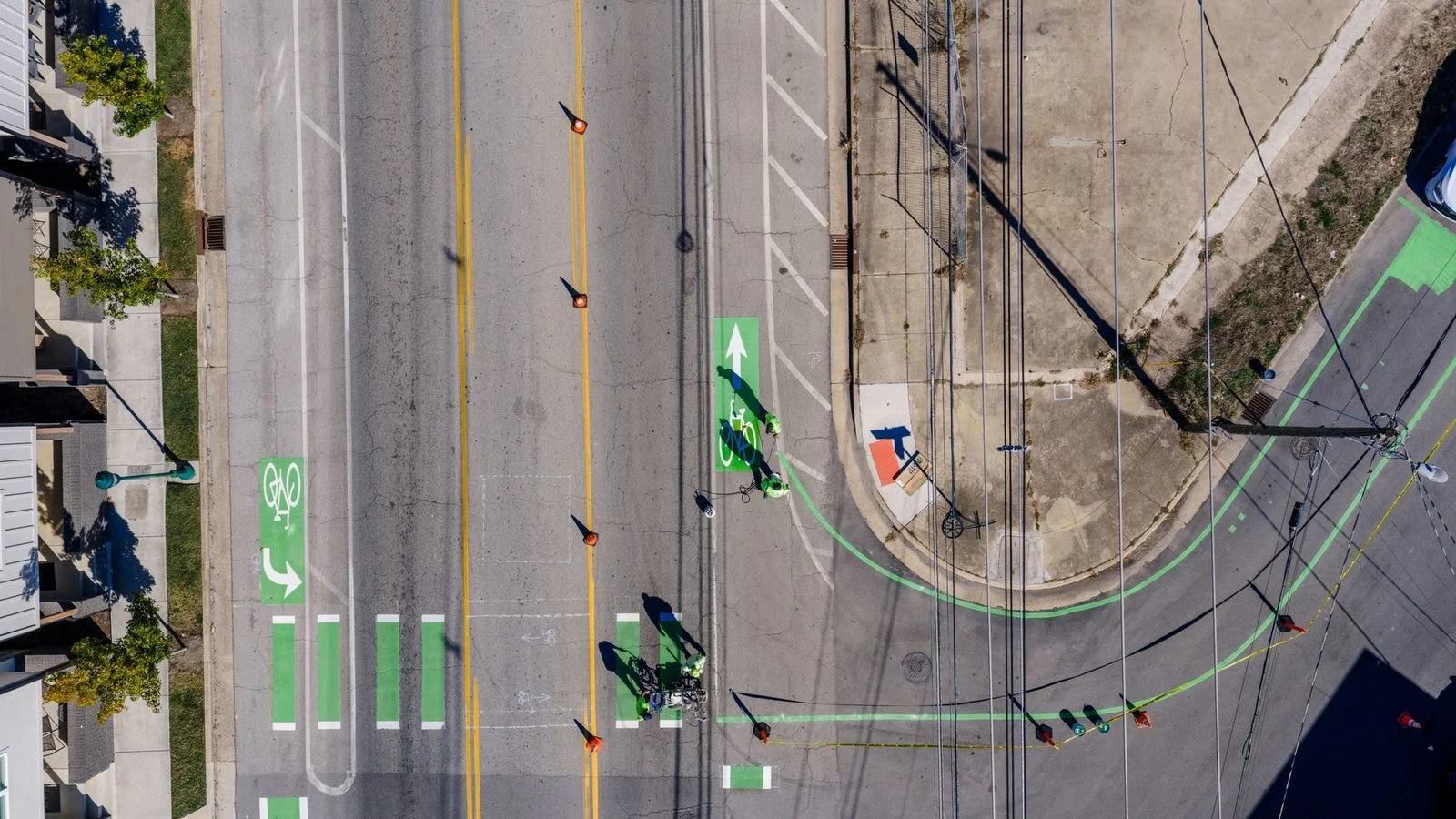
Several parties can share responsibility for one crash. Common targets include:
- The driver of a car or truck who hit, cut off, or squeezed the e-bike through careless driving.
- The rider who was operating the e-bike, if that rider’s reckless choices caused the crash.
- A property owner or public body responsible for a hazard on a path, trail, or road. Georgia law makes an owner or occupier who invites people onto land liable for failing to use ordinary care to keep the premises and approaches safe (O.C.G.A. § 51-3-1).
- A maker, seller, or distributor of a defective battery, charger, or controller. A product seller is not treated as a manufacturer for strict-liability claims (O.C.G.A. § 51-1-11.1), so the maker’s role often becomes central.
Each responsible party pays only its own share. More responsible parties can mean more insurance policies that may pay.
What a Passenger Claim Can Cover
A claim can cover what you lost and the harm you still live with. Typical items include:
- Medical bills for emergency care, surgery, imaging, therapy, and medication.
- Future care, when a doctor expects more treatment or devices.
- Lost wages and lost ability to earn.
- Pain and suffering, including how injuries change sleep, work, and family roles.
- Help at home, rides to appointments, and changes to a house or vehicle.
Georgia separates two kinds of damages. General damages are presumed by law to flow from a wrong, and they need no proof of an exact amount. Special damages actually flow from the wrong, and they must be proved (O.C.G.A. § 51-12-2). Medical expenses are limited to the reasonable value of medically necessary care (O.C.G.A. § 51-12-1.1).
If a passenger has died, the family’s options are different. The firm reviews them one case at a time.
The Evidence That Decides Passenger Cases
Evidence often decides who pays, and some of it can disappear fast. The most useful items include:
- Battery and controller data, which can show speed, power output, and fault events.
- The e-bike itself, plus the charger and any helmet. These can be repaired, sold, or thrown out if no one keeps them.
- Phone and app records, scene photos, witness names, and nearby business or traffic video.
- Medical records that tie each injury to the crash, starting with the first emergency visit.
Terance Madden trained as an electrical engineer before law school. He approaches a case by asking what the evidence actually shows, how the crash happened, and which records must be preserved. In a battery or charger case, Terance Madden’s engineering training helps him ask what the evidence shows and how the fire started. He also looks at where a fire or failure started. That origin-and-cause review can show whether a defect or a crash caused the harm. Crash physics matters too: speed, impact, and where the forces went into the body.
Big Insurance and the First Offer
Big Insurance is not on your side, and its first offer is rarely what your claim is worth. Expect these tactics:
- A quick, low offer made before the full extent of injuries is known.
- A recorded statement taken before you understand your injuries.
- Requests for records that drag on for months.
- Disputes over whether a treatment was needed.
- “Low impact” arguments that say a passenger could not be badly hurt.
The response is to find every coverage layer. That can include the at-fault driver’s liability policy, uninsured motorist coverage, any umbrella or excess policy, and corporate coverage for a maker or seller. Building a claim often means documenting the full cost of an injury over time.
How the Process Works and What to Expect
The process starts with a review and moves through evidence, records, insurers, and negotiation.
- Free case evaluation. We review how the crash happened and who may be responsible. Start your free case evaluation.
- Preservation letters. We ask the right parties to keep the e-bike, battery data, phone records, and video.
- Records and bills. We gather medical records and bills into a timeline of care. If Medicare paid for treatment, the firm can review how Medicare secondary payer rules apply to your case.
- Insurance notice. We put the insurers on notice and demand every coverage layer. The firm handles the insurance calls.
- Negotiation and trial preparation. We negotiate from the evidence and documented damages. If a fair resolution is not offered, we prepare for trial.
Timing matters. Georgia’s general deadline for an injury to the person is two years, with exceptions (O.C.G.A. § 9-3-33). Evidence can disappear sooner. The timeline turns on the facts and your medical course, and the firm gives you an honest picture after reviewing the file.
Not sure what your next step is?
Talk it through with our team — the first consultation is free, confidential, and carries no obligation.
Who Handles Your Case
Terance Madden has practiced personal injury law in Georgia since 1999. The firm has offices in Jonesboro, Atlanta, Decatur, Macon, and Augusta.
Terance Madden is the responsible lawyer for this page. Before law school, Terance Madden trained as an electrical engineer, so he starts a case by asking what the evidence shows and how the crash happened. Shenia Madden is also a lawyer at the firm. Our team handles records, scheduling, and client calls, so the family has one place to call.
The firm handles injury cases on a no-fee-unless-we-win basis. The client may still be responsible for court costs and case expenses. The first consultation is free, confidential, and carries no obligation to continue.
Frequently Asked Questions
Can I make a claim if I was only a passenger?
Yes. A passenger may have a claim against the at-fault driver, another rider, or a responsible company.
What if the rider was a friend or family member?
The claim may still be against a third party. The rider’s own insurance may also be part of the review.
Do I need proof of my injuries?
Yes. Medical records and bills show the harm and link it to the crash.
Will I have to go to court?
Some cases resolve without trial.
Can a family member start the claim?
Yes. A spouse, mother, or adult daughter can call to start the case and help keep records organized.
How long do I have to file?
Georgia’s general deadline for an injury to the person is two years, with exceptions. Early contact protects both the deadline and the evidence.
Related practice areas
- E-Bike Accident Lawyer in Georgia
- E-Bike Trail or Greenway Crash: Who Can Be Held Liable?