

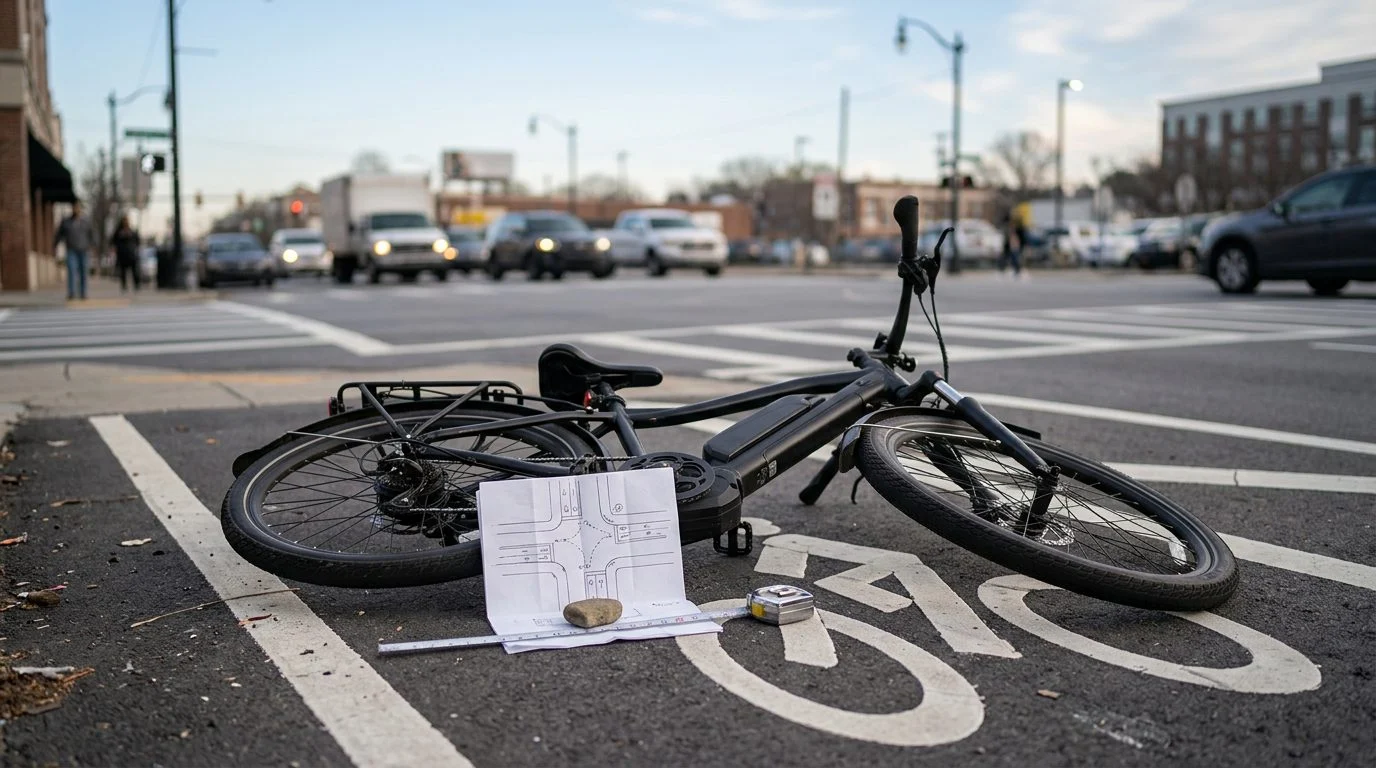
Georgia e-bike rider guide
Riding an e-bike in Georgia? Know the rules that can affect your case.
Plain answers on the state laws that come up after an e-bike crash, and how the team at T. Madden & Associates, P.C. can help you sort them out.
Why riders call T. Madden & Associates, P.C.
1999
Serving injured Georgians since
5
Georgia offices
24/7
Phone line for injured riders
By Terance Madden · Published November 6, 2026
Updated Georgia E-Bike Laws for 2026: Rider Guide
If you searched for the updated e-bike laws in Georgia for 2026, you want a clear answer. Georgia’s e-bike rules come from state law and from local rules set by cities and counties. This guide covers the Georgia Code sections that shape road safety, helmets and fault after a crash. Each point links to the text it comes from.
Many readers are not riding themselves. A parent may be helping a teen. A family may be sorting out a crash that already happened. Plain facts help in both cases.
If a crash has left you or someone you love with questions, you may have a claim, and our team can walk through it with you. Talk it through with our team — the first consultation is free, confidential, and carries no obligation.
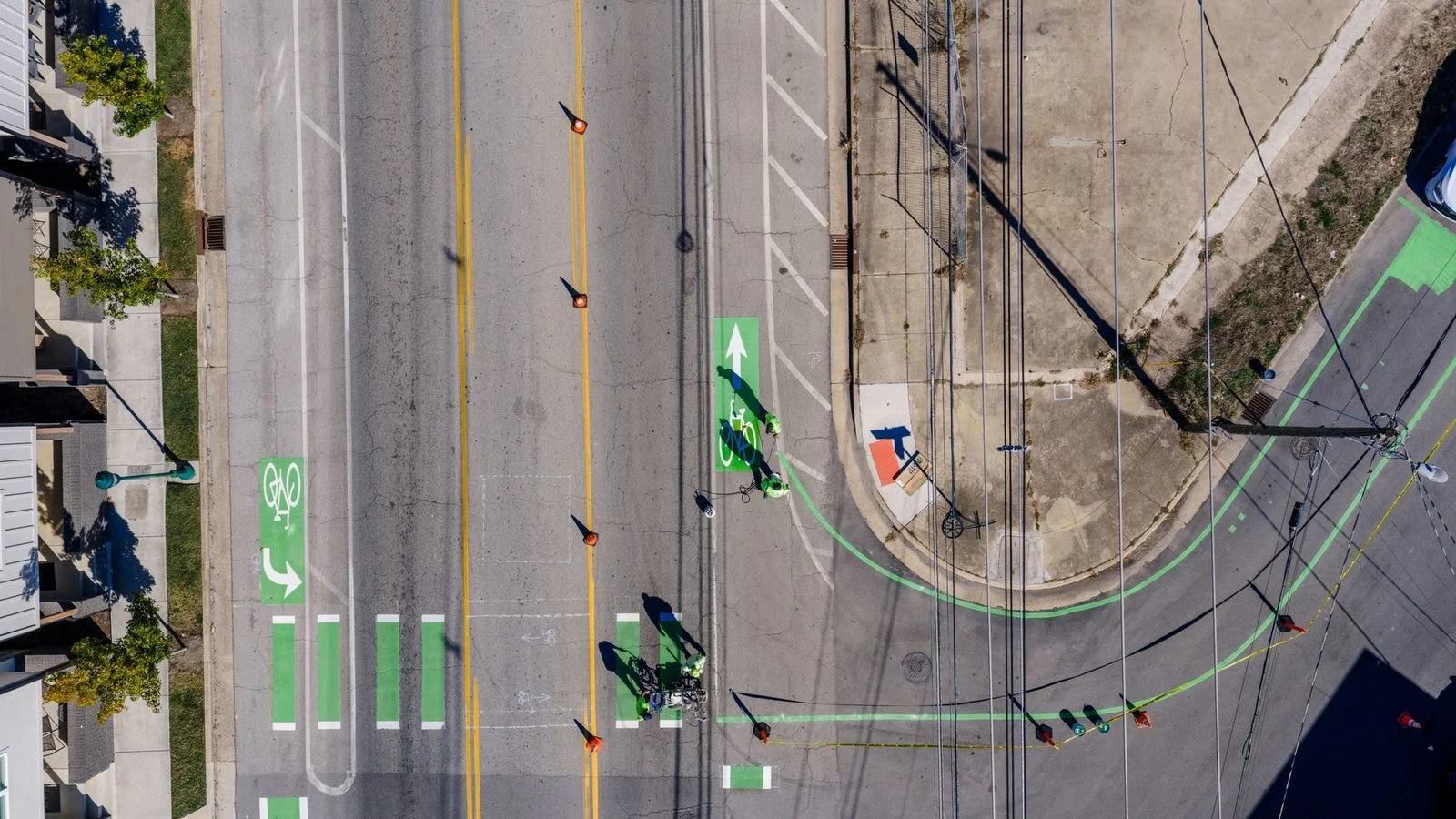
What Are Georgia’s E-Bike Laws?
Georgia’s e-bike rules come from two layers: state law and local rules. This guide focuses on the state Code sections it can link to. It also covers the fault and deadline rules that apply after a crash.
For a rider, the state sections cover four areas. They address helmets for motorcycles, road duties for drivers and pedestrians, how fault is split after a crash, and how long you have to file suit. Each area has its own Code section and its own link.
Local rules are a separate layer. The place where an e-bike crash happens can be an important fact when a claim is evaluated. A rule in one town may not match the rule in the next. Riders should learn the local rules for the exact place the ride happened.
Helmet and Eye Protection: Georgia’s Motorcycle Rule
Georgia’s helmet requirement is written for motorcycles. The Georgia motorcycle helmet statute says no person may operate or ride a motorcycle without protective headgear that meets standards set by the commissioner of public safety.
The same section requires an approved eye-protective device on a motorcycle that has no windshield. It exempts people riding within an enclosed cab or motorized cart.
Because the statute names motorcycles, it is the rule to know for motorcycle riders. Helmet advice for e-bike riders should be read against that wording. Helmet use can also come up in a crash claim as a fact about the rider. Whether it matters depends on the facts of the crash.
Do E-Bike Riders Have to Follow Traffic Laws in Georgia?
The Georgia Code sections below set duties for drivers and for pedestrians. Riders should know both sides, because a crash often involves more than one road user.
Drivers must use care around walkers. Under Georgia pedestrian and crosswalk rules, every driver must exercise due care to avoid colliding with any pedestrian on a roadway. A driver must sound a horn when necessary. A driver must also take proper precautions around a child or an obviously confused, incapacitated, or intoxicated person. A driver must stop for a pedestrian in a crosswalk when the pedestrian is on the driver’s half of the road, or close to it.
Pedestrians have duties too. A walker may not suddenly leave a curb or safe place and step into the path of a vehicle that is too close for the driver to yield. Between adjacent intersections with working traffic signals, walkers must cross only in a marked crosswalk.
These duties run in both directions. A rider who hits a walker, or a walker who steps into a rider’s path, may raise questions about who had which duty. Those questions turn on the details of the crash.
Where E-Bikes Can Ride: Roads, Sidewalks and Local Rules
The state sections on this point mostly address pedestrians and crossings. Details about where a rider was traveling are often examined when a crash is reviewed.
Under the same Georgia pedestrian and crosswalk rules, no pedestrian may cross a roadway intersection diagonally unless official traffic-control devices authorize it. A pedestrian who uses the roadway instead of an available tunnel or overhead crossing must yield to vehicles.
Facts about the location and the rider’s route can matter when a case is evaluated. The specific location of a crash is one of the facts our team looks at when reviewing a case. Local rules can change from one place to the next.
A common mistake is assuming a rule in one town applies everywhere. A path that is open in one area may carry different rules in the next town. When a crash happens on a path or street, the local rules for that exact spot can matter as much as the state rules.
How Georgia’s Rules Can Affect an Injury Claim
Georgia reduces an injury award by the injured person’s share of fault. Under the Georgia fault apportionment law, the trier of fact (the person or group deciding the facts) sets that percentage. The judge then reduces the damages in proportion.
Under subsection (g) of the same law, a plaintiff who is 50 percent or more responsible for the injury or damages is not entitled to receive any damages (O.C.G.A. § 51-12-33; Quynn v. Hulsey (2020)). The jury also weighs the fault of everyone who contributed to the harm.
Under O.C.G.A. § 51-12-33 (Quynn v. Hulsey (2020)), if the plaintiff is to some degree responsible for the injury or damages claimed, the judge reduces the amount of damages otherwise awarded in proportion to his or her percentage of fault, but the plaintiff shall not be entitled to receive any damages if the plaintiff is 50 percent or more responsible for the injury or damages claimed.
A common mistake is thinking fault is all or nothing. Under these sections, a share of fault can lower a recovery without ending it, unless that share reaches 50 percent. After a crash, the other side may argue that a rider or walker shared the blame. These sections give the framework for that argument. They do not decide it.
Not sure what your next step is?
Talk it through with our team — the first consultation is free, confidential, and carries no obligation.
Deadlines to Act After an E-Bike Crash in Georgia
Georgia generally gives two years to sue for injuries to the person (O.C.G.A. § 9-3-33; Kenneth B. Cameron v. Jmp Pizza, Inc (2026)).
The two-year rule comes from O.C.G.A. § 9-3-33, as quoted in the Cameron v. Jmp Pizza opinion.
Many families wait while treatment continues, and that is understandable. Still, the calendar keeps moving during that time. Write down the crash date early. Keep a list of medical visits and copies of any crash reports, so nothing gets lost.
Talk to Our Team About a Georgia E-Bike Crash
T. Madden & Associates, P.C. offers a free first consultation. It is confidential and comes with no obligation to continue.
You may be reading this for a family member, for a teen who rides, or because you were hurt on an e-bike yourself. You may not yet know which rules apply. That is a normal place to be after a crash.
If a crash has left you or someone you love with questions, you may have a claim, and our team can walk through it with you. You can start a free case evaluation on our contact page.
What are the updated e-bike laws in Georgia for 2026?
This guide covers the Georgia Code sections it cites. Local cities and counties can add their own rules, so check the rules for the exact place of the ride.
Does Georgia’s helmet law apply to e-bike riders?
The helmet statute cited here is written for motorcycles. Its wording names motorcycles, not e-bikes.
How long do I have to sue after an e-bike crash?
Georgia generally gives two years to sue for injuries to the person (O.C.G.A. § 9-3-33; Kenneth B. Cameron v. Jmp Pizza, Inc (2026)).
What happens if I was partly at fault?
Georgia reduces damages by your share of fault. A share of 50 percent or more bars recovery under the law cited above (O.C.G.A. § 51-12-33; Quynn v. Hulsey (2020)).
This page is published by T. Madden & Associates, P.C. The responsible lawyer is Terance Madden. The firm has practiced since 1999 and has offices in Jonesboro, Atlanta, Decatur, Macon and Augusta. Contact details are on the contact page.
Related practice areas
- E-Bike Accident Lawyer in Georgia
- Can You Still Get Paid for an E-Bike Crash in Georgia If You Were Partly at Fault?
- Truck Driver Hours of Service Crash Georgia Lawyer