

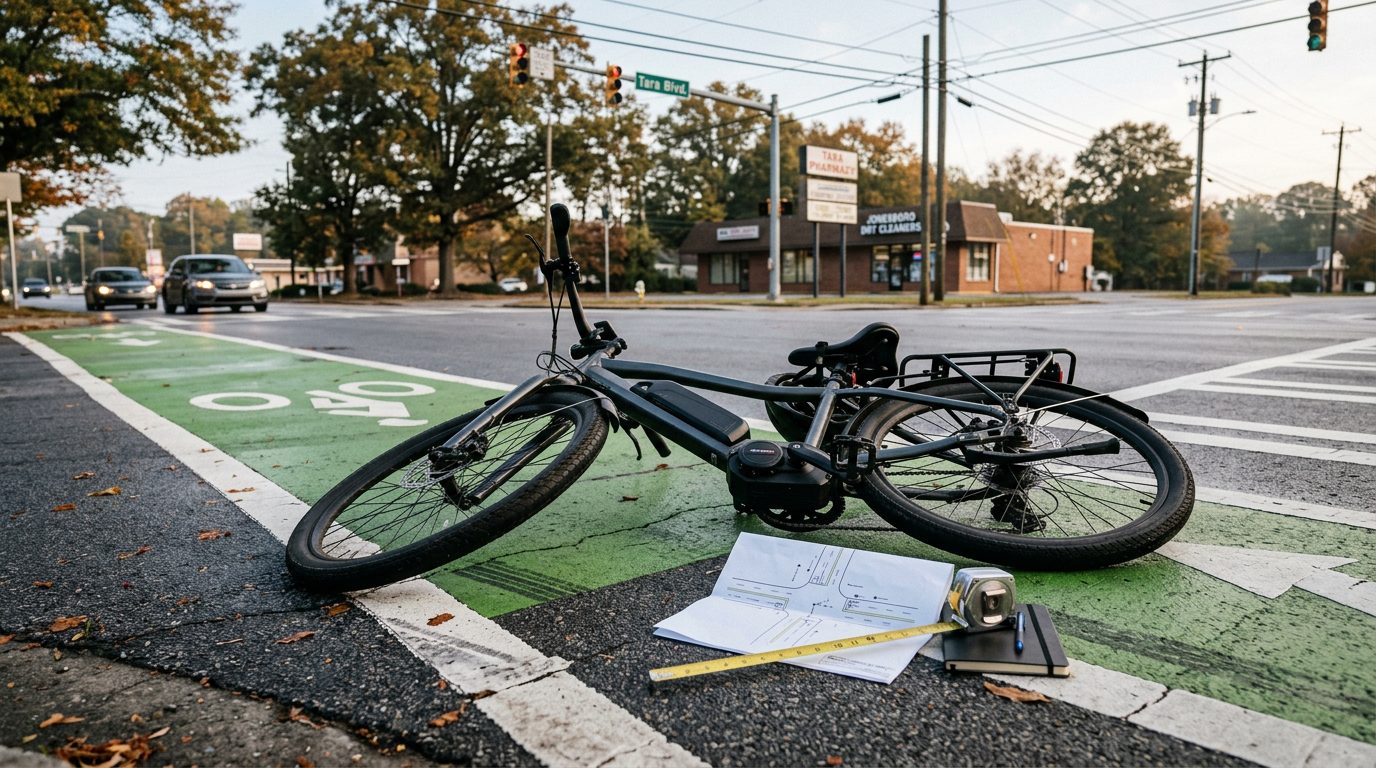
E-bike crashes | Georgia
Hurt on an E-Bike? Start With the Facts.
Statistics show the pattern, but the details of your crash are what matter most. Here is how to read the numbers and what they leave out.
T. Madden & Associates, P.C.
1999
Year the firm began practicing law
5
Offices across Georgia
24/7
Call us anytime
By Terance Madden · Published November 19, 2026
If someone you love was hurt on an e-bike, or a battery caught fire at home, you probably want one clear number. That’s a fair thing to want.
The short answer: there is no single e-bike accident rate you can quote. Most reports count injuries and crashes. Few measure how many riders are out or how far they ride, and a true rate needs both.
No single, reliable e-bike crash rate exists to quote
No single national e-bike crash rate exists that you can quote as the answer. A true rate divides crashes or injuries by exposure, meaning how many riders are on the road and how far they travel. Most published numbers are raw counts, and a count can climb just because more e-bikes are sold.
Before you trust a number, ask three questions. Where did it come from? What does it count? What does it leave out? If the source can’t answer those, the number tells you less than it seems to.
If you're carrying a family member's injury or a battery fire without knowing where to start, you don't have to sort it out alone. Talk with us about what happened. Talk it through with our team — the first consultation is free, confidential, and carries no obligation.
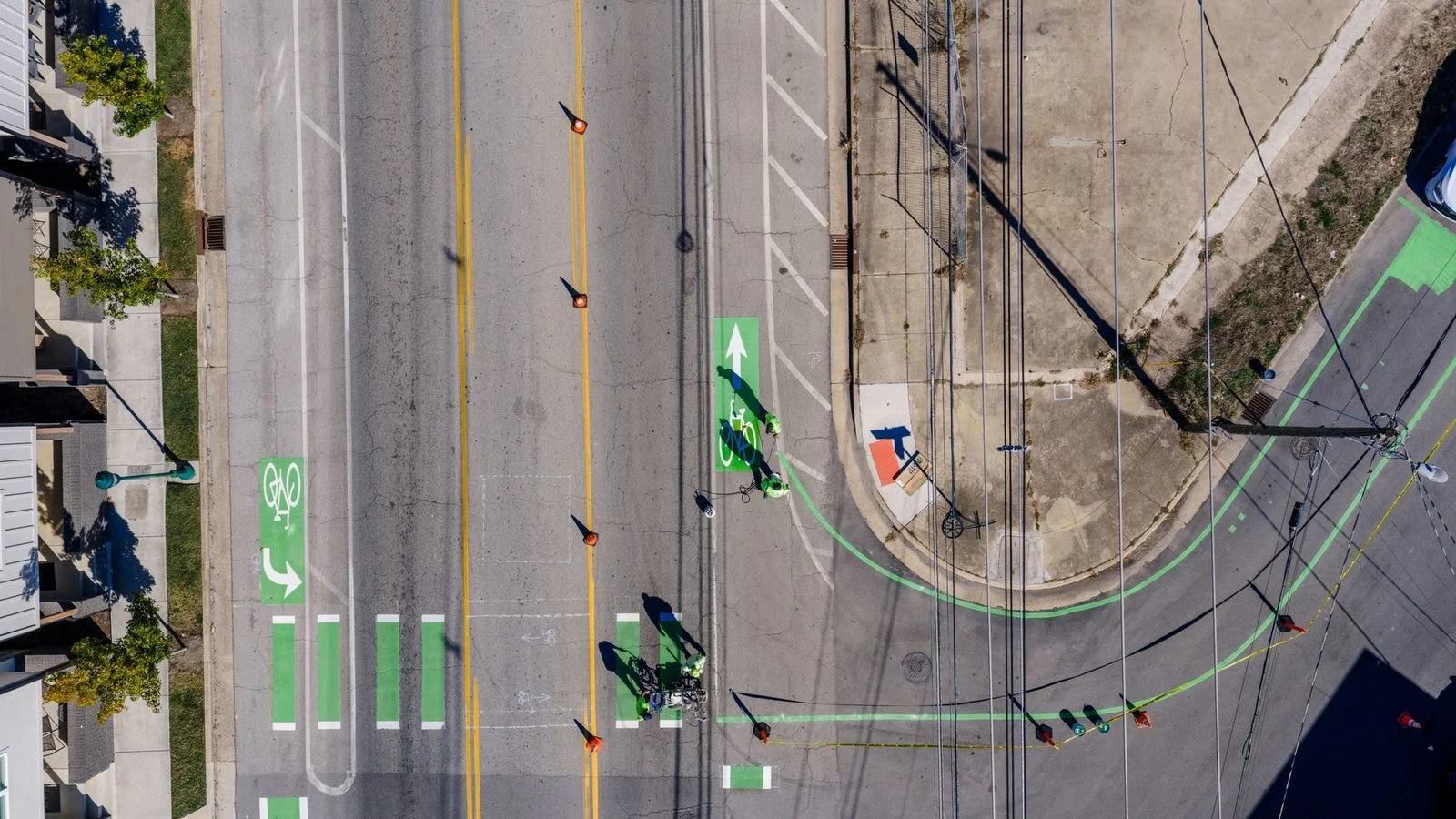
What the injury reports show: e-bike injuries are rising
Recent injury reports show a clear upward trend in e-bike injuries, and kids and teens are among those getting hurt. Scooters often appear in the same reports, so the trend can cover both. The reports count injuries, not the risk of a single ride.
Use them to see that the problem is growing. Don’t use them to pick a precise number for your own ride. A national trend doesn’t prove what happened on one road.
Serious injuries deserve the most attention. A head injury, a broken hip or a spinal injury can change a family’s plans for years. Parents should also know that a child’s crash can raise questions about the bike, the battery and who sold them.
Why a count of injuries is not a crash rate
A count of injuries tells you how many people were hurt. It doesn’t tell you how risky riding is. A crash rate divides crashes or injuries by how much riding happens.
Here is an example, not a real statistic: 10,000 e-bikes ridden in a city will produce more injuries than 1,000 bikes, even if every rider is careful. More riders means more injuries, even when the risk per ride stays the same.
Comparing e-bikes with cars or bicycles is harder still. Riders, trip lengths and trip types are rarely tracked the same way. When you compare two numbers, check what each one is divided by: per trip, per mile or per rider. If the bases differ, the comparison doesn’t hold.
Are e-bikes riskier than scooters or regular bicycles?
Not automatically. Speed, weight, motor power, rider experience and where a person rides decide how each one compares. A heavier, faster bike carries more energy into a fall, and the rider has far less protection than a driver inside a car.
A scooter, a bicycle and an e-bike can each be safe or dangerous in the wrong hands. The factors you control most are helmet use, lights, route choice, and how well the bike and battery are kept.
Fault matters too. If you share blame for a crash, Georgia reduces your damages by your percentage of fault. A person who is 50 percent or more responsible for the injury or damages recovers no damages under O.C.G.A. § 51-12-33.
What drives the chance of getting hurt, and what it means for your family
Mixing with cars and trucks, riding fast, riding at night, skipping helmets and lights, and poor path conditions all raise the chance of getting hurt. Batteries add a risk many riders never consider. Lithium-ion batteries can overheat into thermal runaway, a chain reaction of heat that can start a fire.
If a defective battery or bike caused the harm, the law may treat the maker and the seller differently. Under O.C.G.A. § 51-1-11.1, a product seller in a strict-liability claim is not a manufacturer and is not liable as such. Georgia also sets a ten-year limit from first sale for many claims against a manufacturer, under O.C.G.A. § 51-1-11. That limit does not bar a failure-to-warn claim, a claim that the maker knew of a danger and did not warn users, as Chrysler Corp. v. Batten explains.
Before law school, Terance Madden trained as an electrical engineer. In a battery fire, he looks first at the cells, the charging circuit and any certification marks. Then he works through the origin-and-cause investigation, which traces where the fire started. Those details show whether the battery was built to a safe standard, and which records must be kept now.
When medical bills pile up, the person managing the recovery often needs to know who pays first. How Medicare works with other insurance explains that if an insurer does not pay a claim promptly, usually within 120 days, a provider may bill Medicare. Medicare may later recover those payments.
Can you sue if an e-bike battery catches fire?
You may have a claim against the maker or seller, depending on what caused the fire. Georgia’s product seller rules can decide who may be sued.
How long do I have to file a lawsuit after an e-bike crash in Georgia?
Georgia’s general deadline for a personal-injury lawsuit is two years after the right of action accrues, under O.C.G.A. § 9-3-33 (other deadlines apply to reputation and loss-of-consortium claims), as applied in Cameron v. Jmp Pizza, Inc. (2026).
What if the driver who hit a rider had no insurance?
Uninsured motorist coverage on your own policy may help in some cases. The Insurance Information Institute lists Georgia’s estimated uninsured-motorist rate at 19.0% for 2023. Big Insurance doesn’t start on your side, and a first offer is rarely what a claim is worth.
Talk through your situation with T. Madden & Associates, P.C.
You may be reading this because someone you love is hurt. You may be the one keeping track of the bills, the appointments and the questions. You didn’t choose that job. Maybe a rider was hit on a busy road, or a battery failed at home and the family is still asking what happened.
The first consultation is free, confidential, and carries no obligation to continue. T. Madden & Associates, P.C. has been in practice since 1999, with offices in Jonesboro, Atlanta, Decatur, Macon and Augusta. Terance Madden is the responsible lawyer for this page.
When you’re ready to talk through what happened, start a free case evaluation.
Related practice areas
- E-Bike Accident Lawyer in Georgia
- Bike Shop Repair or Modification Caused My E-Bike Crash? Georgia Claim Lawyer
- Hurt in an E-Bike Crash on Private Property? Parking Lot and Premises Lawyer in Georgia
- What Is the Average Payout in a Georgia Injury Lawsuit?